Overlooking the Importance of Proper Placement
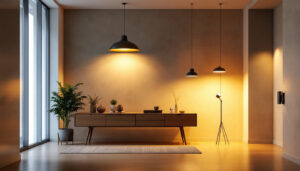
One of the most frequent mistakes lighting contractors make when installing security LED light bulbs is neglecting the strategic placement of fixtures. While the technology behind LED bulbs is crucial, where and how these lights are installed has a far greater impact on security effectiveness.
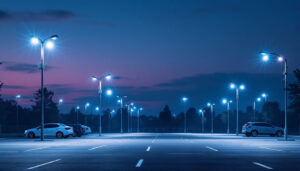
Security lighting is not just about bright illumination; it’s about creating an environment that deters unwanted activity. Placing lights too high or too far apart can create dark shadows and blind spots, which defeat the purpose of security lighting. Conversely, positioning lights too close to windows or reflective surfaces can cause glare, reducing visibility and potentially blinding cameras or residents.
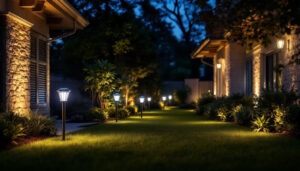
Contractors should conduct a thorough site assessment before installation. This includes identifying vulnerable areas such as entry points, pathways, and blind corners. Using a layered lighting approach—combining floodlights, spotlights, and ambient lighting—can ensure comprehensive coverage. This prevents intruders from exploiting poorly lit zones and enhances the overall security system.
Moreover, the angle at which lights are installed plays a crucial role in their effectiveness. A light positioned at the wrong angle can illuminate the ground but leave the surrounding areas dark, creating a false sense of security. It is essential to consider the path of light and how it interacts with the surrounding environment. For instance, using adjustable fixtures allows contractors to fine-tune the direction of light, ensuring that critical areas are adequately illuminated while minimizing glare and shadows. Additionally, incorporating motion sensors can further enhance security by ensuring that lights are activated only when movement is detected, thus conserving energy while still providing necessary illumination.
Another factor to consider is the color temperature of the LED bulbs. Warmer light can create a welcoming atmosphere, while cooler light tends to enhance visibility and alertness, making it more suitable for security purposes. The choice of color temperature can influence not just the appearance of the property but also the behavior of potential intruders. A well-lit space with cooler, brighter light can make individuals feel exposed and less likely to engage in illicit activities. Therefore, understanding the psychological impact of lighting choices is vital for contractors aiming to maximize the effectiveness of security installations.
Choosing the Wrong LED Bulb Specifications
Ignoring Color Temperature and Its Effects
Color temperature plays a pivotal role in security lighting but is often overlooked. Security LED bulbs come in various color temperatures, typically measured in Kelvins (K), ranging from warm white (2700K) to cool white (6500K) and beyond.
For security purposes, cooler temperatures around 4000K to 5000K are generally preferred because they offer a crisp, daylight-like illumination that enhances visibility and color rendering. Warm white bulbs, while cozy for residential settings, can make it harder to distinguish details in surveillance footage or to detect movement at night.
Contractors must match the color temperature to the specific security needs of the site. For example, commercial or industrial properties benefit from cooler, brighter light, whereas residential areas might require a balance between security and aesthetic appeal. Additionally, the psychological impact of color temperature should not be underestimated; cooler lights can create a sense of alertness and vigilance, which is crucial in high-risk areas. In contrast, warmer lights may induce relaxation, making them less suitable for environments where heightened awareness is necessary.
Neglecting Lumens and Brightness Levels
Another common pitfall is selecting LED bulbs without considering their lumen output. Lumens measure the total amount of visible light emitted by a bulb. Too little light compromises security, while too much can cause light pollution and discomfort.
Security lighting typically requires bulbs with higher lumen ratings—often between 800 and 1600 lumens per fixture, depending on the area size and purpose. Installing low-lumen bulbs in large outdoor spaces leaves dark patches vulnerable to intruders. Conversely, excessively bright bulbs can create glare, making it difficult for cameras or residents to see clearly. Furthermore, the placement of these fixtures is equally important; strategically positioning lights to minimize shadows can significantly enhance the effectiveness of the lighting. For instance, using multiple lower-lumen fixtures spread across an area can provide uniform illumination, reducing the risk of dark spots that could be exploited.
Lighting contractors should assess the environment and choose bulbs that provide adequate brightness without overwhelming the space. This assessment should include consideration of the surrounding landscape, as trees or structures can obstruct light and create unintended shadows. By taking a holistic approach to lighting design, contractors can ensure that security measures are both effective and unobtrusive, contributing to a safer environment without detracting from the overall aesthetic of the area.
Failing to Integrate Smart Controls and Sensors
Security LED lighting is no longer just about static illumination. Smart controls, motion sensors, and timers have become essential components of modern security lighting systems. Unfortunately, many contractors either omit these features or implement them incorrectly.
Motion sensors are critical for energy efficiency and effectiveness. Lights that activate only when movement is detected not only save power but also startle potential intruders. However, improper sensor placement or sensitivity settings can lead to false triggers or failure to detect actual threats. For instance, placing sensors too close to busy areas like sidewalks or driveways may cause lights to flicker on and off unnecessarily, creating a nuisance for homeowners and undermining the system’s reliability. Conversely, positioning them too high or in areas with obstructed views can result in missed detections, leaving properties vulnerable.
Additionally, integrating lighting with security cameras and alarm systems provides a cohesive security network. For example, lights that turn on automatically when a camera detects movement can improve footage quality and deter trespassers. Contractors should ensure compatibility between devices and configure systems for seamless communication. This integration not only enhances the overall security posture but also allows for advanced features such as remote monitoring and control through mobile applications. Homeowners can receive real-time alerts when motion is detected, enabling them to respond promptly to potential threats, whether they are home or away.
Moreover, the incorporation of smart technology extends beyond mere functionality; it also offers opportunities for customization and automation. Homeowners can program their lighting systems to follow specific schedules or respond to environmental changes, such as dusk-to-dawn settings that automatically adjust based on natural light levels. This level of sophistication not only enhances security but also contributes to the overall convenience and comfort of the living environment. As technology continues to evolve, the potential for integrating artificial intelligence and machine learning into these systems may further revolutionize how we approach home security, allowing for predictive analytics that can identify unusual patterns and preemptively alert homeowners to potential risks.
Underestimating Environmental and Maintenance Factors
Ignoring Weatherproofing and Durability
Security lighting is exposed to the elements, making durability a non-negotiable factor. Choosing LED bulbs and fixtures without adequate weatherproof ratings can lead to premature failure and increased maintenance costs.
Lighting contractors must select products rated for outdoor use, typically with an IP65 rating or higher, which ensures protection against dust and water jets. Fixtures should also be resistant to temperature fluctuations, UV exposure, and physical impacts.
Failing to consider these factors results in frequent replacements and system downtime, undermining the reliability of security lighting.
Neglecting Regular Maintenance Plans
Even the best security LED lighting systems require routine maintenance to remain effective. Dirt, dust, and insect accumulation can reduce light output significantly. Over time, wiring and sensors may degrade or malfunction.
Contractors often overlook the importance of establishing maintenance schedules with clients. Regular inspections, cleaning, and testing of sensors and controls can prevent unexpected failures. Providing clients with clear maintenance guidelines and service contracts adds value and ensures long-term system performance.
Overcomplicating or Oversimplifying the Installation
Security lighting systems should be tailored to the specific needs of each site. Some contractors make the mistake of installing overly complex systems with unnecessary features, driving up costs and complicating user operation. Others oversimplify, installing minimal lighting that fails to provide adequate security.
Striking the right balance requires understanding the client’s security goals, budget, and site characteristics. A well-designed system uses the right number of fixtures, appropriate technologies, and user-friendly controls. It should also allow for future upgrades or expansions without major rewiring.
Clear communication with clients about what the system can and cannot do helps set realistic expectations and improves satisfaction.
Failing to Consider Energy Efficiency and Cost Over Time
LED technology is celebrated for its energy efficiency, but not all LED security bulbs are created equal. Contractors sometimes focus solely on upfront costs, choosing cheaper bulbs that consume more power or have shorter lifespans.
High-quality security LED bulbs may have a higher initial price but offer significant savings over time through reduced energy consumption and longer service life. Additionally, pairing LEDs with smart controls and timers optimizes energy use without sacrificing security.
Contractors should educate clients on the total cost of ownership, highlighting how investing in efficient products and systems reduces operational expenses and environmental impact.
Ignoring Compliance and Safety Standards
Security lighting installations must comply with local regulations and safety standards. Neglecting these requirements can lead to legal issues, fines, or unsafe conditions.
Lighting contractors should be familiar with relevant codes regarding light pollution, electrical safety, and accessibility. For instance, some jurisdictions have restrictions on light trespass or require specific mounting heights for outdoor fixtures.
Ensuring compliance not only protects the contractor and client but also enhances the credibility and professionalism of the installation.
Conclusion: Avoiding These Mistakes for Better Security Lighting
Security LED light bulbs are a powerful tool in protecting properties, but their effectiveness hinges on thoughtful design, correct product selection, and proper installation. Lighting contractors who avoid common pitfalls-such as improper placement, ignoring specifications, overlooking smart controls, and neglecting maintenance-deliver superior security solutions.
By focusing on comprehensive site assessments, integrating the latest technology, and adhering to best practices, contractors can enhance safety, reduce costs, and build lasting client trust. Security lighting is more than just illumination; it’s a critical component of a secure environment.
Get Your Spec-Grade Security Lighting at LumenWholesale
Ready to elevate your security lighting installations with the right products? Look no further than LumenWholesale for all your lighting needs. Our extensive selection of spec-grade LED light bulbs ensures that you can implement the best practices outlined in this article with confidence. Benefit from our wholesale prices, free shipping, and the convenience of cutting out the middleman. Enhance your projects with the quality, affordability, and reliability that LumenWholesale offers. Wholesale Lighting at the Best Value is just a click away. Make the smart choice for your security lighting solutions today.