In the evolving world of lighting technology, motion sensor light switches have emerged as a game changer, particularly in three-way configurations. These devices not only enhance convenience but also significantly improve energy efficiency. For lighting contractors, understanding how to optimize these systems can lead to better installations, satisfied clients, and reduced energy costs. This article explores the intricacies of motion sensor light switches in three-way setups and provides actionable insights for maximizing their efficiency.
Understanding Motion Sensor Light Switches
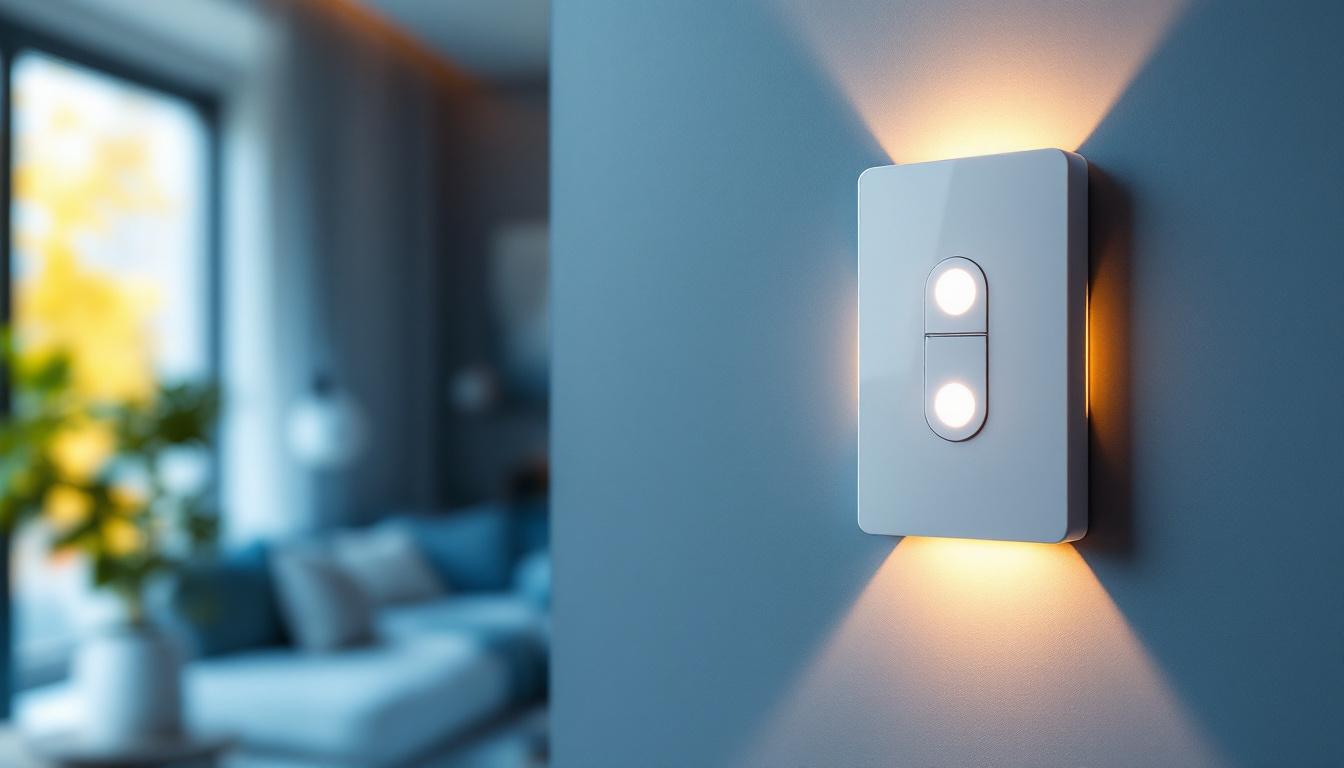
Motion sensor light switches are designed to automatically turn lights on when motion is detected and off when the area is vacant. This functionality is particularly beneficial in high-traffic areas like hallways, staircases, and bathrooms. However, the three-way configuration adds a layer of complexity, allowing control from multiple locations.
How Motion Sensors Work
At the core of motion sensor technology are passive infrared (PIR) sensors, ultrasonic sensors, and dual-technology sensors. PIR sensors detect changes in heat, sensing the presence of people through their body heat. Ultrasonic sensors, on the other hand, emit sound waves and measure their reflection to detect movement. Dual-technology sensors combine both methods for enhanced reliability.
When integrating these sensors into a three-way switch system, it’s essential to consider the placement and type of sensor being used. The effectiveness of a motion sensor can be influenced by factors such as the layout of the space, the height at which the sensor is installed, and potential obstructions that may block the sensor’s field of view. For example, a sensor placed too high may miss detecting lower movements, while one obstructed by furniture or decor can lead to frustrating gaps in coverage.
Benefits of Three-Way Motion Sensor Switches
The primary advantage of three-way motion sensor switches is the ability to control lighting from multiple points. This is particularly useful in larger areas or spaces with multiple entry points. For instance, in a long hallway, having switches at both ends allows for seamless control without the need to walk back to the original switch.
Moreover, these systems contribute to energy savings by ensuring lights are only activated when necessary. This is especially beneficial in commercial settings, where lights may otherwise remain on for extended periods, leading to unnecessary energy consumption. Additionally, the convenience of not having to fumble for a switch in the dark enhances safety, as it reduces the risk of accidents in areas where visibility is limited. The integration of motion sensors can also extend the lifespan of light bulbs, as they are not continuously on, which can be particularly advantageous for frequently used spaces.
Furthermore, modern motion sensor switches often come equipped with adjustable settings, allowing users to customize the sensitivity and duration of the light activation. This feature enables homeowners and businesses to tailor the system to their specific needs, ensuring that lights activate only when truly necessary and for an appropriate length of time. Such flexibility can be particularly useful in environments with varying levels of foot traffic throughout the day, ensuring optimal performance and energy efficiency at all times.
Installation Considerations
Installing a motion sensor light switch in a three-way configuration requires careful planning and execution. Understanding the wiring and compatibility of the components is crucial for a successful installation.
Wiring Basics for Three-Way Switches
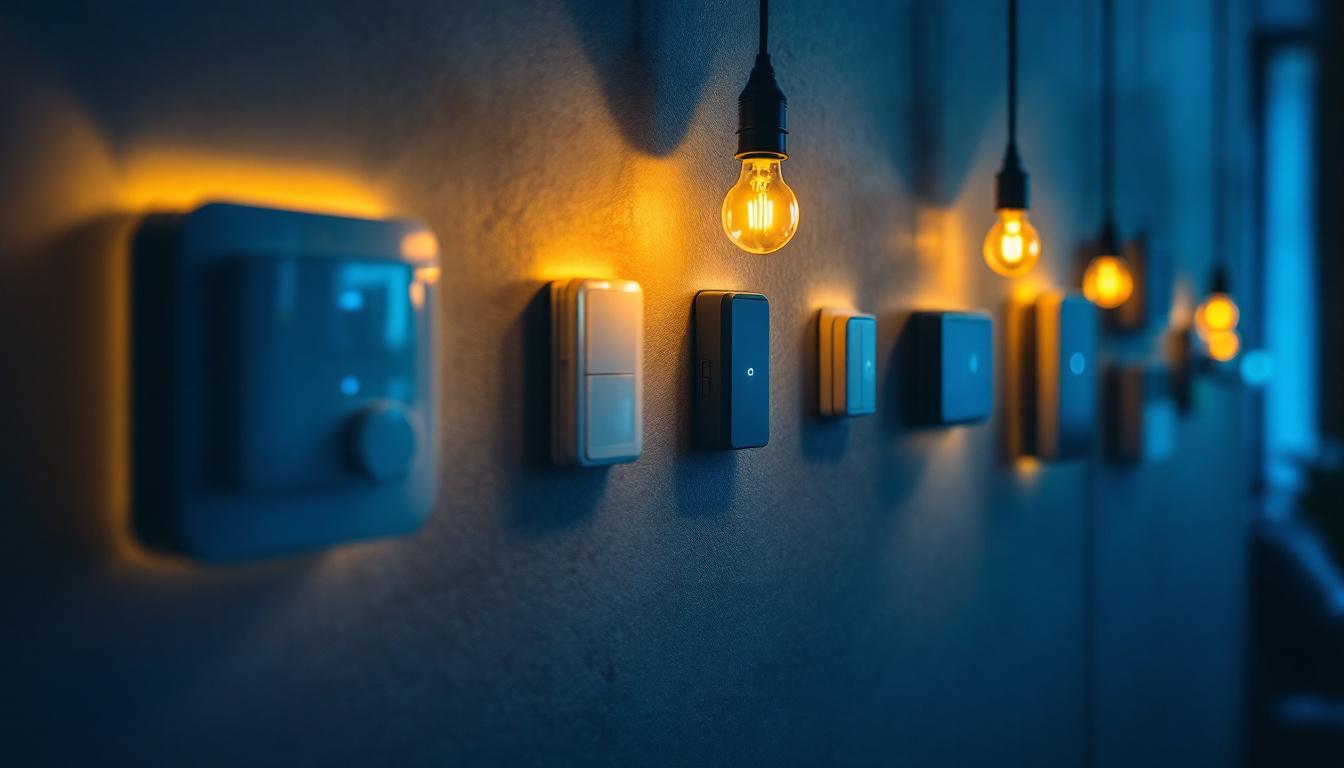
In a traditional three-way switch setup, two switches control a single light fixture. The wiring involves a traveler wire that connects the two switches, allowing them to communicate. When integrating a motion sensor, it’s essential to ensure that the sensor is compatible with the existing wiring and can handle the load of the light fixture.
Typically, the motion sensor switch will replace one of the existing three-way switches. The other switch will remain unchanged, maintaining the ability to control the light from both locations. Proper labeling and understanding of the wiring diagram are essential to avoid confusion during installation.
Placement for Optimal Performance
Placement of the motion sensor is critical for maximizing its efficiency. Sensors should be installed at a height that allows for optimal detection of movement. Generally, a height of 6 to 8 feet is recommended, as this range effectively captures the average person’s movement.
Additionally, consider the layout of the space. Avoid placing sensors in corners or behind doors, as these positions can limit the sensor’s field of view. Instead, aim for a central location that provides a clear line of sight to the areas where movement is expected.
Configuring Settings for Maximum Efficiency
Once installed, configuring the settings of the motion sensor light switch is crucial for achieving maximum efficiency. Most motion sensors come with adjustable settings that allow contractors to customize their operation based on the specific needs of the space.
Adjusting Sensitivity Levels
Many motion sensors offer adjustable sensitivity settings, which determine how easily the sensor detects movement. In high-traffic areas, a higher sensitivity setting may be beneficial, ensuring that lights activate promptly. Conversely, in less frequented spaces, lowering the sensitivity can prevent unnecessary activations from minor movements, such as pets or drafts.
It’s advisable to conduct tests after installation to find the right balance. Walking through the area and observing the sensor’s response can help fine-tune the sensitivity settings for optimal performance.
Setting Time Delays
Time delay settings dictate how long the lights remain on after motion is no longer detected. This feature is particularly useful in ensuring that lights do not turn off too quickly, which can be frustrating for users. A typical delay ranges from 30 seconds to several minutes, depending on the application.
For areas where people frequently pass through, a shorter delay may be appropriate. However, in spaces like stairwells or hallways, a longer delay can enhance safety by ensuring lights remain on long enough for individuals to navigate the area comfortably.
Energy Efficiency and Sustainability
Incorporating motion sensor light switches into a three-way configuration not only enhances convenience but also contributes to energy efficiency and sustainability. As energy costs continue to rise, clients are increasingly seeking solutions that reduce consumption and lower utility bills.
Reducing Energy Consumption
Motion sensors significantly reduce energy consumption by ensuring that lights are only activated when needed. This is particularly relevant in commercial settings, where lights may otherwise remain on during off-hours. By implementing motion sensor technology, businesses can achieve substantial savings on their energy bills, making it a financially sound investment.
Furthermore, using LED bulbs in conjunction with motion sensor switches can amplify energy savings. LED lights consume significantly less energy than traditional incandescent bulbs and have a longer lifespan, further enhancing the sustainability of the lighting system.
Enhancing Client Satisfaction
Clients are increasingly aware of the importance of energy efficiency and sustainability. By offering motion sensor light switches in three-way configurations, lighting contractors can provide a solution that aligns with these values. This not only enhances client satisfaction but also positions contractors as knowledgeable professionals who prioritize modern, efficient solutions.
Moreover, educating clients about the benefits of these systems can foster trust and encourage repeat business. Providing insights into how motion sensors work, their energy-saving potential, and maintenance tips can empower clients to make informed decisions about their lighting needs.
Common Challenges and Solutions
While motion sensor light switches offer numerous advantages, they are not without challenges. Understanding these potential issues and their solutions can help lighting contractors navigate installations more effectively.
False Activations
One of the most common challenges with motion sensors is false activations, where lights turn on without any detected movement. This can be caused by various factors, including environmental conditions, pets, or even passing cars outside.
To mitigate this issue, adjusting the sensitivity settings is often the first step. Additionally, ensuring the sensor is installed at an appropriate height and location can help reduce false triggers. In some cases, it may be beneficial to choose a sensor with a narrower field of view to minimize interference from unrelated movements.
Incompatibility Issues
Another challenge that contractors may face is incompatibility between the motion sensor and existing wiring or fixtures. It’s crucial to verify that the motion sensor switch is suitable for the specific application and can handle the electrical load.
Before installation, reviewing product specifications and consulting with manufacturers can help prevent these issues. In cases where compatibility is a concern, considering alternative products or solutions may be necessary to ensure a successful installation.
Future Trends in Motion Sensor Technology
The landscape of motion sensor technology is continually evolving, with advancements that promise to enhance efficiency and user experience. Staying informed about these trends can help lighting contractors remain competitive in the market.
Smart Home Integration
As smart home technology becomes more prevalent, the integration of motion sensors with home automation systems is on the rise. This allows for greater control and customization, enabling users to manage their lighting through smartphones or voice-activated devices.
Contractors who are knowledgeable about smart home integration can offer clients a comprehensive solution that enhances convenience and energy efficiency. Understanding the various platforms and compatibility options will be essential for successful installations in the future.
Enhanced Sensor Technology
Advancements in sensor technology are also paving the way for more sophisticated motion detection systems. Future sensors may incorporate machine learning algorithms to better distinguish between different types of movement, further reducing false activations and improving overall performance.
By keeping abreast of these technological advancements, lighting contractors can provide cutting-edge solutions that meet the evolving needs of their clients.
Conclusion
Motion sensor light switches in three-way configurations represent a significant advancement in lighting technology, offering both convenience and energy efficiency. By understanding the intricacies of installation, configuration, and optimization, lighting contractors can provide superior solutions that enhance client satisfaction and contribute to sustainability.
As the industry continues to evolve, staying informed about trends and advancements will be crucial for maintaining a competitive edge. By embracing motion sensor technology, contractors can position themselves as leaders in the field, ready to meet the demands of modern lighting solutions.
Upgrade Your Lighting Projects with LumenWholesale
Ready to take your lighting installations to the next level? At LumenWholesale, we provide lighting contractors with the highest quality motion sensor light switches and a vast array of spec-grade lighting products at unbeatable wholesale prices. Say goodbye to local distributor markups and hello to superior lighting solutions that meet the highest industry standards. With our hassle-free bulk buying and free shipping, you can ensure your projects shine with efficiency and reliability, all while keeping costs down. Elevate your lighting game and discover the best value in wholesale lighting today with LumenWholesale.