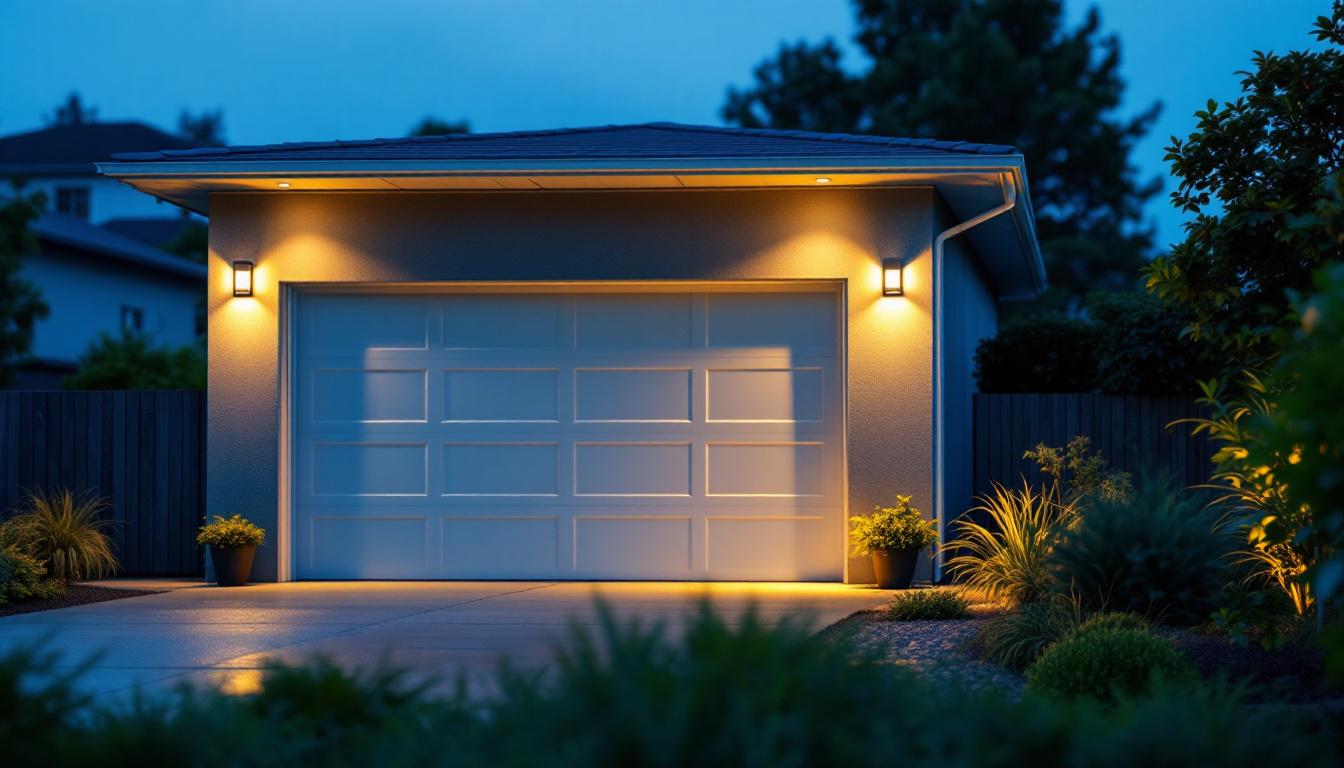
Introduction to Solar Powered Outdoor Driveway Lights
Outdoor driveway lighting has long been a critical component of residential and commercial property design. It enhances safety, improves curb appeal, and provides functional illumination during nighttime hours. Traditionally, these lighting systems have relied on wired electrical connections, which often involve complex installation processes and ongoing energy costs. However, the advent of solar powered outdoor driveway lights is revolutionizing the industry, offering a sustainable, cost-effective, and aesthetically pleasing alternative.
For lighting contractors, understanding the benefits, design considerations, and installation techniques of solar powered driveway lights is essential to stay competitive and meet evolving client demands. This article explores why solar technology is becoming the future of lighting design and installation, providing a comprehensive guide tailored to professionals in the lighting industry.
One of the most significant advantages of solar powered driveway lights is their environmental impact. By harnessing the sun’s energy, these lights reduce reliance on fossil fuels and decrease carbon footprints, aligning with the growing trend toward sustainability in home and commercial design. Moreover, advancements in solar technology have led to more efficient solar panels and longer-lasting batteries, allowing for brighter and more reliable lighting solutions that can function even on cloudy days. This not only enhances the practicality of solar lights but also appeals to eco-conscious clients who prioritize green solutions in their property enhancements.
In addition to their environmental benefits, solar powered driveway lights offer a wide range of design options that can complement various architectural styles. From sleek modern designs to rustic lanterns, these lights can be integrated seamlessly into any landscape. Many models also come with customizable features such as motion sensors, dimming capabilities, and color-changing LEDs, allowing homeowners to tailor their lighting to suit their preferences and needs. As lighting contractors, understanding these diverse options and how to effectively present them to clients can significantly enhance the overall aesthetic and functionality of outdoor spaces.
Why Solar Powered Driveway Lights Are Gaining Popularity
Environmental Sustainability and Energy Efficiency
One of the primary drivers behind the rise of solar powered driveway lights is their environmental impact. Solar lighting systems harness renewable energy from the sun, significantly reducing reliance on fossil fuels and lowering carbon footprints. According to recent studies, solar lighting can reduce energy consumption by up to 80% compared to traditional electric lighting, making it a compelling choice for eco-conscious clients.
Moreover, solar lights operate independently of the electrical grid, which means they do not contribute to peak electricity demand. This decentralized energy use helps alleviate stress on power infrastructure and supports broader sustainability goals.
Cost Savings Over Time
While the initial investment in solar driveway lights may be higher than conventional wired systems, the long-term savings are substantial. Solar lights eliminate monthly electricity bills and reduce maintenance costs due to fewer wiring issues and lower risk of electrical faults. Additionally, many solar lighting products come with durable, weather-resistant designs that extend operational lifespan, further enhancing cost-effectiveness.
For lighting contractors, offering solar solutions can open new revenue streams through energy audits, system upgrades, and ongoing maintenance contracts focused on sustainable lighting.
Ease of Installation and Flexibility
Solar powered driveway lights do not require trenching, conduit installation, or electrical wiring, which simplifies the installation process significantly. This reduction in labor and material requirements translates into faster project completion times and fewer disruptions for clients.
Furthermore, solar lights provide greater flexibility in placement since they are not constrained by proximity to power sources. This allows for more creative and effective lighting designs that can enhance property aesthetics and functionality.
Design Considerations for Solar Driveway Lighting
Assessing Site Conditions and Solar Exposure
Successful solar lighting design begins with a thorough assessment of the site’s solar exposure. The effectiveness of solar driveway lights depends heavily on adequate sunlight to charge the integrated photovoltaic panels during the day. Lighting contractors must evaluate factors such as shading from trees, buildings, or other structures, seasonal sun angles, and local weather patterns.
Tools such as solar pathfinders or digital modeling software can assist in determining optimal fixture placement to maximize solar gain and ensure consistent nighttime illumination.
Choosing the Right Fixtures and Technologies
Solar driveway lights come in various styles, sizes, and technologies. Selecting the appropriate fixtures involves balancing aesthetic preferences, illumination requirements, and technical specifications. Key considerations include:
- Light Output and Beam Angle: Driveway lighting requires sufficient brightness to enhance visibility without causing glare. LED technology is the preferred choice for its high luminous efficacy and energy efficiency.
- Battery Capacity and Type: High-quality lithium-ion batteries offer longer lifespan and better performance in varying temperatures compared to older nickel-metal hydride or lead-acid batteries.
- Durability and Weather Resistance: Fixtures should be rated for outdoor use with protection against moisture, dust, and impact to withstand harsh environmental conditions.
- Smart Features: Integration with motion sensors, dusk-to-dawn sensors, or remote control systems can enhance functionality and energy savings.
Lighting Layout and Spacing
Proper spacing and layout are critical to achieving uniform illumination and avoiding dark spots or overly bright areas. Lighting contractors should consider the width and length of the driveway, the height of the fixtures, and the desired lighting effect.
Common practice involves spacing solar lights between 6 to 10 feet apart, but this can vary based on fixture output and site-specific requirements. Using lighting design software can help simulate different layouts and optimize performance before installation.
Installation Best Practices for Lighting Contractors
Preparation and Site Marking
Before installation, contractors should mark the exact locations for each solar light based on the approved design plan. It is essential to confirm that these spots receive adequate sunlight and are free from obstructions.
Additionally, verifying underground utilities and ensuring compliance with local codes and regulations is necessary to avoid conflicts or safety hazards during installation.
Mounting and Securing Fixtures
Solar driveway lights are typically mounted on stakes, posts, or integrated into bollards. The mounting method should provide stability against wind, rain, and potential impacts from vehicles or pedestrians.
Contractors should also ensure that the solar panels are angled correctly to maximize sun exposure, usually tilted according to the latitude of the location. Proper alignment enhances energy absorption and extends operational hours.
Testing and Commissioning
After installation, it is crucial to test each fixture to confirm proper operation. This includes verifying that the solar panels are charging the batteries, the LEDs illuminate as expected, and any sensors or controls function correctly.
Providing clients with operational guidance and maintenance tips can improve satisfaction and system longevity. For example, advising on periodic cleaning of solar panels and battery replacement schedules helps maintain optimal performance.
Emerging Trends and Innovations in Solar Driveway Lighting
Integration with Smart Home Systems
The rise of smart home technology is influencing solar lighting design. Many modern solar driveway lights now feature compatibility with home automation platforms, allowing users to control lighting remotely via smartphones or voice assistants.
This integration offers enhanced convenience, security, and energy management, enabling lighting contractors to offer advanced solutions that align with contemporary lifestyle preferences.
Advancements in Solar Panel and Battery Technology
Continuous improvements in photovoltaic cell efficiency and battery chemistry are driving better performance in solar lighting products. Higher efficiency panels capture more energy in less space, while advanced batteries provide longer runtimes and improved durability under extreme temperatures.
These technological advancements expand the applicability of solar driveway lights to diverse climates and challenging installation environments.
Design Aesthetics and Customization
As solar lighting gains mainstream acceptance, manufacturers are offering a broader range of design options, including customizable colors, shapes, and finishes. This trend allows lighting contractors to tailor solutions to match architectural styles and client preferences, enhancing the overall visual impact of outdoor spaces.
Challenges and Solutions in Solar Driveway Lighting Projects
Addressing Shading and Weather Variability
One of the main challenges with solar lighting is inconsistent sunlight due to shading or weather conditions. To mitigate this, contractors can:
- Conduct comprehensive site analyses to identify and avoid shaded areas.
- Use higher capacity batteries or hybrid systems that combine solar with low-voltage wiring for backup.
- Incorporate adaptive lighting controls that adjust brightness based on battery charge levels.
Ensuring Longevity and Maintenance
Although solar driveway lights are low maintenance, neglect can lead to reduced performance. Contractors should educate clients on routine maintenance practices such as cleaning solar panels, checking battery health, and inspecting fixtures for damage.
Offering maintenance contracts can provide ongoing support and generate recurring revenue while ensuring system reliability.
Overcoming Perception Barriers
Some clients may have concerns about the brightness, reliability, or aesthetics of solar lighting compared to traditional wired systems. Lighting contractors can overcome these barriers by:
- Providing demonstrations and case studies showcasing successful installations.
- Highlighting the environmental and financial benefits backed by data.
- Offering trial periods or phased installations to build client confidence.
Conclusion: Embracing Solar Technology for the Future
Solar powered outdoor driveway lights represent a transformative shift in lighting design and installation. For lighting contractors, embracing this technology offers an opportunity to deliver innovative, sustainable, and cost-effective solutions that meet the demands of modern clients.
By mastering design principles, installation techniques, and emerging trends, professionals can position themselves at the forefront of the industry’s evolution. As solar technology continues to advance, its integration into outdoor lighting will become increasingly indispensable, making solar powered driveway lights not just an option but the future standard in lighting design.
Illuminate Your Projects with LumenWholesale
Ready to lead the charge in sustainable lighting solutions? At LumenWholesale, we provide lighting contractors with the high-quality, spec-grade solar powered driveway lights you need to stay ahead in the industry. Our commitment to offering these innovative products at unbeatable wholesale prices ensures that you can deliver on both performance and value. With our hassle-free bulk buying and free shipping, you can equip your projects with the best in solar lighting technology without breaking the bank. Elevate your lighting installations today and discover the best value in wholesale lighting at LumenWholesale.