Understanding Color Temperature: The Foundation of Recessed Lighting
Color temperature is the cornerstone of any lighting project, especially when it comes to recessed lighting. It’s measured in Kelvins (K) and determines the warmth or coolness of the light. For lighting contractors, knowing how to select the right color temperature can make or break a client’s satisfaction.
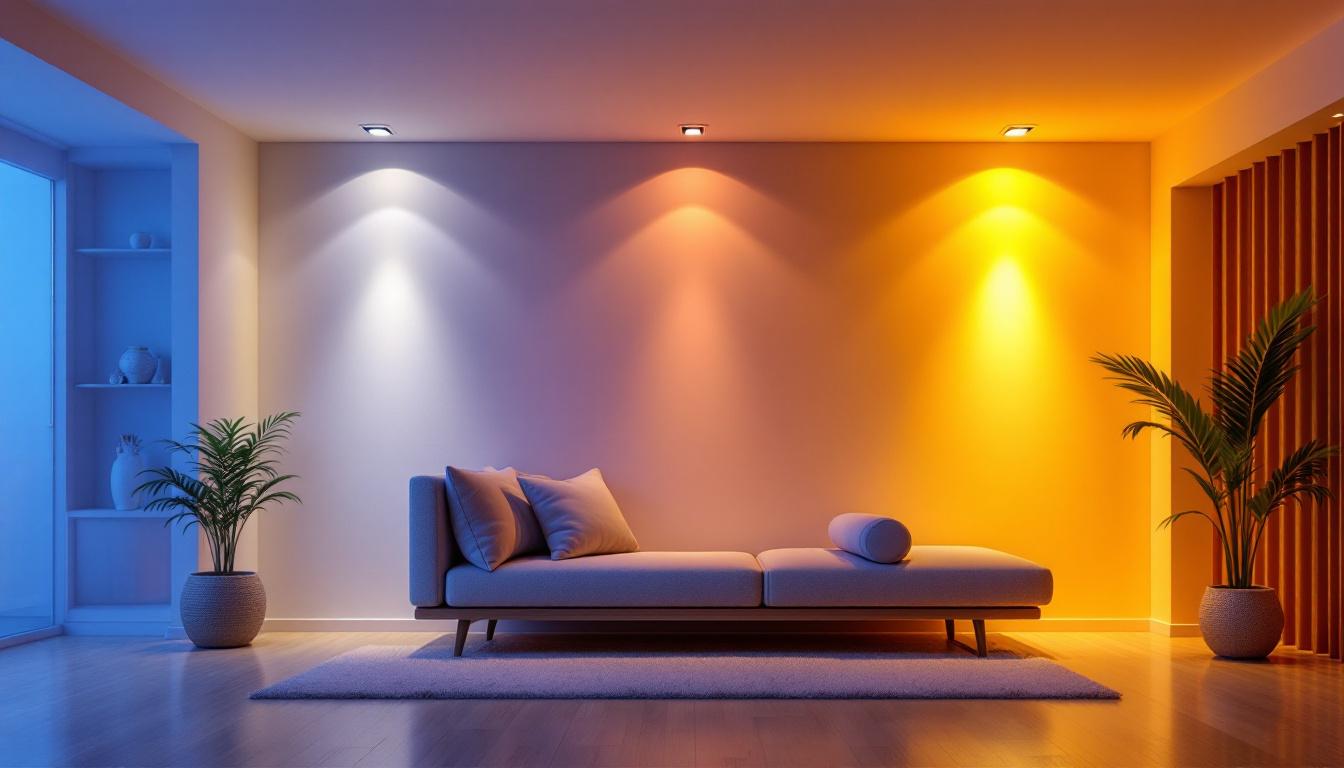
Warm white light, typically ranging from 2700K to 3000K, creates a cozy, inviting atmosphere. It’s ideal for residential settings like living rooms and bedrooms where comfort is key. On the other hand, cool white light, usually between 3500K and 4100K, offers a more neutral, balanced illumination that suits kitchens, bathrooms, and workspaces.
For commercial spaces, especially offices or retail environments, daylight white (5000K to 6500K) is often preferred. This color temperature mimics natural daylight and enhances visibility, making it easier for people to focus and perform tasks. However, it’s important to avoid overly harsh lighting that can cause eye strain or create an unwelcoming ambiance.
Why Color Temperature Matters for Contractors
Choosing the appropriate color temperature isn’t just about aesthetics; it affects how a space is perceived and used. A lighting contractor who understands this can guide clients toward options that enhance mood, functionality, and energy efficiency. For example, installing 2700K recessed lights in a restaurant can boost customer comfort, encouraging longer stays and repeat visits.
Additionally, color temperature impacts the way colors appear in a room. A warm light can soften colors, while cooler light makes them appear sharper and more vibrant. This is crucial when lighting art galleries, retail displays, or any space where color accuracy is important.
Moreover, the choice of color temperature can also influence energy consumption. For instance, LED lights, which are available in various color temperatures, are more energy-efficient than traditional incandescent bulbs. By opting for LED recessed lighting in a cooler color temperature, contractors can not only create a bright and inviting environment but also significantly reduce energy costs for their clients. This dual benefit of aesthetic appeal and energy savings is a compelling selling point for contractors looking to provide value-added services.
Furthermore, understanding the psychological effects of color temperature can enhance a contractor’s ability to meet client needs. Research shows that warmer lights can promote relaxation and comfort, making them ideal for spaces meant for unwinding, such as bedrooms or lounges. Conversely, cooler lights can stimulate alertness and productivity, making them suitable for offices or study areas. By leveraging this knowledge, contractors can tailor lighting solutions that not only fulfill functional requirements but also align with the emotional and psychological needs of the occupants.
Color Rendering Index (CRI): Ensuring True-to-Life Colors
Color Rendering Index (CRI) measures a light source’s ability to reveal colors faithfully compared to natural light. The scale runs from 0 to 100, with higher values indicating better color accuracy. For recessed lighting, a CRI of 80 or above is generally acceptable, but aiming for 90+ is ideal in spaces where color precision matters. This is particularly crucial in environments such as photography studios, where the fidelity of color reproduction can significantly impact the final output of images. In such cases, a light source with a high CRI not only enhances the visual appeal but also ensures that the colors captured are true to life, providing a more authentic representation of the subject matter.
Contractors should prioritize high-CRI LED recessed lights when working in environments like healthcare facilities, art studios, or retail stores. These settings demand accurate color representation to avoid misinterpretations or poor visual experiences. In healthcare, for instance, accurate color rendering can be vital for diagnosing conditions based on skin tones or the appearance of wounds. Similarly, in art studios, artists rely on precise lighting to evaluate their work accurately, ensuring that the colors they see under artificial light match those in natural daylight. Retail environments benefit from high CRI lighting as well, as it enhances product displays, making colors pop and attracting customers’ attention more effectively.
Balancing CRI and Energy Efficiency
While high CRI LEDs are excellent for color fidelity, they can sometimes come with a higher price tag or slightly lower energy efficiency. Contractors must balance these factors based on client priorities. For residential projects, a CRI of 80-90 often strikes the right balance between quality and cost. Homeowners may prioritize energy savings and longevity, making it essential for contractors to educate them on the benefits of investing in higher CRI options for specific areas, such as kitchens or home offices, where color accuracy can enhance functionality and aesthetics. For specialized commercial applications, investing in top-tier CRI lighting pays off in the long run, as it can lead to increased customer satisfaction and potentially higher sales in retail settings. Moreover, with advancements in LED technology, many manufacturers are now producing high-CRI lights that also boast impressive energy efficiency, allowing contractors to offer clients the best of both worlds.
Choosing the Right Recessed Lighting Color for Different Spaces
Each room or area has unique lighting needs that influence the best choice of recessed lighting color. Contractors should assess the function, décor, and mood desired before making recommendations.
Living Rooms and Bedrooms
Warm white (2700K-3000K) is the go-to choice here. It creates a relaxing, intimate environment perfect for unwinding. Installing dimmable recessed lights allows homeowners to adjust brightness and color warmth, enhancing comfort throughout the day and night. Additionally, the use of layered lighting, combining recessed fixtures with floor lamps or table lamps, can add depth and dimension to the space, making it feel more inviting. Consider incorporating smart lighting technology that allows users to control the ambiance through their smartphones, providing flexibility for various activities, from movie nights to cozy reading sessions.
Kitchens and Bathrooms
Neutral to cool white lights (3500K-4100K) work best in these spaces. They provide clear, crisp illumination necessary for cooking, grooming, and cleaning tasks. Contractors should consider recessed fixtures with adjustable color temperature or layering lighting with under-cabinet LEDs to reduce shadows. Moreover, the strategic placement of recessed lights can minimize glare on countertops and mirrors, ensuring that tasks can be performed safely and efficiently. Incorporating motion sensors can also enhance convenience in bathrooms, automatically illuminating the space when someone enters, which is particularly useful during nighttime visits.
Offices and Workspaces
Daylight white (5000K-6500K) is often preferred to boost alertness and productivity. However, it’s essential to avoid overly bright or harsh lighting that can cause fatigue. Combining recessed lighting with natural light sources and task lighting creates a balanced, comfortable work environment. It’s also beneficial to consider the layout of the workspace; for instance, placing recessed lights above workstations can help reduce eye strain. Furthermore, using adjustable fixtures allows for customization based on individual preferences, which can lead to increased satisfaction and efficiency in daily tasks.
Retail and Display Areas
High CRI, neutral to cool white lighting enhances product appearance and attracts customers. Lighting contractors should recommend adjustable recessed fixtures to highlight merchandise effectively and create dynamic visual interest. The strategic use of accent lighting can draw attention to specific products or displays, encouraging customer engagement. Additionally, incorporating a variety of lighting techniques, such as spotlighting and wall washing, can create a more immersive shopping experience, allowing retailers to showcase their offerings in the best possible light. Keeping in mind seasonal changes in product displays, adjustable lighting can also help retailers adapt their ambiance to align with marketing strategies throughout the year.
Installation Tips: Maximizing the Impact of Recessed Lighting Colors
Proper installation plays a critical role in how recessed lighting colors perform and appear. Here are key considerations for contractors to ensure optimal results.
Spacing and Placement
Even distribution of recessed lights prevents dark spots and uneven color perception. The general rule is to space fixtures about 4 to 6 feet apart, but this varies depending on ceiling height and fixture beam angle. Closer spacing may be necessary for cooler color temperatures to avoid harsh shadows.
Using Dimmers and Smart Controls
Dimming capabilities allow users to adjust light intensity and, in some cases, color temperature. Smart controls offer even greater flexibility, enabling scene setting and automation. Contractors should recommend compatible dimmers and controls that match the recessed lighting system to avoid flickering or color shifts.
Choosing the Right Trim and Reflector
The trim and reflector design affect how light is dispersed and perceived. Matte white trims soften the light, while metallic or reflective trims can enhance brightness and color vibrancy. Selecting the appropriate trim complements the chosen color temperature and the room’s overall aesthetic.
Common Mistakes to Avoid When Selecting Recessed Lighting Colors
Even experienced contractors can fall into pitfalls when specifying recessed lighting colors. Awareness of these common errors helps maintain professionalism and client satisfaction.
Ignoring the Room’s Purpose and Mood
One-size-fits-all lighting solutions rarely work. Installing daylight white lights in a cozy living room, for example, can feel sterile and uninviting. Contractors should take time to understand the client’s lifestyle and preferences before making recommendations.
Overlooking Color Consistency
Mixing different color temperatures within the same room without intent can create an uneven, jarring effect. It’s best to maintain consistent color temperature or use intentional layering strategies to avoid visual confusion.
Neglecting Maintenance and Longevity
Some recessed lighting products may change color temperature over time or degrade in quality. Contractors should specify reputable brands with warranties and stable color performance to ensure lasting satisfaction.
Emerging Trends in Recessed Lighting Colors
Technology advancements continue to expand options for recessed lighting colors and control. Tunable white LEDs allow users to shift color temperature throughout the day, supporting circadian rhythms and enhancing wellbeing.
Color-changing RGB LEDs integrated into recessed fixtures enable dynamic ambiance creation for hospitality and entertainment venues. While not suitable for every project, these options offer exciting possibilities for creative lighting design.
Energy Efficiency and Sustainability
LED technology dominates recessed lighting due to its energy savings and long lifespan. Contractors should stay updated on the latest energy-efficient products that deliver high CRI and adjustable color temperatures without compromising performance.
Final Thoughts: Mastering Recessed Lighting Colors for Client Success
Recessed lighting color selection is a nuanced task that requires technical knowledge and an understanding of client needs. Lighting contractors who master color temperature, CRI, and installation best practices can transform spaces and elevate their reputation.
By avoiding common mistakes and embracing new technologies, contractors position themselves as trusted advisors capable of delivering tailored lighting solutions. Every project is an opportunity to showcase expertise and create environments that look and feel just right.
Illuminate Your Projects with LumenWholesale
Ready to take your lighting projects to the next level? At LumenWholesale, we provide lighting contractors with the finest spec-grade recessed lighting options at unparalleled wholesale prices. Say goodbye to local distributor markups and hello to a vast selection of high-quality, reliable lighting solutions that meet the most rigorous industry standards. Plus, with free shipping on bulk orders, you can stock up on premium lighting without any hidden fees. Elevate your lighting game and ensure your clients’ success with the unbeatable value and convenience of Wholesale Lighting at the Best Value from LumenWholesale.