Understanding the Unique Challenges of Walk-In Freezer Lighting
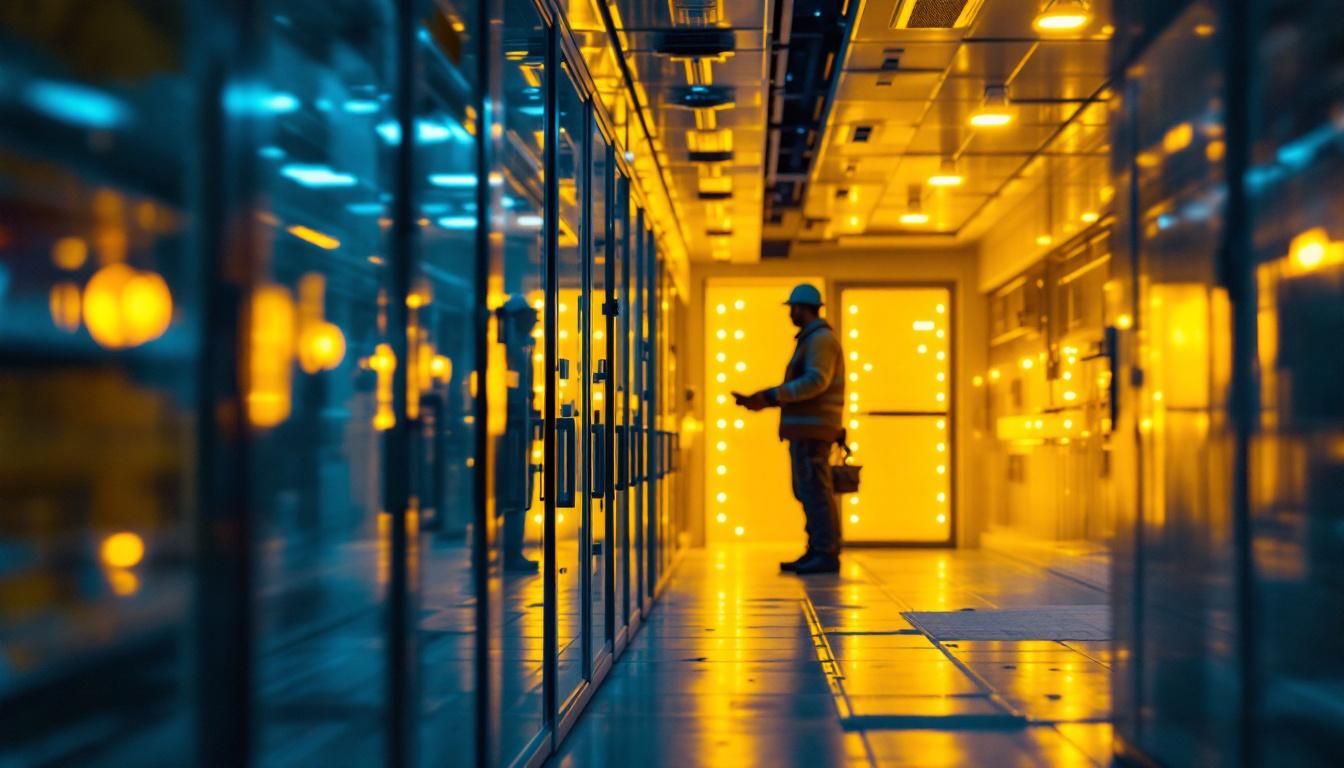
Walk-in freezers present a distinct set of challenges when it comes to lighting. Unlike typical commercial or industrial spaces, these environments are cold, humid, and often subject to frequent door openings. Lighting contractors must navigate these conditions to deliver solutions that are both reliable and efficient.
Cold temperatures can cause certain lighting fixtures to malfunction or degrade quickly. Moisture from condensation is another concern, as it can lead to corrosion or electrical shorts if fixtures are not properly sealed. Additionally, walk-in freezers require lighting that provides clear visibility without generating excess heat, which could compromise the cooling system’s efficiency.
For contractors, understanding these factors is crucial before selecting fixtures or designing layouts. The goal is to balance durability, safety, and energy efficiency while meeting the specific needs of the freezer environment.
One of the most effective solutions for walk-in freezer lighting is the use of LED fixtures, which are known for their longevity and energy efficiency. Unlike traditional incandescent or fluorescent lights, LEDs can operate effectively in low temperatures and are less prone to failure due to cold. Furthermore, their low heat output ensures that the internal temperature of the freezer remains stable, avoiding unnecessary strain on the refrigeration system. Many modern LED options also come with features such as dimming capabilities and motion sensors, which can enhance energy savings by reducing light output during periods of inactivity.
Another important consideration is the placement of lighting fixtures within the freezer. Proper layout can significantly improve visibility and safety for employees who need to navigate these chilly environments. Strategically positioning lights to minimize shadows and enhance the overall illumination can help prevent accidents and ensure that products are easily identifiable. Additionally, utilizing fixtures with a high color rendering index (CRI) can help in accurately assessing the quality and condition of stored items, which is critical in industries such as food service and pharmaceuticals where product integrity is paramount.
Choosing the Right Fixtures for Cold and Moisture Resistance
IP Ratings and Enclosures
One of the first considerations is the ingress protection (IP) rating of the lighting fixtures. In walk-in freezers, fixtures should ideally have a high IP rating—typically IP65 or higher—to ensure they are dust-tight and protected against water jets. This prevents moisture from penetrating the enclosure and damaging internal components.
Fixtures with sealed, corrosion-resistant housings made from materials like stainless steel or polycarbonate are preferred. These materials withstand the harsh conditions better than standard metal or plastic enclosures, extending the lifespan of the lighting system. Furthermore, it’s essential to consider the installation environment; for instance, if the fixtures are located near areas prone to frequent cleaning or exposure to chemicals, additional protective coatings or finishes may be beneficial to enhance durability and resistance to corrosion.
LED Lighting: The Optimal Choice
LED technology has revolutionized lighting in cold environments. Unlike traditional fluorescent or incandescent bulbs, LEDs perform exceptionally well at low temperatures, often improving in efficiency and longevity. This makes them ideal for walk-in freezers.
Additionally, LEDs produce minimal heat, reducing the risk of warming the freezer space and increasing energy costs. Their durability and resistance to shock and vibration also align well with the operational demands of these environments. Moreover, many modern LED fixtures come equipped with smart technology, allowing for features such as dimming capabilities and motion sensors. These advancements not only enhance energy efficiency but also contribute to a more tailored lighting solution that can adapt to varying operational needs, ensuring optimal visibility while minimizing energy consumption.
Designing for Uniform Illumination and Safety
Eliminating Shadows and Dark Spots
Visibility inside a walk-in freezer is paramount for safety and operational efficiency. Poor lighting can lead to accidents or errors in inventory management. Lighting contractors must design layouts that minimize shadows and dark areas.
This often involves installing multiple fixtures spaced strategically to provide even illumination. Using diffusers or lenses that spread light broadly can help achieve uniform coverage. In some cases, linear LED fixtures mounted along the ceiling or walls deliver consistent light levels throughout the space. Additionally, the color temperature of the lighting plays a crucial role; cooler temperatures can enhance visibility and help workers distinguish between different products more effectively. Furthermore, incorporating motion sensors can optimize energy usage while ensuring that the lights are activated whenever personnel are present, thus maintaining a safe working environment.
Emergency and Exit Lighting
Safety codes require emergency lighting within walk-in freezers to ensure safe evacuation during power outages or emergencies. Lighting contractors should integrate battery-backed emergency fixtures that are rated for low temperatures and moisture exposure.
Exit signs must also be clearly visible and compliant with local regulations. Selecting fixtures with high visibility and reliable operation in cold conditions is essential to meet safety standards. Moreover, it is beneficial to conduct regular maintenance checks on these emergency systems, as the harsh environment can affect their functionality over time. Implementing a testing schedule ensures that all emergency lights and exit signs are operational and that staff are trained on evacuation procedures, including the location of these critical safety features. This proactive approach not only enhances safety but also fosters a culture of preparedness among employees, ultimately contributing to a safer workplace overall.
Energy Efficiency and Cost Considerations
Reducing Energy Consumption
Energy costs can be significant in walk-in freezer operations, especially when lighting fixtures generate excess heat that forces refrigeration systems to work harder. LED lighting reduces this problem by emitting very little heat, directly lowering cooling loads.
Additionally, incorporating occupancy sensors or timers can prevent lights from running unnecessarily. These controls are particularly useful in walk-in freezers that are accessed intermittently, ensuring lights are on only when needed. Furthermore, integrating smart technology can enhance energy management. For instance, systems that monitor energy usage in real-time can alert operators to unusual spikes in consumption, allowing for immediate corrective actions. This proactive approach not only conserves energy but also extends the lifespan of refrigeration equipment by reducing the overall workload.
Long-Term Maintenance Savings
Choosing high-quality, durable fixtures reduces maintenance frequency and costs. LEDs typically last tens of thousands of hours, far exceeding the lifespan of fluorescent or incandescent bulbs. This longevity is especially valuable in cold environments where replacing bulbs can be labor-intensive and disruptive.
Contractors should also consider ease of access for maintenance. Fixtures designed with quick-release mechanisms or mounted in accessible locations simplify servicing and bulb replacement, minimizing downtime. Moreover, investing in fixtures that are resistant to the harsh conditions of walk-in freezers, such as extreme cold and moisture, can further reduce the likelihood of failures. Regular maintenance checks, coupled with the right choice of fixtures, can lead to significant savings over time, as operators can avoid the costs associated with emergency repairs and lost inventory due to equipment failures.
Installation Best Practices for Walk-In Freezer Lighting
Proper Wiring and Sealing
Electrical wiring in walk-in freezers must be installed with care to prevent moisture ingress and maintain system integrity. Using conduit and sealed junction boxes rated for wet or damp environments is critical.
All penetrations through walls or ceilings should be sealed with appropriate gaskets or sealants to maintain the freezer’s thermal envelope and prevent condensation issues.
Temperature Considerations During Installation
Installing lighting fixtures in cold environments requires attention to temperature-sensitive components. Some adhesives, sealants, or lubricants may not cure or perform properly at low temperatures, so contractors should select materials rated for freezer conditions.
Scheduling installation during warmer periods or temporarily warming the workspace can help ensure proper fixture mounting and wiring connections.
Compliance and Industry Standards
Adhering to Electrical Codes
Walk-in freezer lighting installations must comply with local and national electrical codes, including those related to hazardous locations if applicable. Contractors should verify whether the freezer environment is classified as a hazardous area due to flammable gases or vapors and select fixtures accordingly.
Following the National Electrical Code (NEC) or equivalent standards ensures safety and reduces liability risks.
Meeting Food Safety Requirements
In food storage or processing facilities, lighting fixtures must meet hygiene and sanitation standards. Fixtures should be easy to clean and resistant to corrosion from cleaning chemicals.
Contractors should consult with facility managers to understand specific regulatory requirements, such as those from the FDA or USDA, and choose fixtures that comply with these standards.
Emerging Technologies and Innovations
Smart Lighting Controls
Advances in smart lighting allow contractors to offer systems that can be remotely monitored and controlled. Features like dimming, scheduling, and fault detection improve energy management and maintenance planning.
Integrating these technologies into walk-in freezer lighting can enhance operational efficiency and reduce costs over time.
UV-C and Antimicrobial Lighting
Some facilities are exploring UV-C lighting integrated with standard illumination to reduce microbial contamination. While still emerging, this technology has potential benefits in food safety-sensitive environments.
Contractors should stay informed about these developments and consider how they might be incorporated into future lighting designs.
Conclusion: Mastering Walk-In Freezer Lighting
Lighting contractors who understand the specific demands of walk-in freezer environments are positioned to deliver superior solutions that enhance safety, efficiency, and durability. Selecting the right fixtures, designing for uniform illumination, ensuring compliance with codes, and embracing new technologies are key steps in mastering this niche.
By focusing on quality materials, proper installation techniques, and energy-efficient designs, contractors can provide clients with lighting systems that perform reliably under challenging conditions and contribute to smoother operations.
Illuminate Your Freezer Projects with LumenWholesale
Ready to elevate your walk-in freezer lighting installations? Choose LumenWholesale for an exceptional selection of spec-grade lighting products designed to meet the rigorous demands of cold storage environments. Our commitment to quality and affordability ensures you get the most reliable and energy-efficient lighting solutions at wholesale prices. Say goodbye to inflated markups and hello to smooth, cost-effective project management with our hassle-free bulk buying and free shipping. Don’t compromise on performance or price. Discover the best value in wholesale lighting and make your next installation a shining success with LumenWholesale.