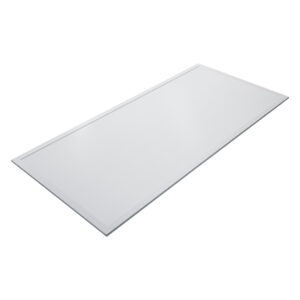
Understanding the Landscape of LED 8′ Light Fixtures
LED 8-foot light fixtures have become a staple in commercial, industrial, and institutional lighting projects. Their energy efficiency, long lifespan, and reduced maintenance costs make them an attractive choice for lighting contractors. However, despite their popularity, numerous pitfalls can arise during specification, installation, and maintenance phases that can compromise performance and client satisfaction.
For lighting contractors, a deep understanding of the technical nuances, installation challenges, and product variations is critical. This guide aims to provide a comprehensive overview of the key considerations to avoid common mistakes and deliver optimal lighting solutions.
The Shift from Fluorescent to LED
Historically, 8-foot fluorescent fixtures dominated large-scale lighting applications due to their brightness and cost-effectiveness. However, advancements in LED technology have led to a significant shift. LEDs consume up to 50-70% less energy compared to fluorescents and offer lifespans exceeding 50,000 hours, reducing replacement frequency and labor costs.
Despite these advantages, the transition is not always straightforward. Contractors must evaluate fixture compatibility, electrical infrastructure, and lighting quality to ensure successful retrofits or new installations. Additionally, understanding the color temperature and color rendering index (CRI) of LED fixtures is crucial, as these factors can greatly influence the ambiance and functionality of a space. For instance, a cooler color temperature may be more suitable for industrial environments, while warmer tones can enhance comfort in retail or hospitality settings.
Moreover, the design and layout of the lighting system must be meticulously planned. This includes determining the optimal placement of fixtures to minimize shadows and maximize illumination. The use of lighting design software can aid in visualizing how light will interact with the space, allowing for adjustments before installation. As the market continues to evolve, staying informed about the latest LED technologies, such as smart lighting systems that offer enhanced control and energy management, will also provide contractors with a competitive edge in delivering superior lighting solutions.
Key Technical Considerations for LED 8′ Light Fixtures
Understanding Lumens vs. Watts
One of the most common misconceptions is equating wattage with brightness. Watts measure energy consumption, while lumens measure the amount of light emitted. When selecting LED 8-foot fixtures, focus on lumens to meet the desired illumination levels rather than wattage alone.
For example, an LED fixture rated at 4,000 lumens may consume only 40 watts, whereas a fluorescent equivalent might consume 80 watts for similar brightness. This efficiency difference is crucial for energy savings and meeting lighting codes. Moreover, the long lifespan of LED fixtures, often exceeding 50,000 hours, means that not only are you saving on energy costs, but you are also reducing maintenance and replacement expenses over time. This makes LED lighting a smart investment for both commercial and industrial applications.
Color Temperature and Color Rendering Index (CRI)
Color temperature, measured in Kelvins (K), affects the ambiance and functionality of a space. Common options for 8-foot LED fixtures range from 3500K (warm white) to 5000K (daylight). Selecting the appropriate color temperature depends on the application—warmer tones are often preferred in hospitality settings, while cooler tones suit warehouses and offices.
CRI, which ranges from 0 to 100, indicates how accurately a light source renders colors compared to natural light. A CRI of 80 or above is generally recommended for commercial spaces to ensure color fidelity, especially where color differentiation is critical. In environments such as art galleries or retail stores, higher CRI values (90+) can significantly enhance the visual appeal of products and artworks, making them more attractive to customers. Understanding these nuances can help businesses create the desired atmosphere and improve overall customer experience.
Fixture Compatibility and Electrical Considerations
LED fixtures often require different electrical configurations than their fluorescent predecessors. Some LED 8-foot fixtures operate on line voltage (120-277V), while others require low voltage or specific drivers. It’s essential to verify compatibility with existing wiring and controls to avoid costly rework.
Additionally, contractors should be aware of the potential for electromagnetic interference and ensure that LED drivers comply with relevant standards such as FCC Part 15 to prevent disruptions to sensitive equipment. Furthermore, understanding the thermal management of LED fixtures is vital, as excessive heat can reduce the lifespan and efficiency of the lights. Proper installation, including adequate ventilation and heat sinks, can help maintain optimal performance and longevity, ensuring that the investment in LED technology pays off in the long run.
Common Installation Pitfalls and How to Avoid Them
Improper Mounting and Alignment
Due to their length and weight, 8-foot LED fixtures require secure mounting to prevent sagging or misalignment over time. Using manufacturer-approved mounting hardware and following installation guidelines is critical. Failure to do so can result in uneven lighting distribution and premature fixture damage.
Lighting contractors should also consider the fixture’s orientation and spacing to optimize light coverage and minimize shadows or glare, especially in large open areas. Additionally, it is advisable to conduct a thorough site assessment prior to installation. This includes measuring ceiling heights and considering any obstacles that may obstruct the light path. Such diligence can help in determining the ideal positioning of fixtures, ensuring that they provide maximum illumination where it is needed most, thus enhancing both functionality and aesthetics in the space.
Neglecting Thermal Management
LEDs generate heat that must be dissipated effectively to maintain performance and longevity. Unlike fluorescent tubes, LED fixtures rely on integrated heat sinks. Installing fixtures in enclosed or poorly ventilated spaces without accounting for heat buildup can lead to premature LED degradation.
Contractors should verify that the selected fixtures have adequate thermal management features for the intended environment and avoid modifications that could obstruct airflow around the fixture. Furthermore, it is beneficial to educate clients about the importance of maintaining proper ambient temperatures in the installation area. For instance, in environments that experience high ambient temperatures, such as warehouses or manufacturing facilities, additional cooling solutions may be necessary to ensure optimal performance of the LED fixtures. This proactive approach not only extends the life of the fixtures but also enhances energy efficiency, ultimately leading to cost savings over time.
Ignoring Dimming and Control Compatibility
Modern lighting projects increasingly incorporate dimming and smart controls for energy efficiency and user comfort. However, not all LED 8-foot fixtures are compatible with every dimmer or control system. Using incompatible dimmers can cause flickering, reduced lifespan, or even fixture failure.
It is essential to consult manufacturer specifications and test dimming functionality before full-scale installation. Specifying fixtures with universal dimming drivers or those compatible with popular control protocols (e.g., 0-10V, DALI) can simplify integration. Additionally, contractors should consider the end-user’s preferences and needs when selecting control systems. Features such as remote access, scheduling, and scene settings can greatly enhance user experience and operational efficiency. By engaging with clients early in the design process, contractors can tailor solutions that not only meet technical requirements but also align with the desired ambiance and functionality of the space.
Ensuring Compliance and Quality Assurance
Meeting Energy Codes and Standards
Compliance with energy codes such as ASHRAE 90.1 or local regulations is mandatory in many jurisdictions. LED 8-foot fixtures often help meet these requirements due to their efficiency, but contractors must ensure that the selected products are certified and documented accordingly.
Look for fixtures with ENERGY STAR or DLC (DesignLights Consortium) certification, which indicates verified performance and eligibility for utility rebates. Proper documentation also facilitates project approvals and client confidence.
Verifying Product Quality and Warranty
Not all LED fixtures are created equal. Variations in LED chip quality, driver reliability, and build materials can significantly impact fixture lifespan and performance. Lighting contractors should prioritize products from reputable manufacturers with transparent testing data.
Warranty terms are equally important. A robust warranty covering both LEDs and drivers for at least five years provides assurance against premature failures and reduces long-term maintenance costs.
Maintenance and Troubleshooting Best Practices
Routine Inspection and Cleaning
Although LED fixtures require less maintenance than traditional lighting, periodic inspection is necessary to ensure optimal performance. Dust accumulation on lenses or heat sinks can reduce light output and increase operating temperatures.
Contractors should recommend scheduled cleaning protocols to clients, especially in dusty or industrial environments. Using non-abrasive cleaning materials and ensuring power is off during maintenance are essential safety precautions.
Addressing Flickering and Failure Issues
Flickering LEDs often signal underlying problems such as incompatible dimmers, voltage fluctuations, or driver failures. Troubleshooting should begin with verifying electrical supply stability and control system compatibility.
If flickering persists, replacing drivers or consulting the manufacturer for technical support may be necessary. Prompt attention to these issues prevents further damage and maintains client satisfaction.
Case Studies: Lessons from the Field
Successful Retrofit in a Warehouse Setting
A lighting contractor was tasked with retrofitting an aging warehouse with LED 8-foot fixtures. By carefully assessing the existing electrical infrastructure and selecting high-CRI, 5000K fixtures with integrated motion sensors, the project achieved a 60% reduction in energy consumption and improved worker safety through enhanced visibility.
Key to success was verifying driver compatibility with the warehouse’s dimming controls and ensuring proper fixture mounting to withstand vibrations from nearby machinery.
Challenges in a School Lighting Upgrade
In a school renovation, improper fixture selection led to complaints about glare and uneven lighting. The contractor initially installed LED fixtures with a high color temperature (6000K) and low CRI, which created an uncomfortable environment for students.
After re-evaluation, switching to 3500K fixtures with a CRI above 85 and adjusting fixture spacing improved visual comfort and compliance with educational lighting standards.
Conclusion: Delivering Excellence with LED 8′ Fixtures
For lighting contractors, mastering the intricacies of LED 8-foot light fixtures is essential to delivering energy-efficient, high-quality lighting solutions. Avoiding common pitfalls—from misunderstanding technical specifications to overlooking installation details—can significantly enhance project outcomes.
By prioritizing thorough product evaluation, adherence to installation best practices, and proactive maintenance planning, contractors can ensure client satisfaction, regulatory compliance, and long-term system reliability. Staying informed about evolving technologies and standards will further empower contractors to lead successful lighting projects in diverse environments.
Get Your Premium LED 8′ Fixtures at LumenWholesale
Ready to elevate your lighting projects with the best LED 8-foot fixtures on the market? Look no further than LumenWholesale, where we provide contractors with high-quality, specification-grade lighting solutions at unbeatable wholesale prices. Our extensive selection is designed to meet the highest industry standards, ensuring you deliver excellence in every installation. Plus, with free shipping on bulk orders, you can secure premium lighting at the best value — all without hidden fees or compromises. Don’t let common pitfalls hinder your project’s success. Wholesale Lighting at the Best Value is just a click away. Experience the LumenWholesale difference today!