Understanding Decorative Flood Lights: Beyond Basic Illumination
For lighting contractors, decorative flood lights represent a specialized segment of outdoor lighting that combines functionality with aesthetic appeal. Unlike traditional flood lights designed solely for security or utility, decorative flood lights enhance architectural features, landscape elements, and outdoor spaces with style and sophistication.
These fixtures are engineered to deliver broad, even illumination while incorporating design elements such as ornate housings, color finishes, and adjustable beam angles. This dual purpose—providing both light and visual interest—makes decorative flood lights a valuable offering in residential, commercial, and hospitality projects.
Key Characteristics of Decorative Flood Lights
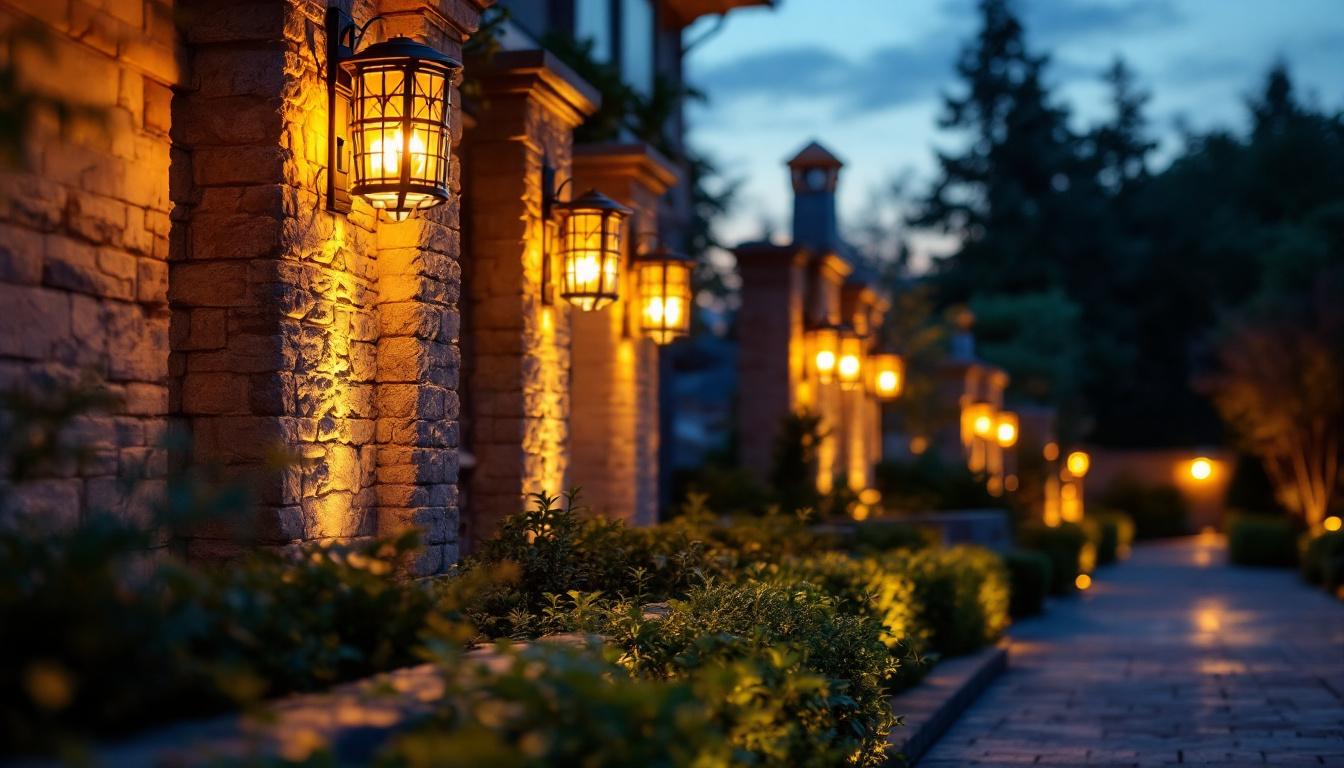
Decorative flood lights typically feature materials and finishes that complement outdoor architecture, such as bronze, copper, or powder-coated metals. Their shapes may range from traditional lantern-inspired designs to sleek, modern silhouettes. Importantly, these fixtures often include options for warm color temperatures and diffused light output to create inviting atmospheres rather than harsh glare.
In addition to their aesthetic qualities, many decorative flood lights are designed with energy efficiency in mind. Utilizing LED technology not only reduces energy consumption but also extends the lifespan of the fixtures, making them a cost-effective choice for both contractors and clients. Moreover, some models come equipped with smart technology, allowing users to control brightness levels and color settings remotely, further enhancing their versatility and appeal.
For contractors, understanding these nuances is essential when specifying products that meet client expectations for both performance and style. It is also important to consider the placement of these lights; strategic positioning can highlight key features of a property, such as garden pathways, water features, or architectural details, creating a cohesive outdoor ambiance that invites enjoyment and exploration after sunset.
Technical Considerations for Installation and Specification
Light Output and Beam Spread
Decorative flood lights generally offer a wide beam angle, often between 60 to 120 degrees, to cover expansive areas such as patios, garden beds, or building facades. The lumen output can vary significantly depending on the fixture size and LED technology, typically ranging from 800 to 3000 lumens.
Contractors should assess the project’s lighting requirements carefully, balancing brightness with the desired ambiance. For example, a softer glow with lower lumens may be preferable in residential settings, while higher output might be necessary for commercial spaces. It’s also important to consider the layering of light; combining flood lights with accent and task lighting can create a more dynamic and visually appealing environment. This approach not only enhances the aesthetic appeal but also improves safety and functionality in outdoor spaces.
Color Temperature and CRI
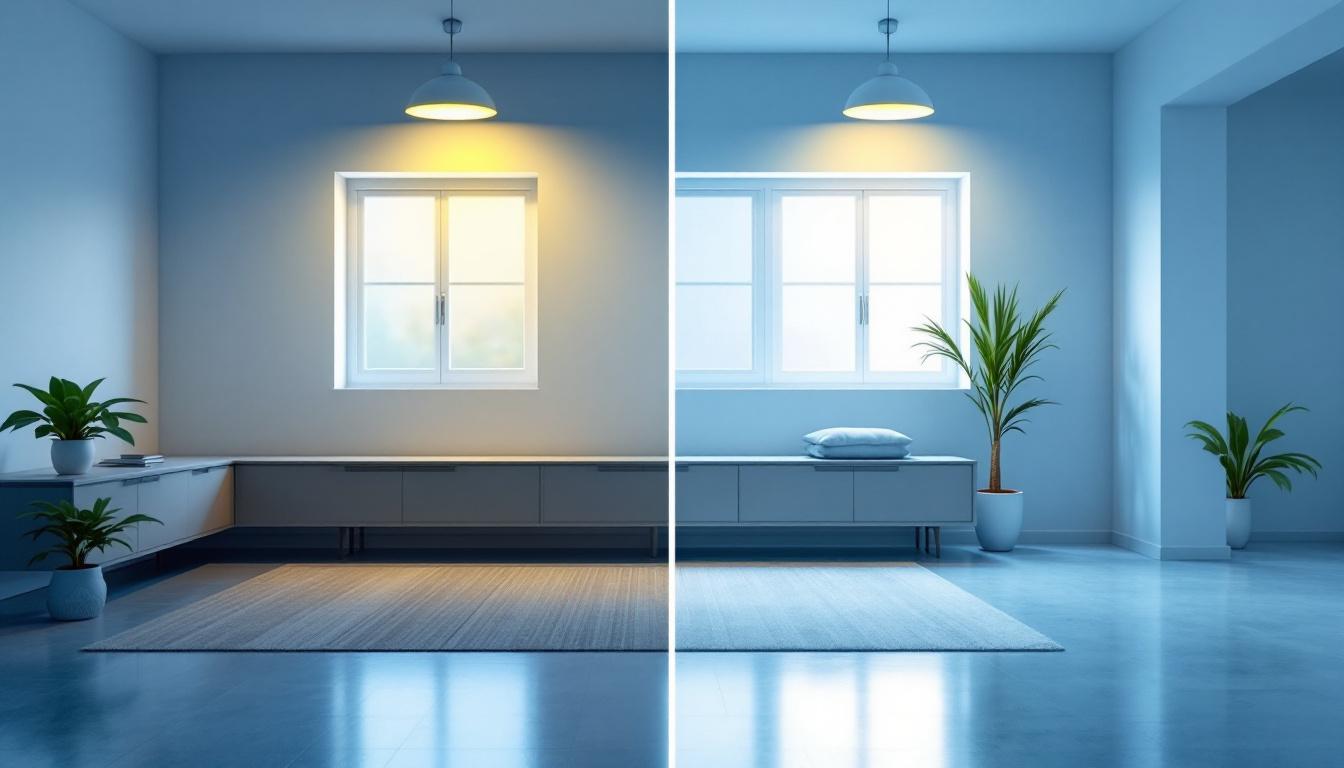
Color temperature plays a critical role in how decorative flood lights influence the mood of an environment. Warm white LEDs (2700K to 3000K) are favored for their cozy, inviting quality, whereas cooler temperatures (4000K to 5000K) provide a more neutral or daylight effect.
Additionally, a high Color Rendering Index (CRI) of 80 or above ensures that colors appear natural and vibrant under the light, which is particularly important when highlighting landscaping or architectural details. The choice of color temperature can also affect how spaces are perceived; for instance, warmer tones can make outdoor dining areas feel more intimate, while cooler tones can enhance the visibility and security of pathways and entrances. Understanding the psychological effects of color temperature can help contractors make informed decisions that align with their clients’ preferences and the intended use of the space.
Durability and Weather Resistance
Outdoor lighting fixtures must withstand various environmental conditions. Decorative flood lights often come with IP65 or higher ratings, indicating protection against dust and water jets. Materials should resist corrosion, fading, and UV damage to maintain appearance and functionality over time.
For contractors, verifying these specifications helps ensure long-lasting installations that reduce maintenance calls and enhance client satisfaction. Furthermore, selecting fixtures with robust warranties can provide additional peace of mind, as it reflects the manufacturer’s confidence in their product’s durability. It is also advisable to consider the installation location; for instance, areas exposed to saltwater or heavy rainfall may require even more resilient materials, such as marine-grade stainless steel or specially coated aluminum, to prevent premature deterioration and ensure the longevity of the lighting system.
Energy Efficiency and Control Options
LED Technology and Power Consumption
The widespread adoption of LED technology has revolutionized decorative flood lighting. LEDs offer significant energy savings compared to halogen or incandescent alternatives, often consuming 70-80% less power while delivering equal or superior light output. This remarkable efficiency not only reduces electricity bills but also contributes to a smaller carbon footprint, making LED lights a cornerstone of sustainable design.
For contractors advising clients on sustainable solutions, specifying LED-based decorative flood lights aligns with both environmental goals and operational cost reductions. Additionally, the longevity of LED fixtures—often rated for 25,000 to 50,000 hours—means less frequent replacements, which can further minimize waste and maintenance costs. This durability is particularly advantageous in hard-to-reach installations, where changing bulbs can be labor-intensive and costly. As a result, the initial investment in LED technology can yield substantial long-term savings, making it a wise choice for both residential and commercial applications.
Smart Controls and Automation
Modern decorative flood lights increasingly incorporate smart control capabilities, including dimming, scheduling, and remote operation via apps or integrated building management systems. These features enable customized lighting scenes and energy management tailored to user needs. For instance, homeowners can program their outdoor lighting to automatically adjust based on sunset times, enhancing security while conserving energy when the lights are not needed.
Installing fixtures compatible with control protocols such as DALI, Zigbee, or DMX can add value to projects, especially in commercial or hospitality settings where dynamic lighting enhances guest experiences. These systems allow for intricate lighting designs that can change in real-time, creating moods that align with events or seasons. Furthermore, the integration of sensors—such as motion detectors or ambient light sensors—can optimize energy use even further by ensuring that lights are only activated when necessary. This level of automation not only improves the functionality of decorative flood lights but also elevates the overall aesthetic appeal of the space, making it more inviting and engaging for visitors.
Design Integration and Aesthetic Impact
Complementing Architectural Styles
Decorative flood lights should harmonize with the architectural language of the building or landscape. For instance, lantern-style fixtures suit traditional or historic properties, while minimalist designs complement contemporary aesthetics. The choice of materials is equally important; for example, wrought iron or bronze finishes can enhance the vintage appeal of older structures, while sleek aluminum or stainless steel can add a modern touch to newer builds.
Contractors must collaborate with designers and architects to select fixtures that reinforce the overall design vision, ensuring that lighting contributes positively to curb appeal and outdoor ambiance. This collaboration often involves careful consideration of the color temperature of the lights as well, as warmer tones can create a welcoming atmosphere for residential properties, while cooler tones might be more appropriate for commercial spaces, enhancing a sense of professionalism and clarity.
Highlighting Key Features
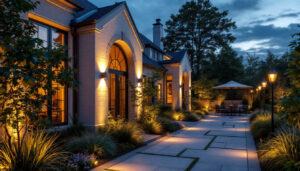
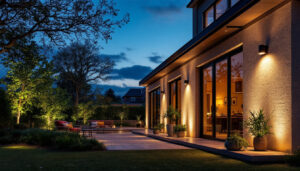
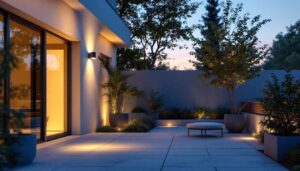
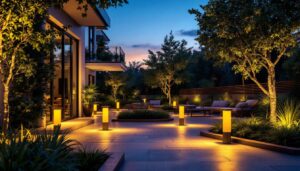
Strategic placement of decorative flood lights can accentuate focal points such as entryways, statues, water features, or textured walls. The quality and direction of light influence how these elements are perceived after dark, adding depth and drama. For example, uplighting can create striking silhouettes against a building’s facade, while downlighting can provide a soft wash of light that enhances the natural textures of stone or wood.
Understanding photometrics and fixture positioning helps contractors achieve balanced illumination without unwanted shadows or glare. Additionally, incorporating dimmers or smart lighting controls allows for flexibility in ambiance, enabling property owners to adjust the lighting according to different occasions or preferences. This adaptability not only enhances the aesthetic appeal but also contributes to energy efficiency, making it a practical choice for modern design considerations.
Compliance, Safety, and Maintenance
Adhering to Electrical Codes and Standards
Lighting contractors must ensure that decorative flood light installations comply with local electrical codes and safety standards. This includes proper grounding, waterproof connectors, and adherence to voltage and wattage limits. Every jurisdiction may have its own specific regulations, so it is crucial for contractors to stay informed about any changes or updates to these codes. Engaging with local authorities and participating in training sessions can provide valuable insights into best practices and compliance requirements.
Compliance not only guarantees safety but also protects contractors from liability and project delays. Furthermore, adhering to these standards can enhance the overall quality of the installation, ensuring that the lighting performs optimally and meets the aesthetic expectations of the client. In many cases, clients may also seek certifications or documentation proving that their installations meet industry standards, which can further solidify the contractor’s reputation for professionalism and reliability.
Maintenance Best Practices
Though LED decorative flood lights require less maintenance than traditional fixtures, periodic inspections are recommended to check for dirt accumulation, fixture alignment, and electrical integrity. Cleaning lenses and housings preserves light quality and fixture longevity. Additionally, it is wise to inspect the surrounding landscape for any overgrowth that might obstruct the light’s path, as well as to ensure that any nearby structures have not shifted in a way that could cast unwanted shadows.
Providing clients with maintenance guidelines can enhance long-term satisfaction and reduce service calls. These guidelines can include tips on how to clean the fixtures safely, recommended schedules for inspections, and advice on seasonal adjustments to optimize lighting performance throughout the year. By empowering clients with knowledge, contractors not only foster a sense of ownership over their installations but also build trust and encourage repeat business, as satisfied clients are more likely to refer others to the contractor’s services.
Conclusion: Elevating Outdoor Spaces with Decorative Flood Lights
For lighting contractors, decorative flood lights offer an opportunity to blend technical expertise with creative design. By understanding their unique characteristics, installation requirements, and aesthetic potential, contractors can deliver lighting solutions that enhance safety, beauty, and energy efficiency.
Staying informed about the latest LED technologies, control systems, and materials ensures that contractors remain competitive and capable of meeting diverse client needs in the evolving landscape of outdoor lighting.
Get Your Premium Decorative Flood Lights at LumenWholesale
Ready to elevate your lighting projects with the finest decorative flood lights on the market? Look no further than LumenWholesale. We provide lighting contractors with high-quality, specification-grade lighting solutions at the most competitive wholesale prices. By eliminating the middleman, we ensure you don’t pay extra for superior products. Our extensive catalog meets rigorous industry standards, so you can trust the performance and reliability of every fixture you install. Plus, with free shipping on bulk orders, you can stock up on premium lighting without worrying about hidden costs or complications. Make the smart choice for your business and visit LumenWholesale today to experience the ultimate in quality, value, and convenience.