Understanding the Fundamentals of Ceiling Room Lighting
Ceiling lighting plays a pivotal role in shaping the ambiance, functionality, and aesthetic appeal of any room. For lighting contractors, mastering the fundamentals of ceiling lighting is essential to delivering solutions that meet both client expectations and technical standards. This involves a deep understanding of light distribution, fixture types, and the interplay between natural and artificial light sources.
One of the core principles is ensuring even illumination while avoiding glare and shadows. This balance enhances comfort and usability, whether the space is residential, commercial, or industrial. Contractors must also consider ceiling height, room size, and wall colors, as these factors influence how light behaves within a space.
The Importance of Layered Lighting
Layered lighting is a concept that integrates ambient, task, and accent lighting to create a versatile and dynamic environment. Ceiling lighting often serves as the primary source of ambient light, providing general illumination. However, relying solely on ceiling fixtures can result in flat or insufficient lighting.
Expert contractors recommend combining ceiling lights with wall sconces, floor lamps, or under-cabinet lights to add depth and functionality. For example, in a kitchen, recessed ceiling lights can provide broad illumination, while pendant lights over an island offer task lighting. This layered approach not only improves visibility but also enhances the room’s character.
Choosing the Right Ceiling Lighting Fixtures
Selecting the appropriate ceiling lighting fixtures is a critical decision that impacts both the performance and design of a room. Contractors must evaluate fixture types based on the room’s purpose, ceiling configuration, and client preferences.
Recessed Lighting: Versatility and Modern Appeal
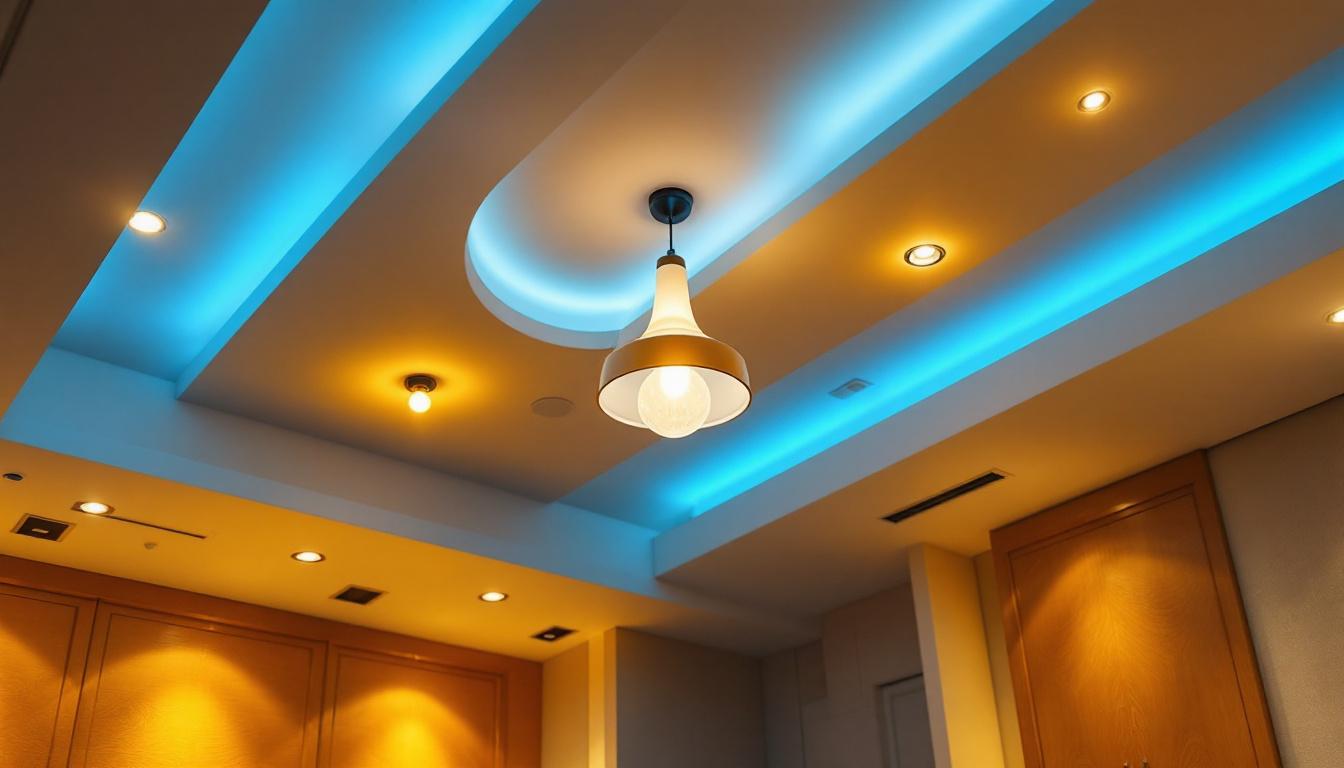
Recessed lighting, also known as can or pot lights, is a popular choice for its sleek, unobtrusive design. These fixtures are installed flush with the ceiling, offering a clean look that complements modern interiors. They are highly versatile, suitable for ambient, task, or accent lighting depending on placement and bulb selection.
Lighting contractors appreciate recessed lights for their ability to provide uniform illumination without occupying visual space. However, careful planning is necessary to avoid uneven light distribution or excessive glare. Using adjustable trims and dimmable LED bulbs can enhance control and energy efficiency.
Chandeliers and Pendant Lights: Statement Pieces with Function
For spaces that demand a focal point, chandeliers and pendant lights offer both illumination and aesthetic impact. These fixtures are often used in dining rooms, foyers, or living areas where style is paramount. The challenge for contractors lies in balancing size, height, and light output to suit the room’s scale and function.
Expert advice includes selecting fixtures with adjustable cords or chains to accommodate various ceiling heights. Additionally, integrating dimmers allows clients to tailor lighting intensity for different occasions, enhancing both mood and utility.
Flush and Semi-Flush Mount Fixtures: Practical Solutions
Flush and semi-flush mount fixtures are ideal for rooms with lower ceilings or where a more subtle lighting solution is preferred. These fixtures sit close to the ceiling, providing ample ambient light without overwhelming the space.
Contractors often recommend these options for bedrooms, hallways, or bathrooms. Advances in LED technology have expanded design possibilities, offering sleek, energy-efficient fixtures that blend seamlessly with diverse interior styles.
Technical Considerations for Ceiling Lighting Installation
Beyond aesthetics, lighting contractors must navigate a range of technical factors to ensure safe, efficient, and code-compliant installations. These considerations are crucial for optimizing system performance and client satisfaction.
Electrical Load and Circuit Planning
Proper electrical load calculation is fundamental to prevent circuit overloads and potential hazards. Contractors should assess the total wattage of all fixtures on a circuit and verify compatibility with existing wiring and breakers. This is particularly important when retrofitting older buildings or upgrading to LED systems, which may alter load characteristics.
Additionally, planning circuits to separate lighting zones enhances control and energy management. For example, dividing a large living room into multiple lighting circuits allows users to activate only the necessary fixtures, reducing energy consumption.
Compliance with Building Codes and Standards
Adherence to local building codes and lighting standards is non-negotiable. These regulations govern fixture placement, wiring methods, and safety measures such as grounding and surge protection. Contractors must stay informed about updates to codes like the National Electrical Code (NEC) and guidelines from organizations such as the Illuminating Engineering Society (IES).
Ensuring compliance not only guarantees safety but also protects contractors from liability and project delays. Incorporating code requirements early in the design phase streamlines installation and inspection processes.
Integration with Smart Lighting Systems
The rise of smart home technologies has transformed ceiling lighting design and installation. Lighting contractors are increasingly called upon to integrate fixtures with automated controls, voice assistants, and energy management systems.
Expertise in compatible hardware, communication protocols (such as Zigbee or Z-Wave), and user interface design is essential. Smart ceiling lighting can offer features like adjustable color temperature, scene setting, and occupancy sensing, enhancing both convenience and energy efficiency.
Energy Efficiency and Sustainability in Ceiling Lighting
Energy efficiency is a top priority for modern lighting contractors and their clients. Ceiling lighting systems can significantly impact a building’s overall energy consumption, making sustainable choices both environmentally responsible and cost-effective.
LED Technology: The Industry Standard
LED lighting has revolutionized ceiling lighting with its superior energy efficiency, longevity, and versatility. Compared to traditional incandescent or fluorescent bulbs, LEDs consume a fraction of the energy and require less maintenance. This translates into lower operating costs and reduced environmental impact.
Contractors should prioritize LED fixtures and bulbs that meet ENERGY STAR or equivalent certifications. Additionally, selecting LEDs with appropriate color rendering index (CRI) values ensures that colors appear natural and vibrant, which is especially important in retail or hospitality settings.
Daylight Harvesting and Controls
Incorporating daylight harvesting techniques can further enhance energy savings. This involves using sensors to adjust artificial lighting based on natural light availability. Ceiling lighting systems equipped with photosensors or integrated with building automation can dim or switch off lights during daylight hours, reducing unnecessary energy use.
Lighting contractors should collaborate with architects and engineers to optimize fixture placement and sensor calibration. This holistic approach maximizes both comfort and efficiency.
Material and Fixture Sustainability
Beyond energy consumption, the sustainability of lighting fixtures themselves is gaining attention. Contractors can advocate for products made from recycled or recyclable materials and those designed for easy disassembly and repair. This supports circular economy principles and reduces waste in construction projects.
Choosing fixtures with long lifespans and robust warranties also contributes to sustainability by minimizing replacement frequency and associated resource use.
Trends and Innovations Shaping Ceiling Room Lighting
The lighting industry is dynamic, with continuous advancements influencing how contractors approach ceiling lighting design and installation. Staying abreast of trends ensures that professionals can offer cutting-edge solutions that satisfy evolving client demands.
Human-Centric Lighting
Human-centric lighting (HCL) focuses on aligning artificial light with human circadian rhythms to promote health and well-being. Ceiling lighting systems that adjust color temperature and intensity throughout the day can enhance mood, productivity, and sleep quality.
Contractors implementing HCL solutions must understand the science behind circadian lighting and select fixtures capable of dynamic tuning. This approach is gaining traction in offices, healthcare facilities, and educational environments.
Minimalist and Integrated Designs
Contemporary interior design trends favor minimalist aesthetics, prompting a shift toward integrated ceiling lighting solutions. Fixtures that blend seamlessly into architectural elements or double as design features are increasingly popular.
Examples include linear LED profiles recessed into ceiling coves or backlit panels that provide diffuse, shadow-free illumination. These designs require precise installation techniques and coordination with other trades, underscoring the need for skilled contractors.
Wireless and Battery-Powered Ceiling Lights
Wireless ceiling lighting options, including battery-powered and solar-charged fixtures, offer flexibility in installation and retrofit scenarios. These solutions eliminate the need for extensive wiring, reducing labor costs and disruption.
While not suitable for all applications, wireless ceiling lights are ideal for temporary setups, historic buildings, or spaces where access to electrical infrastructure is limited. Contractors should evaluate battery life, charging methods, and control options to ensure reliability and client satisfaction.
Best Practices for Lighting Contractors
Successfully executing ceiling lighting projects requires a blend of technical expertise, design sensibility, and client communication skills. The following best practices can help contractors deliver superior results consistently.
Comprehensive Site Assessment
Before specifying fixtures or planning installation, conducting a thorough site assessment is crucial. This includes measuring room dimensions, ceiling height, existing electrical infrastructure, and natural light sources. Understanding the client’s lifestyle or business activities informs fixture selection and lighting layout.
Clear Client Communication and Education
Clients often have limited knowledge of lighting technologies and terminology. Contractors who take the time to explain options, benefits, and potential limitations build trust and facilitate informed decision-making. Visual aids such as mockups, lighting simulations, or sample fixtures can enhance understanding.
Meticulous Installation and Quality Control
Precision during installation ensures optimal fixture performance and longevity. Contractors should follow manufacturer guidelines, use appropriate mounting hardware, and verify electrical connections. Post-installation testing, including light level measurements and control functionality checks, confirms that the system meets design specifications.
Ongoing Maintenance and Support
Offering maintenance services or guidance on fixture care can extend system life and client satisfaction. This might include periodic cleaning, bulb replacement recommendations, or troubleshooting smart system issues. Establishing a relationship beyond project completion can lead to repeat business and referrals.
Conclusion
Ceiling room lighting is a complex and rewarding aspect of lighting contracting that demands a comprehensive understanding of design principles, technical requirements, and emerging trends. By prioritizing energy efficiency, compliance, and client collaboration, contractors can create lighting solutions that enhance spaces both functionally and aesthetically.
Staying informed about innovations such as human-centric lighting and smart controls positions contractors as trusted experts in a competitive market. Ultimately, the ability to blend artistry with engineering defines excellence in ceiling lighting installation and design.
Illuminate Your Projects with LumenWholesale
Ready to elevate your ceiling room lighting projects with the finest selection of spec-grade lighting products? Look no further than LumenWholesale, where we offer an unparalleled combination of quality, affordability, and convenience. Our extensive collection is designed to meet the highest industry standards, ensuring that every installation shines with reliability and performance. Say goodbye to inflated markups and hello to unbeatable wholesale prices, complete with the ease of bulk buying and free shipping. Don’t compromise on your lighting needs—choose LumenWholesale for premium lighting at the best value. Explore our offerings and start transforming your spaces today at Wholesale Lighting at the Best Value.