Why Track Lighting Is a Game-Changer for Closet Spaces
Closets are no longer just dark, cramped spaces where clothes and accessories get tossed in. Today’s homeowners expect closets to be well-lit, functional, and even stylish. Track lighting offers a versatile and efficient solution that meets these demands. For lighting contractors, understanding the nuances of installing track lighting in closets can elevate the quality of the project and client satisfaction.
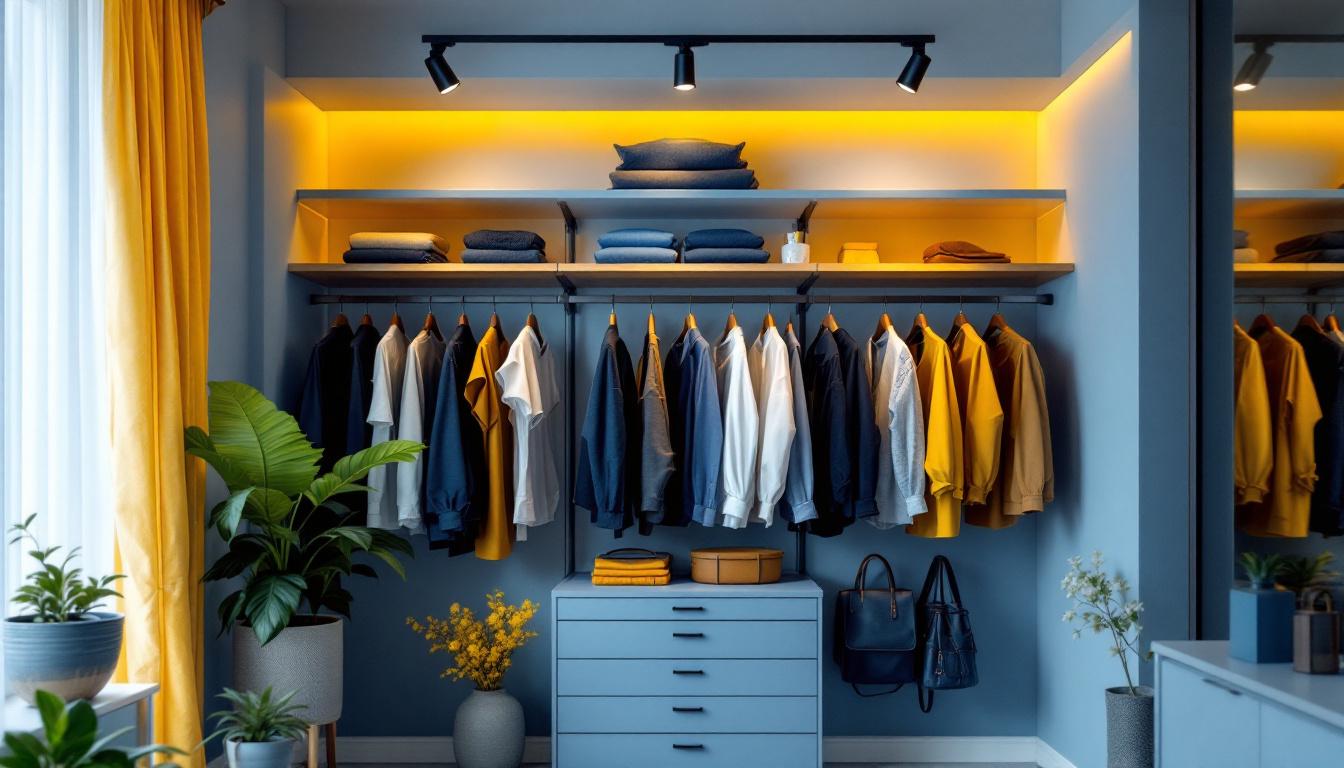
Track lighting provides focused illumination that can be adjusted to highlight specific areas, such as shelves, hanging rods, or shoe racks. Unlike traditional ceiling fixtures, track lighting is flexible. The heads can be repositioned along the track, allowing for customized lighting layouts that adapt to changing storage needs. This adaptability is especially valuable in closets, where the arrangement of items often shifts.
Moreover, track lighting can enhance the overall aesthetic of a closet space. With a variety of styles and finishes available, homeowners can choose fixtures that complement their décor, whether it be modern, rustic, or minimalist. Sleek metallic finishes can add a contemporary touch, while warm, matte options can create a cozy, inviting atmosphere. Additionally, the ability to install dimmable track lighting allows for mood adjustments, making the closet not just a functional space but also a pleasant one to spend time in.
Another significant advantage of track lighting is its energy efficiency. Many track lighting systems now utilize LED bulbs, which consume less power and have a longer lifespan compared to traditional incandescent bulbs. This not only reduces energy bills but also minimizes the frequency of bulb replacements, making it a practical choice for busy households. Furthermore, the targeted nature of track lighting means that light is directed where it’s needed most, reducing wasted illumination in areas that don’t require it. This efficiency is particularly beneficial in larger closets where lighting can often be a challenge.
Choosing the Right Track Lighting System for Closets
Types of Track Lighting Systems
There are primarily three types of track lighting systems: H, J, and L. Each has its own track design and compatibility with different fixtures and transformers. For closet installations, the choice often depends on the size of the space, the desired brightness, and the electrical setup.
H-type tracks are the most robust and can handle higher wattage fixtures, making them suitable for larger closets or walk-ins that require more illumination. J-type tracks are slimmer and often used in residential settings where a sleek profile is preferred. L-type tracks are less common but offer a good balance between size and power capacity. When selecting a track system, it’s also essential to consider the layout of the closet; for instance, a U-shaped closet may benefit from a combination of H and J tracks to maximize light coverage across all areas.
Fixture Styles and Beam Angles
Track lighting fixtures come in a variety of styles, from minimalist cylinders to more decorative options. When working in closets, the focus should be on functionality. Adjustable heads with narrow beam angles (15° to 30°) are ideal for spotlighting specific areas like shelves or hanging clothes. Wider beams (around 40°) can provide more general illumination.
LED fixtures are the preferred choice due to their energy efficiency, low heat emission, and long lifespan. They also offer excellent color rendering, which is crucial in closets where accurate color perception helps clients select outfits. Additionally, many LED fixtures now come with adjustable color temperatures, allowing users to switch between warm and cool light settings. This feature can be particularly beneficial for those who want to see how their clothing looks in different lighting conditions, ensuring that they make the best choices for their wardrobe. Furthermore, incorporating dimmable options can enhance the versatility of the lighting, enabling users to create a cozy atmosphere or bright, functional light depending on their needs at any given moment.
Planning and Installation Considerations
Assessing the Closet Layout
Before installation, a thorough assessment of the closet layout is essential. Measure the dimensions carefully and note the locations of shelves, rods, and any architectural features that might affect lighting placement. Consider the height of the ceiling; low ceilings might require low-profile tracks or recessed options. Additionally, take into account the type of clothing and items stored in the closet. For example, if the closet is primarily used for hanging garments, ensure that the lighting is positioned to minimize shadows on the clothing, allowing for easy visibility and selection.
Plan the lighting zones to ensure even coverage. For example, a walk-in closet might benefit from multiple tracks or sections of track lighting to cover different areas effectively. In smaller reach-in closets, a single track with adjustable heads might suffice. Furthermore, consider incorporating motion-sensor lighting that activates when the closet door opens, providing instant illumination and enhancing energy efficiency. This thoughtful approach not only improves functionality but also adds a touch of modern convenience to the space.
Electrical Requirements and Safety
Closet lighting must comply with electrical codes and safety standards. Ensure the circuit can handle the load of the track lighting system, especially if integrating multiple fixtures. Use dimmable LED drivers if the client desires adjustable brightness levels. It’s also wise to consult with a licensed electrician to verify that the existing wiring is up to code and can support the additional lighting without overloading the system. This step is crucial for preventing potential hazards and ensuring long-term reliability.
Pay attention to heat dissipation. Although LEDs generate less heat than incandescent bulbs, confined spaces like closets can still accumulate warmth. Proper ventilation or fixtures with heat sinks can mitigate this issue. Additionally, consider using fixtures that are rated for enclosed spaces to further enhance safety and performance. By selecting the right components and adhering to safety guidelines, you can create a well-lit, inviting closet that not only meets aesthetic demands but also prioritizes user safety and comfort.
Maximizing Functionality and Aesthetics
Layered Lighting Approach
Track lighting can serve as both ambient and task lighting in a closet. To enhance functionality, consider combining track lighting with other types of fixtures, such as LED strip lights under shelves or motion-activated puck lights inside cabinets. This layered approach ensures that all areas are well-lit and accessible. The versatility of track lighting allows for adjustable heads that can be directed to highlight specific areas, making it easier to locate items quickly, especially in larger closets where shadows can obscure visibility.
For contractors, recommending a mix of lighting types showcases expertise and adds value to the project. Clients appreciate closets that are not only bright but also visually appealing. Additionally, integrating dimmable options into the lighting design can provide flexibility, allowing users to adjust the brightness according to their needs—whether it’s for a quick outfit check or a more detailed examination of accessories. This adaptability can significantly enhance the overall experience of using the closet space.
Color Temperature and CRI
Choosing the right color temperature is critical. Warm white (2700K to 3000K) creates a cozy atmosphere but may distort colors. Neutral white (3500K to 4100K) strikes a balance and is often preferred in closets for accurate color rendering without harshness. The choice of color temperature can also influence the mood of the space; cooler temperatures can create a more energizing environment, which might be beneficial for morning routines, while warmer tones can provide a relaxing ambiance for evening preparations.
Color Rendering Index (CRI) above 80 is recommended to ensure colors appear natural. High CRI LED fixtures help clients distinguish between similar shades, which is particularly important for clothing and accessories. Furthermore, understanding the interplay between color temperature and CRI can aid in selecting the best lighting solutions. For instance, a high CRI combined with a neutral color temperature can enhance the true colors of fabrics, making it easier for individuals to coordinate outfits effectively. This attention to detail not only elevates the functionality of the closet but also enhances the overall aesthetic appeal, making the space feel more curated and intentional.
Common Challenges and How to Overcome Them
Limited Space and Mounting Options
Closets often have limited ceiling space or unusual shapes, making fixture placement tricky. Surface-mounted tracks are a practical solution when recessed installation isn’t feasible. Flexible track sections can be bent or shaped to fit corners and irregular layouts.
In tight spaces, low-profile fixtures reduce visual clutter and prevent accidental bumps. Using slim, adjustable heads keeps the lighting unobtrusive yet effective.
Glare and Shadows
Improperly aimed track heads can cause glare or cast unwanted shadows, reducing the effectiveness of the lighting. To avoid this, aim fixtures carefully during installation and test the lighting with the closet fully stocked.
Using diffusers or frosted lenses can soften harsh light. Additionally, positioning multiple adjustable heads to cover overlapping zones helps minimize shadows.
Maintenance Tips for Long-Term Performance
Track lighting in closets requires minimal maintenance but regular checks ensure optimal performance. Dust accumulation can reduce light output, so cleaning fixtures periodically is important. Use a soft cloth and avoid harsh chemicals that could damage finishes.
LED fixtures have long lifespans but may eventually need replacement. Designing the track layout for easy access to heads and drivers simplifies maintenance tasks. Keeping a record of fixture models and specifications aids in sourcing replacements quickly.
Final Thoughts for Lighting Contractors
Closet lighting is a niche that demands attention to detail and a solid understanding of both electrical and design principles. Track lighting stands out as a flexible, efficient, and stylish option that can transform closet spaces from dark and frustrating to bright and inviting.
By selecting the right system, planning carefully, and addressing common challenges proactively, contractors can deliver high-quality installations that impress clients and enhance everyday living. Track lighting isn’t just about illumination; it’s about creating a functional environment that supports organization, aesthetics, and convenience.
Illuminate Your Projects with LumenWholesale
Ready to elevate your lighting installations with the flexibility and style of track lighting? At LumenWholesale, we provide lighting contractors with the finest spec-grade lighting products at prices that can’t be beaten. Our extensive selection is designed to meet the highest industry standards, ensuring that your closet lighting projects shine with reliability and performance. Say goodbye to middleman markups and hello to hassle-free bulk buying with free shipping. Choose LumenWholesale for premium lighting solutions that combine quality, affordability, and convenience. Discover the best value in wholesale lighting for your next project by visiting Wholesale Lighting at the Best Value.