Understanding the Client’s Vision and Space Requirements
Lighting professionals know that every successful project begins with a clear grasp of the client’s needs. It’s not just about picking fixtures or bulbs; it’s about understanding how lighting will enhance the space’s function and ambiance. A thorough consultation helps uncover the client’s preferences, lifestyle, and the atmosphere they want to create.
Before any product selection, measure the space carefully. Dimensions, ceiling height, natural light sources, and existing architectural features all influence lighting choices. For example, a room with large windows may require less artificial light during the day but more focused task lighting for evenings. Knowing these details upfront prevents costly mistakes and ensures the lighting plan complements the environment perfectly.
Consider the purpose of each room. A kitchen demands bright, shadow-free lighting for food preparation, while a living room benefits from layered lighting that creates warmth and flexibility. Understanding these nuances allows professionals to tailor solutions that meet both practical needs and aesthetic goals.
Furthermore, it’s essential to engage with the client about their emotional response to light. Different colors and intensities can evoke various feelings; for instance, soft, warm lighting can create a cozy atmosphere, while cooler, brighter lights may be more energizing and stimulating. Discussing these emotional aspects can help refine the lighting design to align with the client’s vision, ensuring that the space not only functions well but also feels right. Additionally, exploring the integration of smart lighting technology can offer clients greater control over their environment, allowing them to adjust brightness and color temperature according to their mood or activity, further enhancing the overall experience.
Another crucial factor is the sustainability of the lighting solutions proposed. Clients today are increasingly conscious of their environmental footprint, so incorporating energy-efficient options like LED fixtures or solar-powered lights can be a significant selling point. Educating clients about the long-term benefits of these choices, including reduced energy bills and lower maintenance costs, can lead to more informed decisions. Moreover, discussing the potential for using lighting to highlight eco-friendly materials or design elements within the space can create a cohesive and responsible design narrative that resonates with the client’s values.
Choosing the Right Fixtures and Bulbs
Fixture Types and Their Impact
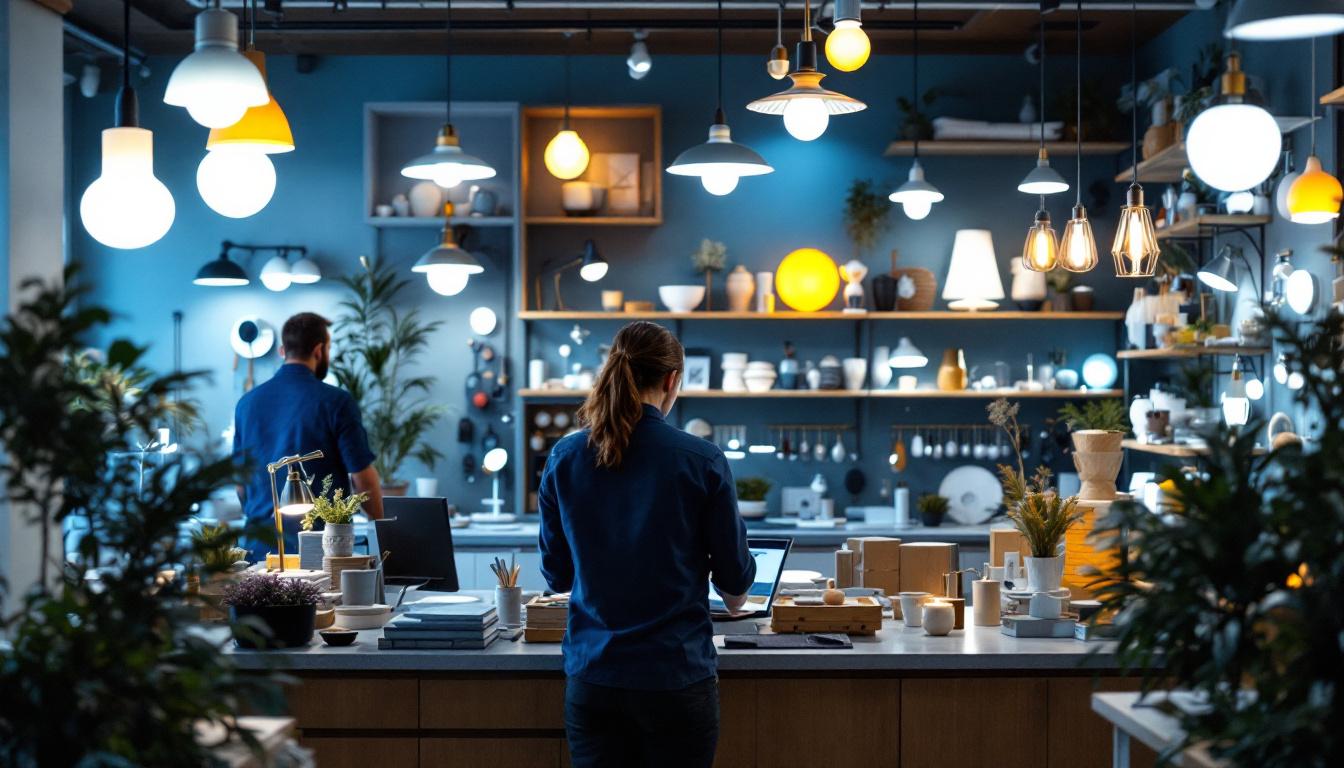
Lighting fixtures do more than hold bulbs; they shape the character of a room. Recessed lights provide clean, unobtrusive illumination, ideal for modern interiors. Chandeliers and pendant lights add drama and focal points, perfect for dining rooms or entryways. Wall sconces offer accent lighting and can highlight architectural details or artwork. In addition to these, floor and table lamps can create layers of light, allowing for versatility in mood and function. A strategically placed floor lamp can not only brighten a reading nook but also serve as a stylish accessory that complements your decor.
When selecting fixtures, consider scale and proportion. Oversized fixtures can overwhelm a small room, while too-small options may look out of place in a large space. Material and finish also matter—brushed nickel, matte black, or antique brass can dramatically alter the style and mood. Furthermore, the design of the fixture can influence the overall aesthetic; for instance, sleek, minimalist designs promote a contemporary feel, while ornate, vintage styles can evoke a sense of nostalgia and warmth. Don’t forget to evaluate the fixture’s functionality; dimmable options can provide flexibility, allowing you to adjust the ambiance according to the time of day or occasion.
Bulb Selection: Efficiency Meets Quality
LED bulbs have become the standard for interior lighting due to their energy efficiency and longevity. However, not all LEDs are created equal. Pay close attention to color temperature, measured in Kelvins (K). Warm white (2700K–3000K) creates a cozy atmosphere, while cooler temperatures (3500K–4100K) work well for task lighting and areas requiring alertness. Additionally, smart bulbs now offer customizable color temperatures and brightness levels, allowing you to change the mood of a room with just a tap on your smartphone or through voice commands. This technology can be particularly useful for creating different ambiances for entertaining, relaxing, or working.
Color rendering index (CRI) is another critical factor. A high CRI (above 80) ensures colors appear natural and vibrant under artificial light. This is especially important in spaces like kitchens, retail stores, and galleries where accurate color perception is essential. Moreover, consider the bulb’s lumen output, which indicates brightness. A higher lumen count is necessary for spaces where tasks are performed, such as home offices or workshops, while lower lumens can create a softer, more inviting atmosphere in living areas or bedrooms. Balancing these elements will lead to a well-lit environment that enhances both functionality and aesthetic appeal.
Essential Tools and Equipment for Lighting Professionals
Measuring and Layout Tools
Accurate measurements are the backbone of any lighting installation. Laser distance meters provide quick and precise readings, saving time compared to traditional tape measures. A reliable level ensures fixtures are installed straight, which is crucial for aesthetics and function.
Lighting professionals also benefit from layout software or apps that allow virtual placement of fixtures. These tools help visualize how light will distribute across a room, identify potential shadows, and plan wiring routes efficiently. Additionally, some advanced software includes features for calculating energy efficiency and light output, enabling professionals to make informed decisions that balance aesthetics with sustainability. By simulating various lighting scenarios, these applications can also aid in client presentations, showcasing the potential of a space before any physical work begins.
Installation and Safety Gear
Proper installation requires a range of hand tools: wire strippers, pliers, screwdrivers, and voltage testers. A good-quality multimeter is indispensable for checking electrical circuits and ensuring safety.
Safety gear cannot be overlooked. Insulated gloves, safety glasses, and sturdy ladders or scaffolding protect professionals during installation. Adhering to electrical codes and standards is non-negotiable to prevent hazards and ensure compliance. Furthermore, having a first aid kit readily available on-site is a wise precaution, as it prepares professionals for any minor injuries that may occur during installation. Training in first aid and CPR can also be invaluable, ensuring that the team is equipped to handle emergencies quickly and effectively. The importance of maintaining a clean and organized workspace cannot be overstated, as it reduces the risk of accidents and helps ensure that all tools and materials are easily accessible when needed.
Mastering Lighting Design Principles
Layered Lighting: Combining Ambient, Task, and Accent
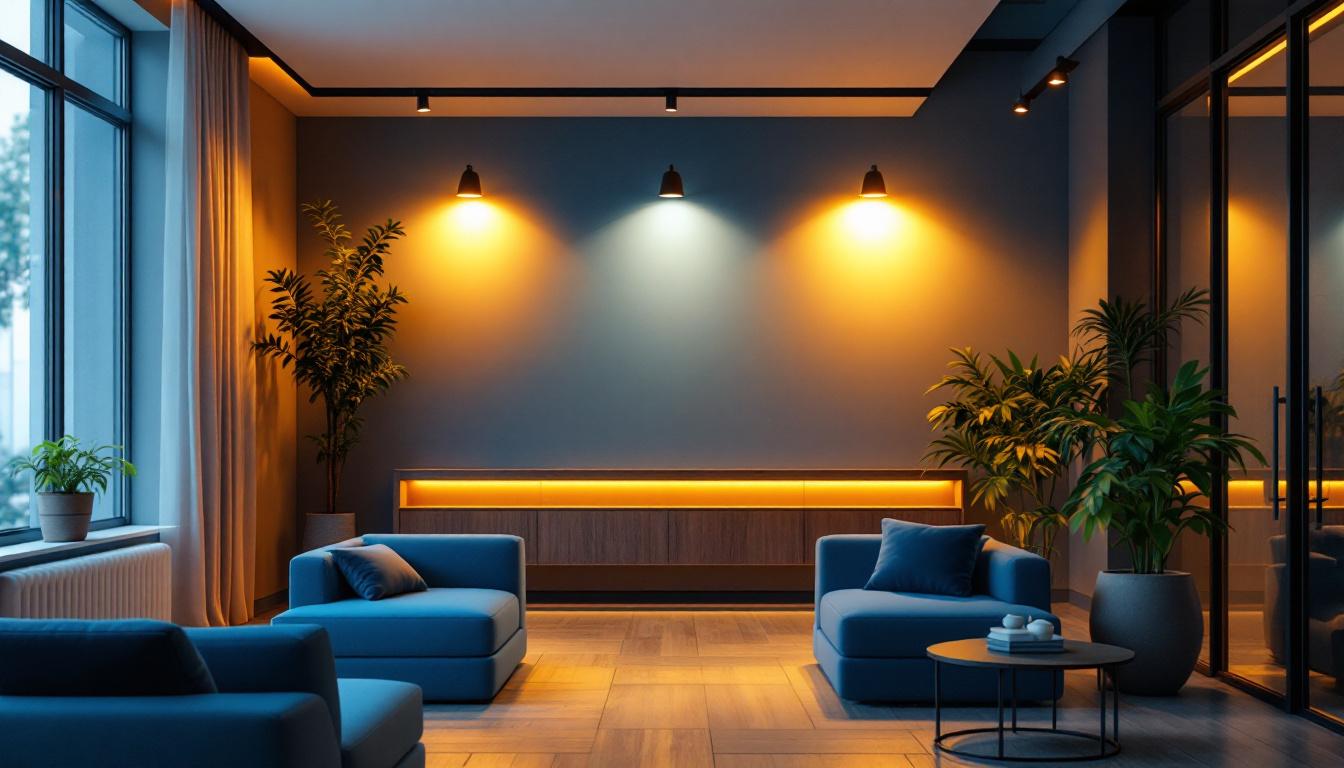
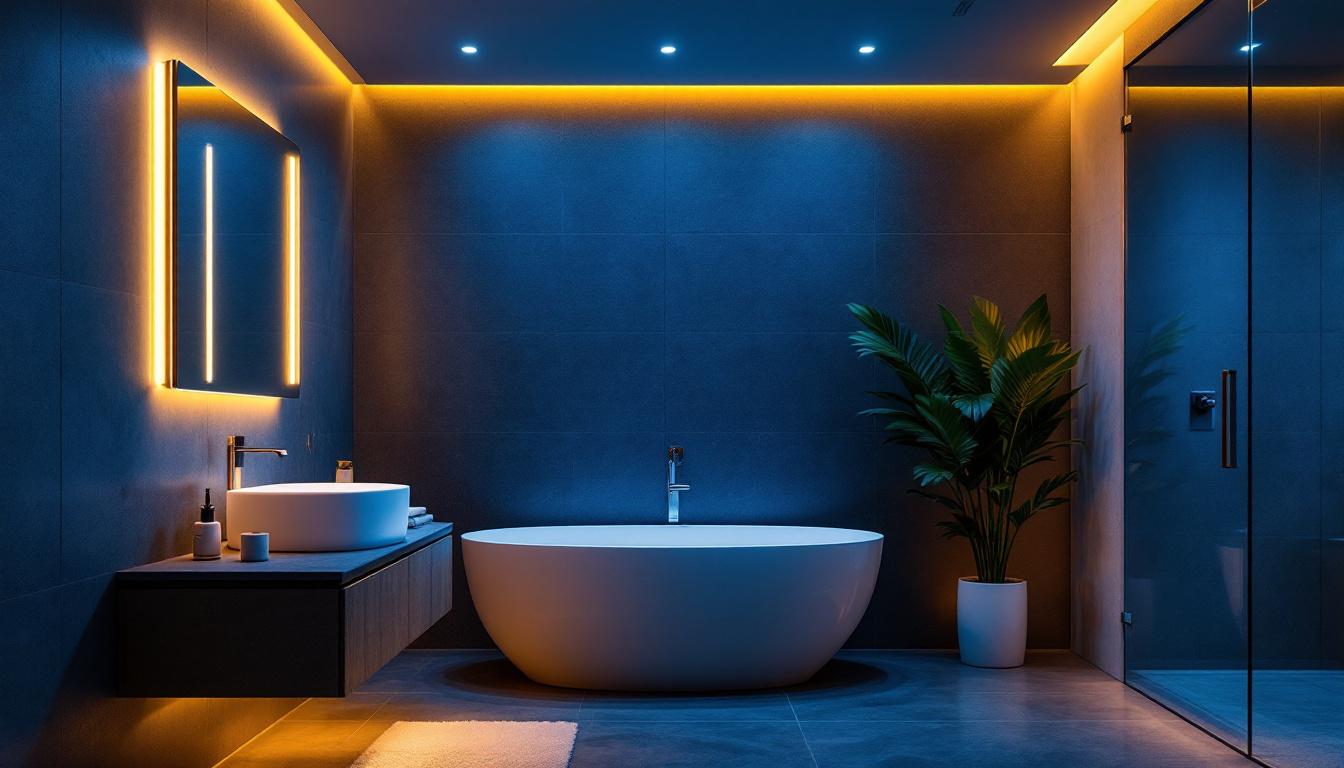
Effective interior lighting relies on layering different types of light. Ambient lighting provides general illumination, setting the overall tone. Task lighting focuses on specific activities like reading or cooking, while accent lighting highlights architectural features or décor elements.
Balancing these layers creates depth and flexibility. For instance, dimmable ambient lights paired with adjustable task lamps allow users to customize lighting based on time of day and activity. This approach enhances both comfort and functionality. Additionally, incorporating smart lighting systems can further elevate this experience by enabling users to control their environment through apps or voice commands, adjusting brightness and color temperature to suit their mood or specific tasks. This modern twist on traditional lighting design not only enhances usability but also promotes energy efficiency, as users can tailor their lighting needs precisely.
Controlling Glare and Shadows
Glare can cause discomfort and reduce visibility, while harsh shadows may distort perception of space. Lighting professionals must carefully position fixtures and select appropriate diffusers or shades to minimize these issues.
Using indirect lighting techniques, such as wall washing or uplighting, softens illumination and reduces eye strain. Reflective surfaces and light-colored walls can also help distribute light evenly throughout a room. Moreover, the strategic use of dimmers can play a crucial role in managing glare, allowing for a gradual adjustment of light levels to suit different activities or times of day. This flexibility not only enhances visual comfort but also contributes to the overall aesthetic of the space, creating an inviting atmosphere that encourages relaxation or productivity, depending on the setting. By considering the interplay of light and shadow, designers can create dynamic environments that evolve with the needs of their occupants, making every room feel more alive and engaging.
Energy Efficiency and Sustainability Considerations
Energy-efficient lighting is more than a trend; it’s a responsibility. Clients increasingly demand solutions that reduce electricity consumption without sacrificing quality. LED technology, combined with smart controls like dimmers and occupancy sensors, significantly lowers energy use.
Lighting professionals should also consider the environmental impact of materials and disposal. Fixtures made from recyclable materials and bulbs with longer lifespans contribute to sustainability goals. Offering clients options that align with green building certifications can be a strong selling point.
Maintaining and Troubleshooting Lighting Systems
After installation, ongoing maintenance ensures lighting systems perform optimally. Regular cleaning of fixtures and replacement of bulbs prevent dimming and flickering. Professionals should educate clients on proper care and signs of electrical issues.
Troubleshooting common problems like flickering, buzzing, or uneven lighting requires a systematic approach. Checking connections, verifying bulb compatibility, and inspecting dimmer switches often resolves these issues quickly. Staying updated on the latest lighting technologies and standards helps professionals provide effective solutions.
Building Strong Client Relationships Through Communication
Clear communication throughout the project fosters trust and satisfaction. Providing detailed proposals, explaining technical aspects in understandable terms, and setting realistic timelines help manage client expectations.
Follow-up after project completion shows commitment to quality and service. Offering maintenance tips and being available for adjustments or upgrades can turn one-time clients into long-term partners.
Conclusion: Equipping Yourself for Success
Lighting professionals who combine technical expertise with a client-focused approach stand out in a competitive market. Understanding space requirements, selecting the right fixtures and bulbs, mastering installation tools, and applying design principles create lighting solutions that truly transform interiors.
Energy efficiency and sustainability are no longer optional; they are integral to responsible lighting design. Maintaining systems and communicating effectively with clients ensures projects not only meet but exceed expectations. This checklist serves as a comprehensive guide to help lighting contractors deliver excellence on every job.
Illuminate Your Projects with LumenWholesale
Ready to elevate your lighting projects with premium solutions that promise both excellence and value? Look no further than LumenWholesale. Our extensive range of spec-grade lighting products is designed to meet the needs of discerning professionals like you. With unbeatable wholesale prices and the convenience of free shipping on bulk orders, we ensure that you get the best value without any hidden costs. Transform your lighting designs with high-performance products that don’t compromise on quality or affordability. Explore our selection now and experience the LumenWholesale advantage.