Understanding LED Technology: The Foundation for Lighting Contractors
LED (Light Emitting Diode) technology has revolutionized the lighting industry, offering unparalleled energy efficiency, longevity, and versatility. For lighting contractors, a deep understanding of LED types is essential to provide clients with optimal solutions tailored to diverse applications.
Unlike traditional incandescent or fluorescent bulbs, LEDs produce light through electroluminescence, which means they emit light when an electric current passes through a semiconductor. This fundamental difference results in LEDs consuming significantly less power and generating less heat. The reduced heat output not only enhances the safety of installations but also contributes to lower cooling costs in commercial spaces, making LEDs a smart choice for energy-conscious clients.
Moreover, LEDs come in various forms and specifications, each suited to particular lighting needs. Recognizing these variations enables contractors to make informed decisions that balance performance, aesthetics, and cost-effectiveness. For instance, the color temperature of LEDs can range from warm whites that create a cozy atmosphere to cool whites that enhance productivity in workspaces. Furthermore, the ability to dim LEDs and control their brightness through smart technology adds another layer of customization, allowing contractors to meet specific client preferences and requirements.
In addition to their functional benefits, LEDs also offer significant environmental advantages. Their long lifespan—often exceeding 25,000 hours—means fewer replacements are needed, which translates to less waste in landfills. Additionally, LEDs do not contain hazardous materials like mercury, commonly found in fluorescent bulbs, making them a safer choice for both consumers and the environment. As sustainability becomes increasingly important in construction and design, lighting contractors who prioritize LED solutions can position themselves as leaders in eco-friendly practices.
Furthermore, the rapid advancements in LED technology continue to expand the possibilities for innovative lighting designs. From architectural lighting that highlights building features to dynamic color-changing options for events, the versatility of LEDs allows contractors to push creative boundaries. As smart home technology integrates with lighting systems, contractors can also explore opportunities in automation, providing clients with seamless control over their lighting environments. This evolving landscape presents an exciting challenge for contractors to stay updated on the latest trends and technologies in LED lighting.
Common LED Light Types and Their Applications
1. Standard LED Bulbs (A-Type)
Standard LED bulbs, often referred to as A-type bulbs, are the most familiar form of LED lighting. Designed as direct replacements for incandescent bulbs, they fit into conventional sockets such as E26 or E27 bases.
These bulbs are ideal for residential and commercial general lighting due to their broad light distribution and compatibility with existing fixtures. They offer a wide range of color temperatures, from warm white to daylight, allowing contractors to customize ambiance.
Energy savings with A-type LEDs can reach up to 80% compared to incandescent bulbs, and their lifespan typically exceeds 25,000 hours, reducing maintenance costs significantly.
Moreover, the advancements in LED technology have led to the development of smart LED bulbs that can be controlled via smartphone apps or voice commands. These bulbs not only allow users to adjust brightness and color temperature but also enable scheduling and automation, enhancing convenience and energy management in homes and businesses alike.
2. LED Downlights and Recessed Lighting
LED downlights are designed for ceiling installations, providing focused, downward illumination. They are commonly used in offices, retail spaces, and hospitality environments where clean, unobtrusive lighting is desired.
These fixtures often feature integrated LEDs or retrofit kits that fit into existing recessed housings. Contractors should consider beam angle, color rendering index (CRI), and dimmability when selecting downlights to meet client specifications.
Advancements in LED downlight technology include tunable white options, allowing dynamic adjustment of color temperature to enhance occupant comfort and productivity.
Furthermore, many modern downlights incorporate advanced features such as motion sensors and daylight harvesting capabilities, which can automatically adjust lighting levels based on occupancy and natural light availability. This not only contributes to energy savings but also creates a more responsive and adaptive lighting environment.
3. LED Strip Lights
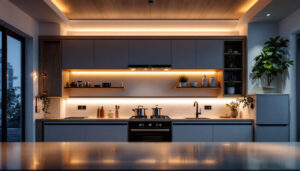
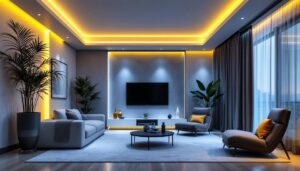
LED strip lights consist of flexible circuit boards populated with surface-mounted LEDs. Their adaptability makes them perfect for accent lighting, cove lighting, under-cabinet illumination, and architectural highlights.
Contractors appreciate strip lights for their ease of installation and ability to conform to various shapes and surfaces. They come in single-color, RGB (color-changing), and tunable white variants, expanding creative possibilities.
Attention to IP ratings is crucial when installing strip lights in damp or outdoor environments to ensure durability and safety.
In addition, LED strip lights can be cut to length or extended, allowing for tailored solutions in diverse applications. With the introduction of smart technology, users can now control these lights remotely, creating dynamic lighting scenes that can enhance mood and functionality in any space.
4. High Bay and Low Bay LED Fixtures
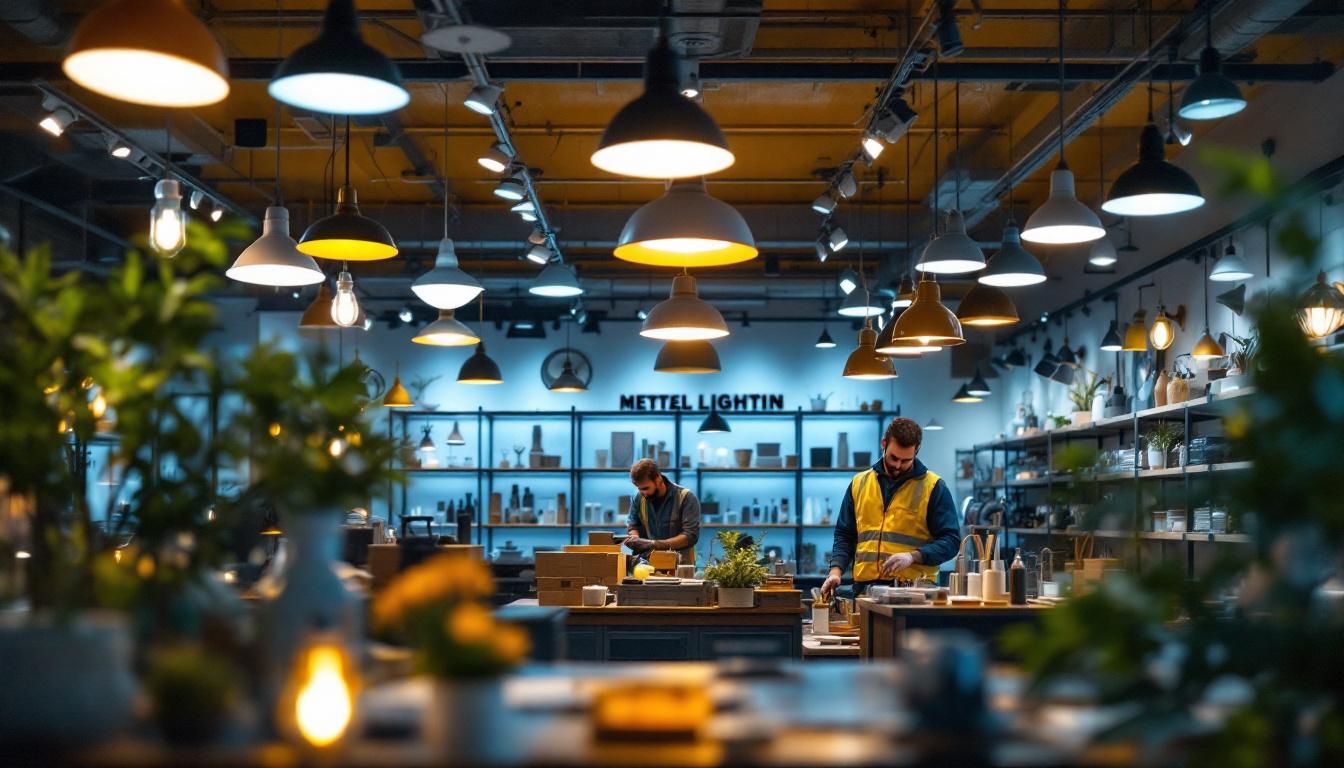
High bay and low bay LED fixtures are engineered for large indoor spaces with high ceilings, such as warehouses, manufacturing plants, and gymnasiums.
High bay lights typically operate at mounting heights above 20 feet, providing intense, uniform illumination to support operational efficiency and safety. Low bay fixtures suit spaces with ceilings between 12 and 20 feet.
When selecting these fixtures, contractors must evaluate lumen output, beam angle, thermal management, and compatibility with existing control systems to optimize performance and energy savings.
Additionally, many high bay and low bay fixtures now come equipped with integrated sensors that can detect motion and adjust lighting levels accordingly. This feature not only enhances energy efficiency but also improves safety in environments where visibility is paramount, such as in industrial settings or during nighttime operations.
5. LED Floodlights and Spotlights
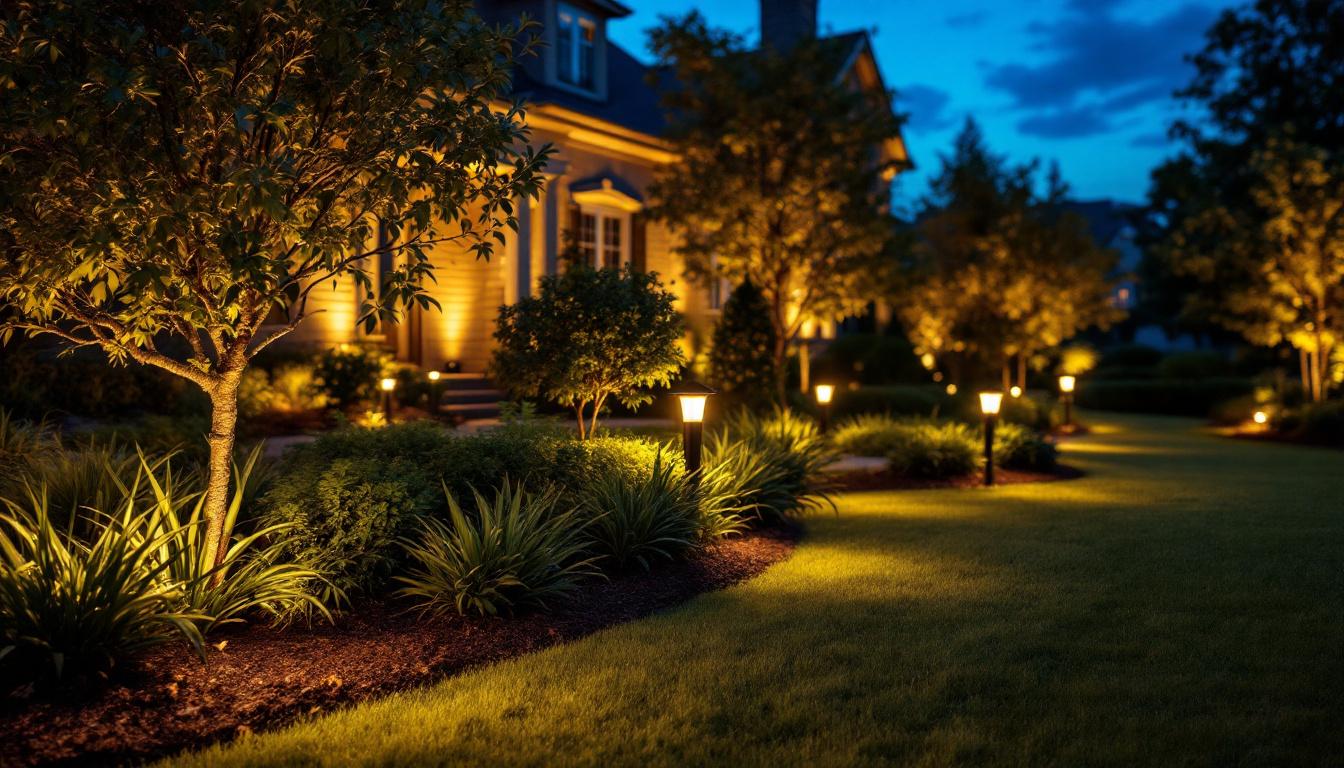
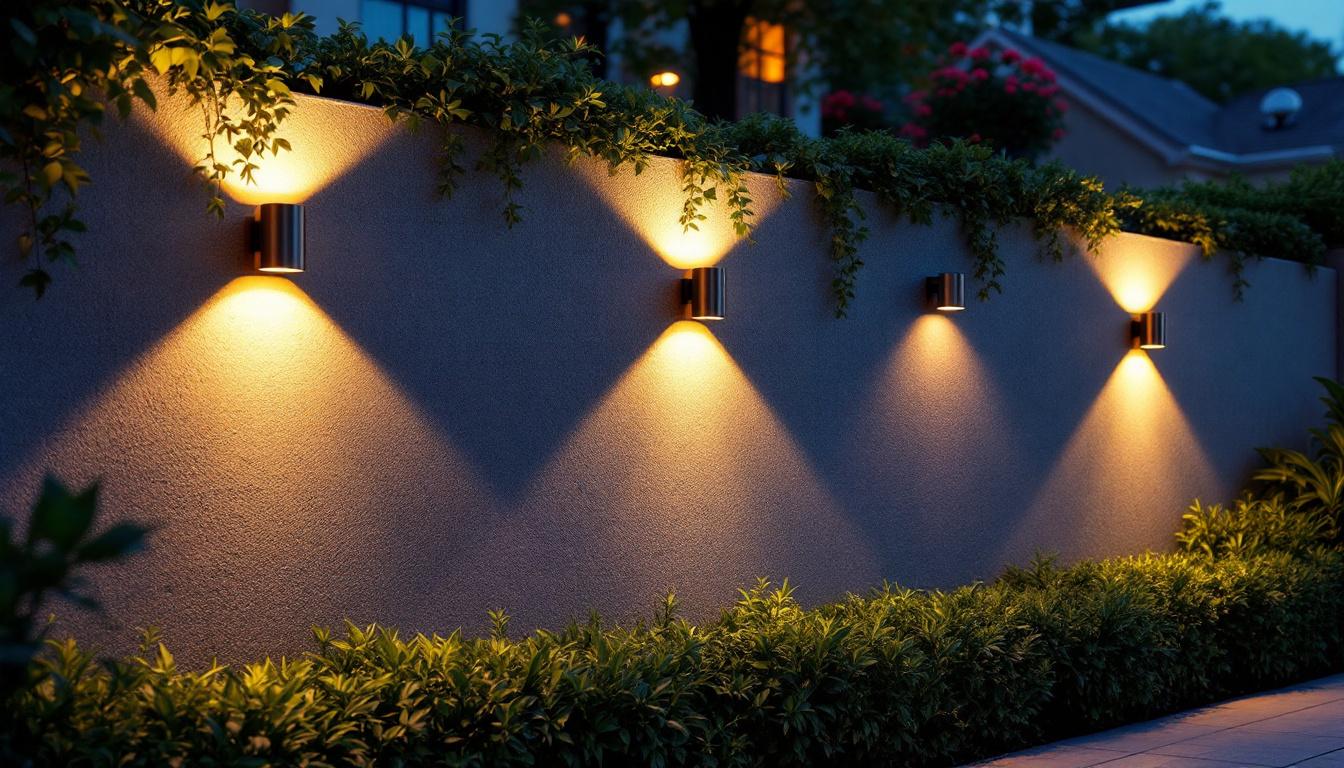
LED floodlights and spotlights are used for outdoor security, landscape lighting, and accentuating architectural features. Their directional light output and high lumen density make them effective for illuminating large areas or specific objects.
Lighting contractors should consider factors such as IP rating, color temperature, glare control, and mounting options. Many modern LED floodlights incorporate smart controls, enabling remote operation and scheduling.
Moreover, the versatility of LED floodlights allows them to be used in various settings, from illuminating sports fields and parking lots to enhancing the aesthetics of gardens and facades. With advancements in beam shaping technology, these fixtures can now deliver precise light distribution, minimizing light pollution while maximizing effectiveness.
6. Specialty LED Lights: Filament, Panel, and Tube Lights
Specialty LED lights cater to niche applications. Filament LEDs mimic the look of traditional incandescent filaments, offering vintage aesthetics with LED efficiency—popular in hospitality and residential settings.
LED panel lights provide uniform, glare-free illumination ideal for office and healthcare environments. Their slim profiles and easy installation make them a preferred choice for ceiling retrofits.
LED tube lights replace fluorescent tubes in commercial and industrial fixtures, delivering improved energy efficiency and longer service life. Compatibility with existing ballasts and wiring configurations is a key consideration during installation.
Additionally, specialty LED lights are increasingly being designed with sustainability in mind, using recyclable materials and energy-efficient manufacturing processes. This trend not only meets the growing demand for eco-friendly solutions but also aligns with corporate sustainability goals in various industries, making them a smart choice for environmentally conscious consumers and businesses alike.
Key Technical Specifications Lighting Contractors Must Know
Luminous Efficacy and Lumen Output
Luminous efficacy measures how effectively a light source converts electrical power into visible light, expressed in lumens per watt (lm/W). Higher efficacy means better energy efficiency.
Contractors should compare lumen outputs to ensure the LED fixture provides adequate brightness for the intended space while minimizing energy consumption.
Color Temperature and Color Rendering Index (CRI)
Color temperature, measured in Kelvins (K), influences the mood and functionality of a space. Warm white (2700K-3000K) creates cozy environments, while cool white (4000K-5000K) enhances alertness and visibility.
CRI indicates how accurately a light source renders colors compared to natural light. A CRI of 80 or above is generally recommended for most applications, with higher values preferred for retail and healthcare settings.
Dimming Compatibility and Controls
Dimming capabilities enhance energy savings and user comfort. However, not all LEDs are compatible with every dimmer type. Contractors must verify compatibility with leading-edge or trailing-edge dimmers and consider smart lighting controls for advanced functionality.
Thermal Management and Lifespan
Effective heat dissipation is critical to maintaining LED performance and longevity. Fixtures with quality heat sinks and thermal designs typically offer longer lifespans and consistent light output.
Understanding manufacturer specifications on rated lifespan and warranty terms helps contractors set client expectations and plan maintenance schedules.
Installation Considerations and Best Practices
Assessing Existing Infrastructure
Before recommending LED solutions, contractors should evaluate the existing electrical infrastructure, fixture compatibility, and space constraints. This assessment ensures seamless integration and avoids costly modifications.
Ensuring Compliance with Standards and Codes
Adherence to local electrical codes, safety standards, and energy regulations is mandatory. Contractors must stay updated on standards such as UL listings, DLC certifications, and regional energy efficiency programs to guarantee compliance and eligibility for rebates.
Optimizing Lighting Design for Client Needs
Effective lighting design balances aesthetics, functionality, and energy efficiency. Contractors should collaborate with clients to understand usage patterns, preferences, and budget constraints, tailoring solutions accordingly.
Maintenance and Future-Proofing
LED installations should consider ease of maintenance and potential future upgrades. Modular fixtures and smart control systems facilitate adaptability and long-term value.
Emerging Trends and Innovations in LED Lighting
Smart Lighting and IoT Integration
The integration of LEDs with smart controls and Internet of Things (IoT) technology is transforming lighting management. Features such as occupancy sensing, daylight harvesting, and remote monitoring enhance energy savings and user experience.
Tunable and Human-Centric Lighting
Human-centric lighting adjusts color temperature and intensity throughout the day to support circadian rhythms, improving well-being and productivity. This approach is gaining traction in workplaces, healthcare, and educational facilities.
Advances in LED Materials and Efficiency
Ongoing research into new semiconductor materials and phosphor technologies continues to boost LED efficiency and color quality. These developments expand application possibilities and reduce environmental impact.
Conclusion: Empowering Lighting Contractors with LED Knowledge
For lighting contractors, mastering the diverse types of LED lights and their specifications is crucial to delivering high-quality, efficient, and tailored lighting solutions. By staying informed about technological advancements, installation best practices, and client needs, contractors can enhance their service offerings and contribute to sustainable lighting practices.
LED technology presents an exciting landscape of opportunities that, when leveraged expertly, can elevate projects and foster long-term client satisfaction.
Get Your Spec-Grade LED Lighting from LumenWholesale
Ready to take your lighting projects to the next level? At LumenWholesale, we offer an extensive selection of top-quality, spec-grade LED lighting products that meet the highest industry standards. Say goodbye to inflated markups and hello to unbeatable wholesale prices. With our hassle-free bulk buying and free shipping, you can trust that you’re getting premium lighting solutions at the best value. Don’t compromise on quality or affordability. Elevate your lighting projects with the perfect blend of efficiency, performance, and cost-effectiveness at LumenWholesale – Wholesale Lighting at the Best Value.