Underestimating the Importance of Proper LED Selection
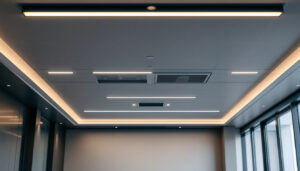
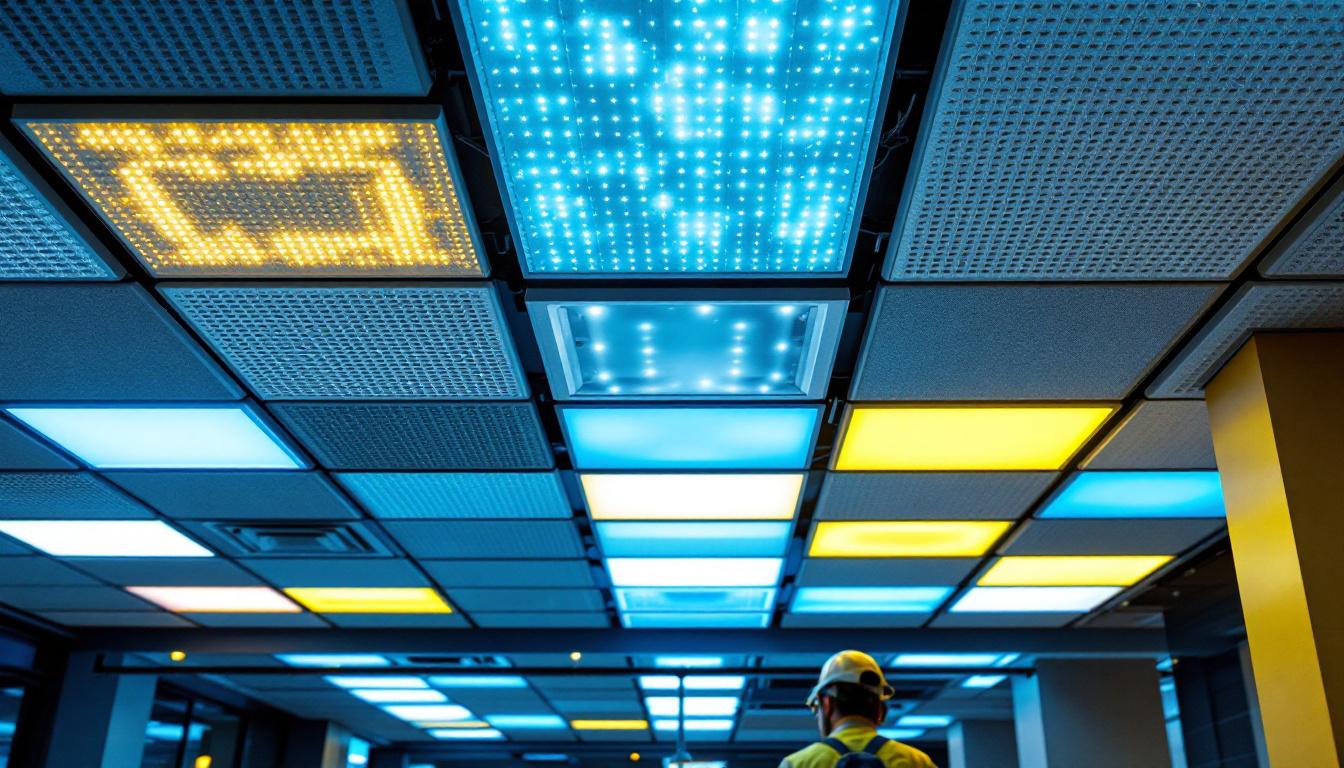
Choosing the right LED light isn’t as simple as picking the brightest or cheapest option. Many lighting contractors fall into the trap of selecting LEDs based solely on initial cost or lumens output, overlooking critical factors like color temperature, CRI (Color Rendering Index), and beam angle. These elements directly impact the quality of light and the client’s satisfaction.
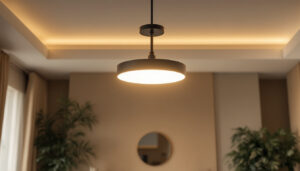
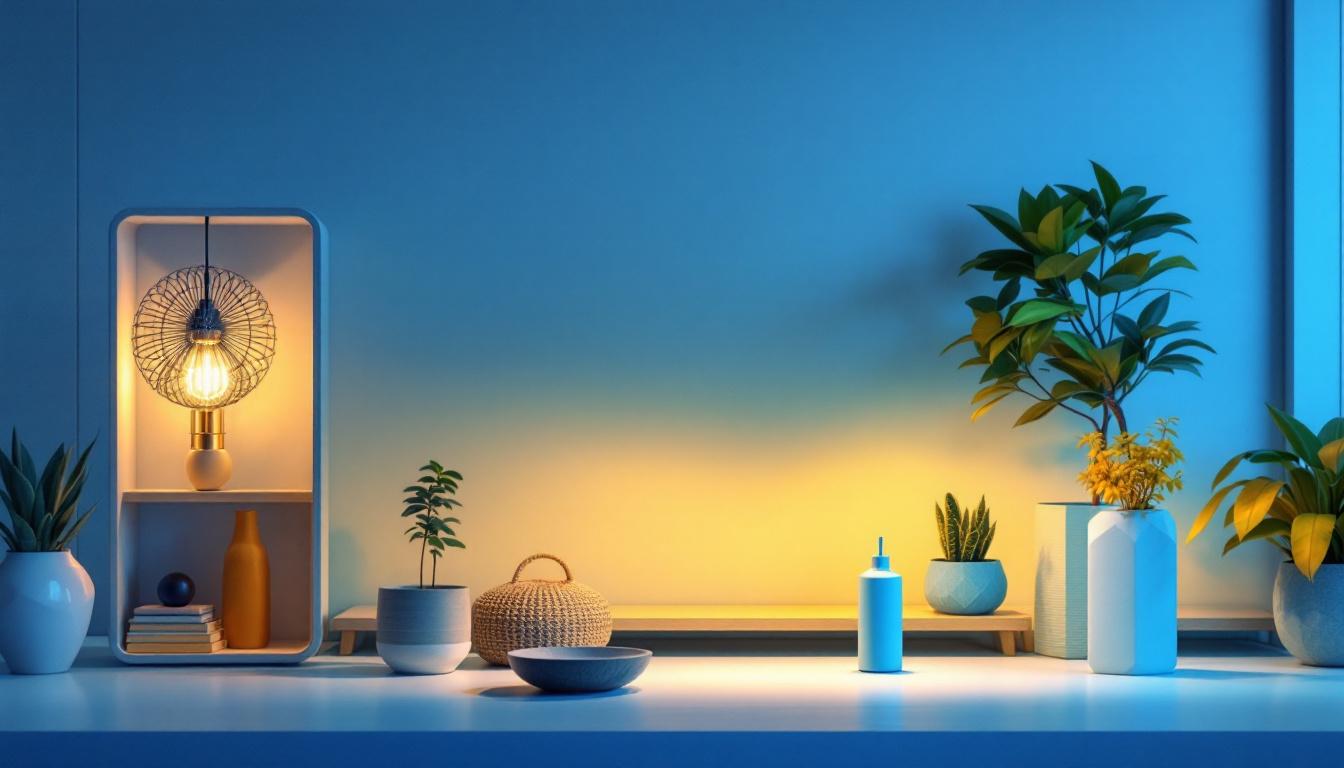
For instance, installing a cool white LED with a high color temperature in a residential setting can create an uncomfortable, sterile atmosphere. Conversely, using warm white LEDs in commercial or industrial spaces might reduce visibility and productivity. Understanding the environment and purpose of the lighting is essential to avoid costly replacements and complaints down the line. Additionally, the longevity and energy efficiency of the selected LEDs can significantly affect the overall cost of ownership. A well-chosen LED can last for years while consuming less energy, ultimately leading to savings that far outweigh the initial investment.
Ignoring the Role of Color Rendering Index (CRI)
CRI measures how accurately a light source reveals the colors of objects compared to natural light. A low CRI LED might save money upfront but can distort colors, which is particularly problematic in retail, art galleries, and healthcare facilities. Lighting contractors who neglect CRI risk delivering installations that don’t meet client expectations or industry standards. In environments where color accuracy is paramount, such as in photography studios or cosmetic counters, using LEDs with a CRI of 90 or above is often recommended. This ensures that colors appear vibrant and true to life, fostering a more engaging and authentic experience for customers and clients alike.
Neglecting Beam Angle and Light Distribution
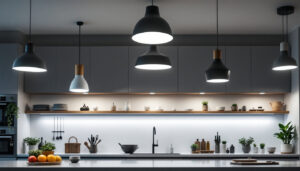
Beam angle defines how light spreads from the source. A narrow beam is ideal for accent lighting, while a wide beam suits general illumination. Selecting the wrong beam angle can lead to uneven lighting, harsh shadows, or wasted energy. Contractors should assess the space carefully and choose LEDs that provide the desired light distribution for the application. Moreover, the interplay of beam angle with surface textures and colors in a room can dramatically affect the perceived brightness and ambiance. For example, a textured wall may absorb light differently than a flat surface, necessitating a more tailored approach to lighting design. By taking these factors into account, contractors can create a well-balanced lighting scheme that enhances the aesthetics and functionality of any space.
Overlooking Thermal Management and Fixture Compatibility
LEDs generate heat, and improper heat dissipation can drastically shorten their lifespan. One common mistake is installing LEDs in fixtures not designed for proper thermal management. This oversight often leads to premature failure, increased maintenance costs, and unhappy clients. The heat generated by LEDs can cause not only a reduction in light output but also a shift in color temperature, which can affect the overall ambiance of a space. Therefore, understanding the thermal dynamics of LED technology is crucial for achieving optimal performance and longevity.
Thermal management involves using heat sinks, proper ventilation, and compatible fixtures that allow heat to escape. Lighting contractors must verify that the LED modules and fixtures are compatible and rated for the intended environment, especially in enclosed or high-temperature areas. Additionally, the placement of LEDs in relation to other heat-producing elements, such as HVAC systems or appliances, should be carefully considered to prevent cumulative heat buildup. Implementing effective thermal management strategies not only enhances the lifespan of the LEDs but also improves energy efficiency, leading to reduced operational costs over time.
Failing to Account for Environmental Conditions
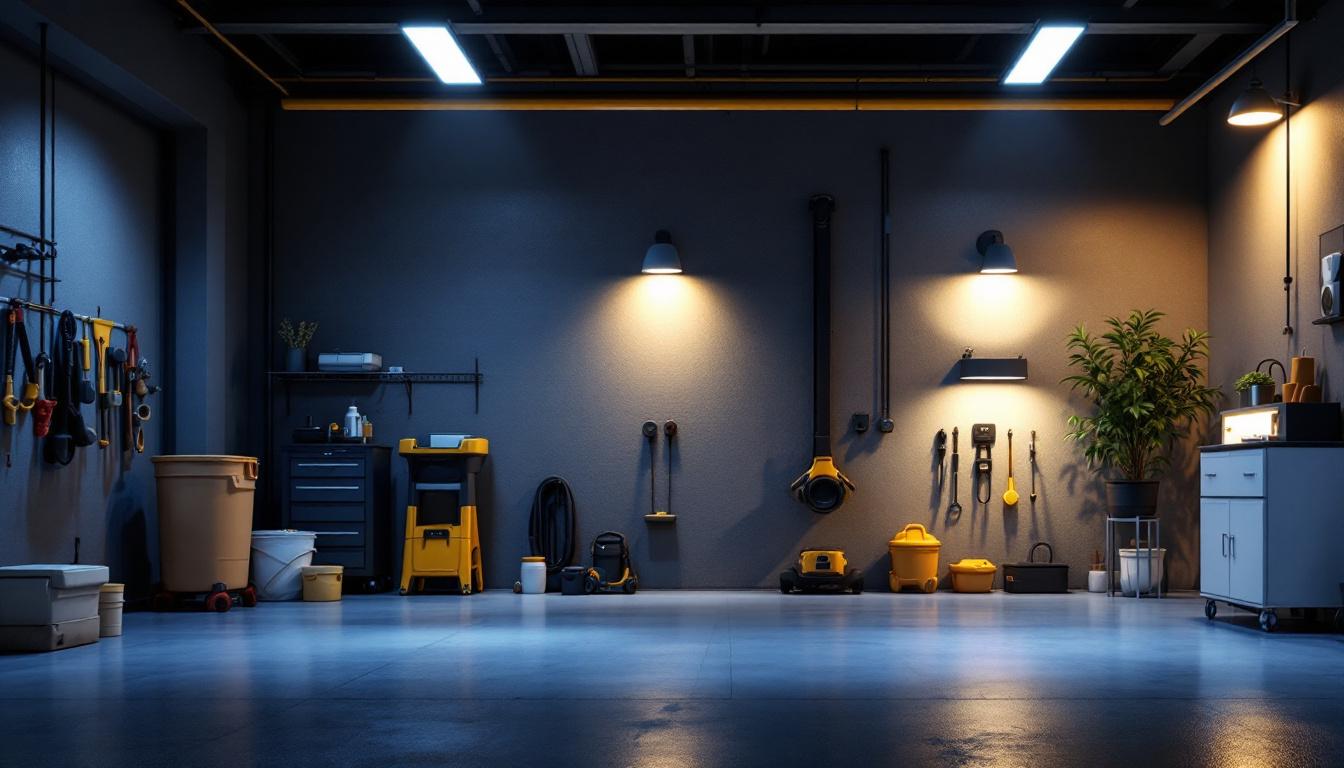
Outdoor installations or spaces with high humidity, dust, or temperature fluctuations require LEDs and fixtures with appropriate IP ratings and durability. Using indoor-rated LEDs outdoors can cause rapid deterioration and safety hazards. Contractors should always check environmental specifications to ensure long-term reliability. Moreover, the choice of materials in fixtures plays a significant role in their ability to withstand environmental stresses. For instance, corrosion-resistant materials are essential in coastal areas where saltwater exposure is a concern, while UV-resistant coatings can protect against fading and degradation from sunlight.
Furthermore, understanding the local climate and its impact on lighting performance is vital. In regions with extreme temperature variations, LEDs may need to be specifically rated for cold weather to prevent issues like flickering or reduced output. Similarly, in humid environments, moisture-resistant designs can help mitigate the risk of electrical failures. By taking these environmental factors into account, contractors can ensure that their lighting solutions not only meet aesthetic and functional requirements but also stand the test of time against the elements.
Improper Electrical Installation and Wiring Practices
Electrical mistakes are a frequent cause of LED lighting failures. Incorrect wiring, poor connections, or using incompatible drivers can result in flickering, dimming, or total failure. Lighting contractors must adhere strictly to electrical codes and manufacturer instructions. Moreover, the importance of proper installation cannot be overstated, as it not only affects the performance of the lighting system but also poses safety risks. A well-installed LED system can provide years of reliable service, while a poorly executed installation can lead to costly repairs and potential hazards.
Choosing the Wrong LED Drivers
LED drivers regulate power to the LEDs, and selecting the wrong driver can cause instability or damage. Some contractors opt for generic or mismatched drivers to cut costs, but this compromises performance and safety. It’s crucial to use drivers that match the LED’s voltage and current requirements and offer features like dimming if needed. Additionally, understanding the specific application of the LED lights is vital; for instance, drivers designed for residential use may not be suitable for high-demand commercial environments. This mismatch can lead to overheating, reduced lifespan, and even complete failure of the lighting system, emphasizing the need for careful selection and installation.
Ignoring Surge Protection
Power surges can damage LEDs and drivers, especially in commercial or industrial settings with heavy machinery. Installing surge protection devices is a simple yet often overlooked step that significantly enhances system longevity and reduces downtime. These devices act as a buffer against voltage spikes, which can occur due to lightning strikes, power outages, or fluctuations in the electrical grid. In addition to protecting the lighting system, surge protectors can safeguard other sensitive electronic equipment within the facility, making them a wise investment for any operation. Furthermore, regular maintenance checks on these devices can ensure they are functioning correctly, providing an added layer of protection and peace of mind for facility managers.
Failing to Plan for Maintenance and Accessibility
LED installations are often praised for their low maintenance, but this doesn’t mean maintenance should be ignored. Contractors sometimes install LEDs in hard-to-reach places without considering future servicing needs. This oversight can lead to significant challenges down the line, especially in commercial settings where downtime can result in lost revenue. For example, if an LED fixture fails in a high-traffic area, the time and effort required to access and replace it can be substantial, causing disruptions to both staff and customers.
Proper planning for maintenance access can save time and money over the life of the installation. This includes selecting fixtures that allow easy bulb replacement or driver access, and documenting installation details for future reference. Additionally, considering the use of adjustable mounting systems or modular designs can facilitate easier access for maintenance teams, thereby reducing labor costs and improving overall efficiency. By prioritizing accessibility during the installation phase, contractors can ensure that maintenance tasks are straightforward and less time-consuming, ultimately extending the lifespan of the LED systems.
Not Providing Clear Documentation
Clients and maintenance teams benefit greatly from detailed documentation, including wiring diagrams, product specifications, and maintenance schedules. Contractors who skip this step risk complicating repairs and replacements, leading to client frustration and potential liability. Without clear documentation, maintenance teams may struggle to understand the intricacies of the installation, which can lead to errors during repairs that could have been easily avoided. Furthermore, in the event of a warranty claim or product failure, having comprehensive records can be crucial in determining responsibility and ensuring that the right solutions are implemented promptly.
Moreover, effective documentation serves as a valuable resource for training new staff or contractors who may not be familiar with the specific systems in place. By providing a thorough guide that outlines troubleshooting steps and maintenance best practices, organizations can empower their teams to handle issues more efficiently. This proactive approach not only enhances the reliability of the LED installations but also fosters a culture of accountability and professionalism within the maintenance team, ultimately benefiting the client and the contractor alike.
Misjudging Energy Efficiency and Cost Savings
LEDs are celebrated for energy efficiency, but the actual savings depend on thoughtful design and installation. Some contractors promise unrealistic energy reductions without considering factors like fixture efficiency, control systems, or usage patterns.
Lighting systems that incorporate dimmers, occupancy sensors, and daylight harvesting can maximize savings. Neglecting these controls or installing LEDs without them may result in higher operating costs and dissatisfied clients.
Overlooking Lifecycle Costs
Focusing solely on upfront costs ignores the total cost of ownership. High-quality LEDs and drivers might cost more initially but save money through longer life and lower energy consumption. Contractors should educate clients on lifecycle costs to justify investments and avoid cutting corners.
Conclusion: Avoiding Common Pitfalls for Successful LED Projects
Lighting contractors who pay attention to LED selection, thermal management, electrical installation, maintenance planning, and energy efficiency set themselves apart. Avoiding these common mistakes leads to installations that perform well, satisfy clients, and reduce callbacks.
Staying informed about the latest LED technologies and best practices is essential. Successful projects begin with thoughtful design and end with reliable, efficient lighting that meets or exceeds expectations.
Get Your Lighting Right with LumenWholesale
Don’t let common lighting mistakes undermine your projects. At LumenWholesale, we provide lighting contractors with the highest quality, spec-grade lighting products at prices that can’t be beaten. Say goodbye to unnecessary markups and hello to a vast selection of industry-standard lighting solutions that ensure your installations shine. With free shipping on bulk orders, we make it easy and cost-effective to stock up on dependable lighting for any job. Elevate your lighting game and give your clients the excellence they deserve. Discover the ideal mix of quality, value, and convenience at LumenWholesale – Wholesale Lighting at the Best Value.