Understanding the Importance of LED Lighting in Greenhouses
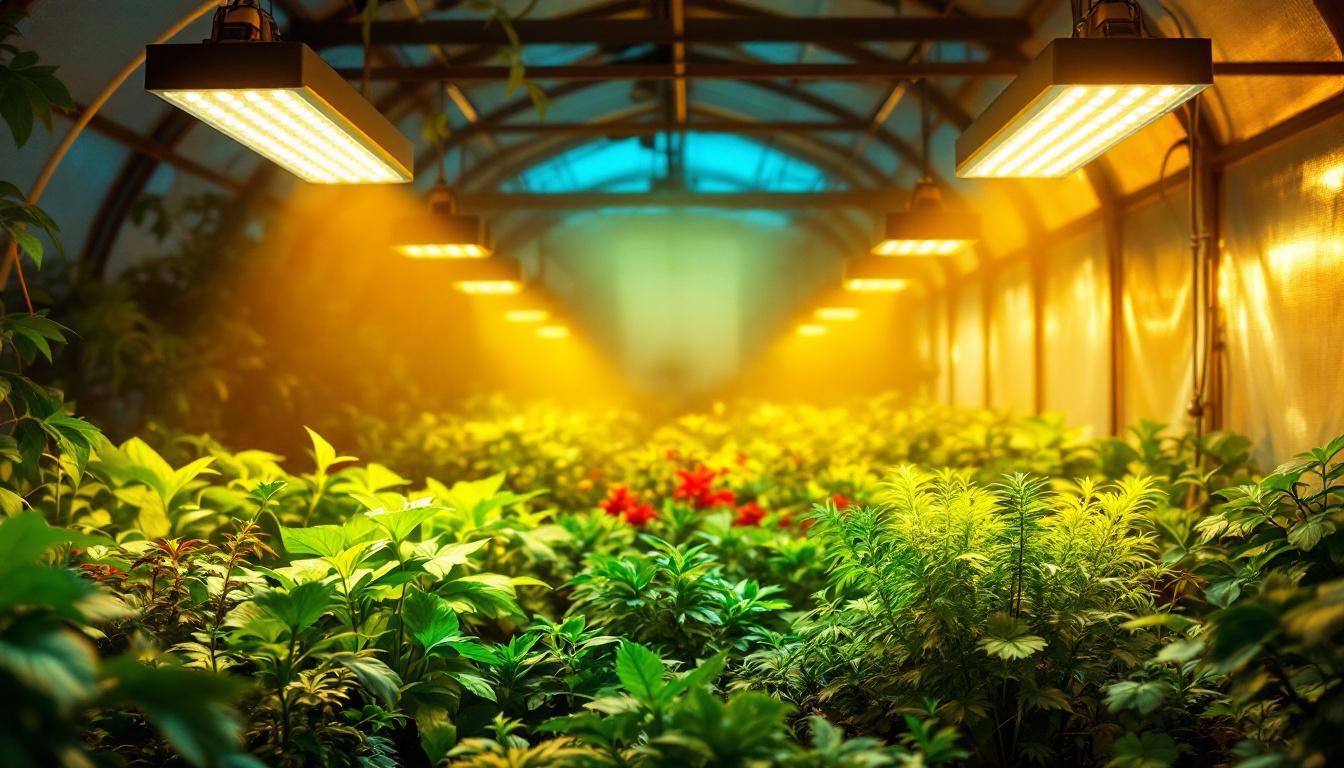
Greenhouse cultivation has evolved significantly with technological advancements, and lighting plays a pivotal role in optimizing plant growth. For lighting contractors, mastering greenhouse LED lighting is essential to deliver solutions that enhance crop yield, energy efficiency, and overall operational sustainability.
LED (Light Emitting Diode) technology offers numerous advantages over traditional lighting systems such as high-pressure sodium (HPS) or fluorescent lamps. These advantages include longer lifespan, reduced heat output, and customizable light spectra tailored to specific plant needs. As a result, LED lighting is rapidly becoming the preferred choice for commercial greenhouse growers worldwide.
For contractors, understanding the science behind plant photobiology and the technical specifications of LED systems is crucial. This knowledge enables the design and installation of lighting setups that maximize photosynthesis, control plant morphology, and ultimately improve crop quality.
Moreover, the flexibility of LED systems allows for dynamic lighting strategies that can adapt to the varying needs of plants throughout their growth cycles. For instance, during the germination phase, plants may benefit from a spectrum rich in blue light, which promotes robust vegetative growth. Conversely, as plants transition to the flowering stage, a shift towards red light can stimulate blooming and fruiting. This ability to fine-tune light conditions not only enhances growth but also reduces energy consumption, making it a win-win for growers and the environment alike.
In addition to their adaptability, LED lights are also more environmentally friendly compared to their predecessors. They contain no hazardous materials, such as mercury, and their energy-efficient nature leads to lower carbon emissions. As the agricultural sector increasingly prioritizes sustainability, the adoption of LED lighting systems aligns perfectly with the goals of reducing the ecological footprint of farming practices. This shift not only supports the health of our planet but also appeals to consumers who are becoming more conscious of the environmental impact of their food choices.
Key Technical Concepts Lighting Contractors Must Know
Photosynthetically Active Radiation (PAR) and Light Quality
Photosynthetically Active Radiation (PAR) refers to the range of light wavelengths (400-700 nanometers) that plants use for photosynthesis. Unlike traditional lighting, modern greenhouse LEDs can be engineered to emit specific wavelengths within this range, optimizing plant growth processes. This specificity not only enhances photosynthesis but also influences the overall health and yield of crops, making it a critical factor for successful greenhouse management.
Lighting contractors should be familiar with metrics such as Photosynthetic Photon Flux (PPF) and Photosynthetic Photon Flux Density (PPFD), which quantify the amount of PAR light emitted and received by plants, respectively. These metrics help in selecting the right LED fixtures and positioning them effectively within the greenhouse. Furthermore, understanding the interplay between light intensity and duration is vital, as it can significantly affect plant growth rates and flowering times. By utilizing advanced monitoring tools, contractors can adjust lighting conditions in real-time, ensuring that plants receive the optimal light exposure throughout their growth cycle.
Light Spectrum Customization and Plant Responses
Different wavelengths influence various plant behaviors. For example, blue light (around 450 nm) promotes vegetative growth and leaf development, while red light (around 660 nm) encourages flowering and fruiting. Far-red light can affect plant elongation and flowering timing. The ability to customize these wavelengths not only enhances plant growth but also allows for the cultivation of a wider variety of crops in a single greenhouse environment.
Advanced LED systems allow contractors to tailor the light spectrum to the specific crop species and growth stage. Understanding these nuances enables the creation of dynamic lighting schedules that optimize growth cycles and improve crop uniformity. Additionally, integrating sensors that monitor plant responses to light can provide invaluable data, enabling contractors to fine-tune their lighting strategies based on real-time feedback from the plants themselves. This level of customization not only maximizes yield but also minimizes resource waste, making it a win-win for both growers and the environment.
Energy Efficiency and Heat Management
One of the most significant benefits of LED lighting is its energy efficiency. LEDs consume less power compared to traditional lighting, reducing operational costs for greenhouse operators. However, contractors must also consider heat output and dissipation, as excessive heat can stress plants and damage equipment. In addition to selecting energy-efficient fixtures, understanding the thermal dynamics of the greenhouse environment is crucial for maintaining optimal growing conditions.
Proper fixture selection, spacing, and integration with greenhouse climate control systems are essential to maintain optimal temperature and humidity levels. Contractors who master these factors can deliver lighting solutions that balance energy savings with plant health. Moreover, implementing supplemental cooling systems, such as evaporative cooling or ventilation strategies, can further enhance the effectiveness of LED lighting by ensuring that plants thrive in a stable environment. This holistic approach not only supports plant growth but also contributes to the sustainability of greenhouse operations, allowing for a more resilient agricultural practice in the face of climate variability.
Top Resources for Lighting Contractors to Master Greenhouse LED Lighting
Industry Standards and Guidelines
Familiarity with industry standards is foundational for any lighting contractor. Organizations such as the Illuminating Engineering Society (IES) provide comprehensive guidelines on horticultural lighting design, including recommended light intensities and spectral distributions for various crops.
Additionally, the American Society of Agricultural and Biological Engineers (ASABE) offers standards related to greenhouse environmental control, which often intersect with lighting considerations. Contractors should regularly consult these resources to ensure compliance and best practices.
Technical Training and Certification Programs
Several specialized training programs focus on horticultural lighting technology. For example, courses offered by horticultural universities and professional associations provide in-depth knowledge on LED fixture design, photobiology, and system integration.
Certification programs for lighting professionals, such as the Certified Lighting Designer (CLD) or specialized horticultural lighting certifications, can enhance a contractor’s credibility and technical expertise. Engaging in continuous education ensures contractors stay current with evolving technologies and methodologies.
Manufacturer Technical Documentation and Support
Leading LED manufacturers often provide detailed technical datasheets, installation manuals, and application notes tailored to greenhouse environments. These documents include crucial information on electrical requirements, light output, spectral characteristics, and recommended mounting configurations.
Contractors should establish strong relationships with manufacturers to access technical support and stay informed about product updates. Many manufacturers also offer webinars and training sessions that deepen understanding of their products’ capabilities and best use cases.
Research Publications and Case Studies
Scientific journals and industry publications are valuable resources for understanding the latest research in LED horticultural lighting. Studies often explore the effects of specific light spectra on different crops, energy consumption comparisons, and innovations in fixture design.
Case studies from commercial greenhouse installations provide practical insights into real-world challenges and solutions. Contractors can learn from these examples to anticipate potential issues and optimize their projects for performance and efficiency.
Practical Strategies for Lighting Contractors in Greenhouse Projects
Conducting Comprehensive Site Assessments
Before designing or installing LED lighting systems, contractors should perform thorough site assessments. This includes evaluating existing infrastructure, greenhouse dimensions, crop types, and environmental control systems.
Understanding these variables allows for precise lighting calculations and fixture placement that meet the specific needs of the operation. Site assessments also help identify potential electrical constraints or integration challenges early in the project.
Customizing Lighting Solutions for Crop Requirements
Each crop species has unique light requirements in terms of intensity, duration, and spectrum. Lighting contractors must collaborate closely with growers to understand these needs and tailor solutions accordingly.
For example, leafy greens may benefit from higher blue light ratios to promote compact growth, while fruiting plants might require increased red light for flowering. Adjustable LED systems that allow spectrum tuning offer flexibility to accommodate multiple crops or changing growth stages.
Integrating Lighting with Environmental Controls
Modern greenhouses often employ integrated control systems that manage temperature, humidity, CO2 levels, and lighting. Contractors should design LED lighting installations that seamlessly interface with these systems for automated and optimized operation.
Integration enables dynamic lighting schedules that respond to environmental conditions or plant developmental stages, maximizing energy efficiency and crop performance. This approach also facilitates remote monitoring and troubleshooting, enhancing operational reliability.
Ensuring Compliance and Safety
Electrical safety and regulatory compliance are critical in greenhouse lighting projects. Contractors must adhere to local electrical codes, grounding requirements, and safety standards to protect personnel and equipment.
Proper cable management, fixture mounting, and protection against moisture and dust ingress are essential considerations. Using certified components and conducting thorough inspections during installation help prevent hazards and ensure long-term system reliability.
Emerging Trends and Innovations Lighting Contractors Should Watch
Smart Lighting Systems and IoT Integration
Smart LED lighting systems equipped with sensors and connected to the Internet of Things (IoT) are transforming greenhouse operations. These systems enable real-time adjustments based on plant feedback and environmental data, optimizing light delivery and energy use.
Contractors who develop expertise in installing and programming smart lighting solutions can offer clients enhanced control, data analytics, and predictive maintenance capabilities, driving greater operational efficiency.
Advancements in Spectrum Engineering
Ongoing research is expanding the potential of spectrum engineering, including dynamic spectrum shifting and the use of ultraviolet (UV) and far-red light to influence plant secondary metabolites and pest management.
Lighting contractors who stay informed about these advancements can recommend and implement cutting-edge solutions that improve crop quality, nutritional content, and resistance to diseases.
Energy Harvesting and Sustainability Initiatives
With increasing emphasis on sustainability, integrating LED lighting with renewable energy sources such as solar panels is gaining traction. Energy harvesting technologies and battery storage systems can reduce greenhouse carbon footprints and operating costs.
Contractors knowledgeable in these areas can design holistic lighting systems that align with growers’ sustainability goals, enhancing the marketability and environmental responsibility of greenhouse operations.
Conclusion: Building Expertise and Delivering Value
For lighting contractors, mastering greenhouse LED lighting requires a blend of technical knowledge, practical skills, and ongoing engagement with industry developments. By leveraging authoritative resources, pursuing specialized training, and embracing emerging technologies, contractors can provide solutions that drive superior crop performance and operational efficiency.
As greenhouse cultivation continues to expand globally, the demand for expert LED lighting contractors will grow. Investing in expertise not only enhances professional reputation but also contributes to advancing sustainable and productive agricultural practices.
Illuminate Your Greenhouse Projects with LumenWholesale
Ready to elevate your greenhouse lighting solutions to the next level? At LumenWholesale, we provide lighting contractors with the finest, spec-grade LED lighting products at unparalleled wholesale prices. Our commitment to quality and affordability ensures that you have access to the best lighting options that meet rigorous industry standards. Say goodbye to inflated markups and hello to premium lighting with the convenience of free shipping. Don’t let hidden fees dim your project’s potential. Choose LumenWholesale for a seamless bulk buying experience that delivers value and performance. Discover wholesale lighting at the best value today and brighten your professional portfolio with confidence.