Introduction to Indoor Gas Lighting
Gas lamps have a rich heritage, dating back to the early days of urban illumination. While largely supplanted by electric lighting in mainstream applications, gas lamps remain a popular choice in certain indoor settings due to their unique aesthetic appeal and warm, inviting glow. For lighting contractors, understanding the nuances of indoor gas lamp installation and maintenance is essential to delivering safe, efficient, and visually striking lighting solutions.
Indoor gas lighting offers a distinctive ambiance that electric lighting often struggles to replicate. From historic restorations to upscale hospitality venues, gas lamps provide a nostalgic charm combined with functional illumination. However, working with gas as a fuel source introduces specific challenges and safety considerations that contractors must expertly navigate.
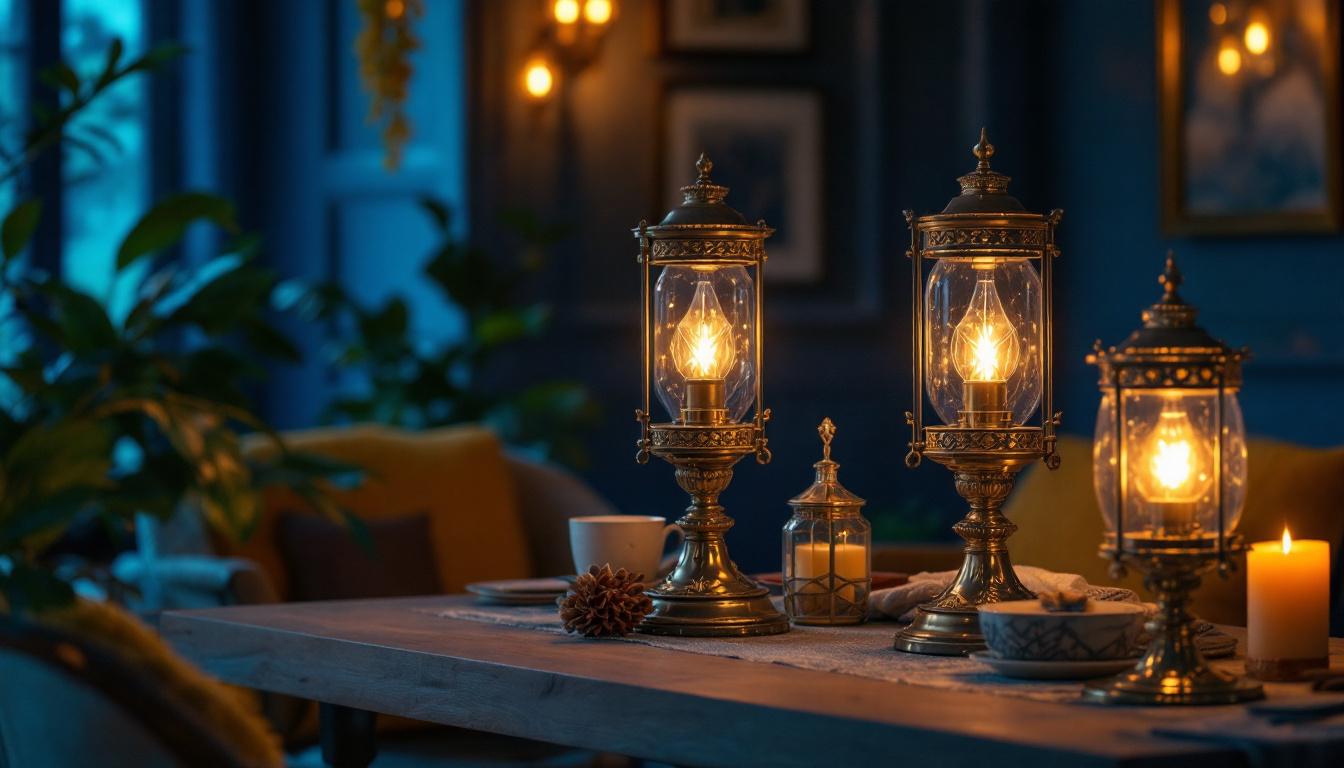
One of the primary advantages of gas lighting is its ability to create a soft, flickering light that adds depth and character to any space. This quality is particularly sought after in environments such as restaurants and boutique hotels, where creating an inviting atmosphere is paramount. The interplay of light and shadow produced by gas lamps can enhance architectural features, making them stand out in a way that harsh electric lights cannot. Furthermore, gas lamps can be designed in a variety of styles, from ornate Victorian fixtures to sleek modern designs, allowing for customization that complements the overall decor of the space.
Moreover, the installation of indoor gas lighting requires a thorough understanding of both the technical and aesthetic aspects. Contractors must be well-versed in local building codes and safety regulations regarding gas lines and ventilation systems to ensure compliance and safety. Additionally, the maintenance of gas lamps involves regular cleaning and inspection of components such as burners and chimneys to prevent soot buildup and ensure optimal performance. This ongoing commitment to safety and functionality not only protects the occupants but also preserves the beauty and integrity of the gas lighting installations, making it a worthwhile investment for any property owner.
Understanding the Mechanics and Types of Indoor Gas Lamps
How Indoor Gas Lamps Work
Indoor gas lamps operate by burning a controlled flow of gas—typically natural gas or propane—to produce light. The flame is usually enclosed within a glass or mica globe that helps diffuse the light and protects the flame from drafts. Unlike electric bulbs, gas lamps emit light through combustion, which means they also produce heat and combustion byproducts such as carbon dioxide and water vapor.
Modern indoor gas lamps often incorporate pilot lights or electronic ignition systems to improve reliability and safety. The gas flow is regulated by valves and pressure regulators to maintain a steady flame, ensuring consistent light output and minimizing fuel consumption. Additionally, many contemporary models feature adjustable flame settings, allowing users to customize the brightness according to their needs or preferences. This versatility makes gas lamps an appealing choice for various settings, from cozy living rooms to elegant dining areas.
Common Types of Indoor Gas Lamps
Lighting contractors will encounter several types of indoor gas lamps, each suited to different applications:
- Decorative Gas Lanterns: These are often wall-mounted or suspended fixtures designed to evoke a vintage or rustic aesthetic. They are common in restaurants, hotels, and historic homes.
- Gas Chandeliers: Combining multiple gas flames in a single fixture, chandeliers provide both illumination and a dramatic visual centerpiece.
- Gas Table Lamps: Portable and often used in intimate settings, these lamps offer localized lighting with a classic flair.
Each type requires specific installation techniques and safety protocols, which contractors must master to ensure optimal performance and compliance with regulations. For instance, decorative gas lanterns may require careful positioning to enhance their visual appeal while ensuring they are safely distanced from flammable materials. Similarly, gas chandeliers often necessitate a more complex installation process due to their weight and the need for precise alignment of the gas lines. Understanding the unique characteristics of each lamp type can help contractors provide tailored solutions that meet both aesthetic and functional needs.
Moreover, the choice of gas lamp can significantly influence the ambiance of a space. For example, gas chandeliers can create a warm and inviting atmosphere in dining areas, while decorative lanterns can add a touch of charm and nostalgia to hallways or outdoor patios. The interplay of light and shadow produced by these lamps can enhance architectural features and create a sense of depth in a room. As such, selecting the right type of gas lamp is not just about functionality; it also involves a keen understanding of design principles and the desired mood of the environment.
Safety Considerations and Regulatory Compliance
Key Safety Challenges
Gas lighting indoors presents inherent risks that must be carefully managed. The primary concerns include:
- Gas Leaks: A leak can lead to fire hazards or asphyxiation risks. Proper sealing, leak detection, and ventilation are critical.
- Carbon Monoxide Exposure: Incomplete combustion can produce carbon monoxide, a colorless, odorless, and potentially deadly gas.
- Fire Safety: Open flames indoors require careful placement away from flammable materials and adherence to fire codes.
Lighting contractors must conduct thorough inspections and utilize gas detectors during installation and maintenance to mitigate these risks.
Regulatory Framework and Standards
Compliance with local building codes, fire safety regulations, and gas installation standards is non-negotiable. Contractors should be familiar with:
- National Fire Protection Association (NFPA) Codes: Particularly NFPA 54 (National Fuel Gas Code) which outlines requirements for gas piping, appliance installation, and ventilation.
- Local Building and Fire Codes: These vary by jurisdiction but often include specific mandates for indoor gas appliance clearances, ventilation, and emergency shutoff mechanisms.
- Manufacturer Guidelines: Following the installation and maintenance instructions provided by lamp manufacturers ensures safety and warranty compliance.
Engaging with local authorities and obtaining necessary permits before installation is a best practice that safeguards both contractors and clients.
Installation Best Practices for Lighting Contractors
Pre-Installation Planning
Successful indoor gas lamp installation begins with comprehensive planning. Contractors should assess the space for ventilation adequacy, gas supply accessibility, and fixture placement to optimize both safety and aesthetics.
Key steps include:
- Evaluating the existing gas infrastructure or planning new gas lines with appropriate pressure ratings.
- Consulting with architects or interior designers to ensure the lamps complement the overall design scheme.
- Performing risk assessments to identify potential hazards related to flame proximity, gas leaks, or ventilation insufficiencies.
Installation Techniques
When installing indoor gas lamps, attention to detail is paramount. Contractors should:
- Use high-quality, corrosion-resistant piping and fittings to prevent leaks over time.
- Install shutoff valves in accessible locations to facilitate emergency response and maintenance.
- Ensure all connections are tightened to manufacturer specifications and tested with approved leak detection methods.
- Position lamps to avoid contact with combustible materials and maintain required clearances.
- Incorporate ventilation systems or ensure natural ventilation to prevent gas accumulation and carbon monoxide buildup.
Documenting each step and maintaining clear communication with clients about safety features and operational procedures enhances trust and professionalism.
Maintenance and Troubleshooting
Routine Maintenance Procedures
Regular maintenance is essential for the longevity and safe operation of indoor gas lamps. Contractors should establish maintenance schedules that include:
- Inspecting gas lines and fittings for signs of wear, corrosion, or leaks.
- Cleaning lamp globes and burners to ensure optimal flame quality and light output.
- Checking ignition systems and pilot lights for reliable operation.
- Testing carbon monoxide detectors and ventilation effectiveness.
Proactive maintenance reduces the risk of unexpected failures and extends the lifespan of the lighting system.
Common Troubleshooting Scenarios
Contractors frequently encounter issues such as flickering flames, weak illumination, or pilot light outages. These problems can stem from:
- Gas pressure fluctuations or supply interruptions.
- Clogged or dirty burners restricting gas flow.
- Faulty ignition components or electrical connections.
- Inadequate ventilation causing combustion inefficiencies.
Systematic diagnostics, including pressure testing and component inspection, enable contractors to quickly identify and resolve issues, minimizing downtime.
Energy Efficiency and Environmental Considerations
Optimizing Fuel Consumption
While gas lamps are valued for their ambiance, energy efficiency remains a priority. Contractors can enhance efficiency by:
- Selecting burners designed for complete combustion to reduce fuel waste.
- Incorporating adjustable valves to fine-tune flame size based on lighting needs.
- Utilizing electronic ignition systems to eliminate continuous pilot light fuel consumption.
These measures not only lower operating costs but also reduce environmental impact.
Environmental Impact and Sustainability
Gas combustion produces greenhouse gases, so it is important to balance aesthetic desires with environmental responsibility. Lighting contractors should advise clients on:
- Using renewable natural gas or biogas where available.
- Combining gas lamps with electric lighting controls to minimize unnecessary use.
- Exploring hybrid lighting solutions that integrate gas flames with LED technology for enhanced efficiency.
By promoting sustainable practices, contractors contribute to broader environmental goals while maintaining the charm of gas lighting.
Conclusion: Mastering Indoor Gas Lamp Installations
Indoor gas lamps offer a timeless, elegant lighting option that requires specialized knowledge and skill to install and maintain safely. For lighting contractors, mastering best practices—from understanding gas lamp mechanics to adhering to safety codes and optimizing efficiency—is essential to delivering exceptional results.
By prioritizing safety, embracing meticulous installation techniques, and fostering ongoing maintenance, contractors can ensure that indoor gas lighting remains a captivating and reliable feature in a variety of settings. The blend of tradition and technology inherent in gas lamps continues to inspire, making them a valuable tool in the lighting professional’s repertoire.
Illuminate Your Projects with LumenWholesale
Ready to elevate your indoor gas lamp installations with the finest lighting products on the market? Look no further than LumenWholesale, where we provide lighting contractors with spec-grade selections at unbeatable wholesale prices. Our commitment to quality and affordability ensures that you can bring the timeless elegance of gas lamps to your clients without compromise. With free shipping on bulk orders, LumenWholesale is your go-to source for premium lighting solutions. Discover the perfect fusion of tradition and innovation in our extensive catalog. Wholesale Lighting at the Best Value is just a click away.