Understanding Track Lighting Systems: Fundamentals and Benefits
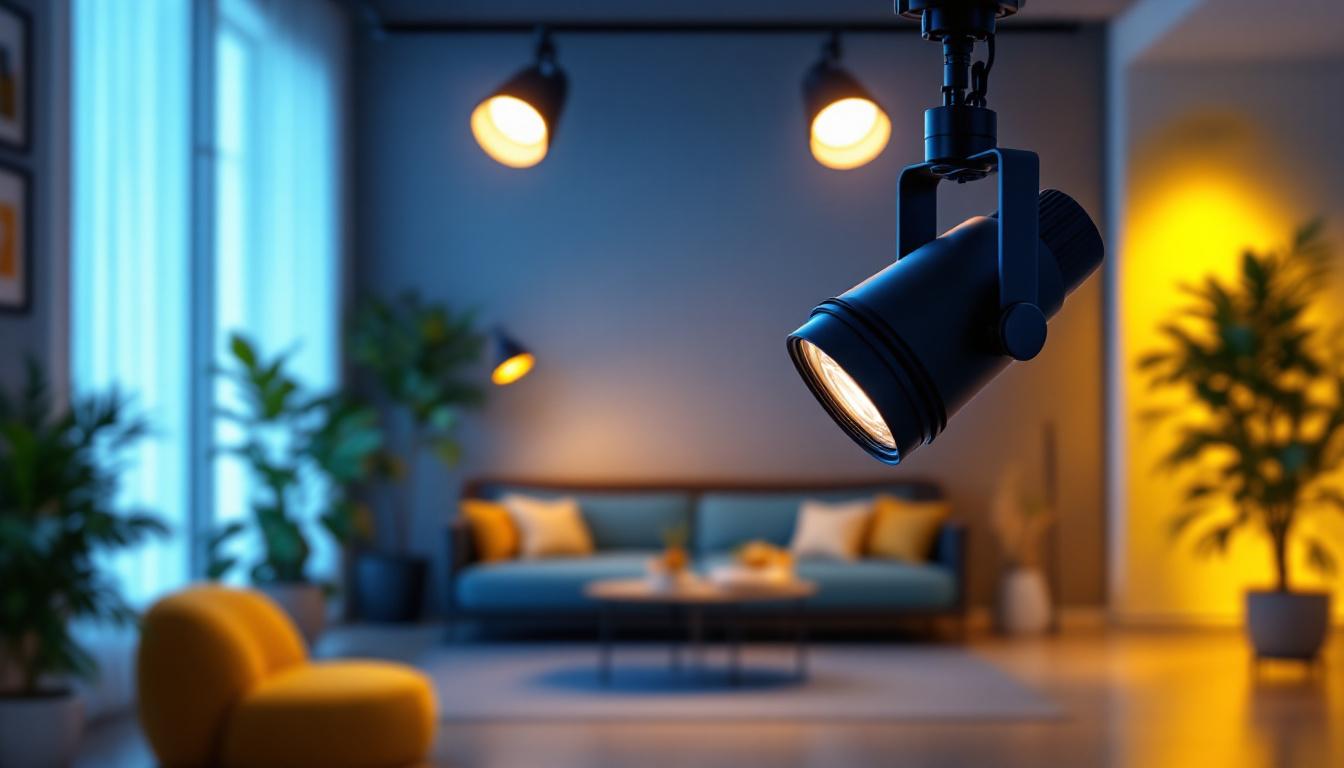
Track lighting systems have become a cornerstone in modern lighting design, offering unparalleled flexibility and functionality for both residential and commercial spaces. For lighting contractors, mastering the nuances of track lighting is essential to delivering solutions that meet diverse client needs. At its core, a track lighting system consists of a linear track mounted to a ceiling or wall, with multiple light fixtures that can be repositioned along the track. This modularity allows for dynamic lighting arrangements that can be easily adjusted without rewiring or major renovations.
The benefits of track lighting extend beyond mere flexibility. Track systems provide targeted illumination, which is ideal for accentuating artwork, architectural features, or retail displays. Additionally, they often support a variety of bulb types and wattages, enabling contractors to customize brightness and color temperature according to the specific ambiance desired. The ability to integrate dimmers and smart controls further enhances their appeal, making track lighting a versatile choice for both functional and aesthetic applications. Moreover, track lighting can be an energy-efficient option, especially when LED bulbs are utilized, providing long-lasting illumination while reducing electricity consumption.
Key Components and Types of Track Lighting
Understanding the components of a track lighting system is crucial for installation and customization. The primary elements include the track itself, which serves as the electrical conduit; the light fixtures or heads, which attach to the track; and the power feed, which connects the system to the electrical supply. Tracks come in different configurations such as H, J, and L types, each with unique electrical connectors and compatibility with specific fixtures. This variety allows for tailored installations that can meet specific aesthetic and functional demands, ensuring that the lighting design aligns perfectly with the overall vision of the space.
There are also three main track lighting types: monorail, flexible, and standard track systems. Monorail systems offer sleek, curved designs suitable for contemporary interiors. Flexible tracks can bend to accommodate unusual layouts, which is perfect for creative or irregular spaces. Standard tracks are rigid and typically used in straightforward linear applications. Selecting the appropriate track type depends on the project requirements and client preferences. Additionally, the choice of fixtures can greatly influence the overall effect; for instance, spotlights can create focused beams for highlighting specific areas, while pendant lights can add a decorative touch and provide ambient illumination. This versatility in both track and fixture selection allows designers to craft unique lighting solutions that enhance the character of any environment.
Design Considerations for Optimal Track Lighting Implementation
Effective lighting design is a blend of art and science, and track lighting offers a canvas rich with possibilities. For lighting contractors, several factors must be considered to optimize the system’s performance and aesthetic appeal.
Assessing Space and Lighting Needs
Before installation, a thorough assessment of the space is essential. This includes evaluating the room’s size, ceiling height, natural light availability, and the primary activities that will occur in the space. For example, a gallery requires precise accent lighting to highlight artworks without glare, whereas a retail environment benefits from adjustable fixtures that can spotlight changing merchandise displays.
Contractors should also consider the color temperature and brightness levels suitable for the environment. Warmer tones create a cozy atmosphere, ideal for hospitality settings, while cooler tones enhance focus and visibility in workspaces. Incorporating client input during this phase ensures the lighting design aligns with their vision and functional needs. Additionally, understanding the psychological effects of lighting can play a crucial role; for instance, soft, warm lighting can make a space feel inviting and encourage relaxation, while bright, cool lighting can stimulate productivity and alertness, particularly in office settings.
Strategic Placement and Fixture Selection
Placement of track heads is critical to avoid shadows and ensure even illumination. Fixtures should be spaced to cover the intended areas adequately, with the ability to adjust angles for maximum effect. For instance, in a kitchen, track lights can be positioned to illuminate countertops and cooking areas, improving both safety and usability.
Choosing the right fixtures is equally important. Options range from spotlights and floodlights to pendant-style heads, each serving different purposes. Spotlights provide focused beams for highlighting, while floodlights offer broader coverage. Some fixtures come with interchangeable lenses or beam angles, allowing contractors to fine-tune the light distribution on site. Furthermore, the aesthetic design of the fixtures themselves can complement the overall decor of the space; sleek, modern track heads can enhance a contemporary design, while vintage-inspired fixtures can add character to a more traditional setting. It’s also worth considering energy-efficient LED options, which not only reduce electricity costs but also have a longer lifespan, contributing to a more sustainable lighting solution.
Technical Aspects and Installation Best Practices
From a technical standpoint, track lighting systems require careful planning and adherence to electrical codes to ensure safety and reliability. Lighting contractors must be well-versed in wiring methods, load calculations, and compatibility issues.
Electrical Load and Power Supply Considerations
Each track lighting system has a maximum wattage capacity that must not be exceeded to prevent overheating or circuit overload. Contractors should calculate the total wattage of all fixtures and ensure the power feed and circuit breaker can handle the load. Using LED fixtures can significantly reduce power consumption and heat output, allowing for more fixtures on a single track without compromising safety.
Power feeds come in various forms, including end feeds, center feeds, and floating feeds, each suited to different track layouts. Selecting the appropriate feed type facilitates clean wiring and aesthetic integration. Additionally, incorporating dimmer switches or smart controls requires compatibility checks with the fixtures and power supply.
Installation Techniques for Efficiency and Durability
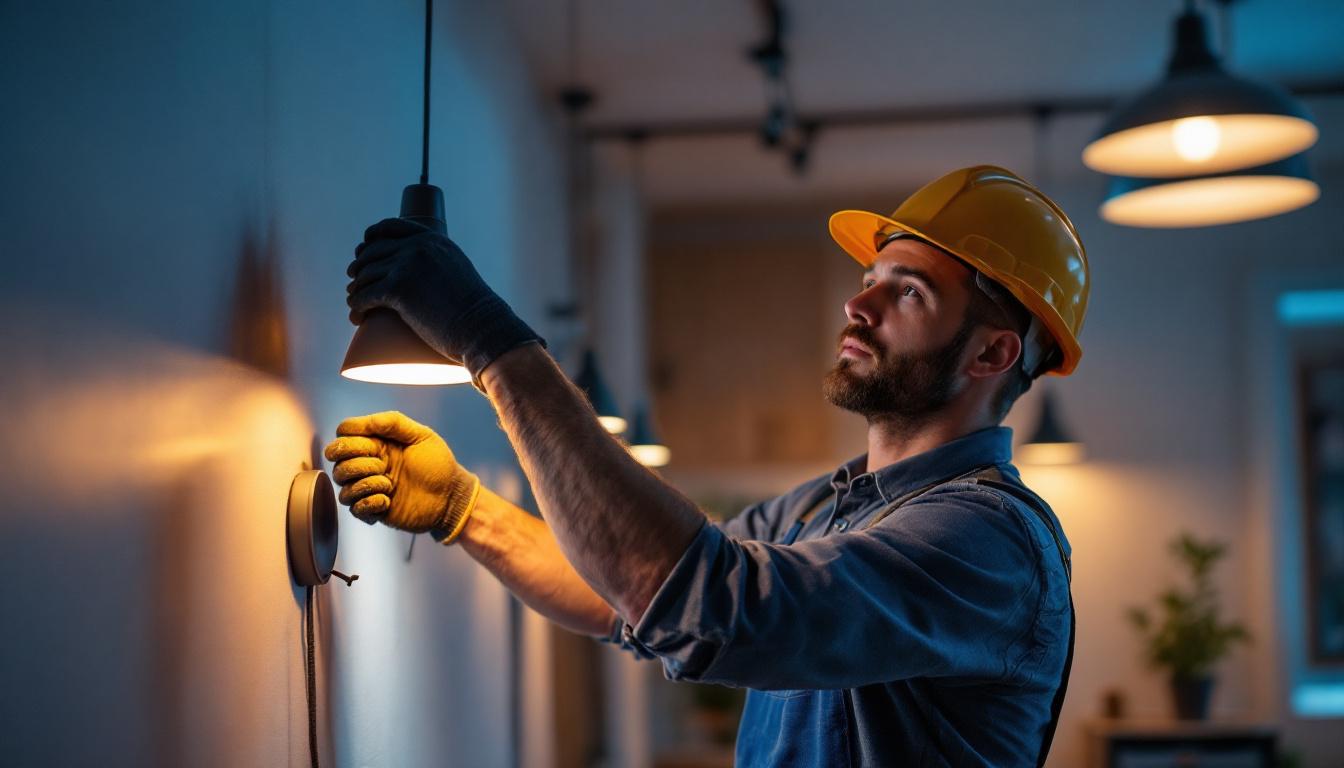
Proper mounting of the track is essential for both function and longevity. Tracks should be securely fastened to structural elements such as joists or beams to support the weight of the fixtures and prevent sagging. Surface-mounted tracks are common, but recessed or pendant-mounted options are available for specific design requirements.
Contractors should also ensure that all electrical connections are tight and insulated to prevent shorts or corrosion. Testing the system thoroughly before finalizing the installation helps identify any issues early. Providing clients with guidance on adjusting and maintaining the track lighting system enhances their satisfaction and the system’s lifespan.
Innovations and Trends in Track Lighting
The lighting industry is continually evolving, and track lighting systems have embraced several innovations that enhance their functionality and appeal.
Integration with Smart Lighting Technologies
Smart lighting controls have revolutionized how track lighting systems are used. Integration with wireless systems allows users to adjust brightness, color temperature, and even light direction remotely via smartphones or voice commands. For contractors, this means offering clients cutting-edge solutions that improve energy efficiency and user convenience.
Moreover, smart systems can be programmed for automated schedules or scene settings, adapting lighting to different times of day or activities. This adaptability not only enhances user experience but also contributes to energy savings by reducing unnecessary usage.
Advancements in LED and Energy Efficiency
LED technology continues to dominate the track lighting market due to its superior energy efficiency, longevity, and versatility. Modern LED fixtures offer high lumen output with minimal heat generation, which is beneficial for both safety and comfort. Additionally, LEDs are available in a wide range of color temperatures and can be dimmed smoothly, providing contractors with greater design flexibility.
Energy codes and sustainability goals increasingly favor LED solutions, making them a prudent choice for contractors aiming to meet regulatory requirements and client expectations for eco-friendly lighting.
Case Studies: Successful Track Lighting Applications
Examining real-world applications of track lighting systems can provide valuable insights for lighting contractors seeking to optimize their projects.
Retail Environment: Enhancing Product Visibility
In a high-end retail store, track lighting was employed to create a dynamic and inviting shopping experience. Adjustable spotlights were strategically placed to highlight new product lines and seasonal displays, drawing customer attention and increasing sales. The use of LED fixtures with adjustable beam angles allowed for quick reconfiguration as merchandise changed, demonstrating the system’s adaptability.
The contractor integrated smart controls, enabling store managers to adjust lighting scenes based on time of day and promotional events. This flexibility maximized energy efficiency and enhanced the store’s ambiance, contributing to positive customer feedback.
Gallery Space: Precision and Atmosphere
A contemporary art gallery utilized track lighting to achieve precise illumination of exhibits without compromising the overall atmosphere. The contractor selected fixtures with narrow beam angles and high color rendering indexes (CRI) to ensure that artwork colors appeared vibrant and true to life. The track system’s modularity allowed for easy repositioning as new exhibitions were installed.
Additionally, dimmable LED fixtures enabled curators to adjust lighting intensity to suit different types of artwork and ambient conditions. This project exemplified how thoughtful track lighting design enhances both the functionality and aesthetic quality of a space.
Conclusion: Maximizing the Potential of Track Lighting Systems
For lighting contractors, track lighting systems represent a powerful tool to deliver customized, efficient, and visually compelling lighting solutions. By understanding the technical specifications, design principles, and emerging technologies, contractors can leverage track lighting to meet the evolving demands of their clients.
From flexible fixture placement to integration with smart controls and energy-efficient LEDs, track lighting offers unmatched versatility. Whether illuminating a retail display, gallery, or residential space, the thoughtful application of track lighting can transform environments and elevate the overall lighting experience.
Staying informed about industry trends and continuously refining installation techniques will ensure that contractors remain competitive and capable of delivering superior lighting solutions that stand the test of time.
Illuminate Your Projects with LumenWholesale
Ready to harness the full potential of track lighting systems and elevate your lighting solutions? Look no further than LumenWholesale for all your lighting needs. Our extensive selection of spec-grade lighting products is designed to meet the highest industry standards, ensuring you deliver reliable and high-performance lighting for every project. With unbeatable wholesale prices and the convenience of free shipping on bulk orders, you can trust LumenWholesale to provide premium lighting without hidden fees or compromises. Elevate your lighting game and discover the best value in wholesale lighting today.