Understanding Standard Light Bulb Socket Sizes
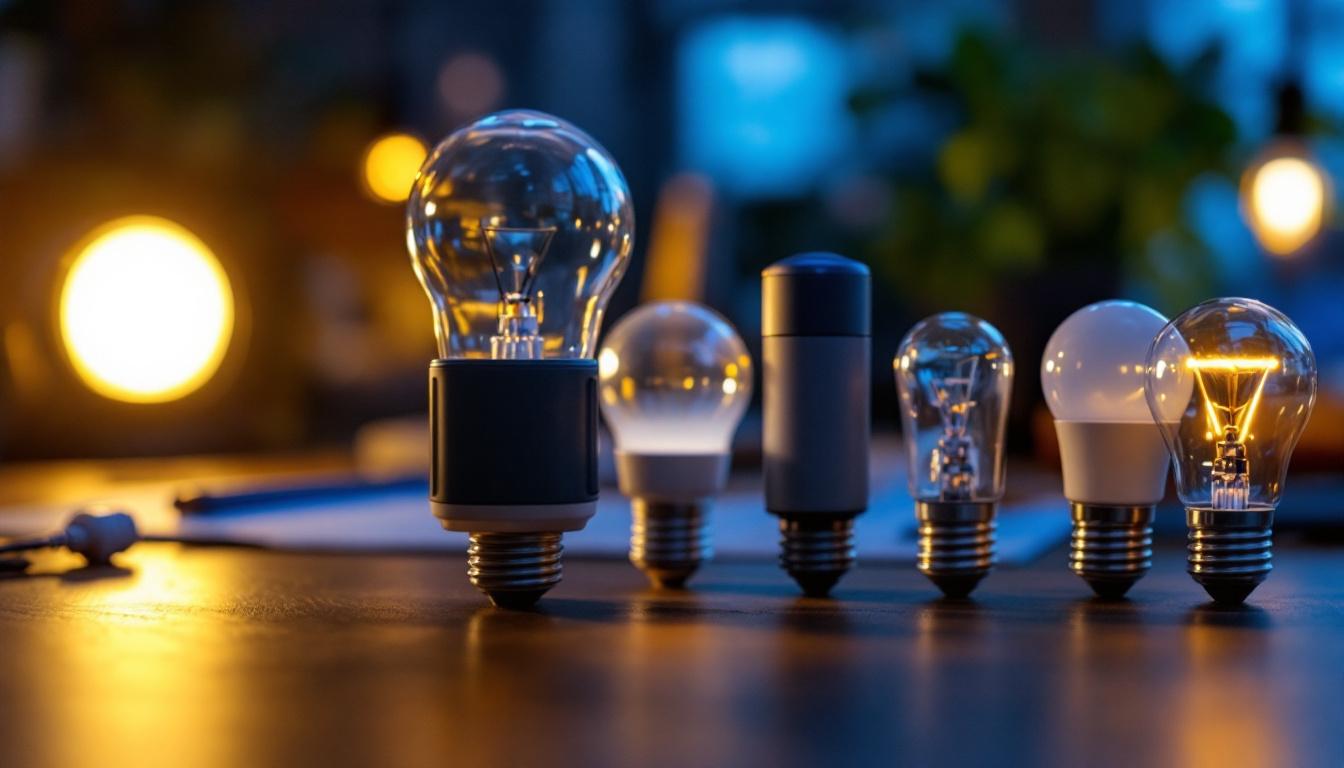
For lighting contractors, knowing the standard light bulb socket size is fundamental to ensuring compatibility, safety, and efficiency in every installation. The most common socket size used in residential and commercial lighting fixtures is the E26 base in North America and the E27 base in Europe and many other parts of the world. Both are part of the Edison screw (ES) family, which has been the industry standard for over a century due to its reliability and ease of use.
The E26 and E27 sockets are nearly identical in size, with the numbers representing the diameter of the base in millimeters—26 mm and 27 mm respectively. This slight difference rarely affects bulb compatibility, but understanding regional preferences is crucial when sourcing materials or advising clients. For example, while E26 is standard in the U.S. and Canada, E27 is prevalent in Europe, Asia, and Australia.
Beyond the Edison screw types, there are other socket sizes such as E12 (candelabra), E14 (small Edison screw), and larger sizes like E39 and E40 used in industrial or high-wattage applications. However, for most residential and commercial lighting projects, E26/E27 remains the go-to standard.
In addition to the common E26 and E27 sockets, it’s important to consider the growing trend of LED lighting, which has prompted the development of specialized sockets and fixtures. LED bulbs are available in various shapes and sizes, and while they often fit standard sockets, some may require specific types of fixtures designed to accommodate their unique heat dissipation and energy efficiency characteristics. This has led to an increase in the popularity of GU10 and MR16 sockets, particularly in recessed lighting applications, where directional lighting is essential.
Furthermore, as energy efficiency regulations become more stringent, the importance of selecting the right socket size and type will only increase. Lighting contractors must stay informed about advancements in lighting technology and the corresponding socket designs to ensure that their installations not only meet current standards but also anticipate future trends. This knowledge is vital not just for compliance, but also for providing clients with the most effective and sustainable lighting solutions available.
Why Socket Size Matters for Lighting Contractors
Socket size directly influences the type of bulbs that can be installed, impacting everything from fixture design to energy efficiency and safety compliance. Using the wrong socket size can lead to poor electrical contact, increased risk of bulb failure, or even hazards like electrical shorts and fires.
For contractors, understanding socket sizes ensures that installations meet client expectations and code requirements. It also streamlines the procurement process, reducing the risk of ordering incompatible bulbs or fixtures. This knowledge is especially important when retrofitting older buildings, where socket types might vary or be non-standard.
Moreover, socket size affects the range of lighting technologies available. For example, LED bulbs designed to fit E26 sockets offer significant energy savings and longevity compared to traditional incandescent bulbs. Contractors who can advise clients on compatible, efficient lighting options demonstrate expertise and add value to their services.
In addition to energy efficiency, the aesthetic impact of socket size cannot be overlooked. Different socket sizes can influence the overall look and feel of a space. For instance, larger sockets may accommodate more decorative bulb designs, which can enhance the ambiance of restaurants or retail environments. Lighting contractors who are well-versed in the nuances of socket sizes can recommend the most suitable options that not only meet functional needs but also elevate the design of the space.
Furthermore, socket size plays a crucial role in the evolution of smart lighting solutions. As the industry shifts towards smart bulbs that can be controlled via apps or voice commands, the compatibility of these bulbs with existing socket sizes becomes paramount. Contractors who stay informed about the latest advancements in smart lighting technology can better serve their clients by ensuring that the chosen fixtures and bulbs will integrate seamlessly, providing both convenience and modern functionality to their lighting systems.
Common Socket Types and Their Applications
E26/E27: The Workhorse of Lighting
The E26/E27 socket is the most versatile and widely used base, suitable for a vast array of bulbs including incandescent, CFL, halogen, and LED. Its screw-in design provides secure mechanical and electrical connections, making it ideal for most household and commercial fixtures such as ceiling lights, lamps, and recessed lighting.
Lighting contractors often encounter E26/E27 sockets when working on standard fixtures, making it essential to stock compatible bulbs and understand their wattage limits. For example, many E26 sockets are rated for bulbs up to 60 watts, though LED equivalents consume far less power for the same light output. Additionally, the E26/E27 socket’s popularity has led to a wide variety of decorative and specialty bulbs being available, allowing homeowners and designers to create unique lighting effects that enhance the ambiance of any space. From vintage-style Edison bulbs to modern smart bulbs that can change color and intensity, the versatility of this socket type supports a range of creative lighting solutions.
E12 and E14: Specialty and Decorative Lighting
Smaller Edison screw bases like E12 (candelabra) and E14 (small Edison screw) are commonly used in chandeliers, sconces, and decorative lamps. These sockets accommodate bulbs with a slimmer profile, often designed for aesthetic appeal rather than maximum illumination.
Contractors working in hospitality or residential sectors frequently encounter these sizes and must be familiar with their specific bulb options. Since these sockets are smaller, they typically support lower wattage bulbs, which is important when selecting energy-efficient replacements. The design of E12 and E14 bulbs often emphasizes elegance and style, making them ideal for decorative fixtures that serve as focal points in a room. Furthermore, the rise of LED technology has introduced a plethora of energy-efficient options in these sizes, enabling consumers to enjoy beautiful lighting without compromising on sustainability or energy costs.
Medium and Mogul Bases: Industrial and High-Power Applications
For high-wattage lighting needs, such as street lamps, warehouses, or stadium lighting, larger bases like E39 (mogul) and E40 are standard. These sockets accommodate bulbs that can handle higher voltages and wattages, often in the hundreds of watts range.
While less common in everyday residential work, contractors specializing in commercial or industrial lighting must understand these sizes to ensure proper fixture compatibility and electrical safety. The robust construction of mogul bases is designed to withstand the rigors of high-demand environments, often featuring enhanced heat dissipation to prolong the life of the bulbs. Additionally, the use of high-intensity discharge (HID) lamps in these sockets is prevalent in outdoor settings, providing bright and effective illumination for large areas. As the industry shifts towards more energy-efficient solutions, the development of LED alternatives for mogul sockets is becoming increasingly important, offering significant energy savings while maintaining the necessary light output for industrial applications.
Hacks and Best Practices for Smart Lighting Contractors
1. Always Verify Socket Size Before Ordering
One of the simplest yet most effective hacks is to physically check the socket size on-site before purchasing bulbs or fixtures. This prevents costly mistakes and delays. Carrying a socket size gauge tool or a set of sample bulbs can expedite this process.
Additionally, reading fixture labels or manufacturer specifications can provide socket size information. When in doubt, consulting with manufacturers or suppliers ensures accuracy.
2. Stock a Variety of Bulbs for Different Socket Sizes
Smart contractors maintain an inventory that covers the most common socket sizes and bulb types. This readiness allows for quick replacements and retrofits, improving customer satisfaction and project turnaround times.
Including energy-efficient LED bulbs in various sizes and color temperatures also positions contractors as knowledgeable advisors on sustainable lighting solutions.
3. Use Socket Adapters Judiciously
Socket adapters can convert one socket size to another, such as E12 to E26, offering flexibility in bulb selection. However, these should be used carefully to avoid overloading circuits or compromising fixture integrity.
Contractors should ensure adapters are UL-listed or certified for safety and match the electrical ratings of the bulbs and fixtures involved.
4. Educate Clients on Socket Compatibility and Energy Savings
Clients often appreciate guidance on why certain bulbs fit and others don’t, especially when upgrading to LED lighting. Explaining socket sizes in simple terms and highlighting the benefits of compatible, energy-efficient bulbs builds trust and encourages informed decisions.
Providing written recommendations or visual aids can further enhance client understanding and satisfaction.
5. Keep Up with Emerging Socket Technologies
While Edison screw sockets dominate, new lighting technologies sometimes introduce alternative bases, such as GU10 or bi-pin connectors for specialty fixtures. Staying informed about these trends allows contractors to expand their expertise and service offerings.
Attending industry workshops, subscribing to lighting trade publications, and networking with manufacturers are effective ways to stay current.
Ensuring Compliance and Safety with Socket Installations
Lighting contractors must always prioritize electrical code compliance and safety standards when working with sockets. This includes verifying that sockets are rated for the correct voltage and wattage, using proper wiring techniques, and ensuring fixtures are grounded where required.
Improper socket installation or mismatched bulbs can lead to overheating, electrical shorts, or fire hazards. Adhering to guidelines from organizations such as the National Electrical Manufacturers Association (NEMA) and the National Electrical Code (NEC) is essential.
Regular inspection and maintenance of sockets and fixtures also help prevent failures and extend the lifespan of lighting systems, reinforcing a contractor’s reputation for quality workmanship.
Conclusion: Mastering Socket Sizes for Professional Excellence
For lighting contractors, mastering the nuances of standard light bulb socket sizes is a cornerstone of professional excellence. From the ubiquitous E26/E27 to specialty and industrial bases, understanding these standards ensures seamless installations, client satisfaction, and adherence to safety regulations.
Implementing practical hacks such as verifying socket sizes on-site, maintaining diverse inventory, and educating clients enhances operational efficiency and positions contractors as trusted experts. Staying abreast of technological advancements and compliance requirements further strengthens a contractor’s competitive edge in the evolving lighting industry.
Ultimately, a deep knowledge of socket sizes empowers lighting contractors to deliver smart, safe, and sustainable lighting solutions that illuminate spaces effectively and reliably.
Get Your Premium Lighting Supplies at LumenWholesale
Ready to elevate your lighting projects with the best in class products? Look no further than LumenWholesale, where we provide contractors with high-quality, specification-grade lighting products at unbeatable wholesale prices. Our extensive selection is designed to meet the highest industry standards, ensuring you can deliver smart, safe, and sustainable lighting solutions with confidence. Plus, with free shipping on bulk purchases, you can stock up on everything you need without worrying about hidden fees. Make your next project shine with the perfect blend of quality, affordability, and convenience. Wholesale Lighting at the Best Value is just a click away.