LED Lighting For Closet: Lighting Contractors’ Secrets to Master
As the demand for energy-efficient solutions continues to rise, LED lighting has become a preferred choice for various applications, including closet spaces. For lighting contractors, understanding the nuances of LED lighting for closets can significantly enhance their service offerings and client satisfaction. This article delves into the secrets that lighting contractors should master to effectively implement LED lighting in closets, ensuring both functionality and aesthetic appeal.
Understanding the Importance of Closet Lighting
Closets often serve as storage spaces, but they can also be a reflection of personal style and organization. Proper lighting is crucial in these areas to help users easily locate items and maintain an organized environment. Without adequate lighting, closets can become dark and uninviting, leading to frustration and inefficiency.
Enhancing Visibility
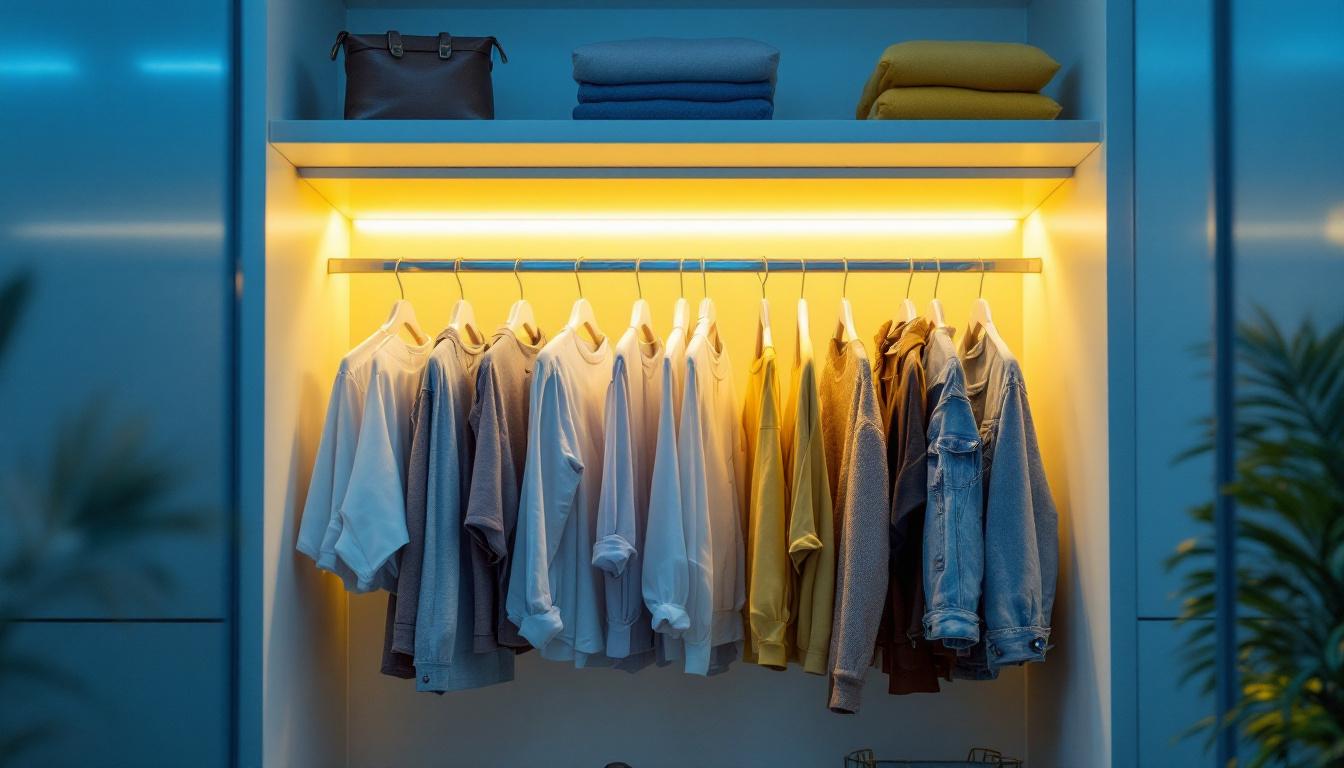
One of the primary reasons for installing LED lighting in closets is to enhance visibility. Poor lighting can make it difficult to find clothing, shoes, or accessories, resulting in wasted time and effort. LED lights provide bright, clear illumination that can transform a dim closet into a well-lit space.
Moreover, the ability to adjust the brightness of LED lights allows for customization based on individual preferences. Some clients may prefer a softer light for a more relaxed atmosphere, while others may require brighter lighting for detailed tasks such as selecting outfits or organizing items. The strategic placement of lights, such as under-shelf lighting or motion-sensor activated fixtures, can further improve accessibility, ensuring that every corner of the closet is illuminated, making it easier to find those hidden treasures tucked away in the back.
Energy Efficiency and Longevity
LED lights are well-known for their energy efficiency. Compared to traditional incandescent bulbs, LEDs consume significantly less power while providing the same amount of light. This energy efficiency translates into lower electricity bills for clients, making it an attractive selling point for contractors.
Additionally, LED lights have a longer lifespan, often lasting up to 25 times longer than traditional bulbs. This longevity reduces the frequency of replacements, saving clients both time and money in the long run. For contractors, promoting these benefits can enhance their reputation as knowledgeable professionals who prioritize sustainability. Furthermore, the reduced heat output of LED lights minimizes the risk of damage to sensitive fabrics and materials stored in closets, preserving the quality of clothing and accessories over time. This added layer of protection is particularly important for high-end garments or sentimental pieces that clients wish to maintain in pristine condition.
Choosing the Right LED Fixtures
Selecting the appropriate LED fixtures for closet spaces is crucial in achieving the desired lighting effect. Various options are available, each with its own advantages and ideal applications.
Recessed Lighting
Recessed lighting is a popular choice for closets due to its sleek and unobtrusive design. These fixtures can be installed into the ceiling, providing a clean look while maximizing headroom. When strategically placed, recessed lights can illuminate the entire closet without creating harsh shadows.
Contractors should consider the spacing and placement of recessed lights to ensure even distribution of light. A common recommendation is to install fixtures every 4 to 6 feet, depending on the size of the closet. This spacing helps avoid dark corners and ensures that every item is visible. Additionally, dimmable recessed lights can offer further customization, allowing users to adjust the brightness according to their needs, whether they are selecting outfits or storing seasonal items. The choice of trim style can also impact the overall aesthetic, with options ranging from baffle trims that reduce glare to reflector trims that enhance brightness.
LED Strip Lights
LED strip lights offer versatility and flexibility, making them an excellent option for closets. They can be installed along shelves, inside cabinets, or even around the perimeter of the closet to create a soft glow. This type of lighting not only enhances visibility but also adds a touch of elegance to the space.
When using LED strip lights, it is essential to choose the right color temperature. Warmer tones (around 2700K) can create a cozy atmosphere, while cooler tones (around 4000K) provide a more modern and vibrant feel. Contractors should discuss these options with clients to determine their preferences. Furthermore, LED strips come in various brightness levels and can be cut to fit specific lengths, making them adaptable to any closet configuration. For added functionality, some strips are even available with smart technology, allowing users to control the lighting via smartphone apps or voice commands, enhancing the overall user experience.
Motion Sensor Lights
Incorporating motion sensor lights into closet designs can significantly enhance convenience. These lights automatically turn on when someone enters the closet and turn off after a set period of inactivity. This feature not only saves energy but also adds a layer of ease for users who may have their hands full.
When selecting motion sensor lights, contractors should consider the sensitivity and range of the sensors. Proper placement is also crucial; sensors should be installed where they can easily detect movement without being obstructed by clothing or shelves. Additionally, some motion sensor lights come with adjustable sensitivity settings, allowing users to customize how easily the lights activate. This can be particularly useful in larger closets where movement may not be as frequent, ensuring that the lights do not inadvertently turn on due to minor disturbances. Furthermore, integrating these sensors with a timer function can enhance energy efficiency, ensuring that lights are only on when truly needed, thus extending the lifespan of the LED fixtures.
Color Temperature and Brightness
Understanding color temperature and brightness is essential for creating the right ambiance in closet spaces. The choice of color temperature can dramatically affect how colors appear and how users feel in the space.
Choosing the Right Color Temperature
Color temperature is measured in Kelvin (K) and can range from warm (2700K) to cool (6500K). For closets, a color temperature between 3000K and 4000K is often ideal. This range provides a balance between warmth and clarity, allowing users to see true colors without the harshness of overly cool lighting.
Contractors should educate clients on the importance of color temperature in relation to their wardrobe. For instance, warm lighting can enhance the appearance of earthy tones, while cooler lighting may be better for vibrant colors. This knowledge can help clients make informed decisions that align with their personal style.
Adjusting Brightness Levels
Brightness levels can significantly impact the functionality of closet lighting. Adjustable LED fixtures or dimmer switches allow users to customize the brightness according to their needs. For example, brighter lighting may be preferred when selecting outfits, while softer lighting can create a more relaxed atmosphere when simply browsing.
When advising clients, contractors should emphasize the benefits of having adjustable brightness. This feature not only enhances usability but also allows for energy savings when full brightness is not necessary.
Installation Tips for Lighting Contractors
Proper installation is key to ensuring that LED lighting performs optimally in closet spaces. Lighting contractors should adhere to best practices to achieve the best results.
Planning the Layout
Before installation, it is essential to plan the layout of the lighting fixtures carefully. This involves assessing the size and shape of the closet, as well as the placement of shelves and clothing rods. A well-thought-out layout will ensure that light is evenly distributed and that all areas are adequately illuminated.
Contractors should also consider the height of the ceiling and the height of the shelves when planning the layout. This consideration will help avoid any issues with shadows or dark spots in the closet.
Wiring Considerations
When installing LED lighting, proper wiring is crucial for safety and functionality. Contractors should ensure that the wiring is up to code and can handle the load of the LED fixtures. It is also essential to use compatible dimmer switches if adjustable brightness is desired.
In some cases, it may be necessary to install additional circuits to accommodate the new lighting. Contractors should assess the existing electrical system and make recommendations based on the specific needs of the project.
Testing and Adjusting
After installation, testing the lighting is vital to ensure everything functions as intended. Contractors should check for any flickering, dimming, or inconsistencies in brightness. Adjustments may be necessary to achieve the desired effect.
Additionally, contractors should encourage clients to test the lighting at different times of the day to see how it performs under various conditions. This feedback can help identify any areas that may require further adjustment.
Maintenance and Troubleshooting
Even with the best installation practices, maintenance and troubleshooting are essential aspects of LED lighting in closets. Contractors should provide clients with guidance on how to care for their lighting systems.
Regular Cleaning
Dust and dirt can accumulate on light fixtures and reduce their effectiveness over time. Regular cleaning is necessary to maintain optimal brightness and clarity. Contractors should recommend using a soft, damp cloth to wipe down fixtures and avoid harsh chemicals that could damage the finish.
Clients should also be advised to check for any obstructions that may block the light, such as clothing or other items. Keeping the closet organized can enhance the overall lighting experience.
Identifying Common Issues
Occasionally, clients may experience issues with their LED lighting systems. Common problems include flickering lights, inconsistent brightness, or complete failure of the fixtures. Contractors should be prepared to troubleshoot these issues and provide solutions.
For flickering lights, checking the wiring and connections is often the first step. Inconsistent brightness may be due to incompatible dimmer switches or faulty fixtures. Educating clients on these common issues can empower them to address minor problems without needing professional assistance.
Conclusion
LED lighting for closets presents a unique opportunity for lighting contractors to enhance their service offerings and meet the growing demand for energy-efficient solutions. By mastering the secrets of LED lighting, including understanding the importance of visibility, choosing the right fixtures, and ensuring proper installation and maintenance, contractors can create functional and aesthetically pleasing closet spaces.
As clients increasingly seek innovative and sustainable lighting options, contractors who are well-versed in LED technology will stand out in a competitive market. By focusing on these key areas, lighting contractors can elevate their expertise and provide exceptional value to their clients.
Illuminate Your Projects with LumenWholesale
Ready to take your closet lighting projects to the next level? Discover the exceptional value and quality that LumenWholesale offers. Our spec-grade lighting products are designed to meet the highest industry standards, ensuring your installations shine with reliability and performance. Say goodbye to inflated markups and hello to unbeatable wholesale prices, plus enjoy the convenience of free shipping on bulk orders. Elevate your lighting solutions with the perfect blend of quality, affordability, and convenience. Start browsing our extensive selection and experience wholesale lighting at the best value today.