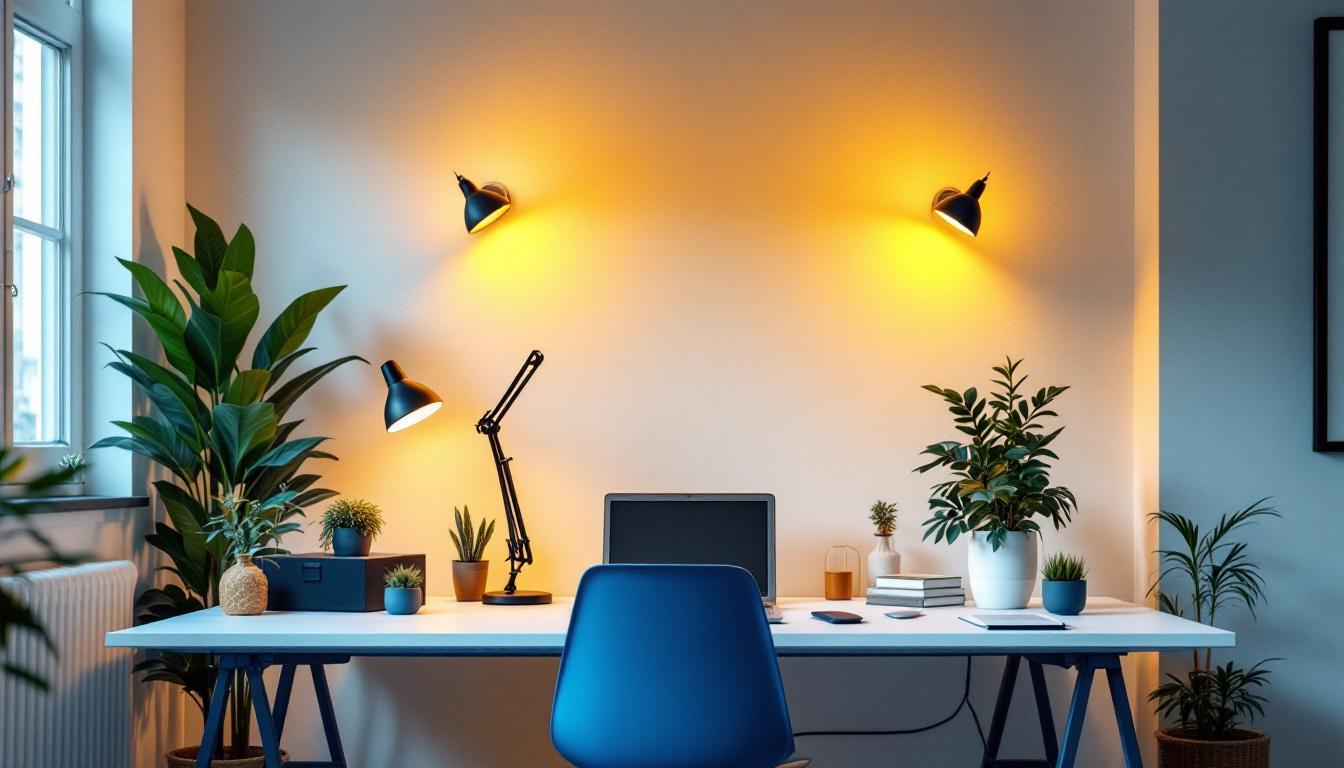
Understanding Wall Mount Motion Detectors: A Primer for Lighting Contractors
Wall mount motion detectors have become an essential component in modern lighting systems, particularly in commercial and residential installations focused on energy efficiency and security. For lighting contractors, mastering the nuances of these devices is critical to delivering high-quality, reliable solutions that meet client expectations and comply with evolving regulations.
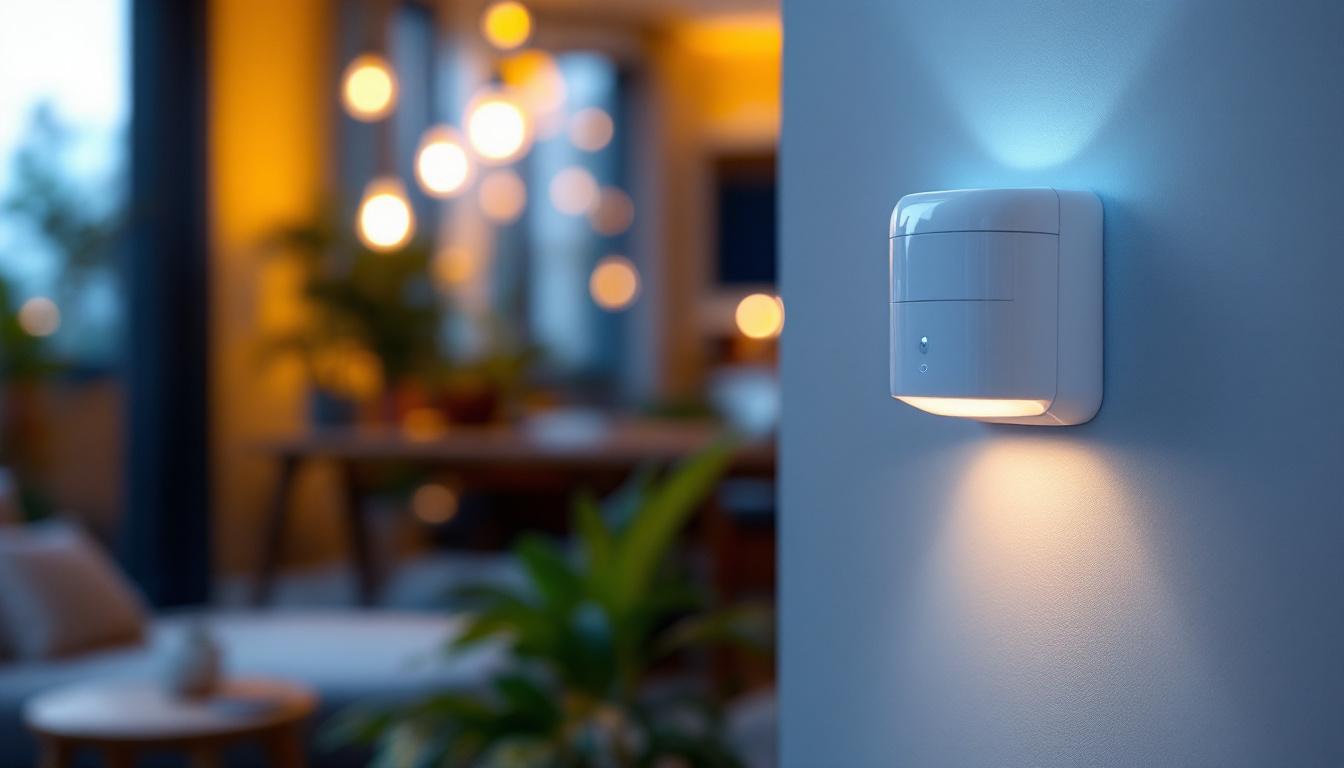
At their core, wall mount motion detectors sense movement within a designated area and trigger lighting or security systems accordingly. These devices typically use technologies such as passive infrared (PIR), ultrasonic, microwave, or a combination of sensors to detect motion. The choice of technology and installation method can significantly influence performance, energy savings, and user satisfaction.
Why Motion Detection Matters in Lighting
Motion-activated lighting reduces unnecessary energy consumption by ensuring lights operate only when needed. This not only lowers utility costs but also extends the lifespan of lighting fixtures. Furthermore, motion detectors enhance safety and security by illuminating spaces when occupants enter, deterring unauthorized access and reducing accident risks in poorly lit areas.
In addition to energy savings and security benefits, wall mount motion detectors can be integrated into smart home systems, allowing for advanced features such as remote monitoring and customizable settings. For instance, contractors can program these devices to adjust sensitivity levels based on the time of day or specific user preferences, creating a tailored experience that enhances convenience. Moreover, many modern detectors come equipped with features like daylight harvesting, which ensures that lights only activate when ambient light levels drop below a certain threshold, further optimizing energy use.
For lighting contractors, understanding the operational principles and installation best practices of wall mount motion detectors is vital to optimizing system performance and client satisfaction. Familiarity with the latest advancements in sensor technology, such as dual-technology sensors that combine PIR and microwave detection, can also provide contractors with a competitive edge. These hybrid systems minimize false triggers while maximizing detection accuracy, making them ideal for high-traffic areas or locations where environmental factors may interfere with traditional sensors.
Key Considerations When Selecting Wall Mount Motion Detectors
Choosing the right motion detector for a project involves evaluating several factors that influence functionality, durability, and compatibility with lighting systems.
Sensor Technology and Detection Range
Passive infrared (PIR) sensors detect heat emitted by moving objects, making them highly effective for indoor environments with clear line-of-sight. However, PIR sensors can be less effective in extreme temperature conditions or when obstacles block the sensor’s field of view.
Ultrasonic sensors emit sound waves and detect changes in frequency caused by movement, allowing detection around corners or through partitions. Microwave sensors operate similarly but use electromagnetic waves, offering longer detection ranges but potential interference with other devices.
Many advanced wall mount motion detectors combine PIR and ultrasonic technologies to minimize false triggers and improve accuracy. Lighting contractors should assess the environment and client requirements to select the most appropriate sensor technology. For instance, in environments with high foot traffic, such as retail spaces or offices, a dual-technology sensor can significantly enhance reliability by ensuring that the detection system remains responsive to varying movement patterns.
Detection Coverage and Mounting Height
The detection coverage area and mounting height are critical to ensuring reliable activation and avoiding blind spots. Wall mount detectors typically cover a horizontal range of 180 degrees or more, with detection distances varying from a few feet up to 50 feet or beyond.
Mounting height recommendations usually range between 6 to 10 feet, depending on the sensor type and desired coverage. Installing the detector too high can reduce sensitivity to small movements, while mounting too low may cause frequent false activations from pets or passing vehicles.
Lighting contractors must carefully survey the installation site and consult manufacturer specifications to determine optimal placement. Additionally, the layout of the space should be considered; for example, in areas with high ceilings or open floor plans, strategically placing multiple sensors may be necessary to ensure comprehensive coverage and eliminate any potential dead zones that could compromise security or convenience.
Compatibility with Lighting Systems and Controls
Modern lighting systems often integrate with building automation and smart controls, requiring motion detectors to support various communication protocols such as 0-10V dimming, DALI, or wireless standards like Zigbee and Bluetooth.
Ensuring compatibility between the motion detector and lighting control system is essential to achieve seamless operation. For example, in LED lighting applications, the detector must support dimming functions to enable gradual light adjustments rather than abrupt on/off switching.
Additionally, some detectors offer adjustable time delays, sensitivity settings, and ambient light sensors to prevent activation during daylight, enhancing energy efficiency and user comfort. This adaptability is particularly valuable in environments where lighting needs fluctuate throughout the day, such as in conference rooms or classrooms, where occupancy patterns can vary significantly. By leveraging these advanced features, contractors can create tailored solutions that not only meet the immediate lighting requirements but also contribute to long-term energy savings and user satisfaction.
Installation Best Practices for Wall Mount Motion Detectors
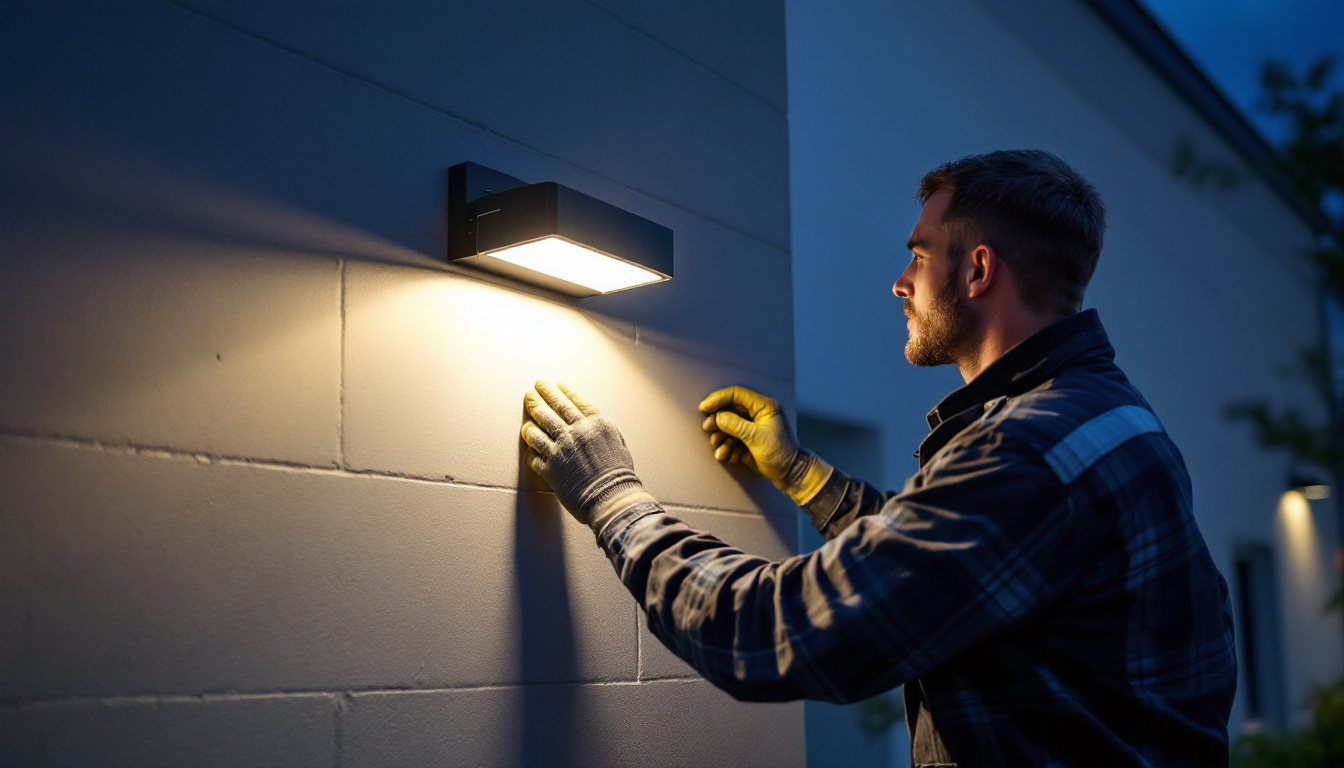
Proper installation is paramount to maximizing the performance and reliability of wall mount motion detectors. Lighting contractors should follow industry standards and manufacturer guidelines while adapting to site-specific conditions.
Site Assessment and Preparation
Before installation, conduct a thorough site assessment to identify potential sources of interference such as HVAC vents, reflective surfaces, or heat-generating equipment that may cause false triggers. Understanding traffic patterns and occupancy behaviors helps determine the ideal sensor placement and settings.
Ensuring the mounting surface is stable and free from obstructions is also critical. Electrical wiring should comply with local codes and be routed to minimize electromagnetic interference. Additionally, consider the environmental factors such as temperature and humidity, as extreme conditions can affect the sensor’s performance. For instance, placing a motion detector in a damp area may require weatherproof models to ensure longevity and reliability.
Optimal Sensor Positioning
Position the motion detector to cover primary traffic areas while minimizing exposure to irrelevant movements. For example, avoid pointing sensors directly at windows where sunlight or passing vehicles could cause false activations.
When installing multiple detectors in a large space, overlap coverage zones slightly to prevent dead spots but avoid excessive overlap that may cause conflicting signals. It’s also beneficial to take into account the height at which the sensors are mounted; typically, a height of 6 to 8 feet is recommended for optimal detection range. Furthermore, consider the angle of the sensor; tilting it slightly downward can enhance its ability to detect motion across a wider area, especially in spaces with varying levels of foot traffic.
Calibration and Testing
After installation, calibrate the detector’s sensitivity, time delay, and ambient light threshold according to the client’s needs and environmental conditions. Many devices allow adjustments via dip switches, remote controls, or mobile apps.
Perform comprehensive testing during different times of day and under various occupancy scenarios to verify reliable operation. Document settings and provide clients with clear instructions on how to adjust parameters if needed. Additionally, consider scheduling regular maintenance checks to ensure that the sensors remain clean and unobstructed over time. Dust or debris accumulation can significantly impair their functionality, leading to missed detections or false alarms. Providing clients with a simple maintenance checklist can help them keep their systems operating efficiently and effectively.
Common Challenges and Troubleshooting Tips
Lighting contractors frequently encounter challenges related to false triggers, sensor malfunctions, or integration issues. Awareness of these common problems and their solutions ensures efficient resolution and client satisfaction.
False Activations and Sensitivity Issues
False activations can stem from environmental factors such as moving curtains, heating vents, or pets. To mitigate this, reduce sensor sensitivity, adjust detection zones, or install physical barriers to limit unwanted movement within the sensing area.
In some cases, switching to a dual-technology sensor that requires both heat and motion detection can significantly reduce false triggers.
Inconsistent Detection and Dead Zones
Dead zones occur when the sensor’s field of view is obstructed or improperly aligned. Repositioning the detector or adjusting the mounting height often resolves this issue. Additionally, verify that the sensor lens is clean and free from damage.
Integration and Compatibility Problems
When motion detectors fail to communicate correctly with lighting controls, check wiring connections, protocol compatibility, and firmware updates. Consulting manufacturer support and leveraging diagnostic tools can expedite troubleshooting.
Emerging Trends and Innovations in Motion Detection
The motion detection landscape continues to evolve, offering new opportunities for lighting contractors to enhance system capabilities and client value.
Smart Sensors and IoT Integration
Integration with Internet of Things (IoT) platforms enables advanced features such as remote monitoring, data analytics, and adaptive lighting control based on occupancy patterns. Smart wall mount motion detectors can communicate with other building systems, providing holistic energy management and security solutions.
Energy Harvesting and Wireless Solutions
Recent advancements include energy-harvesting sensors that operate without batteries by converting ambient energy sources like light or motion into electrical power. Wireless motion detectors simplify installation by eliminating the need for extensive wiring, reducing labor costs and increasing flexibility.
Enhanced Detection Algorithms
Artificial intelligence and machine learning algorithms are being incorporated into motion detectors to improve accuracy and reduce false positives. These smart systems can differentiate between humans, animals, and inanimate objects, tailoring responses accordingly.
Conclusion: Maximizing Value Through Expertise
For lighting contractors, expertise in wall mount motion detectors is a competitive advantage that drives project success and customer satisfaction. By carefully selecting appropriate technologies, adhering to best installation practices, and staying abreast of emerging trends, contractors can deliver lighting solutions that are efficient, reliable, and future-ready.
Investing time in understanding the intricacies of motion detection not only enhances technical proficiency but also positions contractors as trusted advisors in an increasingly sophisticated market.
Get Your Premium Wall Mount Motion Detectors at LumenWholesale
Ready to elevate your lighting projects with the latest wall mount motion detectors? Look no further than LumenWholesale, where we offer an extensive selection of spec-grade lighting products at unbeatable wholesale prices. Say goodbye to inflated markups and hello to superior lighting solutions that meet the highest industry standards. With LumenWholesale, bulk buying is a breeze, thanks to our hassle-free process and free shipping. Don’t compromise on quality or value—choose LumenWholesale for efficient, reliable, and cost-effective lighting options. Wholesale Lighting at the Best Value is just a click away. Experience the difference today!