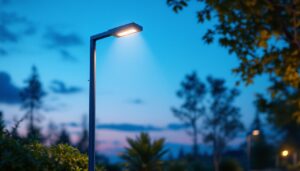
Introduction to Solar Lighting for Contractors
Solar lighting has become an increasingly popular solution for both residential and commercial outdoor lighting projects. As lighting contractors, embracing solar technology not only aligns with sustainable practices but also offers clients cost-effective, low-maintenance lighting options. However, despite the clear advantages, many contractors encounter challenges that can compromise the performance and longevity of solar lighting installations.
Understanding common pitfalls is essential to delivering high-quality solar lighting solutions. This article explores frequent mistakes made by lighting contractors when working with strong solar lights and provides actionable insights to avoid them, ensuring client satisfaction and project success.
One of the primary advantages of solar lighting is its ability to harness renewable energy, which significantly reduces electricity costs and reliance on traditional power sources. This not only benefits the environment but also appeals to a growing demographic of eco-conscious consumers. Furthermore, solar lights are often equipped with advanced features such as motion sensors and adjustable brightness settings, allowing for enhanced security and energy efficiency. Contractors should familiarize themselves with the latest solar technology advancements to provide clients with the most effective solutions tailored to their specific needs.
Moreover, proper site assessment is crucial in maximizing the efficiency of solar lighting systems. Factors such as shading from trees or buildings, geographical location, and seasonal changes can greatly affect solar panel performance. By conducting thorough evaluations and educating clients about the importance of optimal placement, contractors can ensure that solar lights receive adequate sunlight exposure throughout the day. This proactive approach not only enhances the functionality of the lighting system but also builds trust and credibility with clients, showcasing the contractor’s expertise in solar technology.
Overlooking Proper Site Assessment and Sunlight Availability
Failing to Evaluate Solar Exposure
One of the most critical factors for the success of solar lighting is adequate sunlight exposure. Solar panels rely on direct sunlight to charge batteries effectively. A common mistake contractors make is neglecting to conduct a thorough site assessment to determine if the installation location receives sufficient sunlight throughout the day.
Shadows cast by buildings, trees, or other structures can significantly reduce the solar panel’s ability to recharge. Contractors who overlook this often find that the lights underperform or fail prematurely, leading to client dissatisfaction and costly callbacks. Additionally, the angle of the sun changes throughout the year, which can further complicate the assessment. For instance, in winter months, the sun is lower in the sky, and areas that receive ample sunlight in summer may become shaded. Therefore, a comprehensive analysis should include sun path diagrams and shadow studies to accurately predict solar exposure throughout the year.
Ignoring Seasonal Variations
Sunlight availability varies with seasons, especially in regions with significant changes in daylight hours or frequent cloud cover. Contractors must consider these fluctuations during the planning phase to ensure the solar lighting system is designed with adequate capacity to handle periods of low sunlight.
Failing to account for seasonal changes can result in insufficient battery charge during winter months or rainy seasons, causing lights to dim or turn off prematurely. Incorporating solar panels with higher wattage or batteries with greater capacity can mitigate these issues. Furthermore, understanding local climate patterns can help contractors choose the right technology; for example, some solar lights are equipped with advanced sensors that adjust brightness based on available sunlight, ensuring optimal performance regardless of seasonal variations. This proactive approach not only enhances the reliability of the solar lighting system but also builds trust with clients who expect consistent performance year-round.
Improper Selection of Solar Lighting Components
Choosing Incompatible or Low-Quality Solar Panels and Batteries
The market offers a wide range of solar lighting components, but not all are created equal. Some contractors make the mistake of selecting low-quality or incompatible solar panels and batteries to reduce upfront costs. This often leads to poor performance, reduced lifespan, and increased maintenance requirements.
High-quality monocrystalline or polycrystalline solar panels typically provide better efficiency and durability. Similarly, lithium-ion batteries outperform traditional lead-acid batteries in terms of lifespan, charge cycles, and maintenance. Contractors should prioritize quality components to ensure reliable operation and long-term client satisfaction. Investing in reputable brands can also offer warranties and customer support, which can be invaluable when issues arise. Additionally, high-quality components often come with better energy conversion rates, allowing for more effective harnessing of solar energy, which is crucial for maximizing the performance of solar lighting systems.
Ignoring System Compatibility and Integration
Solar lighting systems consist of multiple components that must work seamlessly together, including solar panels, batteries, LED fixtures, and controllers. A common mistake is the failure to verify that these components are compatible and properly integrated.
For example, mismatched voltage ratings or incompatible charge controllers can cause system failures or suboptimal performance. Contractors should carefully review technical specifications and consult manufacturer guidelines to ensure all parts are compatible and correctly configured. Furthermore, understanding the specific energy needs of the lighting application is essential. For instance, outdoor lighting in a shaded area may require different specifications compared to lighting in an open, sunlit space. By taking into account environmental factors and the intended use, contractors can design a solar lighting system that not only meets but exceeds performance expectations, ultimately leading to enhanced energy efficiency and lower operational costs.
Poor Installation Practices
Incorrect Solar Panel Placement and Mounting
Even the best solar panels will underperform if installed incorrectly. Contractors sometimes mount solar panels at improper angles or orientations, reducing their exposure to sunlight. Panels should generally face true south in the northern hemisphere (or true north in the southern hemisphere) and be tilted to match the latitude of the installation site for optimal energy capture. This alignment ensures that the panels receive the maximum amount of sunlight throughout the day, which is crucial for enhancing energy production and efficiency.
Additionally, panels must be securely mounted to withstand wind, rain, and other environmental factors. Loose or unstable mounting can lead to damage or misalignment, further diminishing performance. It is also important for installers to consider potential shading from nearby trees, buildings, or other structures that could obstruct sunlight. Even a small amount of shading can significantly reduce the output of solar panels, making it vital to conduct a thorough site assessment before installation. Furthermore, the use of adjustable mounting systems can allow for seasonal adjustments, optimizing the angle of the panels as the sun’s position changes throughout the year.
Neglecting Wiring and Electrical Connections
Solar lighting systems require careful wiring to ensure safety and functionality. Contractors occasionally overlook proper cable management or use substandard connectors, which can lead to electrical faults, corrosion, or water ingress. Ensuring that all wiring is properly insulated and secured not only enhances the longevity of the system but also prevents potential electrical hazards that could arise from loose connections or exposed wires.
Using weatherproof connectors, protecting cables from physical damage, and following electrical codes are essential steps. Proper grounding and surge protection should also be implemented to safeguard the system against electrical hazards. Additionally, regular maintenance checks on wiring and connections can help identify early signs of wear or damage, allowing for timely repairs. This proactive approach not only extends the lifespan of the solar system but also ensures that it operates at peak efficiency, maximizing the return on investment for homeowners and businesses alike. Moreover, educating clients about the importance of these practices can empower them to make informed decisions regarding their solar installations and maintenance routines.
Inadequate Maintenance Planning and Client Education
Failing to Provide Maintenance Guidelines
Although solar lights are often marketed as low-maintenance, they still require periodic care to maintain optimal performance. Contractors sometimes neglect to provide clients with clear maintenance instructions, leading to premature system degradation.
Routine tasks such as cleaning solar panels to remove dust and debris, checking battery health, and inspecting fixtures for damage are vital. Educating clients on these practices helps extend the lifespan of the installation and reduces service calls.
Overlooking Battery Replacement and Recycling
Batteries are the most vulnerable component of solar lighting systems, with limited lifespans depending on type and usage. Contractors who fail to plan for battery replacement schedules risk system failures that frustrate clients.
Furthermore, responsible disposal or recycling of old batteries is crucial for environmental compliance and corporate responsibility. Contractors should establish clear protocols for battery replacement and educate clients on the importance of timely servicing.
Underestimating the Importance of Lighting Design and Placement
Ignoring Lighting Needs and Aesthetic Considerations
Strong solar lights must not only function well but also meet the lighting requirements and aesthetic preferences of the project. Contractors sometimes focus solely on technical specifications, neglecting factors such as light distribution, color temperature, and fixture style.
Proper lighting design enhances safety, security, and ambiance. Conducting a lighting analysis and consulting with clients about their goals ensures the installed system delivers both performance and visual appeal.
Misjudging Light Coverage and Brightness
Another frequent mistake is underestimating the number or placement of fixtures needed to achieve adequate illumination. Solar lights typically have lower wattage compared to traditional wired lights, so strategic placement is critical to avoid dark spots or uneven lighting.
Contractors should use photometric data and spacing guidelines to plan installations that provide consistent and sufficient light levels across the intended area.
Conclusion: Best Practices for Successful Solar Lighting Installations
Strong solar lighting solutions offer tremendous benefits when installed and maintained correctly. Lighting contractors can avoid common mistakes by conducting thorough site assessments, selecting high-quality and compatible components, adhering to proper installation techniques, and educating clients on maintenance.
By integrating thoughtful lighting design and planning for long-term system care, contractors will not only enhance project outcomes but also build trust and reputation in the growing solar lighting market. Embracing these best practices ensures that solar lighting installations perform reliably, delight clients, and contribute positively to sustainable development goals.
Illuminate Your Projects with LumenWholesale
Ready to elevate your solar lighting installations with the highest quality products at the best value? Look no further than LumenWholesale. We provide contractors with spec-grade lighting essentials that meet rigorous industry standards, ensuring your projects shine with reliability and performance. Say goodbye to inflated markups and hello to unbeatable wholesale prices, complete with the convenience of free shipping on bulk orders. Don’t compromise on quality or cost—visit LumenWholesale today and discover the ideal fusion of excellence, affordability, and hassle-free service for all your lighting needs.