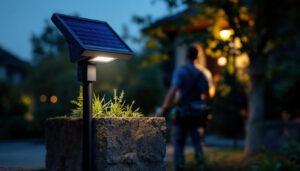
Lighting plays a crucial role in enhancing the aesthetic and functional aspects of rustic cabins. For lighting contractors, understanding the nuances of rustic cabin lighting can significantly impact the overall appeal and comfort of these spaces. This article aims to demystify the essential elements of rustic cabin lighting, offering insights into design principles, fixture selection, and installation techniques that can elevate any rustic setting.
The Essence of Rustic Cabin Lighting
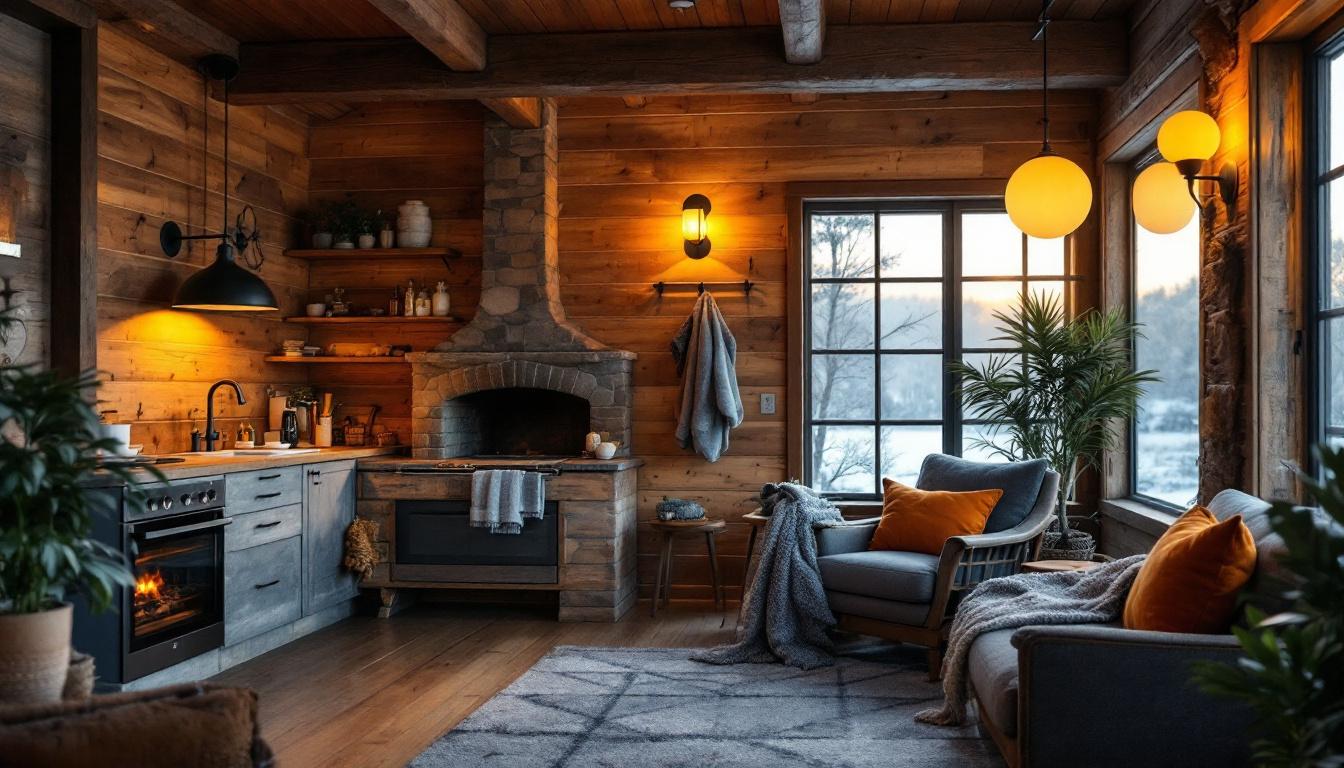
Rustic cabin lighting is not merely about illuminating a space; it is about creating an atmosphere that resonates with the natural surroundings. The charm of a rustic cabin lies in its ability to blend with nature, and the right lighting can accentuate this connection. The lighting should evoke warmth, comfort, and a sense of tranquility, which are essential for any cabin retreat.
Understanding Rustic Aesthetics
Rustic aesthetics often draw inspiration from natural materials and earthy tones. Lighting fixtures that complement this style typically feature wood, wrought iron, or stone elements. These materials not only enhance the visual appeal but also contribute to the overall ambiance of the cabin.
Incorporating elements such as lantern-style fixtures or vintage-inspired designs can further amplify the rustic charm. The key is to select lighting that harmonizes with the cabin’s architecture and interior design, ensuring that it feels like a cohesive part of the environment. For instance, a chandelier made from reclaimed wood can serve as a stunning focal point in a dining area, while wall sconces crafted from wrought iron can add a touch of elegance to narrow hallways. Additionally, using warm-toned bulbs can enhance the cozy feel, casting a soft glow that mimics the flicker of a fire, inviting guests to unwind and enjoy their surroundings.
Functional Considerations
While aesthetics are important, functionality should not be overlooked. Rustic cabins often serve as vacation homes, where lighting must cater to various activities, from reading by the fireplace to hosting gatherings. Layering different types of lighting—ambient, task, and accent—can create a versatile environment that meets diverse needs.
Ambient lighting provides overall illumination, while task lighting focuses on specific areas, such as kitchen countertops or reading nooks. Accent lighting can highlight architectural features or artwork, adding depth and character to the space. Understanding how to balance these lighting types is crucial for creating a well-lit and inviting cabin. Furthermore, incorporating dimmable fixtures can enhance the flexibility of the lighting scheme, allowing for adjustments based on the time of day or the mood desired. For example, a bright, cheerful atmosphere might be perfect for a lively family dinner, while a softer, more subdued light can set the stage for a cozy evening spent sharing stories by the fire. This adaptability ensures that the cabin remains a welcoming haven, no matter the occasion.
Choosing the Right Fixtures
The selection of lighting fixtures is a pivotal aspect of rustic cabin lighting. Contractors must consider not only the style but also the scale and placement of fixtures to achieve a harmonious look. Here are some key considerations when selecting fixtures for rustic cabins.
Material Matters
As previously mentioned, the materials used in lighting fixtures should reflect the rustic theme. Wood, metal, and glass are popular choices that can enhance the cabin’s natural feel. For instance, a chandelier made of reclaimed wood can serve as a stunning focal point in a dining area, while wrought iron sconces can provide warm light in hallways.
It is also essential to consider the finish of the fixtures. Aged or distressed finishes can add character, while polished metals may create a more contemporary feel that could clash with rustic aesthetics. Striking the right balance is vital to maintaining the integrity of the rustic theme. Additionally, incorporating natural elements such as stone or antler accents can further enhance the rustic charm, creating a seamless connection between the lighting and the surrounding environment. These unique materials not only serve a functional purpose but also tell a story, reflecting the history and craftsmanship behind each piece.
Scale and Proportion
The scale of lighting fixtures should correspond with the size of the cabin and its individual rooms. Oversized fixtures can create a dramatic effect in spacious areas, while smaller, more delicate fixtures are suitable for intimate spaces. For example, a large pendant light can serve as a statement piece in a vaulted ceiling living room, while smaller table lamps can provide cozy lighting in bedrooms.
Proportion also plays a significant role in ensuring that lighting fixtures do not overwhelm the space. A well-proportioned fixture will complement the room’s dimensions and enhance the overall design without becoming a distraction. Moreover, considering the height at which fixtures are hung is crucial; fixtures should be positioned to provide optimal illumination while also maintaining visual balance within the room. For instance, pendant lights should hang low enough to create an inviting atmosphere in dining areas, yet high enough to avoid obstructing views or movement. This attention to detail ensures that the lighting not only serves its purpose but also contributes to the overall ambiance of the rustic cabin.
Techniques for Effective Installation
Once the right fixtures have been chosen, the next step is installation. Proper installation techniques are vital for ensuring that the lighting functions effectively and enhances the cabin’s aesthetic. Here are some best practices for lighting contractors.
Strategic Placement
The placement of lighting fixtures can dramatically influence the ambiance of a cabin. It is essential to consider the layout of the space and the activities that will take place in each area. For instance, placing lights at different heights can create visual interest and depth, while strategically positioned sconces can illuminate pathways and staircases for safety.
In open-concept cabins, using a combination of pendant lights and recessed lighting can help define different areas while maintaining an open feel. Additionally, ensuring that fixtures are placed at appropriate distances from walls and furniture will prevent harsh shadows and create a more inviting atmosphere.
Utilizing Dimmers and Smart Controls
Incorporating dimmers and smart lighting controls can enhance the functionality of rustic cabin lighting. Dimmers allow for adjustable brightness, enabling users to create the desired mood for various occasions. Whether it’s a romantic dinner or a lively gathering, having control over lighting intensity can significantly enhance the experience.
Smart controls, including app-based systems, can offer convenience and flexibility. Contractors can recommend systems that allow homeowners to adjust lighting remotely or set schedules, ensuring that the cabin is always welcoming upon arrival.
Incorporating Natural Light
Natural light is a vital component of rustic cabin design. Maximizing daylight can reduce the need for artificial lighting during the day and create a more inviting atmosphere. Here are some strategies for incorporating natural light into rustic cabin lighting plans.
Window Placement and Size
When designing a rustic cabin, the placement and size of windows are crucial. Large windows or sliding glass doors can frame picturesque views and flood the interior with light. Consideration should be given to the orientation of the cabin to take advantage of sunlight throughout the day.
Contractors should also recommend window treatments that allow for flexibility in controlling natural light. Sheer curtains can soften harsh sunlight while still allowing light to filter through, creating a warm and inviting environment.
Reflective Surfaces
Incorporating reflective surfaces can help amplify natural light within the cabin. Light-colored walls, ceilings, and furnishings can bounce light around the space, making it feel brighter and more open. Mirrors can also be strategically placed to reflect light and create the illusion of more space.
Additionally, using glass or metallic accents in decor can enhance the effect of natural light, contributing to a brighter and more airy atmosphere. This approach not only improves visibility but also enhances the overall aesthetic of the cabin.
Safety and Compliance Considerations
When working on rustic cabin lighting projects, safety and compliance with local regulations are paramount. Lighting contractors must ensure that all installations meet relevant codes and standards to protect both the occupants and the integrity of the structure.
Electrical Safety
Proper electrical installation is essential for preventing hazards such as electrical fires or short circuits. Contractors should ensure that all wiring is up to code and that fixtures are installed securely. Using weather-resistant fixtures in outdoor areas is also critical to prevent damage from the elements.
Additionally, it is advisable to conduct regular inspections of electrical systems in cabins, especially those that may be used seasonally. This proactive approach can help identify potential issues before they become significant problems.
Environmental Considerations
As rustic cabins are often situated in natural settings, it is essential to consider the environmental impact of lighting choices. Energy-efficient fixtures, such as LED lights, can reduce energy consumption and minimize the carbon footprint of the cabin.
Moreover, using fixtures that are designed to minimize light pollution can help preserve the natural night sky, enhancing the overall experience of being in a rustic setting. Educating clients about the benefits of eco-friendly lighting options can also position contractors as responsible and forward-thinking professionals.
Conclusion: Crafting the Perfect Rustic Ambiance
Rustic cabin lighting is an art that combines aesthetic appeal with functionality. Lighting contractors who understand the principles of rustic design, fixture selection, and effective installation techniques can create spaces that are not only beautiful but also practical. By considering factors such as material, scale, placement, and safety, contractors can craft the perfect ambiance for any rustic cabin.
As the demand for rustic cabins continues to grow, so does the opportunity for lighting contractors to showcase their expertise. By staying informed about the latest trends and techniques in rustic cabin lighting, contractors can ensure that they deliver exceptional results that meet the needs and desires of their clients.
Illuminate Your Rustic Cabin Projects with LumenWholesale
Ready to elevate your rustic cabin lighting projects with the perfect blend of quality and value? Look no further than LumenWholesale. Our extensive selection of spec-grade lighting products is designed to meet the highest industry standards, ensuring that your installations are as reliable as they are enchanting. With unbeatable wholesale prices and the convenience of free shipping on bulk orders, you can provide your clients with top-quality lighting that enhances the natural beauty of their rustic retreats. Don’t let inflated markups dim your project’s potential. Discover the superior performance and affordability that only LumenWholesale can offer. Wholesale Lighting at the Best Value is just a click away.