In the world of lighting, understanding the components that make up a lighting system is crucial for any lighting contractor. Among these components, the light ballast plays a significant role, particularly in fluorescent and HID (high-intensity discharge) lighting systems. This article delves into the functions, types, and importance of light ballasts, providing essential knowledge for effective lighting design and installation.
Understanding the Function of a Light Ballast
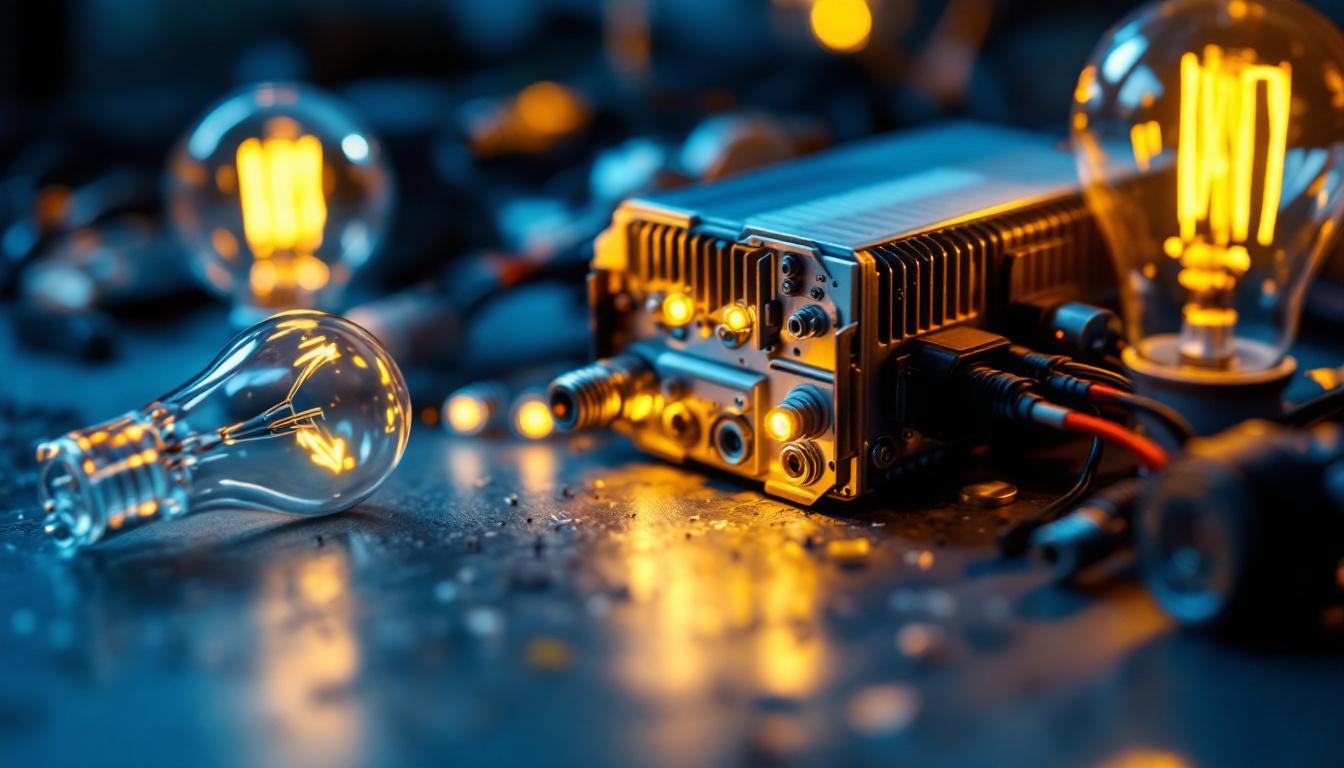
A light ballast is an electrical device that regulates the current to the lamps and provides the necessary voltage to start the lamps. Without a ballast, fluorescent lamps would not function properly, as they require a specific amount of voltage to ignite and maintain a steady light output.
Essentially, the ballast serves two primary functions: it limits the amount of current that flows through the lamp and provides the initial voltage needed to start the lamp. This regulation is crucial for the longevity and efficiency of the lighting system.
Current Regulation
One of the primary roles of a ballast is to limit the current flowing through the lamp. Fluorescent lamps operate on a principle where a small amount of current is sufficient to maintain illumination. If the current exceeds the lamp’s rated capacity, it can lead to overheating and premature failure. The ballast ensures that the current remains within safe limits, thereby protecting the lamp and extending its lifespan.
Moreover, the design of the ballast can significantly impact energy efficiency. Electronic ballasts, for instance, are more efficient than traditional magnetic ballasts, as they can adjust the current and voltage dynamically based on the lamp’s needs. This adaptability not only enhances performance but also reduces energy consumption, making electronic ballasts a more environmentally friendly option. Additionally, by minimizing flicker and noise, electronic ballasts contribute to a more pleasant lighting experience, which is particularly important in settings such as offices and schools where concentration is key.
Starting Voltage
When a fluorescent lamp is first turned on, it requires a higher voltage to initiate the gas discharge process. The ballast provides this initial surge of voltage, allowing the gas within the lamp to ionize and produce light. Once the lamp is lit, the ballast then regulates the current to maintain a steady output. This dual functionality is essential for the reliable operation of fluorescent lighting systems.
Furthermore, the starting voltage provided by the ballast is not only critical for the ignition of the lamp but also varies depending on the type of fluorescent lamp being used. For instance, high-output lamps may require a higher starting voltage compared to standard lamps. This variation necessitates the careful selection of ballasts to match the specific requirements of the lamps, ensuring optimal performance and safety. Additionally, advancements in technology have led to the development of rapid-start ballasts, which can ignite lamps more quickly, reducing the wait time for full brightness and enhancing overall efficiency in lighting applications.
Types of Light Ballasts
Light ballasts come in various types, each designed for specific applications and lamp technologies. Understanding the differences between these types is vital for contractors when selecting the appropriate ballast for a project.
Magnetic Ballasts
Magnetic ballasts are the traditional type of ballast, commonly used in older fluorescent lighting systems. They consist of a transformer and a magnetic core, which work together to regulate the current and provide the necessary starting voltage. While magnetic ballasts are reliable, they tend to be less energy-efficient compared to modern alternatives and can produce a noticeable hum during operation.
Despite their drawbacks, magnetic ballasts are still used in some applications due to their durability and ability to withstand harsh conditions. They are often found in industrial settings where reliability is paramount. Additionally, magnetic ballasts are known for their longevity; many can last for years without needing replacement, making them a cost-effective option for facilities that prioritize stability over cutting-edge technology. Their robust construction also allows them to handle fluctuations in power supply, a common occurrence in industrial environments.
Electronic Ballasts
Electronic ballasts have become the standard in modern lighting systems, offering several advantages over their magnetic counterparts. These ballasts use electronic circuits to control the current and voltage supplied to the lamp. As a result, they are more energy-efficient, produce less heat, and operate silently.
Additionally, electronic ballasts can provide features such as dimming capabilities and instant start functionality, making them ideal for a wide range of applications, from commercial spaces to residential lighting. Their compact size also allows for easier installation in tight spaces. Furthermore, electronic ballasts are designed to work with a variety of lamp types, including T5 and T8 fluorescent lamps, and even LED retrofits, making them a versatile choice for contractors looking to future-proof their lighting installations. The ability to fine-tune lighting levels not only enhances ambiance but can also lead to significant energy savings over time, particularly in environments where lighting needs fluctuate throughout the day.
Smart Ballasts
With the rise of smart lighting technology, smart ballasts have emerged as a cutting-edge solution for modern lighting systems. These ballasts can communicate with other smart devices, allowing for advanced control options such as remote dimming, scheduling, and integration with building management systems.
Smart ballasts not only enhance energy efficiency but also contribute to the overall functionality of a lighting system. They are particularly beneficial in environments where lighting needs may change frequently, such as offices and retail spaces. Moreover, these ballasts often come equipped with sensors that can detect occupancy and adjust lighting levels accordingly, further optimizing energy use. This adaptability not only improves user comfort but also aligns with sustainability goals by reducing unnecessary energy consumption. As smart technology continues to evolve, the potential for smart ballasts to integrate with other IoT devices opens up new possibilities for creating responsive and efficient lighting ecosystems that can significantly enhance the user experience in both commercial and residential settings.
Importance of Choosing the Right Ballast
Selecting the appropriate ballast for a lighting system is crucial for achieving optimal performance and energy efficiency. The right ballast ensures that lamps operate within their specified parameters, which can significantly affect their lifespan and overall effectiveness.
Moreover, using the correct ballast can lead to energy savings, reduced maintenance costs, and improved lighting quality. For contractors, understanding the specific requirements of each project is essential for making informed decisions about ballast selection.
Compatibility with Lamp Type
Different lamps require different types of ballasts. For instance, fluorescent lamps typically require either magnetic or electronic ballasts, while HID lamps may need specialized ballasts designed for their specific technology. Ensuring compatibility between the lamp and ballast is essential for reliable operation.
Contractors must also consider the wattage and voltage requirements of the lamps being used. Installing an incompatible ballast can lead to flickering, reduced light output, and even damage to the lamp itself.
Energy Efficiency Considerations
Energy efficiency is a significant factor in modern lighting design. Electronic and smart ballasts are generally more energy-efficient than magnetic ballasts, leading to lower energy bills and a reduced carbon footprint. By choosing energy-efficient ballasts, contractors can help their clients save money while also contributing to sustainability efforts.
In addition to energy savings, many utility companies offer incentives for installing energy-efficient lighting systems. This can further offset costs and make the investment in modern ballasts more appealing to clients.
Installation and Maintenance of Light Ballasts
Proper installation and maintenance of light ballasts are vital for ensuring the longevity and reliability of a lighting system. Understanding the installation process and maintenance requirements can help contractors deliver high-quality results.
Installation Guidelines
When installing a ballast, it is essential to follow the manufacturer’s guidelines and local electrical codes. This includes ensuring that the ballast is rated for the specific lamp type and wattage being used. Additionally, proper wiring and connections are crucial for safe operation.
Contractors should also pay attention to the placement of the ballast. In some cases, ballasts may need to be mounted in a specific orientation or location to function correctly. Adhering to these guidelines can prevent issues down the line and ensure optimal performance.
Maintenance Practices
Regular maintenance of light ballasts can help identify potential issues before they lead to failures. This includes inspecting connections, checking for signs of wear or damage, and ensuring that the ballast is functioning within its specified parameters.
In commercial settings, it may be beneficial to implement a scheduled maintenance program to regularly check the performance of lighting systems. This proactive approach can help reduce downtime and extend the lifespan of both the ballast and the lamps.
Common Issues and Troubleshooting
Even with proper installation and maintenance, issues with light ballasts can arise. Understanding common problems and their solutions can help contractors address issues quickly and effectively.
Flickering Lights
Flickering lights are a common sign of ballast issues. This can be caused by several factors, including a failing ballast, incompatible lamp types, or loose connections. Contractors should first check the connections and wiring before considering replacing the ballast.
If the connections are secure and the issue persists, it may be necessary to replace the ballast. In some cases, upgrading to a more modern electronic or smart ballast may resolve flickering issues and improve overall performance.
Overheating Ballasts
Overheating is another issue that can indicate problems with a ballast. If a ballast is running excessively hot, it may be a sign of overloading or a malfunction. Contractors should check the wattage and voltage ratings to ensure they match the lamp specifications.
If the ballast continues to overheat despite being correctly rated, it may need to be replaced. Overheating can lead to premature failure and pose a fire risk, so addressing this issue promptly is essential.
Conclusion
Understanding the role of light ballasts is crucial for lighting contractors aiming to deliver effective and efficient lighting solutions. By grasping the functions, types, and importance of ballasts, contractors can make informed decisions that enhance the performance and longevity of their lighting systems.
Choosing the right ballast, ensuring proper installation and maintenance, and being aware of common issues can significantly impact the success of a lighting project. As technology continues to evolve, staying informed about advancements in ballast technology will enable contractors to provide the best solutions for their clients.
In the ever-evolving field of lighting, knowledge is power. By mastering the intricacies of light ballasts, contractors can elevate their expertise and contribute to the development of more efficient and sustainable lighting systems.
Get Your Premium Lighting Ballasts at LumenWholesale
Ready to enhance your lighting projects with the best ballasts on the market? Look no further than LumenWholesale for a comprehensive selection of spec-grade lighting products at unbeatable wholesale prices. We’re here to support contractors like you with high-performance lighting solutions that meet the highest industry standards. Say goodbye to inflated markups and hello to quality, affordability, and convenience. Take advantage of our hassle-free bulk buying and free shipping to get the superior lighting products your projects deserve. Don’t compromise on quality—choose LumenWholesale for Wholesale Lighting at the Best Value.