Understanding Modern Fluorescent Lighting Technology
Fluorescent lighting has come a long way from the bulky, flickering tubes that once dominated commercial spaces. Today’s fluorescent fixtures are sleeker, more energy-efficient, and compatible with advanced control systems. For lighting contractors, grasping these technological advancements is crucial to delivering installations that meet client expectations and regulatory standards.
Contemporary fluorescent lamps often incorporate improved phosphor coatings and electronic ballasts, which reduce flicker and noise while extending lamp life. Unlike older magnetic ballasts, electronic ballasts operate at higher frequencies, enhancing efficiency and light quality. This shift has made fluorescent lighting a viable option even in settings where LED technology is gaining ground.
Understanding these nuances helps contractors recommend the right products and avoid common pitfalls during installation. For instance, mismatched ballasts and lamps can cause premature failure or poor performance. Staying current with manufacturer specifications and industry trends ensures installations that are both reliable and energy-efficient.
Moreover, the integration of smart technology into fluorescent lighting systems has opened new avenues for energy management. Many modern fixtures can now be connected to building management systems, allowing for real-time monitoring and control. This capability not only enhances energy savings but also provides valuable data on usage patterns, enabling facility managers to make informed decisions about lighting needs. The ability to dim lights or schedule them based on occupancy can significantly reduce energy consumption, aligning with sustainability goals that many organizations strive to achieve.
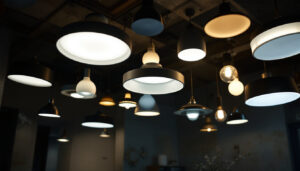
In addition to energy efficiency, the aesthetic appeal of fluorescent lighting has also evolved. New designs prioritize sleekness and versatility, allowing for creative applications in both commercial and residential settings. From minimalist designs that blend seamlessly into modern architecture to vibrant colors that enhance artistic environments, today’s fluorescent fixtures can complement various design themes. This adaptability not only meets functional requirements but also contributes to the overall ambiance of a space, making it essential for contractors to be well-versed in the latest design trends and options available in the market.
Do: Prioritize Energy Efficiency and Compliance
Choose the Right Ballasts and Lamps
Energy codes and regulations have tightened, pushing for lighting solutions that reduce electricity consumption. Fluorescent lighting remains popular because it balances cost and efficiency, but only when paired correctly. Electronic ballasts designed for specific lamp types maximize performance and comply with standards such as Title 24 or ASHRAE 90.1.
Contractors should verify ballast compatibility with lamps before installation. For example, T8 lamps require different ballasts than T12 lamps. Using an incompatible ballast can lead to flickering, reduced lamp life, and wasted energy. Additionally, opting for high-performance lamps with enhanced color rendering indexes (CRI) improves lighting quality without sacrificing efficiency. A higher CRI means that colors appear more vibrant and true to life, which is especially important in settings like retail spaces or art galleries where accurate color representation is crucial. Furthermore, advancements in lamp technology, such as the introduction of LED alternatives, provide even greater energy savings and longevity, making them an attractive option for new installations.
Incorporate Controls for Additional Savings
Integrating occupancy sensors, daylight harvesting systems, and dimmers with fluorescent fixtures can significantly cut energy costs. These controls ensure lights operate only when needed and adjust brightness based on ambient light levels. Lighting contractors must be adept at wiring and programming these systems to function seamlessly with fluorescent ballasts.
Ensuring compatibility between controls and fluorescent ballasts is essential. Some older ballasts may not support dimming or sensor integration. Selecting ballasts labeled as dimmable or sensor-ready avoids costly retrofits and client dissatisfaction. Moreover, incorporating smart lighting technologies can enhance energy savings even further. For instance, systems that utilize IoT (Internet of Things) capabilities allow for remote monitoring and control, enabling facility managers to analyze usage patterns and make informed decisions about lighting schedules. This not only improves energy efficiency but also extends the lifespan of the lighting system, resulting in lower maintenance costs and a reduced environmental footprint.
Don’t: Neglect Proper Installation Practices
Avoid Overheating and Poor Ventilation
Fluorescent lamps and ballasts generate heat during operation. Installing fixtures in confined or poorly ventilated spaces can lead to overheating, shortening component lifespan and risking failure. Lighting contractors should follow manufacturer guidelines on clearance and ventilation requirements.
For example, recessed fixtures require adequate airflow to dissipate heat. Overlooking these details may cause ballasts to overheat, resulting in flicker, noise, or complete ballast failure. Ensuring proper mechanical installation and spacing protects the investment and reduces callbacks.
Don’t Ignore Wiring Standards and Safety Codes
Electrical safety is paramount. Incorrect wiring can cause shorts, electrical fires, or damage to lighting components. Contractors must adhere strictly to National Electrical Code (NEC) requirements and local regulations when installing fluorescent lighting systems.
This includes using the correct wire gauge, securing connections properly, and grounding fixtures as specified. Additionally, verifying that circuits are not overloaded prevents nuisance tripping and potential hazards. Taking shortcuts or ignoring code requirements jeopardizes safety and professional reputation.
Do: Emphasize Quality and Longevity in Product Selection
Invest in Trusted Brands and Components
Not all fluorescent products are created equal. Choosing reputable manufacturers ensures access to quality control, warranty support, and compliance with performance standards. Lighting contractors benefit from partnering with suppliers who provide detailed product data sheets and technical support.
High-quality lamps and ballasts deliver consistent light output, longer life spans, and fewer maintenance issues. This translates into fewer service calls and higher client satisfaction. While initial costs may be higher, the total cost of ownership is often lower due to reduced replacements and energy savings.
Consider Retrofit Options for Existing Installations
Many commercial facilities still use outdated fluorescent systems that consume excessive energy. Contractors can offer retrofit solutions that replace old ballasts and lamps with modern, energy-efficient equivalents without rewiring the entire system.
Retrofitting extends the life of existing fixtures, reduces waste, and improves lighting quality. It’s a cost-effective way to upgrade lighting while meeting energy codes. Lighting contractors should assess the condition of existing infrastructure and recommend retrofit kits that match the client’s budget and performance goals.
Don’t: Overlook Maintenance and Troubleshooting Best Practices
Regular Inspection Prevents Premature Failures
Fluorescent lighting systems require periodic maintenance to sustain optimal performance. Dust accumulation, ballast wear, and lamp degradation can cause flickering, dimming, or complete outages. Contractors should advise clients on routine inspection schedules and cleaning procedures.
Replacing lamps before they burn out completely avoids sudden failures. Ballasts typically have longer lifespans but should be monitored for signs of overheating or buzzing sounds. Proactive maintenance reduces downtime and extends the system’s effective life.
Diagnose Issues Systematically
When troubleshooting fluorescent lighting problems, a methodical approach saves time and resources. Start by checking power supply and wiring integrity, then test lamps and ballasts individually. Using a multimeter and ballast tester can pinpoint faulty components quickly.
Common issues include lamp flicker caused by failing ballasts or loose connections. Replacing only the defective part rather than entire fixtures minimizes costs. Documenting troubleshooting steps and outcomes helps build expertise and client trust.
Do: Stay Informed About Emerging Trends and Alternatives
Monitor the Rise of LED and Hybrid Solutions
While fluorescent lighting remains relevant, LED technology is rapidly advancing and often surpasses fluorescent performance in efficiency and longevity. Lighting contractors should keep abreast of LED retrofit kits designed to fit fluorescent fixtures, offering clients modern alternatives without major renovations.
Hybrid systems combining fluorescent and LED components are also gaining traction in specialized applications. Understanding these options allows contractors to provide tailored solutions that balance upfront costs, energy savings, and aesthetic preferences.
Engage in Continuing Education and Certification
Industry standards and technologies evolve continuously. Participating in training programs and obtaining certifications such as the Lighting Certified (LC) credential enhances a contractor’s credibility and technical skills. Clients increasingly seek professionals who demonstrate expertise and commitment to best practices.
Staying informed about regulatory changes, new products, and installation techniques positions contractors as trusted advisors and helps secure repeat business in a competitive market.
Don’t: Underestimate Client Communication and Documentation
Set Realistic Expectations Early
Clear communication about what fluorescent lighting can and cannot achieve prevents misunderstandings. Discuss lamp life, maintenance needs, energy savings, and potential limitations upfront. Clients appreciate transparency and are more likely to be satisfied with the final outcome.
Providing detailed proposals and lighting layouts helps clients visualize the project and make informed decisions. Addressing questions and concerns promptly builds confidence and fosters long-term relationships.
Maintain Comprehensive Records
Documenting installation details, product specifications, and warranty information is essential for future service calls and warranty claims. Keeping accurate records also supports compliance with energy audits or inspections.
Well-organized documentation demonstrates professionalism and can differentiate a contractor in a crowded marketplace. It also streamlines troubleshooting and maintenance efforts down the line.
Conclusion
Fluorescent lighting remains a practical choice for many commercial and institutional applications. For lighting contractors, success hinges on understanding modern fluorescent technologies, adhering to best installation practices, and prioritizing energy efficiency and safety. Selecting quality components and integrating advanced controls can enhance performance and client satisfaction.
Equally important is ongoing education and clear communication with clients to set realistic expectations and provide reliable service. Avoiding common mistakes such as improper wiring, overheating, or neglecting maintenance safeguards both the contractor’s reputation and the longevity of the lighting system.
By mastering these do’s and don’ts, lighting contractors can confidently navigate the complexities of contemporary fluorescent lighting and deliver solutions that stand the test of time.
Illuminate Your Projects with LumenWholesale
Ready to elevate your lighting installations with the latest in fluorescent technology? Look no further than LumenWholesale for all your lighting needs. Our extensive selection of spec-grade lighting products is designed to meet the highest industry standards, ensuring you deliver exceptional performance and client satisfaction. With unbeatable wholesale prices and the convenience of free shipping on bulk orders, you can trust LumenWholesale to provide premium lighting solutions that are both cost-effective and reliable. Don’t compromise on quality or value; choose LumenWholesale for Wholesale Lighting at the Best Value and make your next project shine.