The Core Technology of LED Tube Fixtures
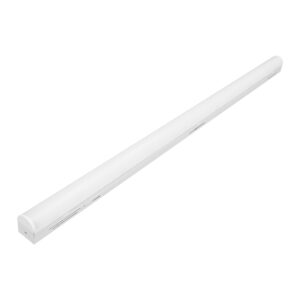
LED tube fixtures have transformed lighting installations across commercial and industrial spaces. For contractors, understanding the underlying technology is crucial not only for proper installation but also for troubleshooting and advising clients effectively. At the heart of these fixtures is the Light Emitting Diode (LED), a semiconductor device that emits light when an electric current passes through it.
Unlike traditional fluorescent tubes, which rely on mercury vapor and phosphor coatings to produce light, LED tubes use solid-state technology. This fundamental difference means LED tubes are more durable, energy-efficient, and environmentally friendly. The absence of fragile glass and toxic chemicals reduces risks during handling and disposal.
Another key component is the driver circuit. LED tube fixtures require a driver to convert the incoming electrical supply to the appropriate voltage and current levels that LEDs need. Drivers can be integrated within the fixture or external, and their quality directly affects the fixture’s lifespan and performance. A well-designed driver not only enhances efficiency but also ensures that the LED tubes maintain consistent brightness over time, which is essential for creating a reliable lighting environment in workplaces.
How LEDs Produce Light
LEDs generate light through electroluminescence. When electrons recombine with holes in the semiconductor material, energy is released in the form of photons-visible light. The color and intensity of the light depend on the semiconductor’s composition and structure. This unique property allows for a wide range of color temperatures and hues, making LED tubes versatile for various applications, from warm white lighting in retail spaces to cool white lighting in industrial environments.
This process is highly efficient compared to the gas discharge in fluorescent tubes, which wastes energy as heat and ultraviolet radiation. For contractors, this means LED tube fixtures run cooler and consume less power, leading to lower operational costs and reduced cooling requirements in buildings. Additionally, the longevity of LED tubes—often rated for 25,000 hours or more—means less frequent replacements, further enhancing cost savings and minimizing maintenance efforts for clients.
Driver Types and Their Impact
Understanding driver types is essential for lighting contractors. There are mainly two categories: electronic drivers and magnetic ballasts. Traditional fluorescent fixtures use magnetic ballasts, which are incompatible with LED tubes without modification. This incompatibility can lead to confusion during retrofitting projects, making it imperative for contractors to educate clients about the benefits of switching to LED technology.
Electronic drivers designed for LEDs provide steady current, prevent flickering, and protect against voltage spikes. Some LED tubes come with built-in drivers, simplifying installation by allowing direct connection to line voltage. Others require external drivers, which must be matched carefully to the fixture specifications. The choice of driver can also influence the dimming capabilities of the LED tubes, with some drivers allowing for seamless dimming options that enhance the ambiance of a space. This adaptability makes LED tube fixtures not just a lighting solution but a tool for creating the desired atmosphere in various settings, from offices to hospitality venues.
Installation Considerations and Compatibility
Installing LED tube fixtures isn’t always a simple plug-and-play replacement for fluorescent tubes. Lighting contractors must evaluate existing fixtures, wiring, and ballast compatibility to avoid common pitfalls. The transition from fluorescent to LED technology, while beneficial in terms of energy efficiency and longevity, requires careful planning and execution to ensure optimal performance.
One major factor is whether the LED tube is ballast-compatible or ballast-bypass. Ballast-compatible (or plug-and-play) LED tubes work with existing fluorescent ballasts, reducing labor and retrofit costs. However, compatibility issues can arise if the ballast is old or incompatible, leading to flickering or premature failure. It’s also important to consider the type of ballast in use, as electronic ballasts may perform better with LED tubes than magnetic ones, which can further complicate the installation process.
Ballast-bypass LED tubes require the removal or bypassing of the ballast, meaning the fixture wiring must be rewired to supply line voltage directly to the LED tube. This approach eliminates ballast maintenance and improves energy savings but involves more upfront labor and safety precautions. Additionally, contractors should be aware that this method may void warranties on some LED products, so it’s crucial to check manufacturer guidelines before proceeding.
Assessing Existing Fixtures
Before installation, contractors should inspect the existing fixture’s condition and type. Fluorescent fixtures vary widely, from T8 to T12 tubes, each with different ballasts and wiring configurations. Understanding these differences is vital to select the right LED tube and installation method. Furthermore, the physical condition of the fixtures should not be overlooked; rust, corrosion, or damage can affect the overall performance and safety of the new LED tubes.
Testing the ballast functionality and measuring voltage can prevent costly mistakes. In some cases, replacing the entire fixture may be more cost-effective than retrofitting, especially if the fixture is old or damaged. Moreover, it’s beneficial to consider the lighting needs of the space. For example, areas requiring higher light output may benefit from more powerful LED options or additional fixtures to ensure adequate illumination, which can influence the decision to retrofit versus replace.
Safety and Regulatory Compliance
Working with electrical fixtures demands strict adherence to safety standards. LED tube installations must comply with local electrical codes and regulations. Contractors should ensure proper grounding, secure mounting, and correct wiring to prevent hazards. It’s also advisable to use personal protective equipment (PPE) during installation to safeguard against electrical shocks and other potential injuries.
Additionally, many regions have regulations regarding the disposal of fluorescent tubes due to mercury content. Switching to LED tubes simplifies compliance, but contractors should still manage waste responsibly, especially when retrofitting existing fixtures. Establishing a proper waste disposal plan not only adheres to environmental regulations but also promotes sustainability, which is increasingly important to clients. Educating clients about the benefits of LED technology, including lower energy bills and reduced environmental impact, can also enhance customer satisfaction and foster long-term relationships.
Performance Metrics That Matter
Lighting contractors must understand the key performance metrics that define LED tube quality and suitability for different applications. These metrics help in advising clients and ensuring installations meet desired lighting standards.
Luminous Efficacy and Energy Savings
Luminous efficacy, measured in lumens per watt (lm/W), indicates how efficiently a fixture converts electrical power into visible light. LED tubes typically offer efficacy rates two to three times higher than fluorescent tubes. For example, a 15-watt LED tube can produce the same light output as a 32-watt fluorescent tube.
This efficiency translates directly into energy savings and reduced utility costs, a critical selling point for commercial clients aiming to lower operational expenses.
Color Temperature and Color Rendering Index (CRI)
Color temperature, measured in Kelvins (K), affects the ambiance and functionality of a space. LED tubes come in a range of color temperatures from warm white (2700K) to daylight (5000K+). Choosing the right temperature depends on the application-warmer tones for hospitality, cooler tones for offices and industrial settings.
CRI measures how accurately a light source renders colors compared to natural light. Higher CRI values (above 80) are preferable for environments where color discrimination is important, such as retail or healthcare facilities.
Lifetime and Reliability
LED tube fixtures boast lifetimes far exceeding fluorescent tubes, often rated for 50,000 hours or more. This longevity reduces maintenance frequency and costs. However, lifetime claims depend heavily on driver quality, thermal management, and operating conditions.
Contractors should select LED tubes from reputable manufacturers and verify warranty terms. Proper installation and ventilation also extend fixture life and performance.
Common Challenges and Troubleshooting
Even with superior technology, LED tube fixtures can present challenges during installation and operation. Lighting contractors equipped with knowledge of common issues can resolve problems quickly and maintain client satisfaction.
Flickering and Dimming Issues
Flickering is a frequent complaint and can be caused by incompatible ballasts, poor wiring, or low-quality drivers. Identifying whether the LED tube is designed for dimming and matching it with compatible dimmer switches is crucial.
In some cases, flickering results from residual current passing through the ballast. Removing or bypassing the ballast often resolves this problem.
Compatibility with Emergency Lighting Systems
Many commercial buildings require emergency lighting that operates during power outages. LED tube fixtures must be compatible with these systems, which sometimes use battery backups or inverters designed for fluorescent tubes.
Contractors should verify compatibility or recommend dedicated emergency LED fixtures to ensure compliance and safety.
Thermal Management
LEDs generate heat that must be dissipated to maintain performance and lifespan. Although LED tubes run cooler than fluorescents, poor fixture design or installation in enclosed spaces without ventilation can cause overheating.
Ensuring proper fixture selection and installation environment helps prevent premature failure and maintains consistent light output.
Future Trends and Innovations in LED Tube Fixtures
The LED lighting industry continues to evolve rapidly, offering new opportunities for lighting contractors to deliver advanced solutions.
Smart LED Tube Fixtures
Integration of smart controls, including wireless connectivity and sensors, is becoming more common. These features enable dynamic lighting adjustments based on occupancy, daylight availability, or user preferences, enhancing energy savings and occupant comfort.
Contractors familiar with smart lighting systems can provide added value by offering installation and programming services.
Improved Materials and Designs
Advances in phosphor technology and optics improve light quality and fixture aesthetics. New materials also enhance durability and reduce weight, simplifying installation and maintenance.
Regulatory and Efficiency Standards
As governments tighten energy efficiency standards, LED tube fixtures will continue to improve in performance. Staying informed about evolving codes and certifications helps contractors recommend compliant products and avoid costly retrofits.
Conclusion: Mastering LED Tube Fixtures for Professional Success
For lighting contractors, mastering the science behind LED tube fixtures is more than technical knowledge-it’s a competitive advantage. Understanding the technology, installation nuances, performance metrics, and troubleshooting challenges equips contractors to deliver reliable, efficient, and tailored lighting solutions.
Clients increasingly demand energy-efficient and sustainable lighting, and LED tube fixtures meet these needs effectively. By staying current with innovations and standards, contractors can ensure their installations stand the test of time and continue to provide value long after the job is done.
Get Your Premium LED Tube Fixtures at LumenWholesale
Ready to elevate your lighting projects with the most efficient and sustainable LED tube fixtures on the market? Look no further than LumenWholesale, where we provide lighting contractors with spec-grade products at unbeatable wholesale prices. Our extensive selection not only meets but exceeds industry standards, ensuring you deliver top-notch, reliable lighting solutions every time. Plus, with free shipping on bulk orders, you can stock up on high-performance lighting without worrying about hidden fees. Don’t compromise on quality or cost—choose LumenWholesale for the perfect blend of affordability and convenience. Wholesale Lighting at the Best Value is just a click away.