Understanding Barn Light Bulbs: Types and Their Efficiency Profiles
Lighting contractors often encounter barn light bulbs in both commercial and residential projects due to their distinctive style and functional benefits. These bulbs, designed originally for agricultural settings, have evolved to meet modern efficiency standards while maintaining their rustic aesthetic appeal. To optimize lighting efficiency, it’s crucial to understand the types of barn light bulbs available and their respective performance characteristics.
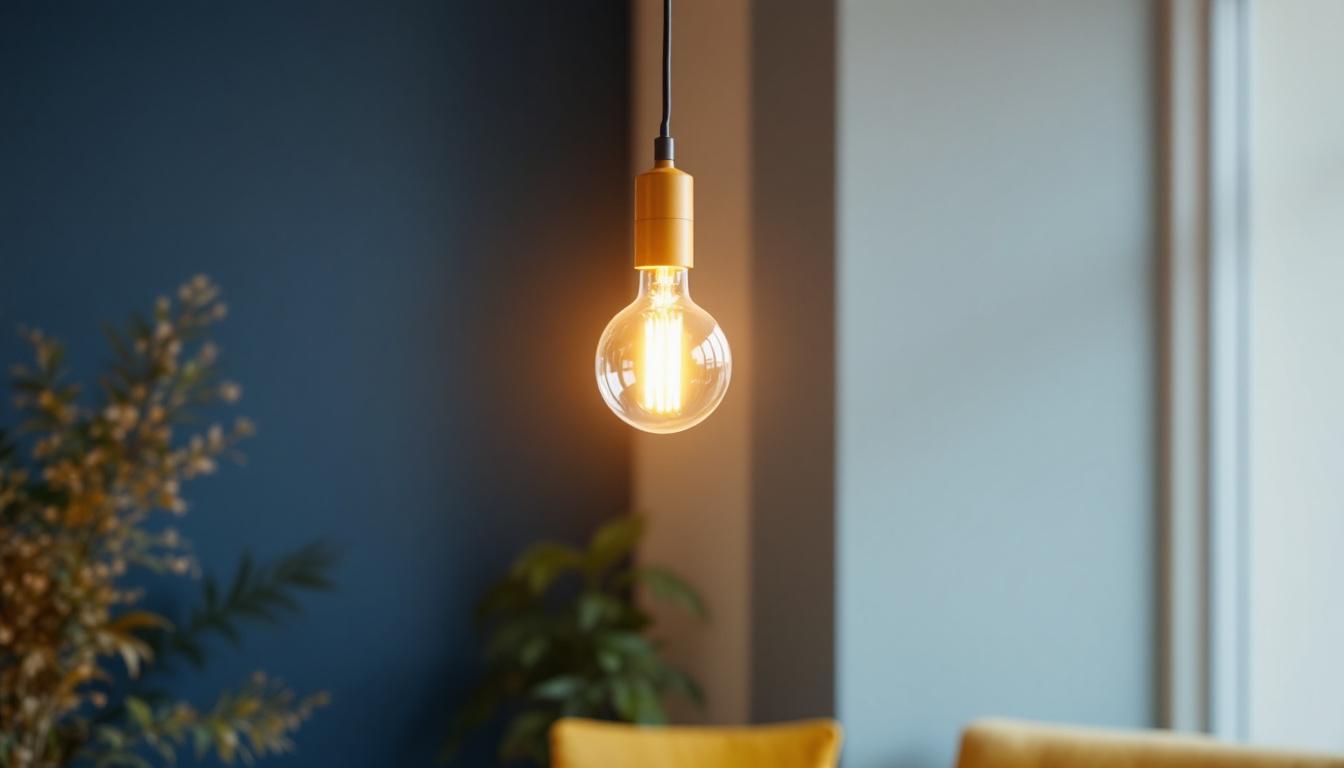
Traditional incandescent barn bulbs, while offering warm light, are notoriously inefficient, converting less than 10% of energy into visible light. Modern alternatives such as LED and compact fluorescent bulbs have transformed barn lighting by drastically reducing energy consumption and extending bulb lifespan.
LED barn light bulbs, in particular, have become the preferred choice for contractors aiming to deliver energy-efficient solutions. Their directional light output, low heat emission, and compatibility with dimming systems make them ideal for a variety of barn light fixtures. Additionally, LEDs maintain consistent brightness over time and perform well in cold environments, a common consideration for barn or outdoor installations. The durability of LED bulbs also means they are less prone to breakage, which is especially beneficial in environments where equipment and animals may pose a risk to traditional glass bulbs.
Comparing Light Output and Energy Consumption
When selecting barn light bulbs, lumens and watts are critical metrics. Lumens measure the amount of light produced, while watts indicate energy consumption. An LED barn bulb producing 1,600 lumens (equivalent to a traditional 100-watt incandescent) typically consumes only 15 watts or less, representing significant energy savings.
Contractors should prioritize bulbs with a high lumen-to-watt ratio to maximize efficiency. Additionally, paying attention to the Color Rendering Index (CRI) ensures that the lighting accurately reveals colors, which is important in settings like workshops or retail spaces where barn lights are often used. A higher CRI rating, ideally above 80, indicates that the light will render colors more accurately, enhancing visibility and creating a more inviting atmosphere. This is particularly relevant in agricultural settings where accurate color perception can impact tasks such as sorting produce or assessing the health of livestock.
Moreover, the choice of barn light bulbs can also influence the overall ambiance of the space. For instance, warm white LEDs can create a cozy, inviting environment, making them suitable for residential barns or event spaces, while cooler white options can enhance visibility and alertness in work areas. As energy efficiency becomes increasingly important, many manufacturers are now offering smart barn light bulbs that can be controlled via mobile apps, allowing users to adjust brightness and color temperature according to specific needs or activities. This level of customization not only promotes energy savings but also enhances the functionality of barn spaces, making them more versatile for various uses.
Optimizing Installation for Maximum Efficiency
Efficient barn lighting is not solely dependent on the bulb itself but also on how the lighting system is installed and configured. Proper fixture selection, placement, and control systems can amplify the energy savings and functional benefits of barn light bulbs.
Fixture Selection and Reflector Design
Choosing fixtures with well-designed reflectors can significantly enhance light distribution and reduce wasted light. Reflectors direct light downward or to specific areas, minimizing glare and improving task lighting. For barn light fixtures, which often have open or semi-enclosed designs, selecting fixtures with high-quality reflectors or shades helps concentrate light where it’s needed most.
Fixtures made from materials with high reflectivity, such as polished aluminum or white-coated interiors, can further increase efficiency by reflecting more light into the workspace. Contractors should also consider the fixture’s compatibility with LED bulbs to ensure optimal heat dissipation and bulb longevity. Additionally, selecting fixtures that are easy to clean and maintain can prolong their lifespan and maintain their efficiency over time, as dust and debris can significantly diminish light output.
Strategic Placement and Spacing
Proper spacing and placement of barn light fixtures are essential for uniform illumination and energy efficiency. Over-lighting wastes energy and can cause visual discomfort, while under-lighting reduces functionality. Using lighting design software or photometric studies can help contractors determine the ideal number and positioning of fixtures to meet specific illumination requirements.
For example, in agricultural or workshop settings, placing barn lights at heights between 10 to 15 feet with spacing that avoids shadows and dark spots can improve safety and productivity. Additionally, orienting fixtures to minimize light pollution and glare contributes to a more sustainable lighting environment. It is also beneficial to consider the specific activities that will be taking place in different areas of the barn; for instance, areas designated for detailed work may require brighter, more focused lighting compared to general storage spaces.
Incorporating Controls and Sensors
Integrating lighting controls such as dimmers, timers, and occupancy sensors can dramatically increase the efficiency of barn light installations. These controls ensure that lights operate only when needed and at appropriate brightness levels, reducing unnecessary energy consumption.
Occupancy sensors are particularly effective in barns, garages, and storage areas where lighting is intermittent. Timers can be programmed to turn lights off during daylight hours or after work shifts, while dimmers allow for adjustable lighting intensity based on task requirements or ambient conditions. Furthermore, integrating smart technology can enable remote monitoring and control of lighting systems, allowing for real-time adjustments and energy usage tracking. This not only enhances convenience but also empowers barn owners to make informed decisions about their energy consumption, ultimately leading to greater cost savings and environmental benefits.
Maintenance Practices to Sustain Efficiency
Even the most efficient barn light bulbs and installations can lose performance over time without proper maintenance. Lighting contractors should educate clients on maintenance routines that preserve efficiency and extend the lifespan of their lighting systems.
Regular Cleaning and Inspection
Dust, dirt, and cobwebs can accumulate on barn light fixtures and bulbs, reducing light output by up to 30%. Regular cleaning of bulbs, reflectors, and shades ensures maximum light transmission. Contractors should recommend cleaning schedules based on the environment, with more frequent attention in dusty or outdoor settings. Additionally, using appropriate cleaning solutions that are safe for the materials used in the fixtures can prevent damage and maintain the aesthetic appeal of the lighting installations.
Inspection of wiring, fixture integrity, and bulb condition helps identify potential issues before they cause failures or inefficiencies. Loose connections or damaged components can increase electrical resistance and energy consumption. It’s also beneficial to check for signs of corrosion or wear, especially in outdoor fixtures exposed to the elements. Implementing a checklist for these inspections can help ensure that no detail is overlooked, promoting a proactive approach to maintenance.
Timely Replacement and Upgrades
Although LED barn light bulbs have long lifespans, they do eventually degrade. Monitoring lumen depreciation and replacing bulbs before they fall below effective brightness levels maintains consistent lighting quality. Upgrading older incandescent or fluorescent systems to LED can yield immediate efficiency gains and reduce maintenance frequency. Furthermore, integrating smart lighting controls can enhance energy savings by allowing for automated dimming and scheduling based on usage patterns.
Contractors should advise clients on the benefits of phased upgrades, especially in large installations, to spread costs while improving overall system efficiency. This approach not only helps in managing budgets but also allows for the gradual adoption of new technologies that can further enhance lighting performance. Educating clients about the long-term savings associated with energy-efficient upgrades can motivate them to prioritize these improvements, ultimately leading to a more sustainable and cost-effective lighting solution for their barns.
Environmental and Economic Benefits of Efficient Barn Lighting
Optimizing barn light bulb efficiency offers tangible benefits beyond energy savings. For contractors, promoting these advantages can enhance project value and client satisfaction. By integrating advanced lighting technologies, such as LED systems and smart controls, contractors can not only meet but exceed client expectations, fostering long-term relationships and repeat business.
Reducing Energy Costs and Carbon Footprint
Energy-efficient barn lighting reduces electricity consumption, leading to lower utility bills. For agricultural operations or businesses with extensive lighting needs, these savings can be substantial over time. Additionally, decreased energy use contributes to reduced greenhouse gas emissions, aligning with sustainability goals and regulatory requirements. The implementation of energy-efficient lighting can also qualify businesses for various tax incentives and rebates, further offsetting initial investment costs and enhancing overall financial viability.
Enhancing Safety and Productivity
Properly optimized barn lighting improves visibility, reducing the risk of accidents and enhancing worker productivity. Bright, evenly distributed light helps in performing detailed tasks and monitoring equipment, which is critical in many barn or workshop environments. Furthermore, the psychological impact of well-lit spaces cannot be overlooked; studies show that adequate lighting can boost morale and reduce fatigue among workers, leading to higher job satisfaction and retention rates. This creates a more engaged workforce, which is essential for maintaining operational efficiency.
Increasing Property Value and Appeal
Modern, efficient lighting systems can increase the value of properties by improving aesthetics and functionality. For commercial clients, energy-efficient barn lighting can be a selling point that demonstrates commitment to sustainability and operational efficiency. Moreover, the integration of smart lighting systems allows for customizable settings that can adapt to various tasks and times of day, further enhancing the usability of the space. This adaptability not only appeals to potential buyers but also positions the property as a forward-thinking investment in an increasingly eco-conscious market.
Conclusion: Best Practices for Lighting Contractors
For lighting contractors, mastering the optimization of barn light bulbs for maximum efficiency involves a holistic approach. Selecting the right bulb type, fixture, and controls, combined with strategic installation and diligent maintenance, ensures clients receive durable, cost-effective, and environmentally responsible lighting solutions.
Staying informed about advances in lighting technology and adhering to best practices in design and installation will position contractors as trusted experts in the field. By emphasizing efficiency and quality, contractors can deliver superior lighting experiences that meet the evolving demands of their clients and the industry.
Illuminate Your Projects with LumenWholesale
Ready to elevate your lighting solutions with efficiency and style? LumenWholesale is here to support your projects with high-quality, spec-grade barn light bulbs and fixtures at unbeatable wholesale prices. Say goodbye to local distributor markups and hello to a vast selection of reliable, high-performance lighting that meets the highest industry standards. Plus, enjoy the convenience of bulk buying with free shipping, ensuring you get the premium lighting you need at the best value — without any hidden fees or compromises. Don’t miss out on the perfect blend of quality, affordability, and convenience. Visit LumenWholesale now for Wholesale Lighting at the Best Value and make your next project shine!