Understanding the Role of Light Poles in Urban Lighting
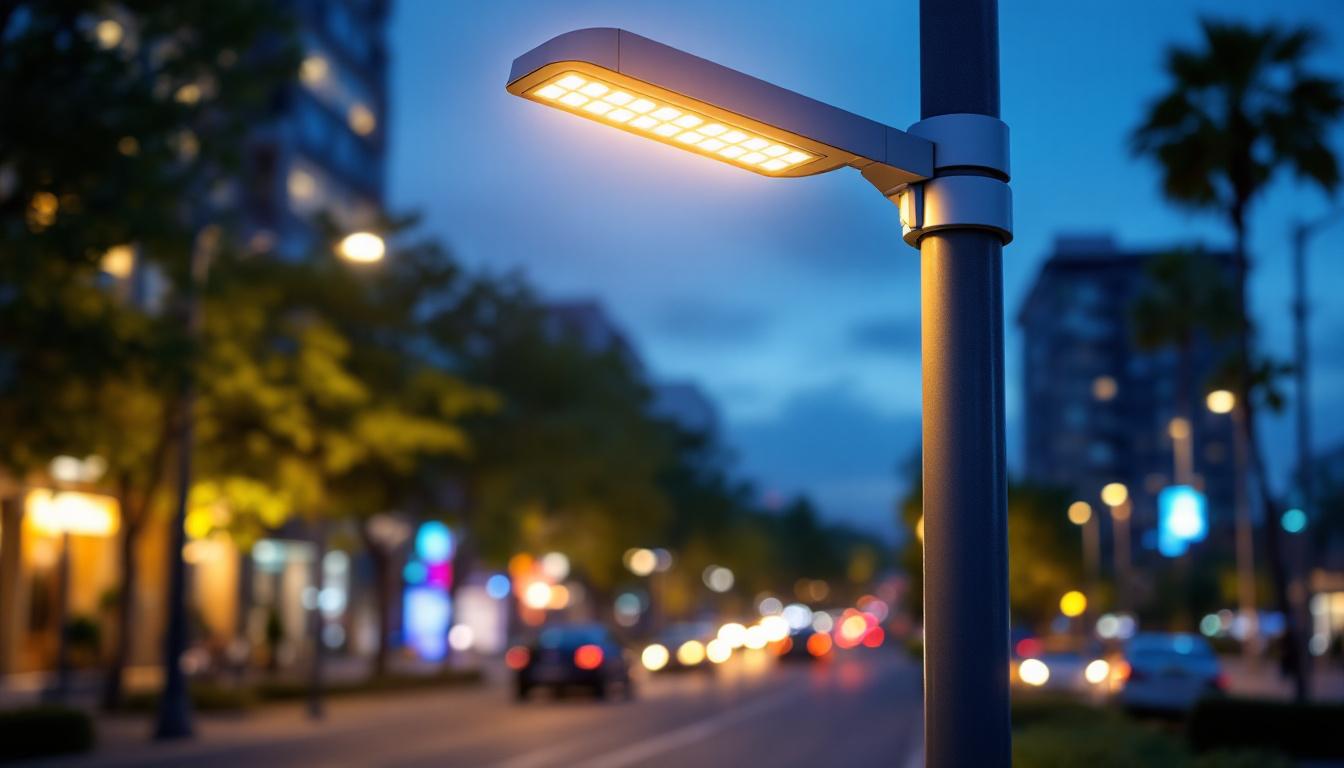
Light poles are a fundamental component of urban infrastructure, serving as the primary support for street lighting, traffic signals, and other public lighting needs. For lighting contractors, the design, placement, and technology integrated into these poles directly influence the efficiency and sustainability of lighting systems.
Traditionally, light poles were simple structures designed solely to elevate lighting fixtures. However, with advancements in technology and growing environmental concerns, their role has expanded to become a critical factor in energy efficiency strategies. Modern light poles are now engineered to accommodate energy-saving fixtures, smart controls, and renewable energy sources, all of which contribute to reducing energy consumption and operational costs.
In addition to their functional benefits, light poles also play a significant role in enhancing the aesthetic appeal of urban environments. Designers and city planners are increasingly considering the visual impact of light poles, opting for styles and materials that complement the surrounding architecture and landscape. This integration of design and functionality helps create a cohesive urban atmosphere, making public spaces more inviting and enjoyable for residents and visitors alike. Moreover, decorative light poles can serve as landmarks, guiding people through the city and contributing to a sense of place.
Furthermore, the evolution of light poles has led to the incorporation of smart technology, which allows for real-time monitoring and management of lighting systems. These intelligent systems can adjust brightness based on pedestrian and vehicular traffic, ensuring that areas are well-lit when needed while conserving energy during quieter times. Additionally, many modern light poles now include features such as integrated surveillance cameras, Wi-Fi hotspots, and environmental sensors, transforming them into multifunctional assets that enhance public safety and connectivity in urban areas. As cities continue to evolve, the role of light poles will undoubtedly expand, adapting to meet the changing needs of urban populations.
Energy Efficiency Through Innovative Light Pole Design
Material Selection and Durability
The choice of materials for light poles significantly impacts both energy efficiency and maintenance costs. Lightweight yet durable materials such as aluminum and composite polymers reduce the energy required for manufacturing and transportation. Moreover, corrosion-resistant materials extend the lifespan of poles, minimizing the need for frequent replacements and the associated environmental impact.
For lighting contractors, selecting poles made from sustainable materials can align with clients’ green initiatives and regulatory requirements. Additionally, durable poles ensure that energy-efficient lighting systems remain securely mounted and optimally positioned, which is crucial for maximizing illumination and minimizing energy waste. The use of recycled materials in the production of light poles can further enhance their sustainability profile, contributing to a circular economy and reducing the carbon footprint associated with new material extraction and processing.
Furthermore, innovative coatings and finishes can enhance the longevity of light poles, providing additional resistance to environmental factors such as UV radiation and extreme weather conditions. This not only preserves the aesthetic appeal of the installations but also ensures that they continue to perform efficiently over time, ultimately leading to lower lifecycle costs for municipalities and private entities alike.
Integration of Smart Technologies
Smart light poles equipped with sensors and IoT (Internet of Things) capabilities enable dynamic control of lighting levels based on real-time conditions. Motion sensors, ambient light detectors, and remote monitoring systems allow for adaptive lighting that adjusts brightness according to pedestrian and vehicular traffic or daylight availability.
This adaptability reduces unnecessary energy consumption by dimming or turning off lights when areas are unoccupied or sufficiently illuminated by natural light. For contractors, installing smart poles offers an opportunity to provide clients with cutting-edge solutions that enhance energy efficiency while improving public safety and user experience. Additionally, the integration of data analytics can provide valuable insights into usage patterns, allowing for further optimization of lighting strategies and resource allocation.
Moreover, the potential for integrating smart city technologies with light poles can extend beyond lighting alone. These poles can serve as platforms for additional services such as Wi-Fi hotspots, environmental monitoring stations, and emergency communication systems, creating multifunctional urban infrastructure that enhances community engagement and safety.
Design for Optimal Light Distribution
The physical design of light poles influences the distribution of light and, consequently, energy efficiency. Poles that allow for adjustable fixture angles and heights enable precise targeting of light, reducing light pollution and wasted illumination.
By minimizing over-lighting and directing light only where needed, these design features help lower energy use without compromising visibility. Lighting contractors should consider poles that support modular fixtures and customizable configurations to meet diverse project requirements efficiently. The ability to easily swap out or upgrade lighting fixtures also allows for future-proofing installations, ensuring that they can adapt to advancements in lighting technology and energy efficiency standards.
Additionally, the aesthetic design of light poles can play a significant role in urban planning and community identity. A well-designed light pole can enhance the visual appeal of public spaces, contributing to a sense of place and encouraging nighttime activity. By collaborating with urban designers and architects, lighting contractors can create solutions that not only meet functional requirements but also enrich the urban landscape and foster community well-being.
Light Pole Technologies Driving Energy Savings
LED Lighting Integration
One of the most significant advancements in energy-efficient lighting is the widespread adoption of LED (Light Emitting Diode) technology. LEDs consume substantially less power than traditional incandescent or high-pressure sodium lamps, while offering longer lifespans and superior light quality.
Light poles designed to accommodate LED fixtures facilitate easier upgrades and maintenance. For contractors, specifying poles compatible with LED technology ensures that installations are future-proof and capable of delivering considerable energy savings over time.
Solar-Powered Light Poles
Solar-powered light poles represent a sustainable alternative to grid-dependent lighting. By integrating photovoltaic panels directly onto or near the pole, these systems harness renewable energy to power lighting fixtures, reducing reliance on fossil fuels and lowering electricity costs.
While initial installation costs may be higher, the long-term benefits include reduced operational expenses and enhanced energy independence. Lighting contractors can leverage solar light poles to meet the increasing demand for green infrastructure, especially in remote or off-grid locations.
Energy Storage and Battery Technologies
Advancements in battery technology have improved the feasibility of energy storage solutions integrated with light poles. Efficient batteries store excess energy generated by solar panels or during off-peak hours, ensuring consistent lighting performance even during power outages or low sunlight periods.
Incorporating these storage systems into light pole designs enhances energy reliability and maximizes the utilization of renewable energy sources. Contractors should stay informed about the latest battery innovations to recommend optimal configurations tailored to project needs.
Environmental and Economic Benefits of Energy-Efficient Light Poles
Reducing Carbon Footprint
Energy-efficient light poles contribute significantly to lowering greenhouse gas emissions by decreasing electricity consumption and enabling the use of renewable energy. Municipalities and organizations adopting such technologies demonstrate environmental stewardship, which can improve community relations and meet regulatory standards.
Lighting contractors play a pivotal role in this transition by advising clients on sustainable options and ensuring proper installation and maintenance to maximize environmental benefits.
Cost Savings and Return on Investment
Although energy-efficient light poles may require higher upfront investment, the reduction in energy bills and maintenance costs offers substantial long-term savings. LEDs, smart controls, and solar integration reduce operational expenses, often resulting in a favorable return on investment within a few years.
Contractors who provide comprehensive cost-benefit analyses and highlight these financial advantages can help clients make informed decisions that balance budget constraints with sustainability goals.
Enhancing Public Safety and Community Well-being
Properly designed and energy-efficient lighting improves visibility and safety in public spaces, reducing accidents and crime rates. Smart light poles can also support additional functionalities such as emergency communication systems, environmental monitoring, and public Wi-Fi, enhancing overall community well-being.
Lighting contractors should consider these multifaceted benefits when proposing solutions, positioning energy-efficient light poles as integral components of smart city initiatives.
Best Practices for Lighting Contractors Implementing Energy-Efficient Light Poles
Comprehensive Site Assessment
Before installation, conducting a thorough site assessment is essential to determine the optimal pole placement, height, and lighting requirements. Factors such as traffic patterns, pedestrian activity, ambient light levels, and local regulations must be considered to design an efficient lighting system.
This tailored approach ensures that energy is not wasted on unnecessary illumination and that the lighting meets safety and aesthetic standards.
Collaboration with Manufacturers and Technology Providers
Staying updated with the latest innovations in light pole design and lighting technology requires close collaboration with manufacturers and technology providers. Contractors should seek partnerships that offer access to customizable solutions, training, and technical support.
Such collaborations enable contractors to deliver state-of-the-art installations that maximize energy efficiency and client satisfaction.
Ongoing Maintenance and Performance Monitoring
Energy efficiency is not a one-time achievement but requires continuous maintenance and monitoring. Implementing remote management systems allows contractors and clients to track energy consumption, detect faults, and schedule timely maintenance, ensuring sustained performance and efficiency.
Proactive maintenance reduces downtime and extends the lifespan of both poles and lighting fixtures, protecting the investment and environmental benefits.
Conclusion
Light poles are more than mere supports for lighting fixtures; they are critical enablers of energy-efficient urban lighting solutions. Through thoughtful design, integration of advanced technologies, and sustainable materials, light poles can significantly reduce energy consumption, lower costs, and enhance public safety.
For lighting contractors, understanding and leveraging the impact of light poles on energy efficiency is essential to delivering modern, sustainable lighting projects that meet the evolving demands of cities and communities. By adopting best practices and staying informed about technological advancements, contractors can play a key role in shaping a more energy-efficient and environmentally responsible future.
Illuminate Your Projects with LumenWholesale
Ready to elevate your lighting projects with energy-efficient solutions that don’t compromise on quality or cost? Look no further than LumenWholesale, where we provide contractors with the finest spec-grade lighting products at unbeatable wholesale prices. Our extensive selection is designed to meet the highest industry standards, ensuring you deliver reliable and high-performance lighting to every urban space. Plus, with free shipping on bulk orders, you can enjoy premium lighting at the best value — all without hidden fees or compromises. Take the next step towards a brighter, more sustainable future and explore our wholesale lighting options today.