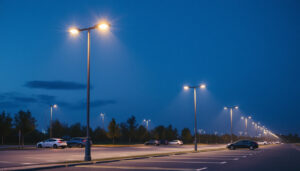
Understanding Flood Lighting Fundamentals
Flood lighting plays a critical role in both residential and commercial lighting projects. For lighting contractors, mastering the fundamentals of flood lighting is essential to delivering effective, safe, and aesthetically pleasing installations. Flood lights are designed to illuminate wide areas with a broad beam of light, making them ideal for outdoor security, landscape enhancement, and large indoor spaces such as warehouses or gymnasiums.
One of the primary considerations when working with flood lights is understanding their beam angle and lumen output. Beam angles typically range from 25 to 120 degrees, with wider angles covering larger areas but offering less intensity per square foot. Lumen output, which measures the brightness of the light, varies widely depending on the application—from subtle accent lighting to powerful security illumination. Selecting the right combination ensures the lighting meets the client’s needs without wasting energy or creating glare.
Types of Flood Lights Commonly Used
Lighting contractors should be familiar with the various types of flood lights available in the market. Traditional halogen flood lights have been widely used due to their bright, warm light and relatively low upfront cost. However, they consume more energy and generate more heat compared to modern alternatives.
LED flood lights have become the industry standard in recent years, thanks to their energy efficiency, long lifespan, and versatility. LEDs offer superior color rendering and can be dimmed or controlled via smart systems, providing enhanced customization. Additionally, solar-powered flood lights are gaining traction for outdoor applications, especially in areas where running electrical wiring is challenging or costly. These solar options not only reduce electricity costs but also contribute to sustainability efforts, making them an attractive choice for environmentally conscious clients.
Moreover, the choice of flood light can also depend on the specific environment in which they are to be installed. For instance, marine-grade flood lights are designed to withstand harsh weather conditions, including saltwater corrosion, making them ideal for coastal areas. Similarly, flood lights with motion sensors can enhance security by automatically turning on when movement is detected, providing an additional layer of safety for residential and commercial properties. Understanding these nuances allows lighting contractors to tailor their recommendations to best suit the unique needs of each project.
Key Installation Considerations for Lighting Contractors
Proper installation is crucial to maximize the effectiveness and longevity of flood lighting. Lighting contractors must evaluate site-specific factors such as mounting height, angle, and environmental conditions before installation. This initial assessment is not just about the physical attributes of the site; it also involves understanding the specific needs of the client and how they envision the lighting enhancing their space.
Mounting height influences both the coverage area and the intensity of the light. Higher mounts allow for broader coverage but reduce the intensity on the ground, which may not be suitable for security purposes. Conversely, lower mounts provide more focused illumination but cover a smaller area. Contractors should balance these factors based on client requirements and the intended use of the space. For instance, in a residential setting, homeowners might prefer softer lighting for aesthetic appeal, while commercial properties may prioritize brighter, more intense lighting for safety and visibility.
Optimal Positioning and Aiming
Flood lights should be aimed carefully to avoid light pollution and glare, which can cause discomfort to neighbors or interfere with drivers. Utilizing adjustable brackets and aiming tools helps contractors achieve precise light placement. Additionally, shielding or louvers can be installed to direct light downward and reduce spillover. It’s also essential to consider the surrounding landscape; trees, buildings, and other structures can obstruct light paths, necessitating adjustments in positioning to ensure effective illumination.
In commercial settings, lighting contractors often collaborate with architects and landscape designers to integrate flood lighting seamlessly into the overall design. This collaboration ensures that the lighting enhances architectural features and landscape elements without overpowering them. Furthermore, understanding the seasonal changes in daylight and how they affect the appearance of the space can lead to more thoughtful design choices. For example, during winter months when days are shorter, strategically placed flood lights can create a welcoming atmosphere that draws attention to entrances and pathways.
Weatherproofing and Durability
Since many flood lights are installed outdoors, weather resistance is a vital consideration. Lighting contractors should select fixtures with appropriate IP (Ingress Protection) ratings to ensure they withstand rain, dust, and temperature fluctuations. For example, an IP65 rating indicates the fixture is dust-tight and protected against water jets, making it suitable for most outdoor environments. Additionally, understanding the local climate can further guide the selection of materials and fixtures; areas prone to heavy snowfall or extreme heat may require specialized products designed to endure such conditions.
Using corrosion-resistant materials such as aluminum or stainless steel for mounting hardware further enhances durability. Regular maintenance schedules should also be recommended to clients to clean lenses and check for damage, extending the lifespan of the installation. Furthermore, contractors might suggest the use of LED flood lights, which not only offer energy efficiency but also have a longer lifespan compared to traditional lighting options. This can significantly reduce maintenance costs and the frequency of replacements, making it a wise investment for both residential and commercial clients alike.
Energy Efficiency and Sustainability in Flood Lighting
Energy efficiency is a top priority for modern lighting contractors, driven by increasing client demand for sustainable solutions and regulatory requirements. Flood lighting, if not managed properly, can be a significant energy drain due to the large areas it covers and the high lumen output required.
Leveraging LED Technology
LED flood lights consume up to 80% less energy than traditional halogen or incandescent options, translating into substantial cost savings over time. Their long lifespan—often exceeding 50,000 hours—reduces the frequency of replacements, lowering maintenance costs and environmental impact.
Contractors should educate clients on the benefits of LEDs and recommend fixtures with high efficacy (lumens per watt) and quality drivers to ensure consistent performance. Additionally, choosing LEDs with appropriate color temperatures (typically 3000K to 5000K for flood lighting) can enhance visibility and ambiance.
Smart Controls and Automation
Integrating smart controls such as motion sensors, timers, and dimmers can significantly reduce energy consumption. For example, motion-activated flood lights only illuminate when movement is detected, providing security without unnecessary energy use. Timers allow lights to operate only during designated hours, preventing all-night illumination when it is not needed.
Advanced lighting control systems can be programmed remotely and adjusted based on seasonal changes or occupancy patterns. Lighting contractors who offer these solutions add value to their services and help clients achieve sustainability goals.
Safety and Compliance Standards
Lighting contractors must adhere to safety and compliance standards to protect both themselves and their clients. Electrical codes and regulations vary by region but generally require proper grounding, circuit protection, and use of certified equipment.
Electrical Safety Best Practices
Before installation, contractors should conduct thorough site assessments to identify potential hazards such as overhead power lines or wet locations. Using weatherproof junction boxes and conduit protects wiring from damage and exposure. Ground fault circuit interrupters (GFCIs) are essential for outdoor circuits to prevent electric shock.
Proper labeling and documentation of circuits facilitate future maintenance and troubleshooting. Contractors should also ensure that all installations are inspected and approved by local authorities when required.
Compliance with Lighting Standards
Several standards govern flood lighting design and installation, including those from the Illuminating Engineering Society (IES) and the International Electrotechnical Commission (IEC). These standards provide guidelines on illumination levels, glare control, and energy efficiency.
For security lighting, contractors should consider standards that specify minimum light levels to deter intruders without causing excessive light trespass. Compliance not only ensures safety but also enhances the professionalism and credibility of the contractor’s work.
Enhancing Client Satisfaction Through Expert Consultation
Successful lighting contractors do more than just install fixtures—they serve as trusted advisors who guide clients through the selection, design, and maintenance of flood lighting systems. Clear communication and tailored recommendations build long-term relationships and lead to repeat business.
Assessing Client Needs and Site Conditions
Each project is unique, and contractors should begin by understanding the client’s goals, budget, and aesthetic preferences. Conducting a detailed site survey helps identify challenges such as uneven terrain, obstructions, or existing electrical infrastructure.
Providing clients with photometric simulations or sample installations can help set realistic expectations and demonstrate the impact of different lighting options. This approach reduces misunderstandings and increases client confidence.
Offering Maintenance and Upgrade Services
Lighting systems require periodic maintenance to maintain optimal performance. Contractors who offer ongoing service agreements, including cleaning, bulb replacement, and system checks, differentiate themselves in a competitive market.
Furthermore, as lighting technology evolves, contractors should educate clients about upgrade opportunities such as retrofitting older flood lights with LED modules or integrating smart controls. These enhancements improve efficiency and functionality, providing added value.
Conclusion
Flood lighting is a versatile and impactful element of many lighting projects, and lighting contractors play a pivotal role in ensuring its success. By understanding the technical aspects, prioritizing energy efficiency, adhering to safety standards, and engaging clients with expert consultation, contractors can deliver high-quality flood lighting solutions that meet diverse needs.
Staying current with technological advancements and industry best practices empowers lighting contractors to provide innovative, sustainable, and reliable flood lighting installations. This commitment not only benefits clients but also strengthens the contractor’s reputation and business growth in a competitive market.
Illuminate Your Projects with LumenWholesale
Ready to elevate your flood lighting installations with the highest quality products at the best value? Look no further than LumenWholesale. Our spec-grade lighting solutions are designed to meet the needs of the most discerning contractors, all at unbeatable wholesale prices. Say goodbye to local distributor markups and hello to a vast selection of reliable, high-performance lighting that will make every project shine. With the added convenience of free shipping on bulk orders, LumenWholesale is your go-to source for premium lighting without the premium price tag. Discover wholesale lighting at the best value today and see the difference quality and affordability can make.