Why Motion Sensor Lights Are Revolutionizing Lighting Projects
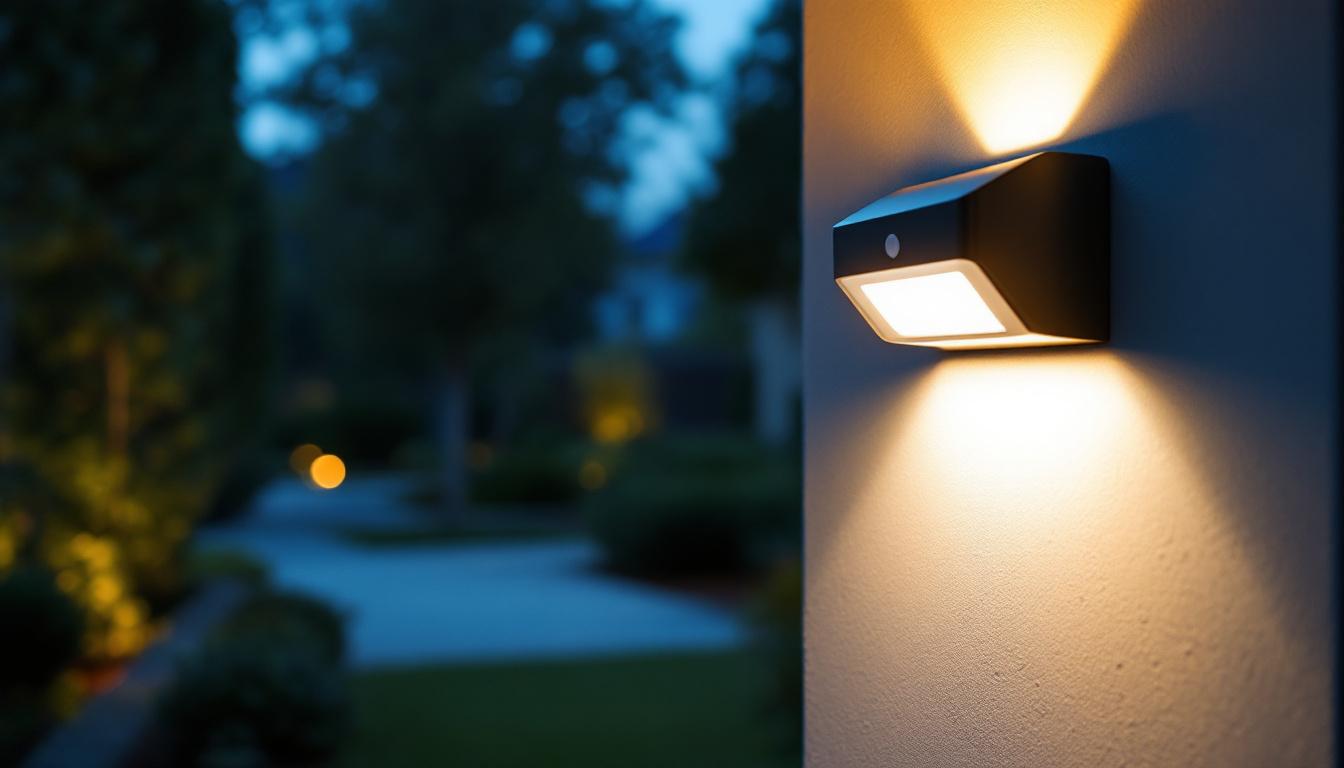
Lighting contractors have long sought solutions that combine efficiency, safety, and client satisfaction. Electric motion sensor lights have emerged as a game-changer in this regard. These devices not only illuminate spaces automatically but also optimize energy consumption, reduce maintenance costs, and enhance security. For contractors, integrating motion sensor lights into projects means delivering smarter, more sustainable solutions that clients increasingly demand.
Consider a commercial parking lot installation. Traditional lighting systems often run throughout the night, wasting energy and inflating utility bills. Motion sensor lights, by contrast, activate only when movement is detected, creating a dynamic lighting environment that responds to actual use. This shift dramatically reduces energy consumption and operational costs, a selling point that resonates with both residential and commercial clients.
Moreover, the technology behind motion sensor lights has advanced significantly, offering features such as adjustable sensitivity settings and customizable light duration. This means that contractors can tailor installations to meet the specific needs of each location, whether it’s a busy retail space or a quiet residential driveway. Additionally, many modern motion sensor lights are equipped with smart technology, allowing for integration with home automation systems. This capability not only enhances user convenience but also provides clients with the ability to monitor and control their lighting remotely, further increasing the appeal of these systems.
Another important aspect to consider is the safety benefits that motion sensor lights provide. By illuminating dark areas only when needed, they can deter potential criminal activity and provide a sense of security for users. For instance, in residential settings, homeowners can feel more at ease knowing that their pathways and entrances are well-lit when they arrive home at night. In commercial environments, well-lit parking lots and entrances can enhance customer safety and encourage foot traffic after dark. As safety becomes a higher priority for both residential and commercial clients, the demand for motion sensor lights is likely to grow even more, making them an essential component of future lighting projects.
Understanding the Technology Behind Electric Motion Sensor Lights
Types of Sensors and Their Applications
Electric motion sensor lights rely on different sensor technologies to detect movement. The two most common types are Passive Infrared (PIR) sensors and microwave sensors. PIR sensors detect heat emitted by living beings, making them ideal for residential and indoor commercial spaces. Microwave sensors emit electromagnetic waves and detect changes in their reflections, offering greater sensitivity and coverage, suitable for larger outdoor areas.
Choosing the right sensor type is crucial. For example, a lighting contractor working on a warehouse project might prefer microwave sensors for their ability to detect movement through obstacles like glass or thin walls. In contrast, PIR sensors are often favored for their cost-effectiveness and reliability in straightforward applications like hallway lighting or residential driveways.
Integration with Smart Systems
Modern motion sensor lights often come equipped with smart capabilities, allowing integration with building management systems or home automation platforms. This connectivity enables remote control, scheduling, and data collection on usage patterns. Lighting contractors who understand these integrations can offer clients enhanced control and insights, adding value beyond basic illumination.
Benefits for Lighting Contractors
Energy Efficiency and Cost Savings
Energy efficiency is a primary concern for many clients, especially commercial property owners facing high electricity costs. Motion sensor lighting reduces unnecessary lighting, which can cut energy usage by up to 70% in some applications. For contractors, this efficiency translates into a strong selling point and an opportunity to differentiate their services.
Moreover, reduced energy consumption means lower operational costs for clients, leading to higher satisfaction and repeat business. Contractors who emphasize these benefits during consultations often find it easier to close deals and justify premium pricing for advanced lighting solutions.
Enhanced Safety and Security
Motion sensor lights improve safety by illuminating areas only when needed, deterring potential intruders and reducing accidents caused by poor visibility. For contractors working on outdoor or commercial projects, this feature is invaluable. It addresses client concerns about security without the need for continuous lighting, which can be intrusive and costly.
In residential settings, motion sensor lights provide peace of mind by lighting walkways, driveways, and entry points automatically. Contractors can recommend specific sensor placements to maximize coverage and effectiveness, showcasing their expertise and attention to detail.
Reduced Maintenance and Longer Lifespan
Because motion sensor lights operate only when necessary, their bulbs and components experience less wear and tear. This results in longer lifespans and reduced maintenance requirements. Contractors benefit from fewer callbacks and warranty claims, improving their reputation and profitability.
Additionally, many motion sensor lights use LED technology, which is inherently durable and energy-efficient. Combining LEDs with motion sensors creates a lighting solution that is both low-maintenance and environmentally friendly-an attractive proposition for clients focused on sustainability.
Practical Considerations for Installation
Site Assessment and Sensor Placement
Successful installation begins with a thorough site assessment. Lighting contractors must evaluate the environment to determine optimal sensor placement. Factors such as traffic patterns, natural light availability, and potential obstructions influence sensor performance.
For example, placing sensors too close to heat sources or air vents can cause false triggers. Similarly, sensors installed in areas with heavy foliage might experience inconsistent activation. Contractors who meticulously plan sensor locations avoid these pitfalls, ensuring reliable operation and client satisfaction.
Wiring and Power Supply Options
Electric motion sensor lights come in wired and wireless configurations. Wired systems offer stable power and are often preferred for permanent installations, but they require more labor and planning. Wireless options provide flexibility and easier installation, especially in retrofit projects, but may depend on battery life or signal strength.
Lighting contractors must weigh these factors based on project scope, client preferences, and budget. Understanding the trade-offs allows for tailored recommendations that align with client needs and site conditions.
Compliance and Safety Standards
Adhering to electrical codes and safety standards is non-negotiable. Motion sensor lighting installations must comply with local regulations, including proper grounding, circuit protection, and environmental considerations. Contractors who stay updated on these requirements reduce liability and ensure project approvals.
Additionally, selecting products certified by recognized bodies, such as UL or CE, guarantees quality and safety. Clients appreciate contractors who prioritize compliance, reinforcing trust and professionalism.
Marketing Motion Sensor Lighting to Clients
Highlighting Return on Investment
Clients are often concerned about upfront costs. Lighting contractors can address this by emphasizing the long-term savings motion sensor lights provide. Detailed cost-benefit analyses, including energy savings and reduced maintenance expenses, make a compelling case.
Presenting case studies or real-world examples where clients recouped their investment within months can be persuasive. Contractors should also mention potential rebates or incentives offered by utility companies for energy-efficient installations, adding another layer of financial appeal.
Demonstrating Environmental Responsibility
Environmental considerations are increasingly influencing purchasing decisions. Motion sensor lights contribute to sustainability goals by lowering energy consumption and reducing carbon footprints. Contractors who position themselves as eco-conscious partners can attract clients committed to green building practices.
Incorporating certifications like LEED or Energy Star into proposals further strengthens this positioning. Lighting contractors who master this narrative tap into a growing market segment that values environmental stewardship alongside performance.
Offering Customized Solutions
Every project is unique, and clients appreciate personalized recommendations. Lighting contractors who take the time to understand client needs, site challenges, and aesthetic preferences can design motion sensor lighting systems that fit perfectly.
Customization might include adjustable sensitivity settings, integration with existing security systems, or specific light color temperatures to match architectural styles. This tailored approach not only satisfies clients but also builds long-term relationships and referrals.
Future Trends and Opportunities in Motion Sensor Lighting
Advancements in Sensor Accuracy and AI Integration
Emerging technologies are making motion sensor lights smarter and more reliable. Artificial intelligence and machine learning algorithms enable sensors to distinguish between different types of movement, reducing false triggers from animals or environmental factors.
Lighting contractors who stay abreast of these advancements can offer cutting-edge solutions that enhance user experience and operational efficiency. Early adoption can position contractors as leaders in innovation within their markets.
Expanding Applications Beyond Traditional Lighting
Motion sensor technology is expanding into new domains such as adaptive lighting for energy grids, integration with emergency response systems, and even health monitoring in smart buildings. Lighting contractors who explore these applications can diversify their offerings and tap into emerging revenue streams.
For instance, integrating motion sensor lights with occupancy analytics can help facility managers optimize space usage, a service that adds value beyond basic lighting installation.
Growing Demand for Sustainable and Smart Buildings
As regulations tighten and consumer awareness grows, demand for sustainable, smart buildings continues to rise. Motion sensor lighting is a foundational element in these developments. Lighting contractors who develop expertise in smart lighting systems position themselves to capture this expanding market.
Investing in training and partnerships with technology providers ensures contractors remain competitive and capable of delivering comprehensive solutions that meet evolving client expectations.
Conclusion: Embracing Motion Sensor Lighting for Success
Electric motion sensor lights are more than just convenient lighting options-they represent a strategic advantage for lighting contractors. By understanding the technology, mastering installation best practices, and effectively communicating benefits, contractors can elevate their services and grow their businesses.
Incorporating motion sensor lighting into projects leads to satisfied clients, reduced energy costs, enhanced safety, and a reputation for innovation. For contractors ready to meet the demands of modern lighting, motion sensor lights are indeed the key to success.
Illuminate Your Projects with LumenWholesale
Ready to harness the power of electric motion sensor lights and give your clients the efficiency, safety, and satisfaction they deserve? Look no further than LumenWholesale for all your lighting needs. Our spec-grade products set the standard for quality and performance, all at wholesale prices that put you ahead of the competition. Say goodbye to local distributor markups and hello to a world of savings with free shipping on bulk orders. Elevate your lighting game and discover the ultimate in value and convenience at Wholesale Lighting at the Best Value. Join the ranks of successful contractors who choose LumenWholesale for their lighting solutions.