As urban living spaces continue to evolve, the demand for effective and aesthetically pleasing lighting solutions in apartments has never been greater. For lighting contractors, understanding the nuances of ceiling lights is essential to meet the diverse needs of their clients. This article delves into the various aspects of ceiling lights that contractors should consider, from types and styles to installation techniques and energy efficiency.
Understanding Different Types of Ceiling Lights
Ceiling lights serve as the primary source of illumination in any apartment, and they come in various forms, each with its unique characteristics and applications. Familiarity with these types can help contractors recommend the best options for their clients.
Flush Mount Lights
Flush mount lights are a popular choice for apartments, particularly in spaces with low ceilings. These fixtures sit directly against the ceiling, providing a clean and unobtrusive look. They are available in various designs, from minimalist to ornate, making them suitable for different interior styles.
When selecting flush mount lights, contractors should consider the size of the room and the amount of light needed. A larger fixture may be necessary for spacious living areas, while smaller options work well in bedrooms or hallways. Additionally, energy-efficient LED flush mounts have become increasingly popular, offering long-lasting illumination while reducing electricity costs. These fixtures not only enhance the aesthetic appeal of a room but also contribute to sustainable living practices, making them a wise choice for environmentally conscious homeowners.
Pendant Lights
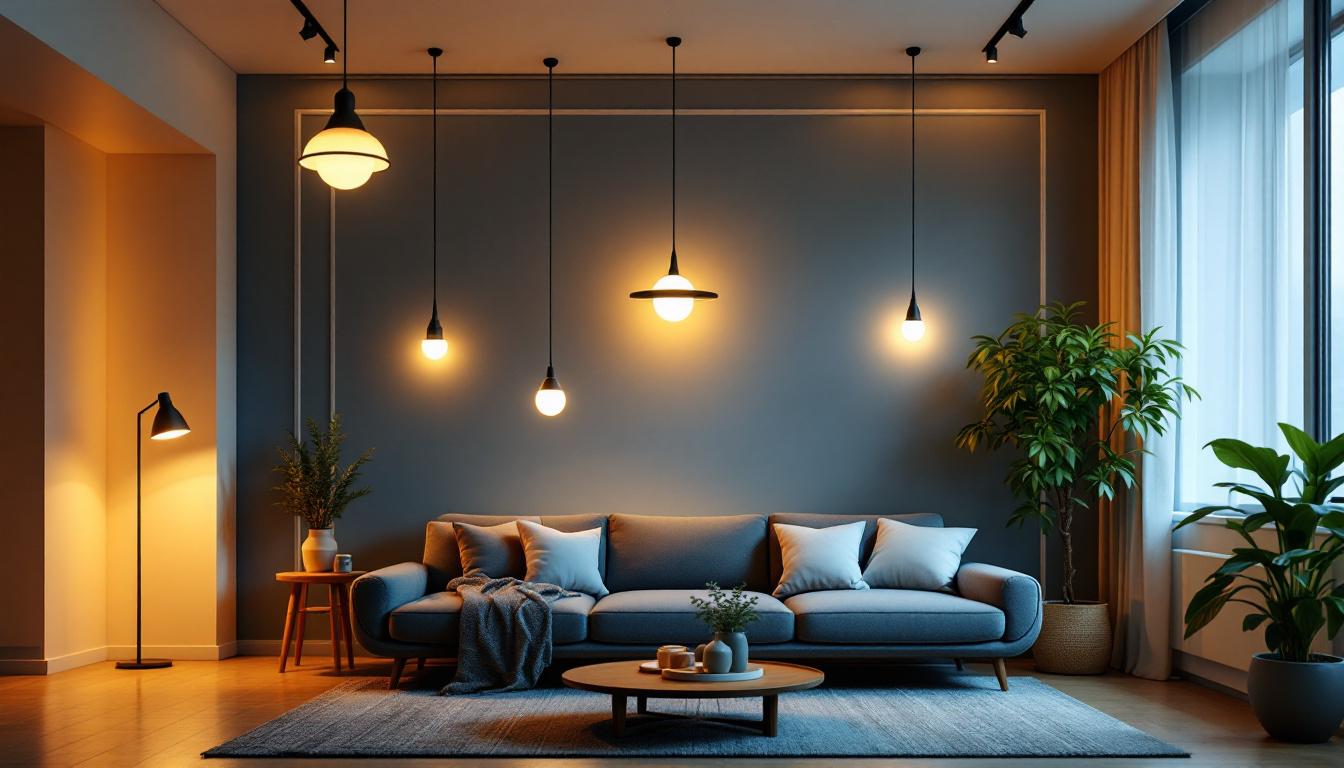
Pendant lights offer versatility and style, making them a favorite in modern apartment designs. These fixtures hang from the ceiling, often over kitchen islands or dining areas, providing focused lighting where it’s needed most. They come in various shapes, sizes, and materials, allowing for customization to match the apartment’s decor.
When installing pendant lights, it’s crucial to consider the height at which they hang. Too low, and they may obstruct views or become a hazard; too high, and they may not provide adequate illumination. A general rule of thumb is to hang them 30 to 36 inches above countertops or tables. Furthermore, pendant lights can be grouped together in clusters for a more dramatic effect, creating a statement piece that not only illuminates but also enhances the overall design of the space. This trend has gained traction in open-concept layouts, where multiple pendants can delineate areas without the need for physical barriers.
Chandeliers
Chandeliers are often associated with luxury and elegance. While they may not be suitable for every apartment, they can serve as a stunning focal point in larger spaces or dining areas. Modern chandeliers come in various styles, from classic crystal designs to contemporary geometric shapes.
Contractors should ensure that the chandelier’s scale is appropriate for the room size. Additionally, considering the ceiling height is vital; a chandelier in a low-ceiling apartment may feel cramped, while one in a high-ceiling space can create a dramatic effect. Beyond aesthetics, chandeliers can also incorporate smart lighting technology, allowing homeowners to adjust brightness and color temperature with ease. This feature not only enhances the ambiance but also provides practical benefits, such as energy savings and the ability to set the mood for different occasions, from intimate dinners to lively gatherings.
Choosing the Right Lighting Style
Beyond functionality, the style of ceiling lights plays a significant role in the overall ambiance of an apartment. Lighting contractors must guide clients in selecting fixtures that align with their aesthetic preferences.
Contemporary Styles
Contemporary lighting fixtures often feature sleek lines, minimalistic designs, and innovative materials. These lights are ideal for modern apartments that embrace open spaces and a clean aesthetic. Using materials like metal, glass, and acrylic, contemporary fixtures can enhance the overall design without overwhelming the space.
When recommending contemporary styles, contractors should consider the existing decor and color palette of the apartment. Fixtures that complement rather than clash with the interior will create a cohesive look.
Traditional Styles
For clients who prefer a classic look, traditional ceiling lights can add warmth and charm to an apartment. These fixtures often feature intricate designs, warm finishes, and materials like brass or bronze. They work particularly well in spaces that embrace vintage or rustic decor.
Contractors should pay attention to the architectural details of the apartment when suggesting traditional fixtures. A well-chosen light can enhance features like crown molding or decorative ceilings, adding character to the space.
Industrial Styles
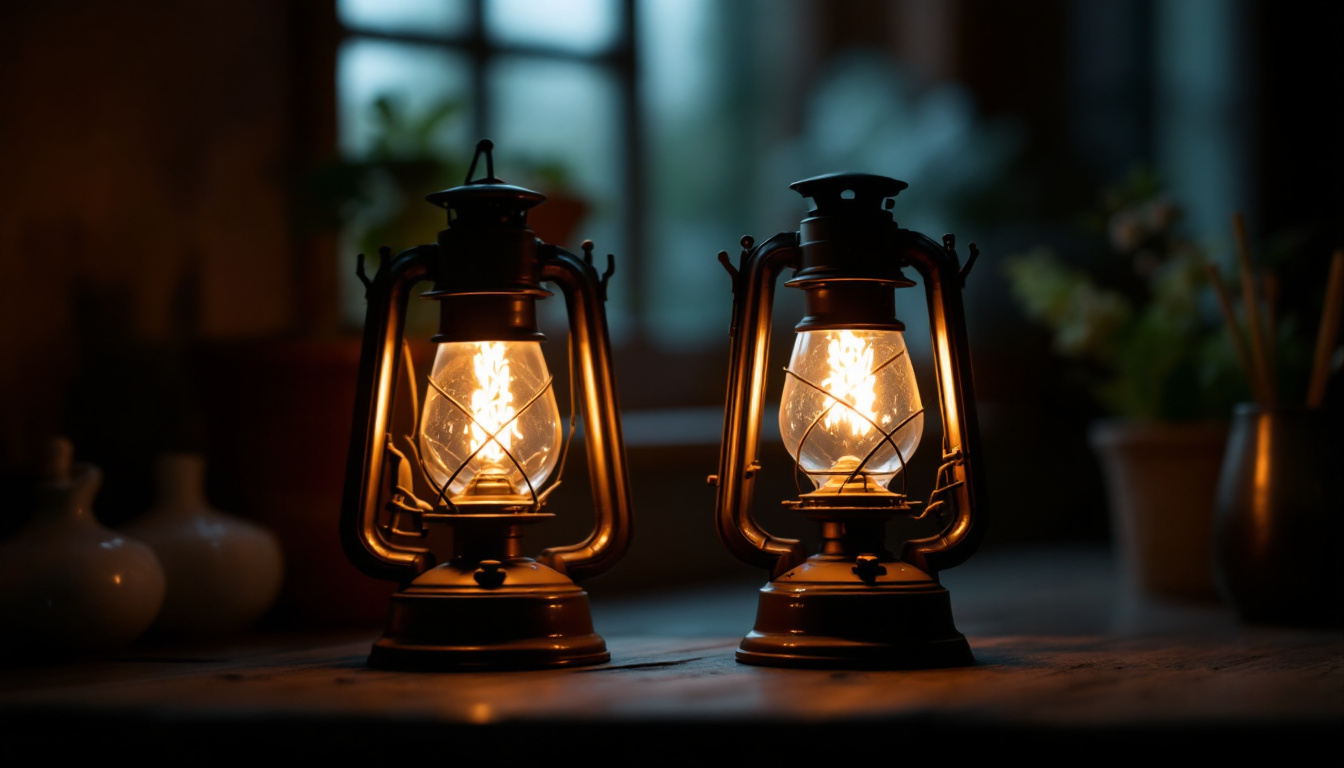
The industrial style has gained popularity in urban apartments, characterized by raw materials, exposed bulbs, and a utilitarian aesthetic. Ceiling lights in this category often feature metal finishes and vintage-inspired designs, making them perfect for loft-style spaces.
When installing industrial-style lights, contractors should consider the overall theme of the apartment. Combining these fixtures with other industrial elements, such as concrete walls or wooden beams, can create a harmonious and trendy environment.
Energy Efficiency Considerations
As sustainability becomes a priority for many homeowners, lighting contractors must emphasize energy efficiency when recommending ceiling lights. Understanding the different types of bulbs and their energy consumption is crucial.
LED Lighting
LED lights are at the forefront of energy-efficient lighting solutions. They consume significantly less energy than traditional incandescent bulbs and have a much longer lifespan. This makes them an ideal choice for ceiling lights in apartments, where longevity and cost-effectiveness are important.
Contractors should educate clients on the benefits of LED lighting, including lower electricity bills and reduced environmental impact. Additionally, advancements in LED technology have led to a wide variety of styles and color temperatures, allowing for customization without sacrificing efficiency.
CFL and Incandescent Bulbs
While compact fluorescent lamps (CFLs) and incandescent bulbs are still used in some applications, they are generally less efficient than LEDs. CFLs consume more energy than LEDs and have a shorter lifespan, while incandescent bulbs are known for their high energy consumption.
Contractors should encourage clients to transition to LED lighting wherever possible, highlighting the long-term savings and environmental benefits. However, if clients prefer the warm glow of incandescent lighting, it’s essential to suggest energy-efficient options that can still meet their aesthetic preferences.
Installation Best Practices
Proper installation of ceiling lights is crucial to ensure safety, functionality, and aesthetics. Lighting contractors must be familiar with best practices to deliver quality work that meets industry standards.
Electrical Safety
Safety should always be the top priority when installing ceiling lights. Contractors must ensure that all electrical connections are secure and comply with local building codes. This includes using appropriate wiring, circuit breakers, and junction boxes.
Before installation, it’s essential to turn off the power supply to the area where the lights will be installed. This precaution helps prevent electrical shocks and ensures a safe working environment. Additionally, using tools designed for electrical work can further enhance safety during the installation process.
Positioning and Spacing
The positioning and spacing of ceiling lights can significantly impact the overall lighting quality in an apartment. Contractors should consider the room’s layout and purpose when determining where to place fixtures.
A general guideline is to space recessed lights about 4 to 6 feet apart, depending on the ceiling height and the desired brightness. For pendant lights, positioning them over focal points, such as dining tables or kitchen islands, can create an inviting atmosphere.
Testing and Adjustments
After installation, it’s essential to test the ceiling lights to ensure they function correctly. This includes checking for flickering, dimming, or any other issues that may arise. If problems are detected, adjustments may be necessary, such as repositioning fixtures or replacing bulbs.
Contractors should also encourage clients to experiment with different lighting settings and arrangements. Dimmers, for instance, can provide flexibility in lighting levels, allowing residents to create the perfect ambiance for any occasion.
Trends in Ceiling Lighting for Apartments
Staying updated on current trends in ceiling lighting can help contractors provide relevant recommendations to their clients. Understanding what’s popular can enhance the appeal of their services.
Smart Lighting Solutions
Smart lighting has emerged as a significant trend in modern apartments. These systems allow residents to control their lighting remotely through smartphones or voice-activated devices. Smart ceiling lights can be programmed for different moods, schedules, and even colors, adding a layer of convenience and personalization.
Contractors should familiarize themselves with various smart lighting products and systems to offer informed recommendations. Understanding compatibility with existing home automation systems can also enhance the client’s experience.
Layered Lighting
Layered lighting is another trend gaining traction in apartment design. This approach involves combining different types of lighting—ambient, task, and accent—to create a well-rounded illumination scheme. Ceiling lights play a vital role in this strategy, providing the foundational ambient light necessary for any space.
Contractors should encourage clients to think beyond a single overhead fixture. By incorporating additional sources of light, such as floor lamps or wall sconces, they can create a more dynamic and inviting environment.
Conclusion
Ceiling lights are an essential component of apartment design, offering both functionality and style. For lighting contractors, understanding the various types, styles, and installation techniques is crucial to delivering exceptional service. By considering energy efficiency, current trends, and best practices, contractors can help their clients create beautiful, well-lit spaces that enhance their living experience.
As the demand for innovative lighting solutions continues to grow, staying informed and adaptable will ensure that lighting contractors remain competitive in the ever-evolving landscape of apartment design. With the right knowledge and skills, they can illuminate the way for their clients, transforming ordinary spaces into extraordinary homes.
Illuminate with LumenWholesale
Ready to elevate your lighting projects with premium ceiling lights that combine style, efficiency, and unbeatable value? Look no further than LumenWholesale. Our extensive selection of spec-grade lighting products is designed to meet the highest industry standards, ensuring you deliver exceptional service every time. Say goodbye to inflated markups and hello to top-quality lighting at wholesale prices. Plus, with free shipping on bulk orders, you can stock up on the best lighting solutions without any hidden fees. Don’t compromise on quality or cost. Wholesale Lighting at the Best Value is just a click away. Experience the LumenWholesale difference today!