Understanding the Importance of High Bay Lighting in Warehouses
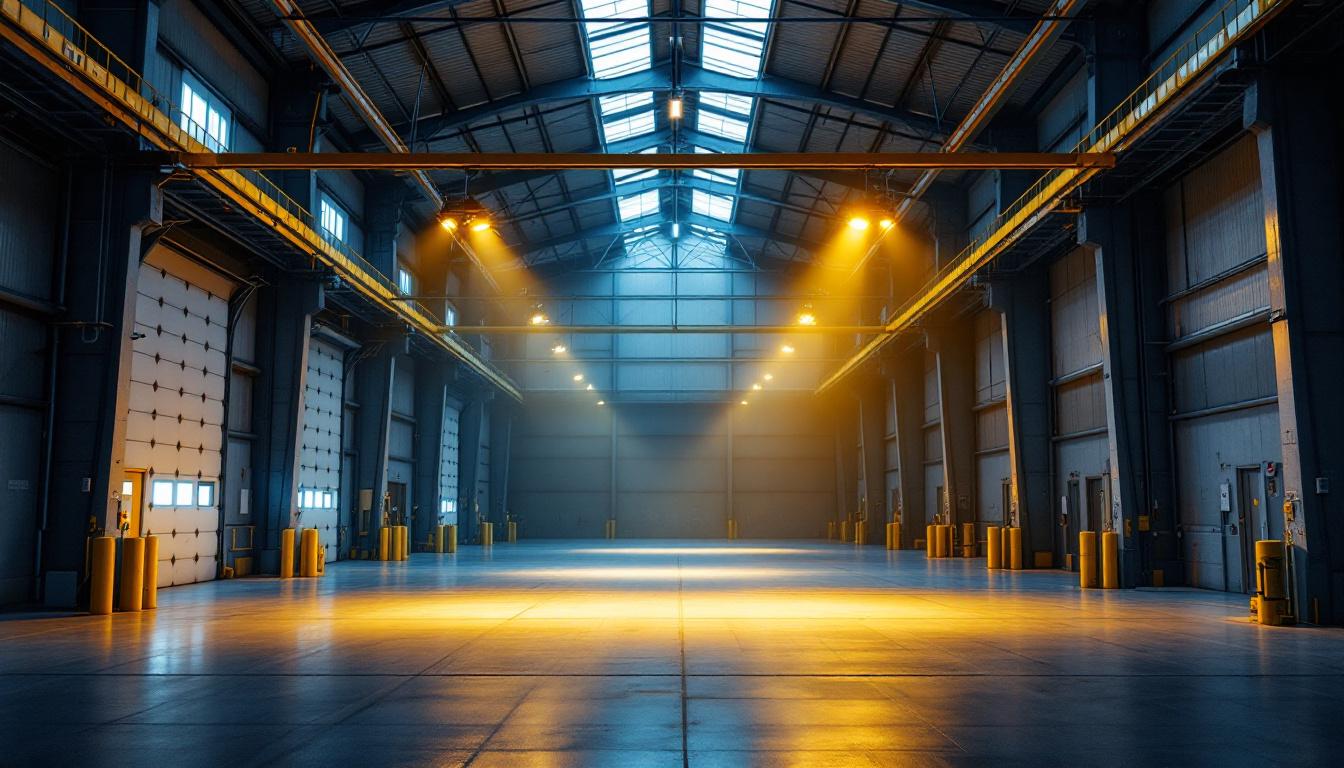
High bay lighting plays a critical role in warehouse environments, where ceilings typically exceed 20 feet in height. Proper illumination is essential not only for operational efficiency but also for safety and compliance with industry standards. For lighting contractors, mastering the nuances of high bay lighting can significantly impact the success of a project and client satisfaction.
Warehouses often operate around the clock, with tasks ranging from inventory management to heavy machinery operation. Inadequate or poorly designed lighting can lead to decreased productivity, increased errors, and heightened risk of accidents. Therefore, selecting and implementing the right lighting solutions is a top priority for contractors working in this sector.
Moreover, the choice of high bay lighting technology can greatly influence energy consumption and operational costs. LED high bay lights, for instance, are becoming increasingly popular due to their energy efficiency and long lifespan. Unlike traditional lighting options, LEDs consume significantly less power and require less frequent replacements, resulting in lower maintenance costs over time. Additionally, the advanced technology behind LED lighting allows for better color rendering and brightness control, which can enhance visibility and improve the overall working environment within the warehouse.
Another important consideration is the layout and design of the warehouse itself. Properly assessing the space can lead to strategic placement of lighting fixtures, ensuring that all areas receive adequate illumination. Factors such as shelving height, aisle width, and the specific tasks performed in different zones of the warehouse must be taken into account. By conducting a thorough lighting audit, contractors can tailor their solutions to meet the unique needs of the warehouse, ultimately fostering a more productive and safe workplace for employees.
Key Considerations When Designing High Bay Lighting Systems
Ceiling Height and Fixture Selection
The height of the warehouse ceiling directly influences the type of high bay fixtures required. For ceilings between 20 and 40 feet, standard high bay LED fixtures are typically suitable. However, for ceilings exceeding 40 feet, extra-high bay fixtures with higher lumen output and specialized optics may be necessary to ensure uniform light distribution.
Lighting contractors must carefully evaluate the mounting height to determine the appropriate beam angle and lumen output. Narrow beam angles focus light on specific areas, while wider angles offer more diffuse illumination, which can be beneficial for general warehouse lighting. Additionally, the layout of the warehouse, including the placement of aisles and storage racks, should be taken into account to optimize light placement and minimize shadows, ensuring that all areas are adequately illuminated for safety and efficiency.
Energy Efficiency and Sustainability
Energy consumption is a major concern for warehouse operators, as lighting can account for a significant portion of the facility’s electricity usage. LED technology has become the industry standard due to its superior energy efficiency, longer lifespan, and reduced maintenance costs compared to traditional metal halide or fluorescent fixtures.
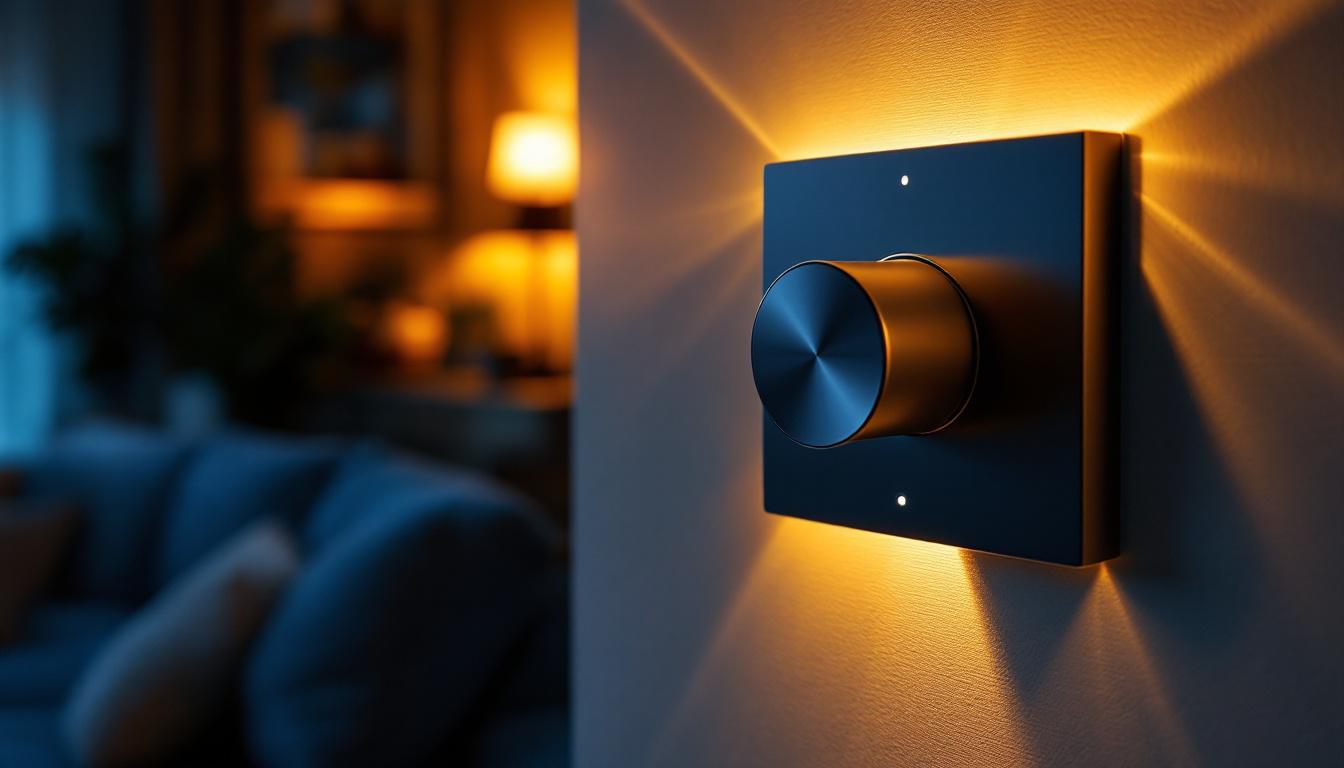
Contractors should recommend LED high bay fixtures with high efficacy ratings—measured in lumens per watt—to maximize energy savings. Incorporating lighting controls such as occupancy sensors, daylight harvesting, and dimming capabilities can further enhance efficiency by reducing power usage during non-peak hours or when natural light is sufficient. Furthermore, the integration of smart lighting systems can allow for real-time monitoring and adjustments, providing warehouse managers with valuable data to optimize energy consumption and reduce operational costs over time.
Color Temperature and Color Rendering Index (CRI)
Choosing the right color temperature is essential for creating a comfortable and productive warehouse environment. Most warehouses benefit from neutral to cool white lighting, typically ranging from 4000K to 5000K, which enhances visibility and reduces eye strain.
The Color Rendering Index (CRI) measures how accurately a light source reveals the colors of objects compared to natural light. A CRI of 80 or higher is generally recommended for warehouses to ensure clear visibility of labels, packaging, and product colors, which is crucial for quality control and safety. In addition, the choice of color temperature can also influence worker productivity and morale; cooler temperatures can stimulate alertness and focus, while warmer tones may create a more relaxed atmosphere, which can be beneficial in areas where employees are engaged in less intensive tasks. Understanding these nuances can help in designing a lighting system that not only meets functional needs but also supports the overall well-being of warehouse staff.
Advanced Lighting Strategies for Optimal Warehouse Performance
Zoning and Layered Lighting
Implementing zoning strategies allows for targeted illumination of specific areas within a warehouse, such as loading docks, aisles, or packing stations. This approach not only improves visibility where it is most needed but also conserves energy by avoiding unnecessary lighting in unoccupied zones. By analyzing the workflow and traffic patterns within the warehouse, managers can effectively designate zones that require varying levels of brightness, enhancing safety and productivity. For example, brighter lighting in the packing area can reduce errors during order fulfillment, while dimmer lighting in less frequented storage areas can save energy without compromising safety.
Layered lighting combines ambient, task, and accent lighting to create a balanced and adaptable environment. For instance, ambient high bay fixtures provide general illumination, while task lighting can be installed at workstations for detailed activities. This layered approach enhances worker comfort and efficiency, as it allows employees to focus on their tasks without straining their eyes. Additionally, incorporating accent lighting can highlight specific areas, such as emergency exits or safety equipment, ensuring they are easily identifiable. By thoughtfully designing the lighting layout, warehouses can foster a more inviting and productive atmosphere, ultimately leading to improved employee morale and performance.
Smart Lighting Controls and Automation
Modern warehouses increasingly rely on smart lighting systems that integrate sensors, timers, and building management systems. These technologies enable dynamic control of lighting levels based on occupancy, daylight availability, and operational schedules. For instance, motion sensors can automatically turn lights on when employees enter a space and off when they leave, further optimizing energy use. Moreover, integrating these systems with other smart technologies, such as HVAC and security, can create a more cohesive and efficient operational environment.
Lighting contractors should prioritize solutions that support wireless communication protocols, allowing for easy installation and scalability. Automated lighting not only reduces energy costs but also extends fixture lifespan by minimizing unnecessary usage. Furthermore, advanced analytics can provide valuable insights into lighting usage patterns, helping warehouse managers make informed decisions about future upgrades or adjustments. This data-driven approach not only enhances operational efficiency but also contributes to sustainability goals by reducing the overall carbon footprint of warehouse operations.
Maintenance and Accessibility Considerations
High bay fixtures are often installed in hard-to-reach locations, making maintenance a significant challenge. Selecting fixtures with long lifespans and low maintenance requirements is crucial for minimizing downtime and labor costs. For example, LED fixtures are known for their durability and energy efficiency, often lasting up to 50,000 hours or more, which significantly reduces the frequency of replacements. This longevity not only cuts costs but also lessens the environmental impact associated with manufacturing and disposing of lighting products.
Contractors should also consider the ease of access for cleaning and replacement. Modular fixture designs and quick-disconnect wiring can facilitate faster servicing, which is especially important in busy warehouse environments where lighting outages can disrupt operations. Additionally, implementing a regular maintenance schedule can help identify potential issues before they escalate, ensuring that the lighting system remains functional and efficient. By investing in user-friendly designs and proactive maintenance strategies, warehouses can maintain optimal lighting conditions that support safety and productivity while minimizing operational disruptions.
Compliance and Safety Standards in Warehouse Lighting
Adhering to OSHA and IES Guidelines
Compliance with Occupational Safety and Health Administration (OSHA) regulations and Illuminating Engineering Society (IES) recommendations is fundamental for warehouse lighting projects. OSHA mandates minimum illumination levels to ensure worker safety, while IES provides detailed guidelines on recommended lux levels for various warehouse tasks.
Lighting contractors must familiarize themselves with these standards to design systems that meet or exceed requirements. Proper documentation and photometric analysis can support compliance verification and client confidence.
Emergency Lighting and Backup Systems
Warehouses must be equipped with emergency lighting to maintain safe egress routes during power outages or emergencies. Lighting contractors should integrate emergency fixtures or battery backup systems into the high bay lighting design to ensure continuous illumination when needed.
Regular testing and maintenance of emergency lighting systems are essential to guarantee reliability. Incorporating these considerations into the initial design phase can prevent costly retrofits and enhance overall safety.
Case Studies: Successful High Bay Lighting Projects
Large Distribution Center Retrofit
A nationwide distribution center recently underwent a comprehensive lighting retrofit, replacing outdated metal halide high bay fixtures with high-efficiency LED systems. The project focused on increasing lumen output while reducing energy consumption by nearly 60%.
By implementing occupancy sensors and daylight harvesting controls, the facility optimized lighting usage during off-peak hours. The retrofit resulted in improved worker satisfaction, reduced maintenance costs, and a rapid return on investment.
Automated Warehouse with Smart Lighting Integration
An automated warehouse specializing in e-commerce fulfillment incorporated smart high bay lighting controlled via a centralized building management system. The lighting adjusts dynamically based on real-time occupancy data and natural light levels, ensuring optimal illumination at all times.
This approach enhanced operational efficiency by providing consistent lighting for robotic systems and human workers alike, while significantly reducing energy waste. The project demonstrated the value of integrating advanced lighting controls in modern warehouse environments.
Conclusion: Best Practices for Lighting Contractors in High Bay Warehouse Projects
High bay warehouse lighting requires a strategic approach that balances performance, energy efficiency, safety, and maintenance considerations. Lighting contractors who stay informed about the latest technologies and standards can deliver solutions that enhance warehouse operations and client satisfaction.
Key strategies include selecting appropriate fixtures based on ceiling height, prioritizing LED technology, implementing zoning and layered lighting, leveraging smart controls, and ensuring compliance with safety regulations. By adopting these best practices, contractors position themselves as trusted experts capable of transforming warehouse environments through superior lighting design.
Illuminate Your Projects with LumenWholesale
Ready to elevate your high bay warehouse lighting projects with the best in performance and value? Look no further than LumenWholesale. Our commitment to providing contractors with spec-grade lighting products at wholesale prices ensures you have access to the highest quality without the high costs. Embrace the efficiency, safety, and cutting-edge technology your clients demand, all while enjoying free shipping on bulk orders. Don’t let middleman markups dim your project’s potential. Choose LumenWholesale for a brighter outcome. Discover our extensive selection and experience the ideal combination of quality, affordability, and convenience. Wholesale Lighting at the Best Value is just a click away.