In the ever-evolving landscape of outdoor lighting solutions, solar flood lights have emerged as a popular choice for both residential and commercial applications. For lighting contractors, understanding the nuances of solar flood lights, particularly those equipped with LED technology, is essential for making informed recommendations to clients. This article delves into the key aspects of solar flood lights, including their benefits, installation considerations, and maintenance requirements.
Understanding Solar Flood Lights
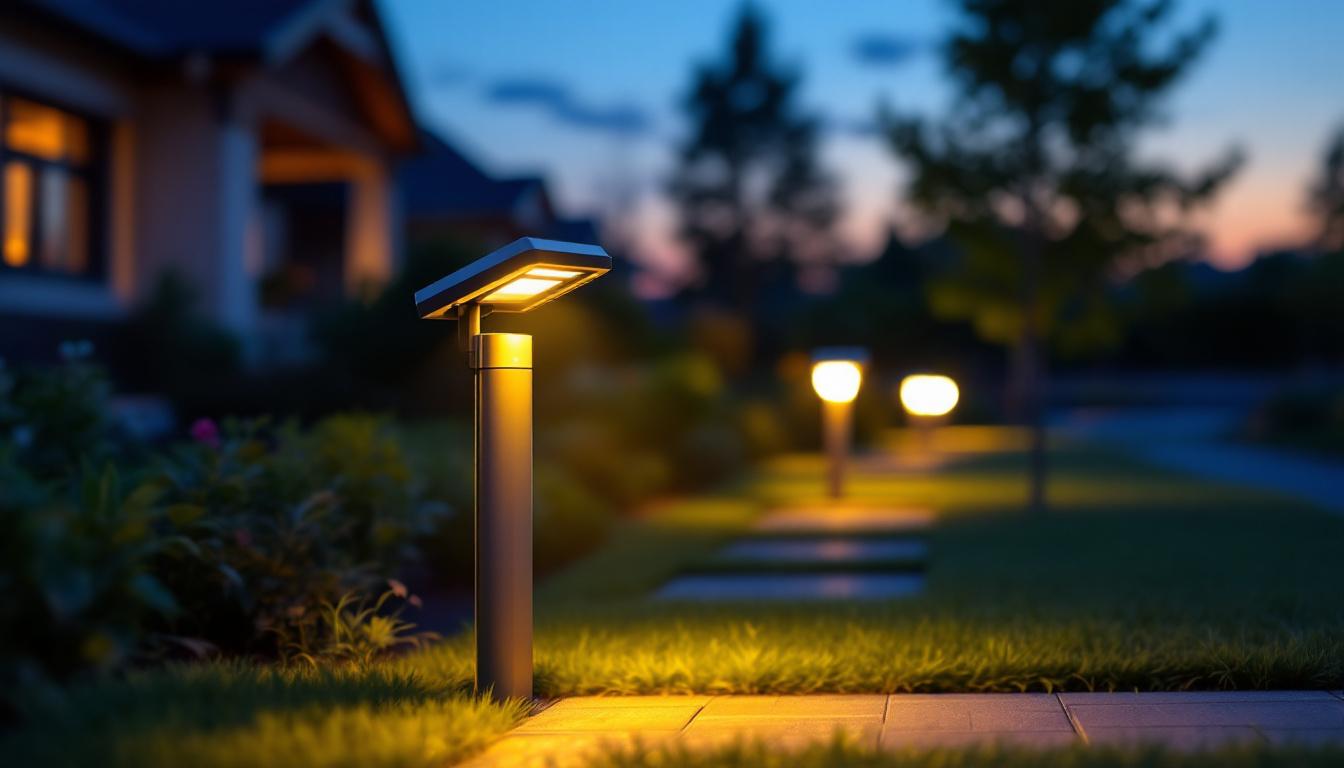
Solar flood lights are designed to provide bright illumination powered by solar energy. They typically consist of solar panels, LED bulbs, a rechargeable battery, and a control system. The solar panels convert sunlight into electricity, which is stored in the battery and used to power the LED lights during the night. This self-sustaining system makes solar flood lights an eco-friendly alternative to traditional lighting solutions. Moreover, their installation is often straightforward, requiring no complex wiring or electrical work, which can significantly reduce setup costs and time.
In addition to their environmental benefits, solar flood lights also offer versatility in their applications. They can be used for various purposes, including enhancing security around homes and businesses, illuminating pathways, or spotlighting landscaping features. Many users appreciate the fact that these lights can be placed in remote areas where traditional electrical sources are not available, making them an ideal choice for gardens, patios, and outdoor events.
Components of Solar Flood Lights
To fully appreciate the functionality of solar flood lights, it is important to understand their main components:
- Solar Panels: These are responsible for converting sunlight into electrical energy. The efficiency of the solar panel directly impacts the performance of the flood light. Higher efficiency panels can generate more power, enabling brighter lights or longer operational times.
- LED Bulbs: LEDs are favored for their energy efficiency and longevity. They consume less power while providing a brighter output compared to traditional bulbs. Additionally, advancements in LED technology have led to improvements in color temperature and brightness, allowing for customizable lighting solutions.
- Rechargeable Battery: This component stores the energy generated by the solar panels, allowing the lights to operate even when the sun isn’t shining. The capacity of the battery can vary, affecting how long the lights can run on a full charge, especially during cloudy days or in winter months.
- Control System: This includes sensors and timers that regulate when the lights turn on and off, optimizing energy use. Some advanced models even feature smart technology that allows users to monitor and control their lights through mobile apps, providing real-time updates on battery status and energy consumption.
Types of Solar Flood Lights
Solar flood lights come in various types, each suited for different applications:
- Motion Sensor Solar Flood Lights: These lights activate when motion is detected, providing security and energy savings. They are particularly effective in deterring intruders and can be strategically placed to cover vulnerable areas around a property.
- Remote-Controlled Solar Flood Lights: These allow users to adjust settings from a distance, offering flexibility in operation. Users can easily change brightness levels or set timers without having to physically access the light fixtures.
- All-in-One Solar Flood Lights: These units integrate the solar panel, battery, and LED lights into a single unit for easy installation. They are particularly popular among homeowners looking for a hassle-free lighting solution that doesn’t compromise on performance.
Furthermore, many solar flood lights are designed to withstand various weather conditions, making them suitable for outdoor use year-round. They often come with durable casings that protect against rain, snow, and extreme temperatures, ensuring longevity and reliable performance. As technology continues to evolve, we can expect even more innovative features in solar flood lighting, such as enhanced battery life, improved light output, and integration with smart home systems, making them an increasingly popular choice for both residential and commercial applications.
Benefits of Solar Flood Lights
For lighting contractors, promoting solar flood lights to clients can be advantageous due to several compelling benefits:
Energy Efficiency
One of the most significant advantages of solar flood lights is their energy efficiency. By harnessing solar power, these lights reduce reliance on grid electricity, leading to lower energy bills for clients. This is particularly appealing for businesses looking to cut operational costs.
Environmental Impact
Solar flood lights contribute to sustainability efforts by reducing carbon footprints. They utilize renewable energy, which helps combat climate change and promotes a greener environment. Clients who prioritize eco-friendly solutions will appreciate the environmental benefits of solar lighting.
Low Maintenance Requirements
Solar flood lights typically require minimal maintenance. With no wiring to manage and fewer moving parts, they are less prone to breakdowns. Regular cleaning of the solar panels and occasional battery checks are generally all that is needed to keep these systems operational.
Installation Considerations
Proper installation is crucial for maximizing the performance of solar flood lights. Lighting contractors should consider several factors during the installation process:
Site Assessment
Before installation, conducting a thorough site assessment is essential. This involves evaluating the area for sunlight exposure, potential obstructions (such as trees or buildings), and the intended purpose of the lighting. Ensuring that the solar panels receive adequate sunlight will directly affect the efficiency of the flood lights.
Optimal Placement
Placement of solar flood lights should be strategic. Ideally, the lights should be positioned to illuminate key areas, such as walkways, driveways, or security zones. Consideration should also be given to the angle of the solar panels to maximize solar absorption throughout the day.
Height and Angle Adjustments
Adjusting the height and angle of the lights can enhance their effectiveness. Higher placements can provide broader coverage, while angling the lights downward can focus the illumination on specific areas. Contractors should ensure that the lights are securely mounted to withstand environmental conditions.
Challenges and Solutions
While solar flood lights offer numerous benefits, there are challenges that contractors may encounter. Understanding these challenges and their solutions can help in providing better service to clients.
Weather Variability
Weather conditions can impact the performance of solar flood lights. Extended periods of cloudy or rainy weather can reduce solar energy generation. To mitigate this, contractors can recommend solar flood lights with larger battery capacities or those equipped with energy-efficient LED technology that requires less power.
Battery Life and Replacement
The lifespan of the rechargeable battery is a critical factor in the longevity of solar flood lights. Over time, batteries may lose their ability to hold a charge. Contractors should inform clients about the expected lifespan of batteries and provide guidance on replacement options to ensure uninterrupted lighting.
Initial Costs vs. Long-Term Savings
While the initial investment in solar flood lights may be higher than traditional lighting solutions, the long-term savings on energy costs and maintenance can outweigh these upfront expenses. Educating clients about the total cost of ownership can help them make informed decisions.
Choosing the Right Solar Flood Lights
When selecting solar flood lights, contractors should consider several factors to ensure they meet the needs of their clients:
Brightness and Lumens
The brightness of solar flood lights is measured in lumens. Higher lumens indicate brighter lights, which are essential for security and visibility. Contractors should assess the specific lighting requirements of the area to recommend the appropriate lumen output.
Battery Capacity
The capacity of the battery affects how long the lights will operate during the night. A higher capacity battery will store more energy, allowing the lights to function longer after sunset. Contractors should evaluate the expected usage to determine the ideal battery size.
Durability and Weather Resistance
Solar flood lights should be durable enough to withstand various weather conditions. Look for products with high IP ratings, indicating their resistance to water and dust. This ensures that the lights will perform reliably in outdoor environments.
Innovations in Solar Flood Lighting Technology
As technology advances, solar flood lights continue to improve, offering exciting new features that can enhance their functionality. Contractors should stay informed about these innovations to provide clients with the best options available.
Smart Technology Integration
Many modern solar flood lights now come equipped with smart technology, allowing for remote control via smartphone apps. This feature enables users to adjust settings, monitor energy consumption, and receive notifications about battery status, enhancing convenience and control.
Enhanced Solar Panel Efficiency
Recent advancements in solar panel technology have led to more efficient solar cells. These improvements allow solar flood lights to generate more energy from the same amount of sunlight, resulting in brighter lights and longer operational times.
Adaptive Lighting Features
Some solar flood lights now include adaptive lighting features that adjust brightness based on ambient light levels or motion detection. This not only enhances security but also optimizes energy usage, making these lights even more efficient.
Conclusion
Solar flood lights represent a significant advancement in outdoor lighting solutions, offering energy efficiency, environmental benefits, and low maintenance requirements. For lighting contractors, understanding the components, benefits, installation considerations, and innovations in solar flood lighting technology is essential for providing clients with effective solutions. By staying informed and addressing potential challenges, contractors can position themselves as knowledgeable professionals in the field, ultimately enhancing client satisfaction and driving business growth.
As the demand for sustainable and cost-effective lighting solutions continues to rise, solar flood lights will undoubtedly play a pivotal role in shaping the future of outdoor lighting. Embracing this technology and educating clients about its advantages can lead to successful installations and long-lasting relationships.
Illuminate Your Projects with LumenWholesale
Ready to elevate your lighting projects with the most efficient solar flood lights on the market? At LumenWholesale, we provide lighting contractors like you with the highest quality, spec-grade lighting products at prices that can’t be beaten. Say goodbye to local distributor markups and hello to our premium selection that meets rigorous industry standards. With free shipping on bulk orders, you can trust that you’re getting the best value without any hidden costs. Make the smart choice for your next project. Wholesale Lighting at the Best Value is just a click away. Experience the LumenWholesale difference today!