Fan In Light: Why it is Important for Lighting Contractors
In the ever-evolving world of lighting design, the integration of fan-in lighting has emerged as a significant trend. For lighting contractors, understanding the nuances and benefits of fan-in lighting is not just an advantage; it is essential for staying competitive in the industry. This article delves into the importance of fan-in lighting, its applications, and how it can enhance the overall service offerings of lighting contractors.
Understanding Fan In Lighting
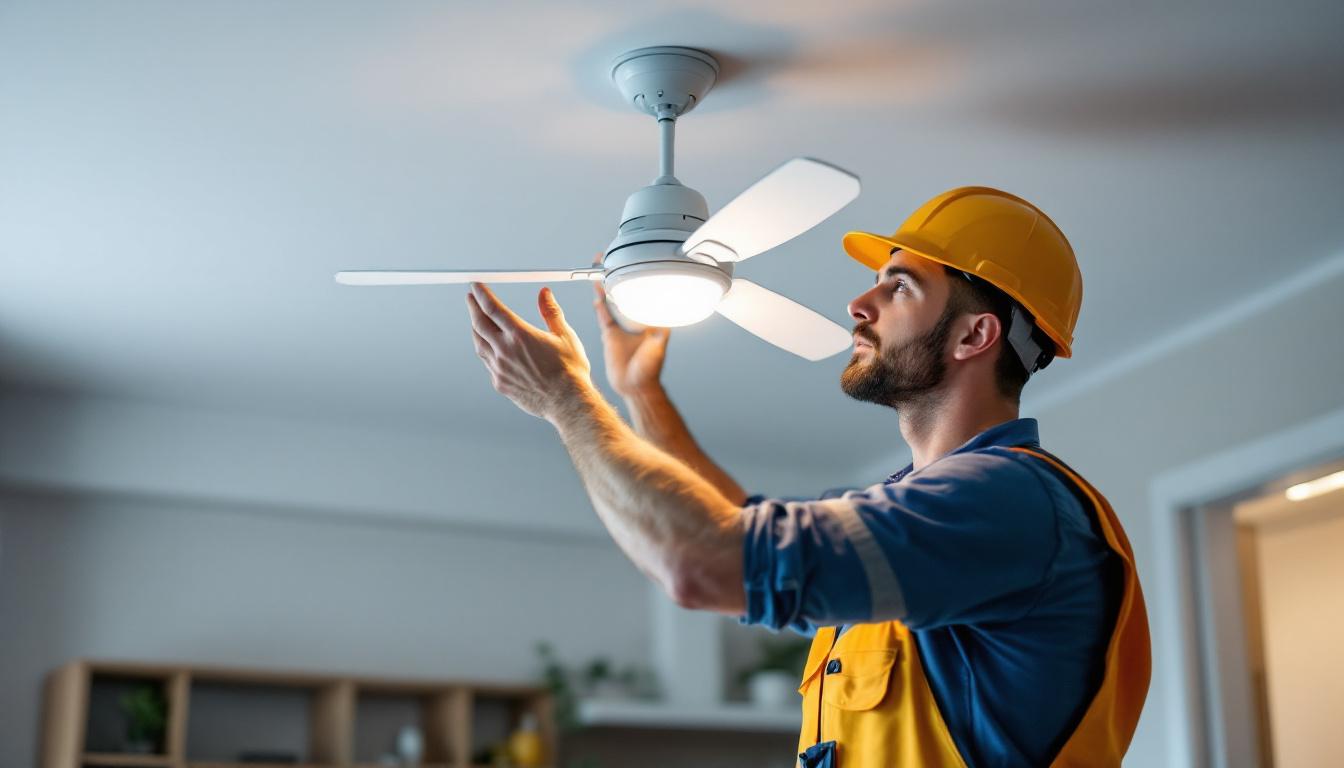
Fan-in lighting refers to a design approach where light fixtures are incorporated into ceiling fans, providing both illumination and air circulation in a single unit. This dual functionality not only maximizes space but also enhances the aesthetic appeal of a room. The concept has gained traction in residential and commercial settings alike, making it a valuable addition to any lighting contractor’s portfolio.
Benefits of Fan In Lighting
One of the primary advantages of fan-in lighting is its ability to serve multiple purposes. By combining lighting and ventilation, these fixtures reduce the need for separate installations, saving both time and resources. This is particularly beneficial in smaller spaces where every square foot counts.
Moreover, fan-in lighting can lead to significant energy savings. Modern designs often incorporate energy-efficient LED bulbs, which not only consume less power but also have a longer lifespan compared to traditional lighting options. This combination of efficiency and longevity is appealing to environmentally conscious consumers and can be a selling point for contractors. Additionally, the integration of smart technology in many fan-in lighting systems allows users to control both the light and fan speed through mobile apps or voice commands, further enhancing convenience and energy management.
Design Versatility
Fan-in lighting fixtures come in a variety of styles, shapes, and sizes, allowing them to fit seamlessly into diverse design schemes. Whether the project is a contemporary loft or a traditional home, there is a fan-in lighting solution that can complement the overall aesthetic. This versatility enables lighting contractors to cater to a broader range of clients, enhancing their marketability.
Additionally, many fan-in lighting options come with adjustable features, such as dimmable lights and reversible fan blades. These customizable elements allow homeowners to tailor their environment to their specific needs, further increasing the appeal of fan-in lighting solutions. The ability to change the ambiance of a room with the flick of a switch or the adjustment of a remote control can transform everyday spaces into inviting retreats. Furthermore, the integration of various materials, such as wood, metal, and glass, allows for unique combinations that can match any decor style, from rustic charm to sleek modernity, making fan-in lighting not just functional but also a focal point in interior design.
Applications of Fan In Lighting
Fan-in lighting is not limited to residential applications; it has found its place in various commercial settings as well. Understanding where and how to implement these fixtures can significantly enhance a contractor’s service offerings.
Residential Spaces
In residential settings, fan-in lighting is particularly effective in living rooms, bedrooms, and kitchens. These are areas where both lighting and airflow are crucial for comfort. By installing fan-in lighting, contractors can provide homeowners with a stylish and functional solution that meets their needs.
Moreover, in open-concept homes, fan-in lighting can help define spaces while maintaining an airy feel. The combination of light and airflow can create a more inviting atmosphere, making it a preferred choice for many homeowners. This versatility allows for creative design options, such as using dimmable LED bulbs to adjust the ambiance for different occasions, from cozy family gatherings to lively dinner parties. Furthermore, the sleek design of fan-in fixtures can complement various interior styles, from modern minimalism to rustic charm, ensuring that they not only serve a practical purpose but also enhance the overall aesthetic of the home.
Commercial Applications
In commercial environments, fan-in lighting can enhance both functionality and aesthetics. Restaurants, offices, and retail spaces can benefit from the dual features of these fixtures. For instance, in a restaurant, proper lighting can set the mood while ensuring adequate ventilation for patrons. Similarly, in an office, fan-in lighting can create a comfortable working environment, promoting productivity.
Additionally, the energy efficiency of fan-in lighting can lead to reduced operational costs for businesses. As companies increasingly seek to lower their energy consumption, offering fan-in lighting solutions can position contractors as forward-thinking and environmentally responsible. Beyond energy savings, the strategic placement of fan-in lighting can also improve the overall customer experience. In retail spaces, for example, well-lit displays can draw attention to products, encouraging purchases, while in offices, the right lighting can reduce eye strain and enhance employee satisfaction. This multifaceted approach not only benefits the immediate environment but also contributes to a business’s long-term success by fostering a positive atmosphere for both employees and customers alike.
Installation Considerations
While the benefits of fan-in lighting are clear, proper installation is crucial to ensure functionality and safety. Lighting contractors must be well-versed in the specific requirements associated with these fixtures.
Electrical Requirements
Fan-in lighting fixtures typically require a dedicated circuit to handle the combined load of the fan and the lights. Contractors must ensure that the existing electrical infrastructure can support this demand. This may involve upgrading wiring or circuits, which adds an additional layer of complexity to the installation process.
Furthermore, understanding local building codes and regulations is essential. Compliance with these standards not only ensures safety but also protects contractors from potential liabilities. Proper training and knowledge in electrical systems are critical for successful installations. Additionally, it is advisable for contractors to conduct a load calculation to ensure that the circuit can handle the wattage of the fan and lights without risk of tripping breakers or causing electrical fires. This proactive approach can save time and resources in the long run.
Mounting and Positioning
Correct mounting and positioning of fan-in lighting fixtures are vital for optimal performance. The height at which the fan is installed can significantly impact airflow and light distribution. Contractors should take into account the size of the room and the height of the ceiling to determine the best placement for the fixtures.
Additionally, ensuring that the fan blades have adequate clearance from walls and furniture is essential to prevent any obstructions. This attention to detail can enhance the functionality of the fan-in lighting and improve customer satisfaction. Moreover, it’s important to consider the aesthetic aspect of the installation; aligning the fan and lights with architectural features or furniture can create a harmonious look in the space. Using a laser level during installation can help achieve precise alignment, contributing to both the visual appeal and the effectiveness of the lighting and airflow.
Maintenance and Troubleshooting
Like any lighting fixture, fan-in lighting requires regular maintenance to ensure longevity and performance. Lighting contractors should educate their clients on proper care and troubleshooting techniques.
Regular Maintenance Tips
Routine maintenance for fan-in lighting includes cleaning the fan blades and light fixtures to prevent dust accumulation, which can affect performance. Additionally, checking for any signs of wear on electrical components is crucial for safety and efficiency.
Contractors can offer maintenance services or provide clients with a checklist to ensure their fan-in lighting remains in optimal condition. This proactive approach can lead to long-term client relationships and repeat business.
Troubleshooting Common Issues
Contractors should be prepared to address common issues that may arise with fan-in lighting, such as flickering lights or inadequate airflow. Understanding the underlying causes of these problems can help contractors provide effective solutions.
For instance, flickering lights may indicate a loose connection or an issue with the bulb itself. Educating clients on how to identify and report these issues can streamline the troubleshooting process and enhance customer satisfaction.
Marketing Fan In Lighting Solutions
As fan-in lighting continues to gain popularity, effectively marketing these solutions is essential for lighting contractors. Developing a strong marketing strategy can help contractors stand out in a competitive landscape.
Highlighting Benefits
When marketing fan-in lighting, it is crucial to emphasize the benefits that resonate with potential clients. Energy efficiency, space-saving design, and aesthetic appeal are key selling points. Contractors should showcase these advantages in their promotional materials, whether through brochures, websites, or social media platforms.
Case studies or testimonials from satisfied customers can also serve as powerful marketing tools. Demonstrating real-world applications and the positive impact of fan-in lighting can build trust and credibility with prospective clients.
Utilizing Digital Marketing
In today’s digital age, leveraging online marketing strategies is essential for reaching a broader audience. Creating informative content, such as blog posts or videos that explain the benefits and installation process of fan-in lighting, can attract potential customers.
Additionally, utilizing social media platforms to share visually appealing images of completed projects can showcase the versatility and beauty of fan-in lighting. Engaging with followers through comments and messages can also build a community around the brand.
Conclusion
Fan-in lighting represents a significant opportunity for lighting contractors to enhance their service offerings and meet the evolving needs of their clients. By understanding the benefits, applications, and installation considerations of these fixtures, contractors can position themselves as industry leaders in a competitive market.
As the demand for innovative and efficient lighting solutions continues to grow, embracing fan-in lighting can lead to increased customer satisfaction, energy savings, and ultimately, business growth. By staying informed and adapting to industry trends, lighting contractors can ensure their relevance and success in the field.
Incorporating fan-in lighting into a contractor’s portfolio not only showcases their versatility but also demonstrates a commitment to providing clients with modern, efficient solutions that enhance both functionality and aesthetics. The future of lighting is bright, and fan-in lighting is a significant part of that illumination.
Illuminate Your Projects with LumenWholesale
Ready to elevate your lighting game with fan-in lighting solutions that blend functionality, style, and energy efficiency? Look no further than LumenWholesale. Our extensive selection of spec-grade lighting products is designed to empower your projects, ensuring you deliver top-quality results to your clients. With unbeatable wholesale prices and the convenience of free shipping on bulk orders, you can trust LumenWholesale to provide premium lighting without the premium price tag. Don’t let middleman markups dim your competitive edge. Explore our collection now and discover Wholesale Lighting at the Best Value, tailored to the needs of today’s lighting contractors.