Understanding the Role of Electric Switch Walls in Lighting Design
In the realm of lighting design, the electric switch wall is often overlooked, yet it plays a pivotal role in shaping the ambiance, functionality, and user experience of any space. For lighting contractors, mastering the integration of switch walls is essential to delivering superior lighting solutions that meet both aesthetic and practical demands.
Electric switch walls serve as the interface between the user and the lighting system. They control not only the on/off functions but also dimming, scene setting, and even integration with smart home technologies. This makes them a critical component in achieving energy efficiency, enhancing comfort, and providing flexibility in lighting control.
The Switch Wall as a Design Element
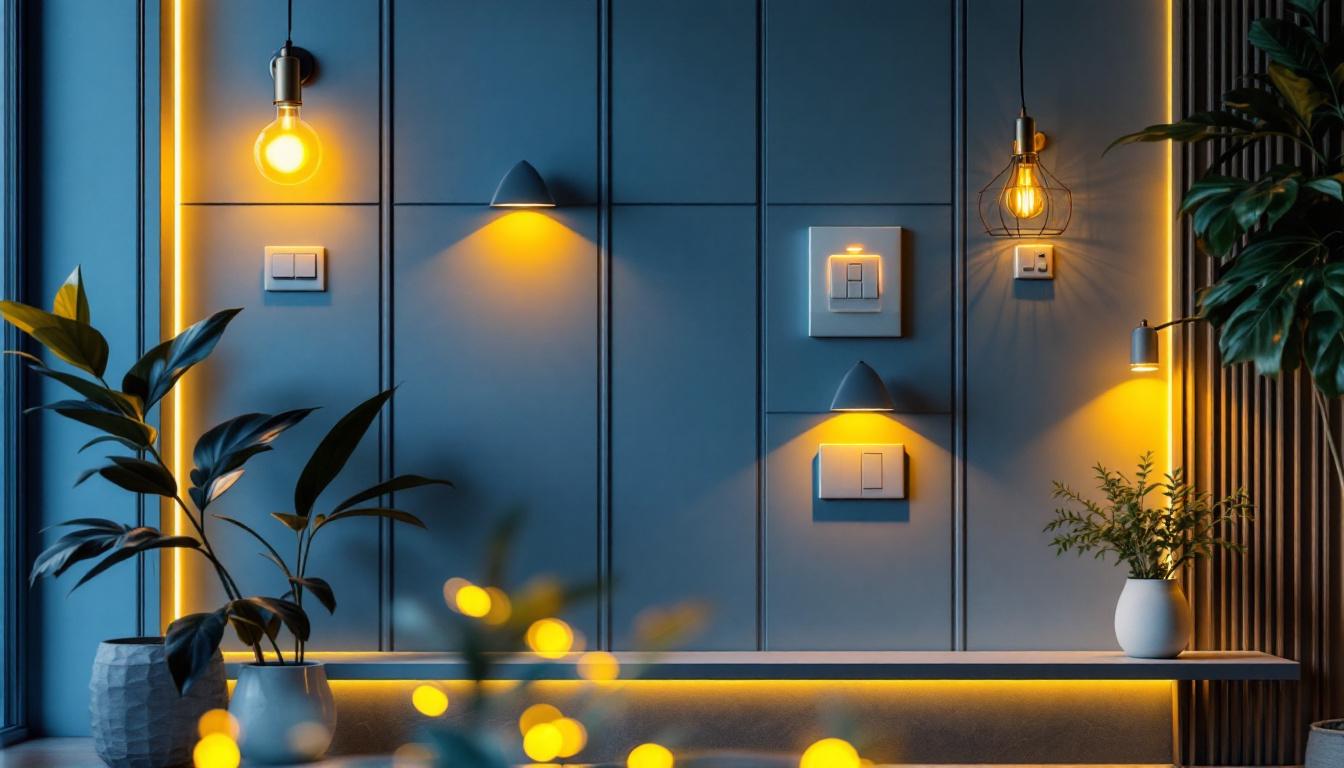
Beyond functionality, switch walls contribute to the overall design language of a space. Modern switch panels come in a variety of styles, finishes, and configurations that complement architectural features and interior design themes. Lighting contractors who understand how to select and position these elements can elevate the visual harmony of a room while ensuring intuitive operation.
Moreover, the placement of switch walls can significantly impact the flow of a space. Strategically locating switches at key entry points or near frequently used areas can enhance user convenience and accessibility. For instance, in a large living room, having multiple switch panels allows occupants to control lighting from various locations, thereby improving the overall usability of the space. Additionally, the trend towards customizable switch designs means that contractors can now offer clients a range of options that reflect personal style, from sleek minimalist designs to more ornate, decorative choices that serve as focal points in a room.
Furthermore, the evolution of technology has introduced innovative features such as touch-sensitive controls and programmable settings, allowing users to tailor their lighting experience to their specific needs. These advancements not only improve functionality but also contribute to the aesthetic appeal of switch walls, as they can be designed to blend seamlessly with modern decor. As homeowners increasingly seek smart home solutions, the integration of electric switch walls with voice-activated systems and mobile applications is becoming a standard expectation, making it imperative for lighting contractors to stay informed about the latest trends and technologies in this dynamic field.
Key Features That Elevate Electric Switch Walls
To unlock the full potential of electric switch walls, it is important to consider the features that enhance both performance and user interaction.
Multi-Functionality and Scene Control
Advanced switch walls offer multi-functional capabilities, allowing users to control multiple lighting zones from a single panel. Scene control enables pre-programmed lighting settings, tailored to different activities such as dining, working, or relaxing. This not only enhances convenience but also encourages energy savings by optimizing light usage. For instance, a “movie night” scene could dim the lights and adjust the color temperature to create a cozy atmosphere, while a “morning routine” scene could gradually brighten the lights to simulate a natural sunrise, helping to wake users gently and effectively.
Integration with Smart Lighting Systems
With the rise of smart homes and buildings, electric switch walls are increasingly integrated with wireless and networked lighting controls. This integration allows for remote operation via smartphones or voice assistants, scheduling, and adaptive lighting based on occupancy or daylight availability. For lighting contractors, offering smart switch wall solutions can differentiate their services and meet growing client expectations. Furthermore, these systems often come equipped with energy monitoring features, providing users with insights into their energy consumption patterns, which can lead to more informed decisions about usage and further energy savings.
Ergonomics and Accessibility
Ergonomic design is crucial for switch walls to ensure ease of use for all occupants, including those with mobility challenges. Features such as tactile feedback, backlighting, and appropriately placed switches contribute to a user-friendly experience. Incorporating accessible design principles also aligns with regulatory standards and promotes inclusivity. Additionally, customizable switch wall layouts allow users to tailor the arrangement to their specific needs, ensuring that frequently used controls are easily reachable. This attention to detail not only enhances user satisfaction but also fosters a sense of independence for individuals with disabilities, allowing them to navigate their environments with confidence.
Strategic Placement and Installation Considerations
The effectiveness of an electric switch wall is heavily influenced by its placement and installation quality. Lighting contractors must carefully plan these aspects to maximize usability and aesthetic appeal.
Optimal Location for User Convenience
Switch walls should be located where users naturally expect to find them, such as near entryways or at consistent heights for easy reach. Positioning switches in logical groupings according to room zones or functions reduces confusion and enhances user satisfaction. For instance, in a living room, placing dimmer switches near seating areas allows users to easily adjust lighting for different activities, whether it be watching a movie or hosting a gathering. Additionally, considering the flow of foot traffic can help avoid placing switches in areas that may be obstructed or difficult to access.
Wiring and Compatibility
Proper wiring is fundamental to the reliability and safety of switch walls. Contractors must ensure compatibility between switches, lighting fixtures, and control systems. This includes verifying voltage requirements, load capacities, and communication protocols, especially when integrating smart controls. It is also essential to adhere to local electrical codes and standards to prevent hazards and ensure longevity. Using high-quality materials and components can further enhance the durability of the installation, reducing the likelihood of future maintenance issues.
Future-Proofing the Installation
Anticipating future upgrades or expansions can save time and cost in the long term. Installing modular switch panels or conduit pathways allows for easy addition of new controls or technologies without major renovations. This foresight is valuable in commercial and residential projects alike. For example, in a growing business environment, the ability to seamlessly integrate new lighting systems or smart technologies can significantly enhance operational efficiency. Furthermore, considering the rise of energy-efficient solutions, planning for the incorporation of LED lighting or automated systems can lead to substantial energy savings and a reduced carbon footprint.
Accessibility and Safety Considerations
In addition to convenience, accessibility is a crucial factor in the placement of switch walls. Ensuring that switches are reachable for all users, including children and individuals with disabilities, is not only a best practice but often a legal requirement. This may involve installing switches at lower heights or using tactile indicators for visually impaired users. Safety is paramount; thus, switches should be placed away from water sources, and outdoor switches should be weatherproofed to prevent electrical hazards. Implementing these considerations not only enhances usability but also demonstrates a commitment to inclusivity and safety in design.
Design Aesthetics and Integration
The visual impact of switch walls should not be overlooked, as they can significantly contribute to the overall design aesthetic of a space. Choosing stylish switch plates and finishes that complement the interior decor can elevate the look of a room. Furthermore, integrating switches into smart home systems can provide a sleek, modern appearance while offering advanced functionality. With the rise of customizable lighting solutions, contractors can work with clients to create a cohesive design that aligns with their vision, ensuring that the switches are not just functional but also a stylish part of the environment.
Benefits of Upgrading to Advanced Electric Switch Walls
Upgrading traditional switch walls to advanced systems offers tangible benefits that appeal to both contractors and end-users.
Energy Efficiency and Cost Savings
Modern switch walls with dimming and occupancy sensors contribute significantly to reducing energy consumption. Studies indicate that lighting controls can cut energy use by up to 40%, translating into substantial cost savings over time. Contractors who promote these benefits can position themselves as providers of sustainable solutions.
Enhanced User Experience and Satisfaction
Customizable lighting scenes and intuitive controls improve occupant comfort and productivity. In commercial environments, this can lead to better employee well-being and customer impressions. Residential clients appreciate the convenience and ambiance created by sophisticated switch walls, enhancing property value.
Increased Property Value and Market Appeal
Properties equipped with modern lighting controls are increasingly attractive to buyers and tenants. Incorporating advanced switch walls as part of lighting design can be a strong selling point, reflecting technological sophistication and attention to detail.
Common Challenges and Solutions in Electric Switch Wall Implementation
Despite their advantages, electric switch walls can present challenges that lighting contractors must navigate carefully.
Compatibility Issues with Existing Systems
Integrating new switch walls into legacy lighting systems can be complex. Contractors should conduct thorough assessments and recommend compatible components or upgrades to avoid functionality problems. Utilizing universal or adaptable switch modules can mitigate these issues.
Balancing Aesthetics and Functionality
Striking the right balance between design and usability requires collaboration with interior designers and clients. Offering a range of switch styles and finishes, and considering user habits during planning, helps achieve this balance effectively.
Ensuring Proper Training and Support
Advanced switch walls may require user education to maximize their benefits. Providing clear instructions, demonstrations, or even remote support enhances client satisfaction and reduces service calls. Contractors should also stay updated on new technologies to offer informed guidance.
Conclusion: Elevating Lighting Designs with Smart Electric Switch Walls
Electric switch walls are far more than simple on/off controls; they are integral to modern lighting design, offering functionality, efficiency, and style. For lighting contractors, expertise in selecting, installing, and integrating these systems is a competitive advantage that leads to better client outcomes and project success.
By embracing advanced features, prioritizing ergonomic and aesthetic considerations, and anticipating future needs, contractors can transform lighting environments into dynamic, user-centric spaces. The electric switch wall truly is the secret to better lighting designs—unlocking potential that goes beyond illumination to enhance everyday living and working experiences.
Discover Unmatched Lighting Solutions with LumenWholesale
Ready to elevate your lighting designs with the advanced features and smart technology of electric switch walls? Look no further than LumenWholesale for a vast selection of spec-grade lighting products at unbeatable wholesale prices. Our commitment to quality, affordability, and convenience ensures that you get the most reliable and high-performance lighting solutions for your projects. Say goodbye to inflated markups and hello to hassle-free bulk buying with free shipping. Take the first step towards transforming your lighting environments and explore our wholesale lighting options at the best value today.