Understanding the Synergy Between Fans and Smart Lighting
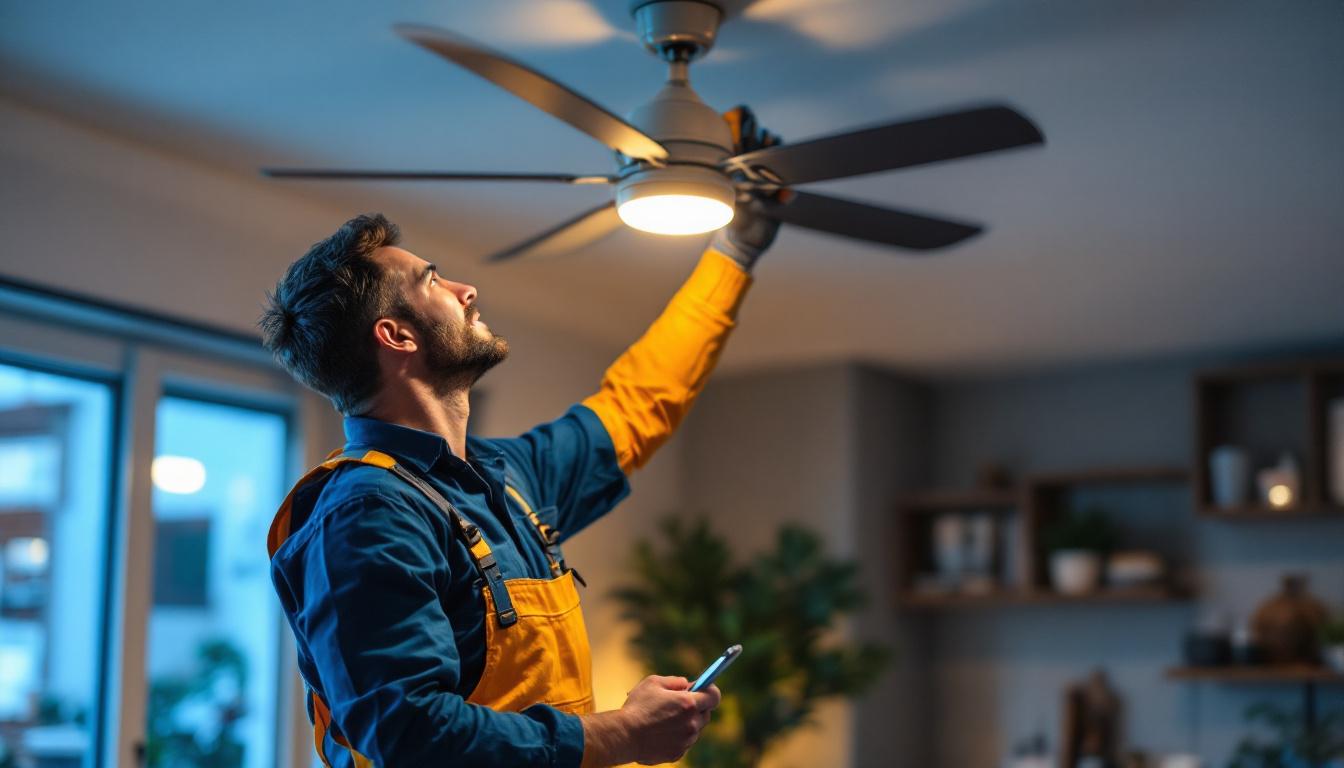
For lighting contractors, the integration of ceiling fans with smart lighting systems isn’t just a trend-it’s a strategic opportunity. Fans and lighting often share the same space and control systems, making their combined installation a natural fit for enhancing comfort and energy efficiency in residential and commercial environments.
Smart fans, when paired with smart lighting, offer seamless control that appeals to modern consumers who prioritize convenience and sustainability. This synergy allows contractors to provide a more comprehensive solution, increasing the value of their service and the satisfaction of their clients.
Why Fans Matter in Smart Lighting Projects
Ceiling fans contribute significantly to indoor climate control. By circulating air, they reduce the need for heating or cooling, which directly impacts energy consumption. When fans are integrated into smart systems, users can automate their operation based on temperature, time of day, or occupancy, maximizing efficiency.
From a contractor’s perspective, offering smart fans alongside lighting solutions can differentiate your services. It opens doors to upselling opportunities and positions you as a provider of holistic comfort solutions rather than just lighting installations.
Moreover, the aesthetic appeal of smart fans cannot be overlooked. With a variety of designs and finishes available, they can complement any interior decor, enhancing the overall ambiance of a space. This visual integration is particularly important in open-concept homes and modern offices, where both fans and lights are often focal points. By showcasing the versatility of smart fans, contractors can help clients envision a cohesive design that marries functionality with style, ultimately leading to more satisfied customers.
Additionally, the technological advancements in smart fans are noteworthy. Many models now come equipped with features such as voice control, remote access via smartphone apps, and compatibility with home automation systems. This level of connectivity not only adds convenience but also allows for personalized settings that can adapt to the user’s lifestyle. For instance, a smart fan can be programmed to turn on when the room reaches a certain temperature, working in tandem with smart lighting to create the perfect environment for relaxation or productivity. Such innovations present contractors with the chance to educate clients on the benefits of these systems, fostering a deeper understanding of how integrated solutions can transform their living or working spaces.
Sourcing Fans Wholesale: What Smart Lighting Contractors Need to Know
Choosing the right wholesale supplier is critical. Contractors must balance quality, price, and product range to meet diverse client needs. Wholesale fans come in a variety of styles, sizes, and smart capabilities, so understanding the market is essential.
Evaluating Product Quality and Compatibility
Smart lighting contractors should prioritize fans that are compatible with popular smart home ecosystems like Alexa, Google Home, and Apple HomeKit. This compatibility ensures that the fan can be integrated into the client’s existing or planned smart home setup without issues.
Quality is non-negotiable. Fans should have reliable motors, quiet operation, and durable finishes. Wholesale suppliers that provide detailed product specifications and certifications can help contractors make informed decisions and reduce the risk of returns or complaints. Additionally, it’s beneficial for contractors to seek out suppliers who offer warranties or guarantees on their products, as this not only reflects confidence in the quality but also provides peace of mind for both the contractor and the client. Understanding the materials used in fan construction, such as whether they are made from rust-resistant metals or high-quality plastics, can also play a significant role in ensuring longevity and performance.
Pricing Strategies and Bulk Purchasing
Wholesale pricing can vary widely depending on the brand, features, and quantity ordered. Contractors should negotiate terms that allow for flexibility, such as tiered discounts or return policies. Buying in bulk often unlocks better pricing, but it requires accurate forecasting to avoid overstocking.
Some suppliers offer exclusive deals or bundles that include smart fans and compatible lighting fixtures. These packages can simplify procurement and installation processes, saving time and money. Furthermore, contractors should consider the potential for seasonal promotions or clearance sales, which can provide significant savings on high-demand items. Keeping an eye on market trends can also help contractors anticipate shifts in consumer preferences, allowing them to stock up on in-demand products before they become scarce. By establishing strong relationships with suppliers, contractors can gain access to insider information on upcoming products or trends, ensuring they remain competitive in a rapidly evolving market.
Installation Best Practices for Smart Fans and Lighting Systems
Installing smart fans alongside lighting systems demands technical expertise and attention to detail. Proper installation ensures optimal performance, safety, and client satisfaction.
Pre-Installation Planning
Before installation, contractors should conduct a thorough site assessment. This includes verifying ceiling height, electrical wiring compatibility, and the client’s smart home infrastructure. Planning helps avoid costly adjustments during installation.
Discussing client preferences for control methods—whether via smartphone apps, voice commands, or wall switches—can influence the choice of fan models and smart controllers. Understanding the client’s lifestyle and how they interact with technology can lead to a more tailored solution, enhancing their overall experience. For instance, families with young children may prefer wall switches for ease of use, while tech-savvy individuals might enjoy the flexibility of controlling their systems through voice commands or mobile applications.
Wiring and Integration Techniques
Smart fans often require specific wiring configurations to support remote control and automation features. Contractors must be familiar with these requirements and ensure compliance with electrical codes.
Integration with smart lighting systems may involve setting up hubs or bridges that connect fans and lights to a central control platform. Proper configuration during installation prevents connectivity issues and enhances user experience. Additionally, it’s crucial to consider the placement of these hubs; they should be positioned to minimize interference from walls or large appliances that could disrupt the wireless signals. Furthermore, educating clients about the benefits of using energy-efficient LED bulbs in conjunction with smart lighting can lead to significant energy savings and a reduced carbon footprint, aligning with modern sustainability practices.
Maximizing Client Value Through Smart Fan and Lighting Solutions
Beyond installation, contractors can enhance client satisfaction by educating them on the benefits and operation of their new smart systems. This educational component is crucial, as it not only empowers clients but also fosters a sense of ownership and pride in their investment. By taking the time to explain the technology behind smart systems, contractors can demystify the features and functionalities, making clients feel more comfortable and engaged with their new installations.
Demonstrating Energy Savings and Comfort Benefits
Clients appreciate understanding how smart fans and lighting reduce energy bills and improve comfort. Contractors can provide data or case studies showing typical savings, reinforcing the value of the investment. For instance, sharing statistics on how smart lighting can reduce energy consumption by up to 80% compared to traditional bulbs can be a powerful motivator for clients. Additionally, discussing the positive impact on indoor air quality and overall well-being can further emphasize the holistic benefits of these systems.
Highlighting features like scheduling, occupancy sensors, and integration with HVAC systems can further demonstrate the system’s intelligence and convenience. By explaining how these features work together to create a seamless living environment, clients can visualize the practical applications in their daily lives. For example, a smart fan that adjusts its speed based on room occupancy not only enhances comfort but also contributes to energy efficiency, making it a win-win solution for homeowners.
Offering Maintenance and Support Services
Smart systems require occasional updates and troubleshooting. Contractors who offer ongoing maintenance and support build trust and generate recurring revenue. This service might include firmware updates, system optimization, or quick repairs. Regular check-ins can also provide an opportunity to introduce clients to new features or enhancements that may have been released since their initial installation, ensuring they are getting the most out of their investment.
Providing clear documentation and user training empowers clients to use their smart fans and lighting confidently, reducing support calls and enhancing satisfaction. In addition to manuals, creating video tutorials or hosting workshops can further engage clients and help them understand the full potential of their smart systems. By fostering a community around smart technology, contractors can create lasting relationships with clients, encouraging referrals and repeat business as they become trusted advisors in home automation.
Trends Shaping the Future of Smart Fans and Lighting
Staying ahead means understanding emerging trends that will influence client expectations and technology capabilities.
Integration with Home Automation and IoT
Fans and lighting are increasingly becoming components of broader home automation ecosystems. Integration with security systems, voice assistants, and energy management platforms is becoming standard.
Contractors should familiarize themselves with protocols like Zigbee, Z-Wave, and Thread, which enable seamless communication between devices from different manufacturers.
Focus on Sustainability and Energy Efficiency
Consumers are more conscious of environmental impact. Fans with energy-efficient motors and lighting with LED technology contribute to greener homes and buildings.
Smart controls that optimize usage patterns reduce waste and appeal to eco-minded clients. Contractors who emphasize these benefits can tap into a growing market segment.
Conclusion: Positioning for Success in the Smart Fan and Lighting Market
For lighting contractors, embracing wholesale smart fans is more than adding another product line-it’s about delivering integrated, intelligent solutions that meet evolving client demands. By carefully selecting quality products, mastering installation techniques, and educating clients, contractors can enhance their reputation and profitability.
The future of smart home comfort lies in thoughtful integration. Contractors who lead with knowledge and customer-centric approaches will thrive in this dynamic market.
Discover Unmatched Value with LumenWholesale
Ready to elevate your smart lighting and fan installations? Choose LumenWholesale for an unparalleled selection of spec-grade products at unbeatable wholesale prices. Our commitment to quality and affordability ensures you have access to the best lighting solutions for your projects, without the burden of inflated costs. Plus, with the convenience of free shipping on bulk orders, you can stock up on premium lighting essentials with ease. Don’t compromise on quality or value—visit Wholesale Lighting at the Best Value today and experience the LumenWholesale difference.