Understanding the Role of Colour in Lighting Design
Lighting contractors know that colour is far more than just an aesthetic choice; it’s a critical tool that shapes the atmosphere, influences mood, and enhances visual clarity. Whether working on theatrical productions, architectural installations, or commercial spaces, the ability to manipulate and control colour effectively can make or break a project.
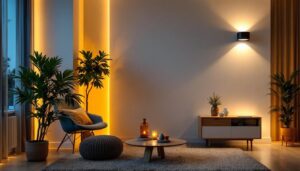
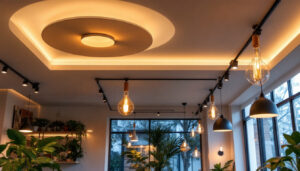
Colour temperature, saturation, and hue all play distinct roles in how a space is perceived. Warm tones can create inviting, cozy environments, while cooler shades often evoke a sense of calm or professionalism. Beyond ambience, colour also affects functionality—improving visibility, highlighting architectural features, or directing attention. For instance, in a retail environment, strategic use of colour can guide customers through a space, subtly encouraging them to explore specific areas or products.
Mastering colour in lighting requires more than just an eye for design. It demands precise control, reliable tools, and a deep understanding of how different light sources interact with materials and surfaces. This is where the right equipment becomes indispensable. Advanced lighting technologies, such as LED fixtures with adjustable colour temperatures, allow designers to experiment with various palettes in real-time, providing flexibility that was previously unattainable. Additionally, software tools for lighting design can simulate how different colours will appear in a space, enabling contractors to visualize their choices before implementation.
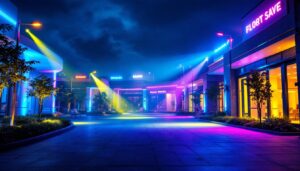
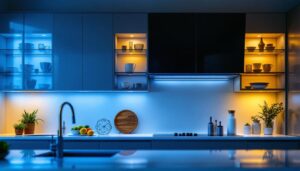
Moreover, the psychological impact of colour in lighting design cannot be overstated. Research has shown that certain colours can evoke specific emotional responses; for example, blue light is often associated with increased productivity and focus, making it a popular choice for office environments. On the other hand, softer pastels can create a serene atmosphere, ideal for wellness spaces such as spas or yoga studios. Understanding these nuances allows lighting designers to tailor their choices to the intended use of the space, ensuring that the lighting not only looks good but also serves its purpose effectively.
Essential Colour Lighting Tools Every Contractor Should Have
Colour Scrollers and Colour Changers
Colour scrollers are among the most versatile tools for dynamic lighting. These devices attach to conventional fixtures and allow contractors to change gel colours remotely and quickly during a performance or event. This eliminates the need to manually swap gels, saving time and reducing the risk of damage to delicate materials.
Modern colour changers offer smooth transitions and a wide palette of colours, often programmable through DMX controllers. This capability is crucial for productions requiring rapid scene changes or nuanced colour effects. Investing in high-quality scrollers ensures reliability and consistency, especially in demanding environments like theatres or live concerts. Additionally, some advanced models even include features such as built-in effects, allowing for the simulation of natural phenomena like sunsets or fireworks, which can elevate the overall production value significantly.
LED Colour Mixing Fixtures
LED technology has revolutionized colour lighting. Unlike traditional fixtures that rely on physical gels, LED fixtures mix red, green, and blue diodes to produce virtually any colour on the spectrum. This eliminates the need for gels altogether and offers unprecedented flexibility.
For lighting contractors, LED fixtures mean fewer consumables and lower maintenance costs. They also provide instant colour changes without mechanical parts, reducing failure points. Many LED fixtures come with advanced control options, allowing precise adjustments of colour temperature and intensity, which is essential for tailoring lighting to specific environments. Moreover, the energy efficiency of LED technology not only reduces operational costs but also contributes to a more sustainable production approach, making it an attractive option for environmentally-conscious contractors.
Colour Meters and Spectrometers
Accurate colour measurement is vital for quality control and consistency. Colour meters and spectrometers help contractors verify the exact colour output of their fixtures. This is especially important when matching colours across multiple fixtures or ensuring compliance with client specifications.
These devices measure parameters such as correlated colour temperature (CCT), colour rendering index (CRI), and chromaticity coordinates. Using them during setup and maintenance helps avoid colour mismatches and ensures that the final lighting design appears as intended. Furthermore, many modern spectrometers are compact and user-friendly, allowing for on-site measurements that can be instantly analyzed, thus facilitating quicker decision-making and adjustments during events.
DMX Controllers and Software
Control is king in colour lighting. DMX controllers allow contractors to program and manipulate lighting fixtures with precision. From simple colour fades to complex sequences involving multiple fixtures, these controllers provide the interface to bring creative visions to life.
Software solutions have enhanced this capability further. Many lighting control programs offer intuitive graphical interfaces, pre-set colour palettes, and real-time feedback. This streamlines programming and enables quick adjustments on the fly, a necessity in fast-paced production environments. Additionally, some software packages now include features for remote control and monitoring, allowing contractors to manage lighting setups from a distance, which can be particularly beneficial during large-scale events where accessibility may be limited. The integration of these technologies not only simplifies the lighting design process but also empowers contractors to push the boundaries of creativity in their projects.
Choosing the Right Tools for Your Projects
Assessing Project Requirements
Not every project demands the same level of colour control or equipment sophistication. Before investing in tools, lighting contractors should evaluate the specific needs of each job. Factors such as venue size, type of event, budget constraints, and client expectations all influence tool selection.
For example, a small corporate event might only require a few LED fixtures with basic colour mixing, while a large theatrical production could necessitate an array of colour scrollers and advanced DMX programming. Understanding these variables helps avoid over-investment and ensures the right tools are on hand. Additionally, it’s essential to consider the venue’s unique characteristics, such as ceiling height and architectural features, which can significantly impact lighting design. A well-thought-out assessment can lead to innovative solutions that enhance the overall aesthetic and functionality of the event.
Balancing Quality and Cost
High-quality colour lighting tools often come with a premium price tag, but the benefits usually justify the investment. Reliable equipment reduces downtime, minimizes maintenance, and delivers consistent results that satisfy clients and audiences alike.
That said, there are cost-effective options that don’t compromise performance. Contractors should research brands, read reviews, and consider warranties and support services. Sometimes, renting specialized equipment for one-off projects can be more economical than purchasing outright. Furthermore, exploring bulk purchase options or forming partnerships with suppliers can yield discounts that make high-quality tools more accessible. It’s also wise to keep an eye on emerging technologies, as innovations in lighting can lead to more affordable solutions without sacrificing quality.
Integrating Tools for Seamless Operation
Compatibility between different lighting tools is crucial. Colour scrollers, LED fixtures, controllers, and measurement devices should work together smoothly. Ensuring that all equipment supports common protocols like DMX512 simplifies integration and reduces setup time.
Contractors should also consider future scalability. Investing in tools that can be upgraded or expanded allows for adaptability as project demands evolve. A well-integrated lighting system enhances efficiency and opens creative possibilities. Additionally, training staff on the integrated systems can lead to quicker troubleshooting and more effective use of the equipment. As technology continues to advance, staying informed about new integration options and software updates will help contractors maintain a competitive edge in the ever-evolving landscape of event lighting.
Maintaining and Troubleshooting Colour Lighting Equipment
Regular Maintenance Practices
Proper maintenance extends the lifespan of colour lighting tools and preserves performance quality. Cleaning lenses, checking cables, and inspecting mechanical parts are routine tasks that prevent failures during critical moments.
For LED fixtures, monitoring heat dissipation and firmware updates is important. Colour scrollers require lubrication and careful handling of gel strings to avoid tearing. Colour meters should be calibrated periodically to maintain accuracy.
Common Issues and Solutions
Lighting contractors often face challenges such as colour inconsistency, flickering, or communication errors between devices. Diagnosing these problems quickly is essential to minimize disruption.
Colour inconsistencies may stem from ageing gels, LED degradation, or incorrect calibration. Flickering can result from power supply issues or loose connections. Communication errors often relate to DMX cable faults or addressing conflicts. Having a systematic troubleshooting approach and spare parts on hand helps resolve issues efficiently.
Staying Ahead with Emerging Colour Lighting Technologies
Advancements in LED and OLED Lighting
LED technology continues to evolve, offering higher brightness, better colour accuracy, and improved energy efficiency. OLED panels are emerging as a flexible alternative, providing uniform, diffuse colour lighting that’s ideal for architectural applications.
Lighting contractors who stay informed about these innovations can offer clients cutting-edge solutions that enhance design possibilities while reducing operational costs.
Smart Lighting and Automation
Integration with smart building systems and automation platforms is becoming increasingly common. Colour lighting tools now often support wireless control, sensor feedback, and programmable scenes that respond to environmental changes or user input.
These capabilities enable more dynamic and responsive lighting environments, improving user experience and energy management. Contractors skilled in these technologies will find new opportunities in both commercial and residential markets.
Virtual and Augmented Reality for Lighting Design
VR and AR tools allow lighting contractors and designers to visualize colour schemes and lighting effects before installation. This technology facilitates better communication with clients and reduces costly revisions.
Using virtual simulations, contractors can experiment with colour combinations, fixture placements, and intensity levels, ensuring the final outcome meets expectations.
Conclusion: Equipping for Success in Colour Lighting
Colour is a powerful element in lighting design, and mastering its use requires the right tools and expertise. From colour scrollers and LED fixtures to precise measurement devices and advanced controllers, each piece of equipment plays a vital role in delivering professional results.
Lighting contractors who invest in quality tools, maintain them diligently, and stay abreast of technological advancements will not only enhance their craftsmanship but also expand their service offerings. In a competitive industry, these capabilities translate directly into client satisfaction and business growth.
Discover Unmatched Value with LumenWholesale
Ready to elevate your lighting projects with the essential tools discussed in this article? Look no further than LumenWholesale, where we specialize in providing contractors with high-quality, specification-grade lighting products at unbeatable wholesale prices. Say goodbye to local distributor markups and hello to superior lighting solutions that meet the highest industry standards. With our hassle-free bulk buying options and free shipping, you can secure premium lighting at the best value — all without hidden fees or compromises. Enhance your craftsmanship and grow your business with the perfect blend of quality, affordability, and convenience. Visit LumenWholesale now and experience wholesale lighting at the best value for your next project.