Understanding the Importance of Corridor Lighting
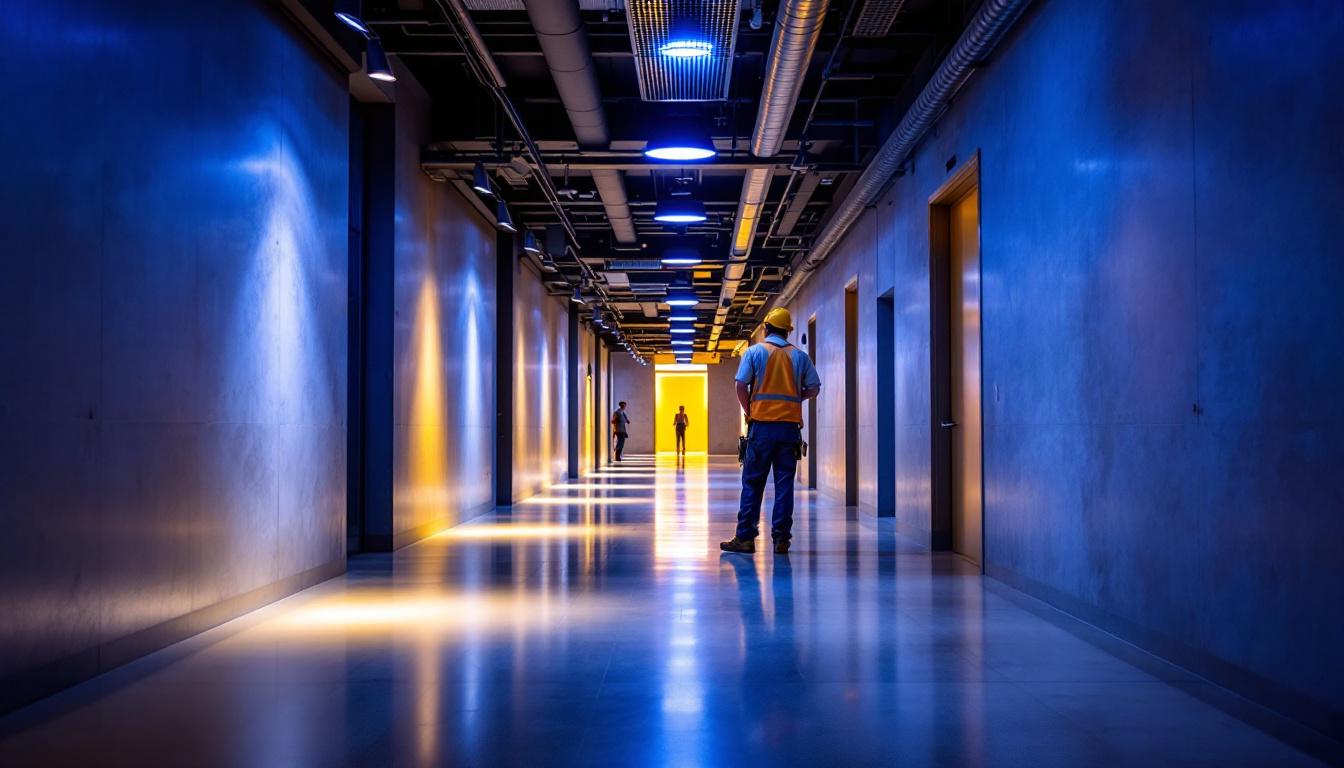
Corridors are often overlooked spaces in building design, yet they play a crucial role in the overall functionality and safety of any structure. For lighting contractors, corridor lighting represents a unique opportunity to enhance both the aesthetic appeal and operational efficiency of a building. Properly designed corridor lighting not only ensures safe passage but also contributes to energy savings, compliance with regulations, and improved user experience.
In commercial, residential, and institutional buildings alike, corridors serve as vital arteries connecting different spaces. The lighting in these areas must balance visibility, comfort, and energy efficiency. This balance is where lighting contractors can truly make a difference, leveraging advanced technologies and design principles to deliver superior results.
Moreover, the psychological impact of corridor lighting should not be underestimated. Well-lit corridors can create a welcoming atmosphere, reducing feelings of anxiety or discomfort that may arise in dimly lit spaces. For instance, the use of warm color temperatures can evoke a sense of calm, while strategically placed lighting fixtures can highlight architectural features, guiding occupants through the space. Additionally, incorporating smart lighting solutions that adjust based on occupancy can further enhance the user experience, ensuring that corridors are illuminated only when needed, thus conserving energy and extending the lifespan of the lighting fixtures.
Furthermore, the integration of corridor lighting with emergency systems is essential for safety. In the event of a power outage or emergency, illuminated exit signs and backup lighting can guide occupants to safety, preventing panic and confusion. Lighting contractors must consider not only the aesthetic and functional aspects of corridor lighting but also its role in emergency preparedness. By implementing robust lighting designs that comply with safety codes and standards, they can ensure that corridors remain safe and navigable under all circumstances, ultimately contributing to the overall resilience of the building.
Why Corridor Lighting is a Strategic Focus for Contractors
Safety and Compliance
One of the primary considerations in corridor lighting is safety. Adequate illumination reduces the risk of accidents, enabling occupants to navigate hallways without difficulty. Lighting contractors must ensure that installations comply with local building codes and standards such as the International Building Code (IBC) and the National Fire Protection Association (NFPA) guidelines. These regulations often specify minimum illumination levels, emergency lighting requirements, and fixture placement to enhance safety.
Failure to meet these standards can lead to costly reworks, legal liabilities, and compromised occupant safety. Therefore, contractors who specialize in corridor lighting demonstrate their expertise by delivering compliant, reliable solutions that protect both the building’s users and the owner’s investment. Furthermore, the strategic placement of lighting fixtures can also enhance visibility in critical areas, such as near stairwells and exits, where the risk of accidents is heightened. By utilizing high-quality materials and advanced lighting technologies, contractors can create a safer environment that not only meets regulatory requirements but also fosters a sense of security among occupants.
Energy Efficiency and Sustainability
Energy consumption in commercial buildings is a significant concern, with lighting accounting for a substantial portion of total energy use. Corridor lighting, typically operational for extended hours, offers a prime opportunity for energy savings. Modern LED fixtures, combined with smart controls such as occupancy sensors and daylight harvesting systems, can drastically reduce energy consumption without sacrificing lighting quality.
Lighting contractors who integrate these technologies not only help clients reduce utility costs but also contribute to sustainability goals. As green building certifications like LEED and WELL become increasingly important, corridor lighting solutions that promote energy efficiency can be a key selling point for contractors aiming to differentiate their services. Additionally, the use of advanced lighting design strategies, such as layered lighting and adaptive controls, can enhance the aesthetic appeal of corridors while maintaining functionality. By creating visually engaging spaces, contractors can elevate the overall user experience, making corridors not just pathways but integral parts of the building’s design narrative. This holistic approach to corridor lighting not only supports energy efficiency but also aligns with the growing demand for environmentally responsible building practices, further solidifying the contractor’s role as a leader in the industry.
Key Technologies Transforming Corridor Lighting
LED Lighting: The Industry Standard
LED technology has revolutionized corridor lighting by offering long-lasting, energy-efficient, and versatile lighting options. Unlike traditional fluorescent or incandescent fixtures, LEDs provide consistent illumination with minimal maintenance requirements. Their compact size allows for creative fixture designs that can enhance the architectural features of corridors.
For lighting contractors, specifying LED solutions means fewer callbacks and satisfied clients due to the longevity and reliability of the installations. Additionally, the availability of tunable white LEDs enables adjustments to color temperature, which can influence occupant comfort and alertness in corridor environments.
Smart Controls and Automation
Integrating smart controls into corridor lighting systems is a game-changer. Occupancy sensors ensure lights are only on when needed, while daylight sensors adjust brightness based on natural light availability. These controls not only reduce energy consumption but also extend the lifespan of lighting components.
Advanced systems can be programmed for dimming schedules, emergency override functions, and remote monitoring, providing building managers with greater control and insight. For contractors, proficiency in installing and configuring these systems positions them as valuable partners in modern building projects.
Emergency and Egress Lighting Innovations
Corridors often serve as evacuation routes during emergencies, making emergency lighting a critical component. Recent advancements include self-testing emergency fixtures and integrated battery backup systems that reduce maintenance burdens and enhance reliability.
Lighting contractors who stay abreast of these innovations can offer clients solutions that improve safety while simplifying ongoing maintenance. This expertise is particularly important in healthcare, educational, and commercial facilities where stringent emergency lighting standards apply.
Design Considerations for Effective Corridor Lighting
Balancing Aesthetics and Functionality
Corridor lighting should complement the architectural style of the building while fulfilling practical needs. Lighting contractors must collaborate with architects and interior designers to select fixtures and layouts that enhance the space without overwhelming it.
Using layered lighting techniques—combining ambient, task, and accent lighting—can create a welcoming atmosphere. For instance, wall sconces paired with ceiling-mounted fixtures can add depth and reduce harsh shadows, improving both appearance and visibility.
Uniformity and Glare Control
Uniform illumination is essential to prevent dark spots and glare, which can cause discomfort or impair vision. Lighting contractors should calculate appropriate fixture spacing and select luminaires with suitable beam angles and diffusers to achieve even light distribution.
Glare control is particularly important in corridors that serve as transitional spaces between different lighting environments. Proper shielding and fixture placement can minimize direct exposure to bright light sources, enhancing occupant comfort.
Color Temperature and Human Factors
The color temperature of corridor lighting influences mood and alertness. Cooler temperatures (4000K to 5000K) tend to promote alertness and are suitable for healthcare or institutional corridors, while warmer temperatures (2700K to 3000K) create a more relaxing ambiance, ideal for residential or hospitality settings.
Lighting contractors should consider the building’s purpose and occupant needs when specifying color temperature, as this can impact user satisfaction and well-being.
Challenges and Solutions for Lighting Contractors
Retrofitting Existing Buildings
Many corridor lighting projects involve upgrading outdated systems in existing buildings. Retrofitting can be complex due to constraints like limited access, outdated wiring, and the need to maintain building operations during installation.
Lighting contractors must plan meticulously, often conducting thorough site assessments and developing phased installation schedules. Utilizing wireless controls and modular fixtures can simplify retrofits and reduce disruption.
Budget Constraints and Value Engineering
Clients often face budget limitations that challenge lighting contractors to deliver high-quality solutions economically. Value engineering—optimizing design and material choices without compromising performance—is essential.
Contractors can recommend cost-effective LED fixtures, leverage smart controls for long-term savings, and prioritize critical areas for enhanced lighting. Demonstrating the return on investment through energy savings and reduced maintenance can justify initial expenditures.
Keeping Up with Rapid Technological Advances
The lighting industry evolves quickly, with new products and standards emerging regularly. Lighting contractors must invest in ongoing education and training to remain competitive and provide clients with cutting-edge solutions.
Participating in industry associations, attending trade shows, and collaborating with manufacturers can help contractors stay informed and adapt their offerings accordingly.
Case Studies: Corridor Lighting Success Stories
Commercial Office Building Upgrade
A major office complex recently underwent a corridor lighting retrofit that replaced fluorescent fixtures with LED luminaires integrated with occupancy sensors. The project resulted in a 60% reduction in energy consumption for corridor lighting and improved occupant satisfaction due to better light quality and uniformity.
The lighting contractor managed the installation in phases, coordinating with building management to minimize disruption. The client reported significant cost savings and enhanced building appeal, demonstrating the value of modern corridor lighting solutions.
Healthcare Facility Emergency Lighting Overhaul
In a large hospital, the corridor emergency lighting system was upgraded to include self-testing LED fixtures with integrated battery backups. This innovation reduced manual testing requirements by 90%, freeing maintenance staff to focus on other critical tasks.
The lighting contractor’s expertise in emergency lighting codes ensured full compliance and improved safety. The hospital administration praised the project for enhancing patient and staff security while lowering operational costs.
The Future of Corridor Lighting for Contractors
As smart building technologies continue to advance, corridor lighting will become increasingly integrated with broader building management systems. Lighting contractors who embrace IoT-enabled fixtures, data analytics, and adaptive lighting controls will be at the forefront of this transformation.
Moreover, the growing emphasis on occupant well-being and sustainability will drive demand for innovative corridor lighting solutions that balance energy efficiency with human-centric design. Contractors who position themselves as knowledgeable advisors in these areas will secure a competitive edge and foster long-term client relationships.
Conclusion
Corridor lighting is far more than a simple necessity; it is a strategic element that can significantly impact safety, energy efficiency, and occupant experience. For lighting contractors, mastering the complexities of corridor lighting opens doors to new business opportunities and establishes their reputation as trusted experts.
By staying current with technology, adhering to regulatory standards, and focusing on thoughtful design, contractors can deliver corridor lighting solutions that truly transform spaces. In doing so, they not only meet client expectations but also contribute to the evolution of modern, sustainable buildings.
Illuminate Your Projects with LumenWholesale
Ready to elevate your corridor lighting projects and outshine the competition? LumenWholesale is your trusted partner, offering an exceptional range of spec-grade lighting products at unbeatable wholesale prices. Say goodbye to middleman markups and hello to superior quality and value. With our commitment to industry standards and hassle-free bulk buying with free shipping, you can confidently light up every space while optimizing your budget. Don’t compromise on quality or cost. Discover Wholesale Lighting at the Best Value today and transform your lighting installations with LumenWholesale.