Understanding the Unique Lighting Needs of Commercial Gyms
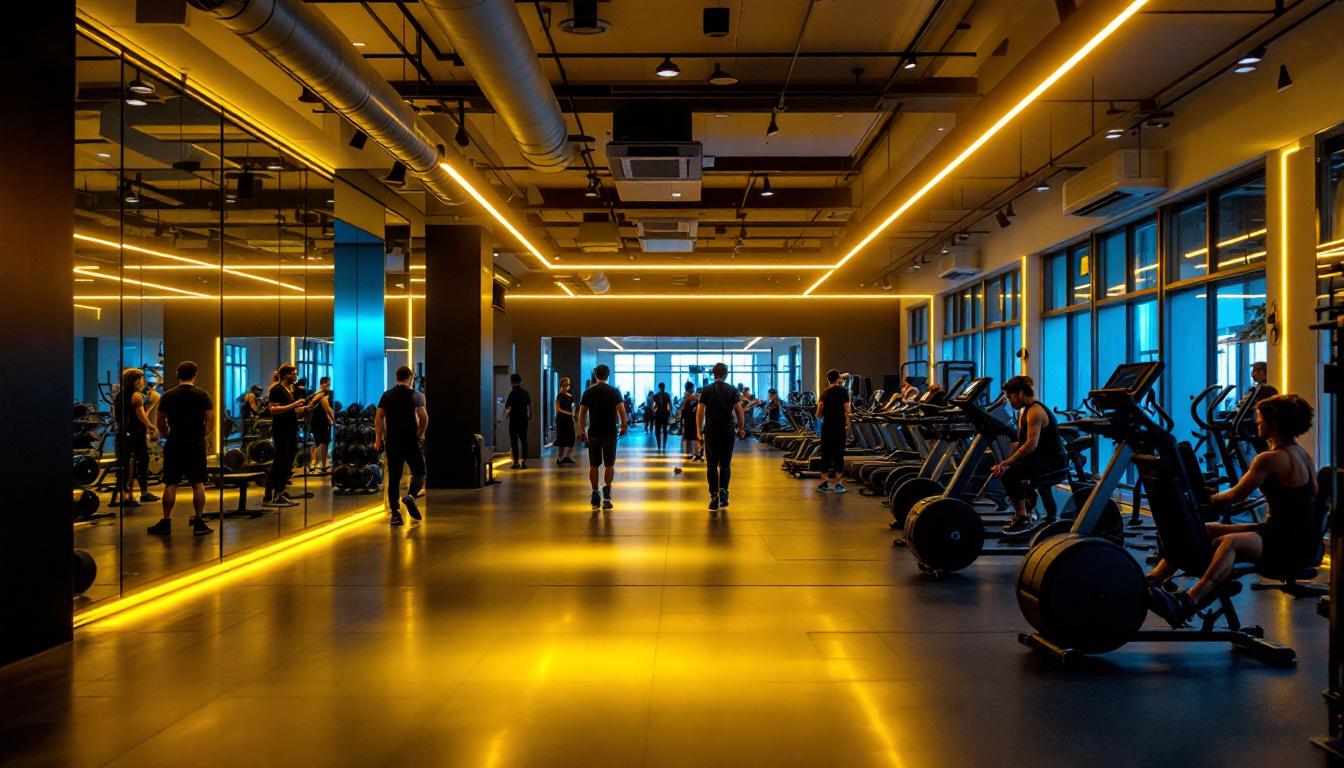
Commercial gyms present a distinct set of challenges and opportunities for lighting contractors. Unlike typical retail or office spaces, gyms require lighting solutions that enhance performance, safety, and ambiance simultaneously. The lighting must accommodate a variety of activities—from high-intensity cardio workouts to yoga and strength training—each demanding different lighting characteristics.
Effective gym lighting improves visibility, reduces injury risk, and positively influences the mood and motivation of gym-goers. For lighting contractors, understanding these nuanced requirements is essential to design and implement systems that satisfy both gym owners and users.
Balancing Functionality and Aesthetics
One of the primary challenges in commercial gym lighting is striking the right balance between functionality and aesthetics. Bright, uniform lighting is crucial for safety and visibility, especially in areas with heavy equipment or free weights. However, overly harsh lighting can create an uninviting atmosphere, potentially discouraging members from spending time in the facility.
Lighting contractors must carefully select fixtures and layouts that provide adequate illumination without glare or shadows. Incorporating adjustable lighting zones allows gyms to tailor the ambiance for different classes or workout zones, enhancing user experience and satisfaction. For instance, softer, warmer tones might be used in yoga studios to create a calming environment, while brighter, cooler lights could energize the weightlifting area. This thoughtful approach not only enhances the aesthetic appeal but also caters to the psychological needs of users, fostering a more inviting and motivating atmosphere.
Energy Efficiency and Sustainability Considerations
Gyms typically operate for extended hours, often 24/7, making energy consumption a significant concern. Lighting contractors face the challenge of designing systems that minimize energy use without compromising performance. LED technology has become the industry standard due to its longevity and efficiency, but integrating controls such as occupancy sensors, daylight harvesting, and dimming systems can further optimize energy savings.
Additionally, many gym owners seek sustainable solutions to reduce their carbon footprint and appeal to environmentally conscious members. Lighting contractors who can offer energy-efficient, eco-friendly options will have a competitive advantage in this market. Beyond just the fixtures themselves, the overall design can incorporate natural light through strategically placed windows or skylights, which not only reduces reliance on artificial lighting but also enhances the overall aesthetic of the gym. This connection to the outdoors can have a profound effect on the well-being of gym-goers, making them feel more energized and connected to their environment while they work out.
Common Challenges Lighting Contractors Face in Commercial Gym Projects
Lighting contractors encounter several obstacles unique to commercial gym installations. Recognizing these challenges early in the project lifecycle is critical to delivering successful outcomes.
Complex Layouts and Diverse Spaces
Gyms often feature complex layouts with multiple zones, including weight rooms, cardio areas, studios, locker rooms, and lounges. Each space has distinct lighting requirements, making it difficult to design a one-size-fits-all solution. For example, yoga studios benefit from softer, warmer lighting to promote relaxation, while weight rooms require brighter, cooler light for safety and focus.
Contractors must perform thorough site assessments and collaborate closely with gym designers and owners to develop tailored lighting plans that address the specific needs of each area. Additionally, the use of adjustable lighting solutions can enhance the versatility of these spaces, allowing gyms to host a range of activities from high-intensity workouts to calming meditation sessions. Understanding the flow of traffic and the times when certain areas are most utilized can also inform decisions on fixture placement and intensity, ensuring that every corner of the gym is both functional and inviting.
Integration with HVAC and Other Systems
Commercial gyms rely heavily on HVAC systems to maintain comfortable temperatures during intense physical activity. Lighting contractors must coordinate with mechanical engineers to ensure that lighting fixtures do not interfere with airflow or create heat buildup. Poor coordination can lead to hotspots or energy inefficiencies, negatively impacting both comfort and operational costs.
Additionally, integrating lighting controls with building management systems (BMS) can streamline operations and improve energy management, but this requires careful planning and technical expertise. The ability to utilize smart lighting solutions, such as occupancy sensors and dimming controls, can significantly enhance energy efficiency while providing a tailored experience for gym-goers. Moreover, the integration of these systems allows for real-time monitoring and adjustments, ensuring that the lighting adapts to the varying levels of activity throughout the day, which can lead to substantial cost savings over time.
Addressing Glare and Shadows
Glare and shadows can pose significant safety risks in gyms, especially around equipment and free weights. Improperly placed fixtures or the use of unsuitable lighting types can create visual discomfort or obscure hazards. Lighting contractors must select appropriate luminaires with proper beam angles and employ techniques such as indirect lighting or diffusers to minimize these issues.
Furthermore, the strategic placement of lighting can enhance the overall aesthetic of the gym, creating an energizing atmosphere that motivates members. Utilizing a combination of ambient, task, and accent lighting can help define spaces and highlight key features, such as mirrors or artwork. By carefully considering the interplay of light and shadow, contractors can create an environment that not only prioritizes safety but also enhances the overall user experience, encouraging members to engage more fully in their fitness journeys.
Strategies for Overcoming Commercial Gym Lighting Challenges
Successful lighting contractors adopt a strategic approach to overcome the inherent challenges of commercial gym projects. The following strategies have proven effective in delivering high-quality, functional, and energy-efficient lighting solutions.
Comprehensive Needs Assessment and Collaboration
Engaging with gym owners, architects, interior designers, and end-users during the early stages of the project ensures a clear understanding of expectations and requirements. Conducting detailed needs assessments—including activity types, operating hours, and aesthetic preferences—allows contractors to tailor lighting designs accordingly.
Collaboration fosters innovation and helps identify potential conflicts or constraints before installation, reducing costly revisions and delays.
Utilizing Advanced Lighting Technologies
Modern lighting technologies offer contractors powerful tools to address gym lighting challenges. LED fixtures with tunable white capabilities enable dynamic adjustments of color temperature to suit different activities and times of day. For example, cooler light can energize morning workouts, while warmer tones create a calming environment for evening yoga sessions.
Smart lighting controls, including occupancy sensors and daylight-responsive dimming, optimize energy use by ensuring lights operate only when needed. Wireless control systems simplify installation and provide flexibility for future modifications.
Implementing Layered Lighting Designs
Layered lighting combines ambient, task, and accent lighting to create a versatile and visually appealing environment. Ambient lighting provides general illumination, while task lighting focuses on specific areas such as weight stations or cardio machines. Accent lighting highlights architectural features or branding elements, enhancing the gym’s identity.
This approach improves functionality and aesthetics, allowing gyms to adapt lighting to various activities and moods.
Prioritizing Safety and Compliance
Ensuring compliance with relevant building codes and industry standards is non-negotiable. Lighting contractors must design systems that meet minimum illumination levels, emergency lighting requirements, and accessibility guidelines. Safety considerations include minimizing glare, eliminating dark spots, and providing clear exit signage.
Regular maintenance plans should also be established to keep lighting systems functioning optimally and safely over time.
Case Studies: Successful Commercial Gym Lighting Projects
Examining real-world examples provides valuable insights into effective strategies and innovative solutions employed by lighting contractors in commercial gym settings.
High-Performance Fitness Center in a Metropolitan Area
A large urban fitness center faced challenges related to diverse activity zones and energy efficiency. The lighting contractor implemented a layered lighting design with tunable white LED fixtures, allowing the gym to adjust color temperature throughout the day. Integration with occupancy sensors and daylight harvesting reduced energy consumption by over 40% compared to traditional systems.
Coordination with HVAC engineers ensured that lighting fixtures did not interfere with airflow, maintaining a comfortable environment. The project received positive feedback for its ambiance and functionality, contributing to increased member retention.
Boutique Yoga Studio with Emphasis on Atmosphere
A boutique yoga studio required lighting that enhanced relaxation and mindfulness. The contractor selected warm-toned LED fixtures with dimming capabilities, creating a soft, inviting glow. Accent lighting highlighted natural materials and artwork, reinforcing the studio’s tranquil aesthetic.
Smart controls enabled instructors to customize lighting scenes for different class types. The successful implementation improved client satisfaction and positioned the studio as a premium wellness destination.
Best Practices for Lighting Contractors in Commercial Gym Projects
Adhering to best practices ensures that lighting contractors deliver high-quality, reliable, and innovative solutions that meet client expectations and industry standards.
Stay Informed on Industry Trends and Standards
Lighting technology and standards evolve rapidly. Contractors should continuously update their knowledge through professional development, industry publications, and trade shows. Awareness of emerging trends—such as human-centric lighting and IoT integration—enables contractors to offer cutting-edge solutions.
Invest in Quality Products and Reliable Suppliers
Using high-quality fixtures and components reduces maintenance issues and enhances system longevity. Establishing strong relationships with reputable suppliers ensures access to the latest products and technical support.
Provide Clear Documentation and Training
Comprehensive documentation—including lighting plans, control system manuals, and maintenance schedules—facilitates smooth installation and future servicing. Offering training sessions for gym staff on operating lighting controls maximizes system benefits and user satisfaction.
Plan for Scalability and Flexibility
Gyms often evolve, adding new equipment or expanding spaces. Designing lighting systems with scalability in mind allows for easy upgrades or modifications without extensive rewiring or fixture replacement.
Conclusion
Commercial gym lighting presents unique challenges that require specialized knowledge, careful planning, and innovative solutions from lighting contractors. By understanding the diverse needs of gym environments, collaborating closely with stakeholders, and leveraging advanced technologies, contractors can overcome obstacles and deliver lighting systems that enhance safety, functionality, and ambiance.
Energy efficiency and sustainability remain critical considerations, with LED technology and smart controls playing pivotal roles in reducing operational costs and environmental impact. Adhering to best practices and learning from successful projects ensures contractors remain competitive and capable of meeting the evolving demands of the commercial gym industry.
Ultimately, well-designed lighting not only improves the gym experience for members but also supports the business goals of gym owners, making it a vital component of commercial fitness facilities.
Illuminate Your Gym Projects with LumenWholesale
Ready to elevate your commercial gym lighting projects with solutions that promise safety, functionality, and ambiance? At LumenWholesale, we provide lighting contractors with the highest quality, spec-grade lighting products at prices that can’t be beaten. Say goodbye to inflated markups and hello to a vast selection of reliable, high-performance lighting that meets the most rigorous industry standards. With free shipping on bulk orders, LumenWholesale ensures you get the premium lighting your projects deserve at the best value. Don’t compromise on quality or cost. Discover wholesale lighting at the best value today and light up your next gym project with confidence.