Why Warehouse Lighting Demands More Than Just Brightness
Warehouse environments are vast, open spaces that require more than just powerful lighting fixtures to ensure safety, efficiency, and productivity. While brightness is crucial, the quality and distribution of light play an equally important role. Shadows, glare, and uneven illumination can lead to accidents, reduced worker performance, and even damage to stored goods. Properly designed lighting can also enhance the aesthetic appeal of the space, making it more inviting for employees and visitors alike.
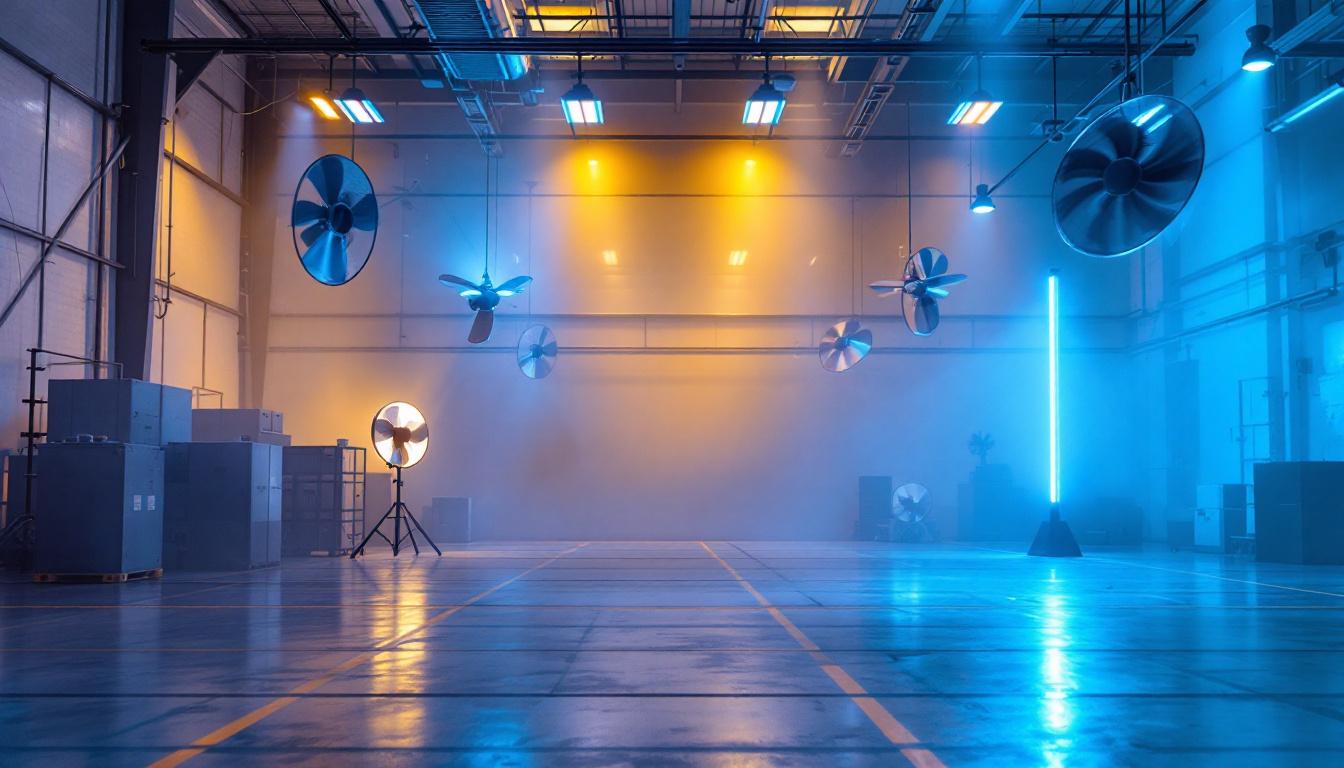
Lighting contractors often focus on selecting the right fixtures and bulbs, but there is an overlooked element that can transform lighting design in warehouses: air circulation through fans. Integrating fans strategically within lighting plans can enhance the effectiveness of lighting and improve the overall environment. This synergy not only boosts the functionality of the space but can also lead to energy savings, as well-placed fans can allow for lower wattage lighting solutions without compromising visibility.
The Hidden Connection Between Fans and Lighting
At first glance, fans and lighting might seem unrelated. However, fans influence temperature and air movement, which directly affect lighting performance and fixture longevity. For example, LED fixtures generate heat, and poor air circulation can cause them to overheat, reducing lifespan and efficiency. Fans help dissipate this heat, ensuring fixtures operate within optimal temperature ranges. Moreover, the strategic placement of fans can create a more uniform distribution of light throughout the warehouse, eliminating dark spots that can hinder operations.
Additionally, fans reduce humidity and airborne dust accumulation, both of which can cloud lenses and reduce light output over time. Cleaner lenses mean brighter, clearer illumination without the need for frequent maintenance or higher wattage bulbs. Furthermore, the combination of effective air circulation and quality lighting can enhance worker comfort, leading to improved morale and productivity. Workers in a well-lit, well-ventilated environment are less likely to experience fatigue, which can be critical in maintaining high levels of efficiency during long shifts. This holistic approach to warehouse lighting and air circulation not only addresses immediate operational needs but also contributes to a healthier workplace culture.
How Fans Enhance Lighting Quality in Warehouses
Reducing Glare and Shadows
One of the biggest challenges in warehouse lighting is managing shadows and glare. High-mounted fixtures can cast harsh shadows that obscure hazards or make it difficult to read labels and instructions. Fans create gentle air currents that help disperse dust and particles, which can otherwise cause light diffusion and glare.
By promoting better air movement, fans also prevent stagnant pockets where light might be absorbed or scattered unevenly. This results in more uniform illumination, making workspaces safer and more comfortable. Additionally, the strategic placement of fans can enhance the effectiveness of lighting by directing light to specific areas, ensuring that critical workstations are well-lit. For instance, in areas where precision is required, such as assembly lines or packing zones, the combination of fan-assisted air flow and well-positioned lighting can significantly improve visibility and worker efficiency.
Temperature Control for Optimal Fixture Performance
Heat is the enemy of lighting fixtures, especially LEDs. Excessive heat can cause LEDs to dim prematurely or fail altogether. Fans help regulate ambient temperature by circulating air, preventing hotspots around fixtures. This not only extends the life of lighting equipment but also maintains consistent light output.
For lighting contractors, this means fewer callbacks and maintenance visits, as well as satisfied clients who benefit from lower energy costs and longer-lasting installations. Moreover, maintaining an optimal temperature is crucial not just for the longevity of the fixtures but also for the comfort of the workforce. In environments where high-intensity work occurs, such as in manufacturing or logistics, a cooler atmosphere can enhance employee productivity and reduce fatigue. This dual benefit of improved lighting quality and temperature control makes the integration of fans an essential consideration in warehouse design and operation.
Design Strategies: Integrating Fans with Lighting Systems
Placement and Orientation
Effective integration starts with thoughtful placement. Fans should be positioned to complement lighting layouts, ensuring air flows across fixtures without creating uncomfortable drafts for workers. Ceiling-mounted fans with adjustable speeds and directional controls offer flexibility to adapt to changing warehouse configurations. This adaptability is particularly crucial in warehouses that frequently rearrange their layouts for different projects or seasonal demands, as it allows for a responsive approach to both airflow and illumination.
In zones with high activity or heat-producing machinery, fans can be paired with task lighting to maintain optimal conditions. This targeted approach enhances both lighting quality and worker comfort. For instance, integrating LED task lights with strategically placed fans can help to create a cooler microclimate around workstations, which not only improves visibility but also boosts productivity by keeping workers comfortable. Additionally, using smart technology to control both lighting and fan systems can lead to significant energy savings, as these systems can be programmed to operate only when needed, further enhancing operational efficiency.
Choosing the Right Fan Types
Not all fans are created equal. For warehouses, large-diameter ceiling fans, often called HVLS (High Volume Low Speed) fans, are ideal. They move large volumes of air gently, reducing noise and energy consumption. Their slow rotation minimizes dust disturbance, which is critical in maintaining clean lighting fixtures. The design of HVLS fans also allows them to operate effectively in spaces with high ceilings, ensuring that airflow reaches the ground level where it is most needed, thus improving overall air circulation throughout the facility.
Smaller, high-speed fans may be suitable for localized cooling but can interfere with lighting by causing flicker or uneven air currents. Selecting fans designed for industrial environments ensures compatibility with lighting systems and overall warehouse operations. Furthermore, incorporating fans with built-in lighting features can streamline installations and reduce the number of fixtures needed, ultimately simplifying maintenance. When selecting fans, it’s also important to consider energy efficiency ratings and noise levels, as these factors can significantly impact the work environment and operational costs over time. By carefully evaluating these elements, warehouse managers can create a harmonious balance between airflow and illumination that enhances both functionality and worker satisfaction.
Case Studies: Real-World Benefits of Fan and Lighting Integration
Warehouse A: Energy Savings and Improved Safety
In a large distribution center, integrating HVLS fans with LED lighting reduced energy consumption by 30%. The fans helped maintain cooler temperatures around fixtures, preventing overheating and extending their lifespan. Workers reported fewer eye strain issues due to reduced glare and more consistent lighting.
Additionally, the improved air circulation reduced dust buildup on fixtures, cutting maintenance time in half. The combined effect was a safer, more efficient workplace with lower operating costs. The facility also noted a significant decrease in the number of accidents related to poor visibility, as the enhanced lighting provided clearer sightlines and improved overall awareness among employees. This integration not only fostered a healthier work environment but also contributed to a culture of safety, where workers felt more secure and valued.
Warehouse B: Enhanced Worker Comfort and Productivity
Another facility implemented a lighting redesign that included strategically placed ceiling fans. The fans improved air quality and reduced humidity, which helped prevent condensation on lighting lenses. This maintained optimal light levels throughout the day.
Workers experienced a more comfortable environment, leading to higher productivity and fewer heat-related complaints. The lighting contractor received positive feedback from the client, highlighting the value of integrating fans into the lighting design. Moreover, the facility manager reported a noticeable increase in employee morale, as the improved conditions made the workspace more inviting. Employees felt energized and engaged, which translated into better teamwork and collaboration on projects. The combination of effective lighting and airflow not only enhanced individual performance but also fostered a sense of community within the workplace, demonstrating the profound impact of thoughtful design on employee well-being.
Practical Tips for Lighting Contractors
Collaborate With HVAC and Facility Teams
Successful integration requires coordination. Lighting contractors should work closely with HVAC professionals and facility managers to understand airflow patterns and temperature zones. This collaboration ensures fans complement existing systems and enhance lighting without causing conflicts. Engaging in early discussions about the layout and design can lead to innovative solutions that optimize both lighting and air distribution. For instance, understanding the specific needs of different areas within a facility—such as high-traffic zones versus storage spaces—can inform decisions about where to place fixtures and fans for maximum efficiency.
Consider Maintenance and Accessibility
Fans and lighting fixtures both require regular maintenance. Designing layouts that allow easy access to both components reduces downtime and labor costs. Choose fan models with features like removable blades or easy-clean surfaces to simplify upkeep. Additionally, consider the longevity and durability of materials used in both lighting and fan installations. Selecting energy-efficient LED lighting not only reduces energy costs but also minimizes the frequency of bulb replacements. Furthermore, incorporating smart technology can facilitate remote monitoring and diagnostics, allowing for proactive maintenance and reducing the likelihood of unexpected failures.
Test and Adjust Post-Installation
After installation, monitor the environment to ensure fans and lighting work harmoniously. Adjust fan speeds and directions as needed to optimize air circulation and lighting quality. Gathering feedback from warehouse workers can provide valuable insights for fine-tuning the system. It’s also beneficial to conduct a series of tests under varying conditions, such as different times of day or seasonal changes, to assess performance comprehensively. Documenting these findings can help in future projects and serve as a reference for best practices in similar environments. Moreover, consider implementing a feedback loop with the facility team to continually assess the effectiveness of the installed systems and make adjustments based on evolving needs.
Conclusion: Fans Are More Than Just Air Movers in Warehouse Lighting
Integrating fans into warehouse lighting designs is a smart strategy that goes beyond aesthetics or mere comfort. Fans enhance lighting performance, extend fixture lifespan, improve worker safety, and reduce operational costs. For lighting contractors aiming to deliver exceptional results, understanding and leveraging the synergy between fans and lighting is essential.
By adopting thoughtful design practices and collaborating with other facility teams, contractors can create warehouse environments that are brighter, safer, and more efficient. The secret to better lighting designs may well be hidden in the gentle breeze of a well-placed fan.
Illuminate Your Warehouse with LumenWholesale
Ready to revolutionize your warehouse lighting and fan integration? LumenWholesale is here to support your vision. Our spec-grade lighting products are designed to meet the rigorous demands of warehouse environments, ensuring you achieve the perfect balance of brightness, efficiency, and longevity. Say goodbye to inflated markups and hello to unbeatable wholesale prices, backed by the convenience of free shipping on bulk orders. Elevate your lighting designs with the quality and value that only LumenWholesale can provide. Start browsing our selection today and discover the best value in Wholesale Lighting at the Best Value.