Understanding the Role of Mounted Ceiling Lights in Modern Projects
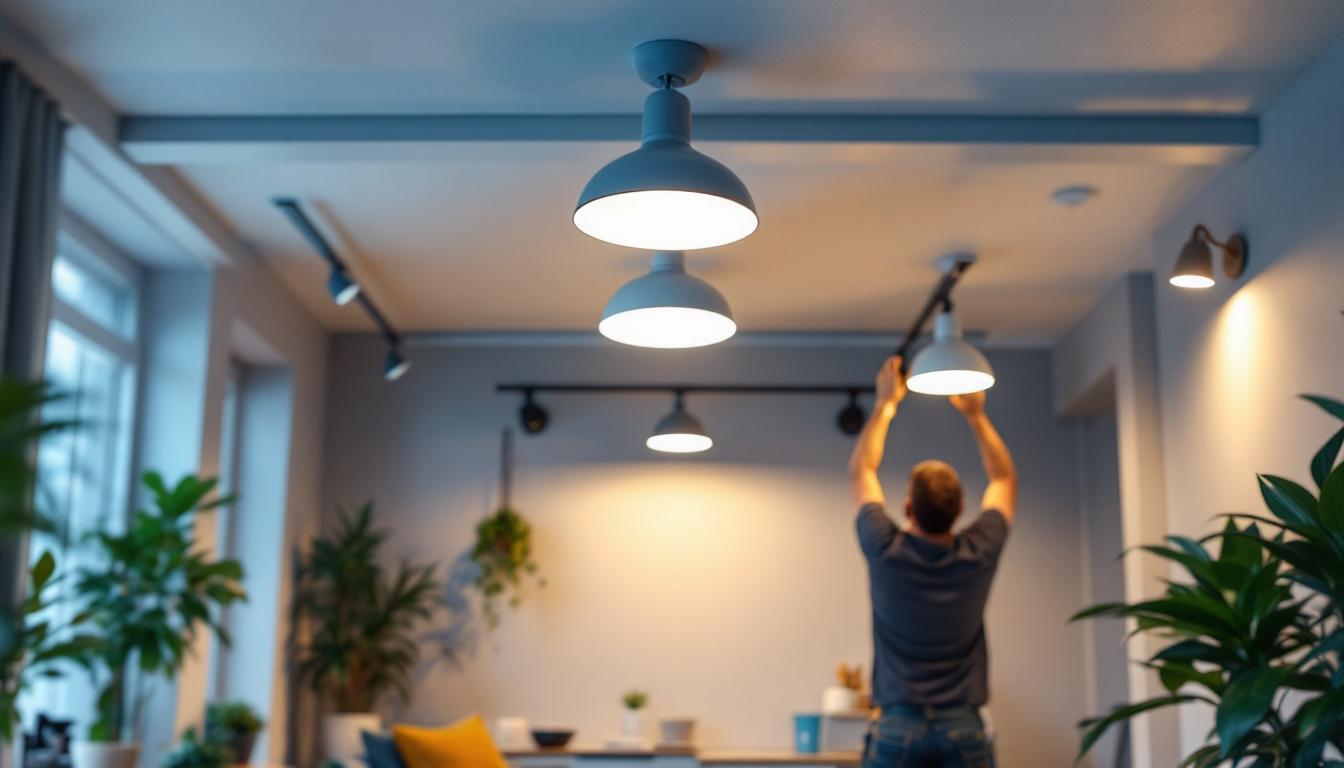
Mounted ceiling lights are a cornerstone in both residential and commercial lighting schemes. For lighting contractors, mastering the selection, installation, and troubleshooting of these fixtures is crucial. Unlike pendant or recessed lights, mounted ceiling lights sit flush or semi-flush against the ceiling, offering a sleek, unobtrusive look that fits a wide range of design aesthetics.
These fixtures are often the first lighting element specified in a project due to their versatility and ability to provide broad, ambient illumination. Whether illuminating a cozy living room or a bustling office space, mounted ceiling lights set the tone for the entire environment.
Understanding their function and characteristics helps contractors recommend the right fixtures to clients, ensuring satisfaction and project success. The variety of styles available—from minimalist designs to ornate fixtures—allows for seamless integration into any interior design scheme. For instance, in a contemporary setting, a simple, geometric flush mount can enhance the sleek lines of the room, while in a more traditional space, a decorative semi-flush mount can add a touch of elegance and charm.
Moreover, the technological advancements in lighting have led to the emergence of energy-efficient options such as LED mounted ceiling lights. These fixtures not only reduce energy consumption but also offer longer lifespans, making them an economical choice for both residential and commercial applications. Additionally, many modern mounted ceiling lights come with adjustable features, allowing users to control brightness levels and even color temperatures, creating a customizable environment that can adapt to different activities throughout the day. This adaptability is particularly beneficial in multi-use spaces, where the lighting needs may shift from bright and energizing during work hours to soft and relaxing in the evening.
Types of Mounted Ceiling Lights and Their Applications
Flush Mount vs. Semi-Flush Mount
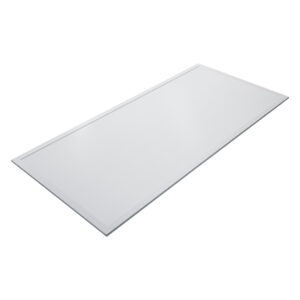
Flush mount lights are installed directly against the ceiling, making them ideal for rooms with low ceilings or where a minimalist look is desired. They provide even, ambient lighting without drawing attention to the fixture itself. Semi-flush mounts, on the other hand, hang slightly below the ceiling, offering a bit more decorative flair and allowing for more light diffusion.
Choosing between these two depends largely on ceiling height and design goals. For example, in a hallway with an 8-foot ceiling, flush mounts prevent the space from feeling cramped. In a dining area with 9-foot ceilings, semi-flush mounts add a subtle elegance without overwhelming the room. Additionally, flush mounts are often favored in spaces where a clean, unobtrusive aesthetic is crucial, such as in contemporary kitchens or modern bathrooms, while semi-flush mounts can enhance the visual interest in living rooms or entryways, where they can serve as a focal point.
LED vs. Traditional Bulbs
LED mounted ceiling lights have become the industry standard due to their energy efficiency, longevity, and lower maintenance costs. They produce less heat and offer a variety of color temperatures, from warm to daylight, enabling contractors to tailor lighting to client preferences. The ability to dim LED lights also adds versatility, allowing homeowners to create different moods for various occasions.
Traditional incandescent or CFL bulbs are less common now but might still be found in retrofit projects. Lighting contractors must be adept at guiding clients toward LED options that meet both budget and performance expectations, especially as energy codes tighten in many regions. Furthermore, the shift towards smart lighting solutions has opened new avenues for customization, with many LED fixtures now compatible with home automation systems, allowing users to control brightness and color remotely or via voice commands.
Decorative Mounted Fixtures
Beyond basic utility, mounted ceiling lights can serve as design statements. Fixtures with glass, metal, or fabric shades add texture and style to spaces. For commercial projects, such as hotels or restaurants, decorative mounted lights can reinforce branding and ambiance. The choice of materials and designs can evoke different feelings; for instance, a rustic wood and metal fixture might create a cozy, inviting atmosphere, while sleek chrome or glass options can lend a more sophisticated, modern vibe.
Contractors should be familiar with a range of styles—from modern minimalist to vintage industrial—to better advise clients and integrate lighting seamlessly into interior design plans. Additionally, understanding the interplay between natural light and artificial lighting can greatly enhance the effectiveness of a mounted fixture. For example, a well-placed semi-flush mount in a room with large windows can complement the natural light during the day while providing essential illumination at night, creating a harmonious balance that elevates the overall aesthetic of the space.
Installation Essentials for Lighting Contractors
Assessing Ceiling Types and Support
Before installation, evaluating the ceiling structure is vital. Drywall ceilings require secure mounting brackets and sometimes reinforcement to support heavier fixtures. Concrete or plaster ceilings might need specialized anchors or drilling techniques. Additionally, it’s important to assess the ceiling height and the overall layout of the space. High ceilings may necessitate the use of extension rods or pulleys for easier access to fixtures during maintenance or bulb replacement, while lower ceilings might benefit from flush mounts to avoid obstruction.
Contractors must also consider electrical box ratings. Ceiling boxes must be rated to support the weight of the fixture, especially for semi-flush mounts or decorative pieces. Using the wrong box can lead to fixture failure or safety hazards. Furthermore, the positioning of the fixtures should be carefully planned to optimize light distribution and aesthetic appeal. A well-thought-out layout can enhance the ambiance of a room, ensuring that light is evenly spread and highlights key features of the space.
Wiring and Electrical Considerations
Proper wiring is fundamental for safety and functionality. Lighting contractors should verify that circuit loads can handle the new fixtures, especially when upgrading to LED systems that may have different electrical requirements. It’s also advisable to conduct a load calculation to ensure that the circuit can accommodate the additional fixtures without overloading, which could lead to tripped breakers or even electrical fires.
Grounding and securing connections with wire nuts or connectors is non-negotiable. Additionally, dimmer compatibility should be checked if the client desires adjustable lighting levels. Installing compatible dimmers with LED fixtures avoids flickering and extends bulb life. Beyond dimming, contractors should also consider the use of smart lighting systems that allow for remote control and scheduling. These systems can significantly enhance user convenience and energy efficiency, making them an attractive option for modern installations.
Adhering to Codes and Standards
Compliance with local electrical codes and the National Electrical Code (NEC) is mandatory. Lighting contractors must stay updated on regulations regarding fixture placement, wiring methods, and energy efficiency standards. This includes understanding the specific requirements for different types of buildings, whether residential, commercial, or industrial, as these can vary significantly.
For example, some jurisdictions require lighting controls like occupancy sensors or timers in commercial settings to reduce energy consumption. Understanding these requirements ensures that installations pass inspections without costly delays. Furthermore, contractors should be aware of any incentives or rebates available for energy-efficient installations, as these can provide financial benefits to clients and encourage the adoption of sustainable practices. Keeping abreast of advancements in lighting technology and energy-saving solutions can also position contractors as knowledgeable leaders in the field, enhancing their reputation and client trust.
Maintenance and Troubleshooting Tips
Common Issues and Quick Fixes
Mounted ceiling lights can experience problems such as flickering, dimming, or complete failure. Flickering often results from loose wiring or incompatible dimmers. Contractors should first check connections and then verify that the dimmer switch matches the fixture’s specifications.
Burned-out bulbs are straightforward to replace, but if a new bulb fails quickly, it may indicate voltage fluctuations or fixture defects. In such cases, inspecting the electrical supply and fixture integrity is necessary.
Cleaning and Longevity
Maintaining mounted ceiling lights extends their lifespan and keeps spaces looking fresh. Dust and grime accumulation can reduce light output and affect fixture appearance. Contractors can advise clients on safe cleaning methods, such as using microfiber cloths and avoiding harsh chemicals that damage finishes.
Regular inspections during routine maintenance visits help catch issues early, preventing more extensive repairs later.
Enhancing Client Value Through Expert Lighting Solutions
Energy Efficiency and Cost Savings
Lighting contractors who emphasize energy-efficient mounted ceiling lights provide clients with long-term savings. LEDs consume up to 80% less energy than incandescent bulbs and last significantly longer, reducing replacement frequency and labor costs.
Recommending fixtures with integrated LEDs or retrofit kits can simplify upgrades, especially in commercial buildings aiming for sustainability certifications or reduced utility bills.
Customization and Smart Lighting Integration
Smart lighting controls are increasingly popular, allowing clients to adjust brightness, color temperature, and schedules via apps or voice commands. Lighting contractors who can integrate mounted ceiling lights with smart systems add considerable value to their services.
These systems enhance convenience and energy management, appealing to tech-savvy homeowners and forward-thinking businesses alike.
Design Collaboration
Working closely with interior designers and architects ensures that mounted ceiling lights complement the overall aesthetic and functional goals of a project. Lighting contractors who understand design principles can suggest fixtures that balance form and function, improving client satisfaction.
Effective communication about fixture placement, light quality, and style helps avoid costly changes during or after installation.
Conclusion: Mastering Mounted Ceiling Lights for Success
Mounted ceiling lights are more than just sources of illumination-they shape spaces, influence moods, and impact energy use. For lighting contractors, expertise in selecting, installing, and maintaining these fixtures is essential to delivering quality results.
Staying informed about product innovations, electrical standards, and client needs empowers contractors to provide solutions that are safe, efficient, and visually appealing. This knowledge not only builds trust but also strengthens a contractor’s reputation in a competitive market.
Ultimately, mastering mounted ceiling lights means mastering a fundamental element of lighting design and installation, a skill that pays dividends in every project.
Get Your Premium Mounted Ceiling Lights at LumenWholesale
Ready to elevate your lighting projects with the best in mounted ceiling lights? Look no further than LumenWholesale. We provide lighting contractors with an unparalleled selection of spec-grade lighting products that meet the highest industry standards. With our competitive wholesale pricing and the convenience of free shipping on bulk orders, you can ensure your projects shine without breaking the bank. Don’t compromise on quality or value—choose LumenWholesale for your lighting needs and experience the ideal combination of excellence and affordability. Wholesale Lighting at the Best Value is just a click away.