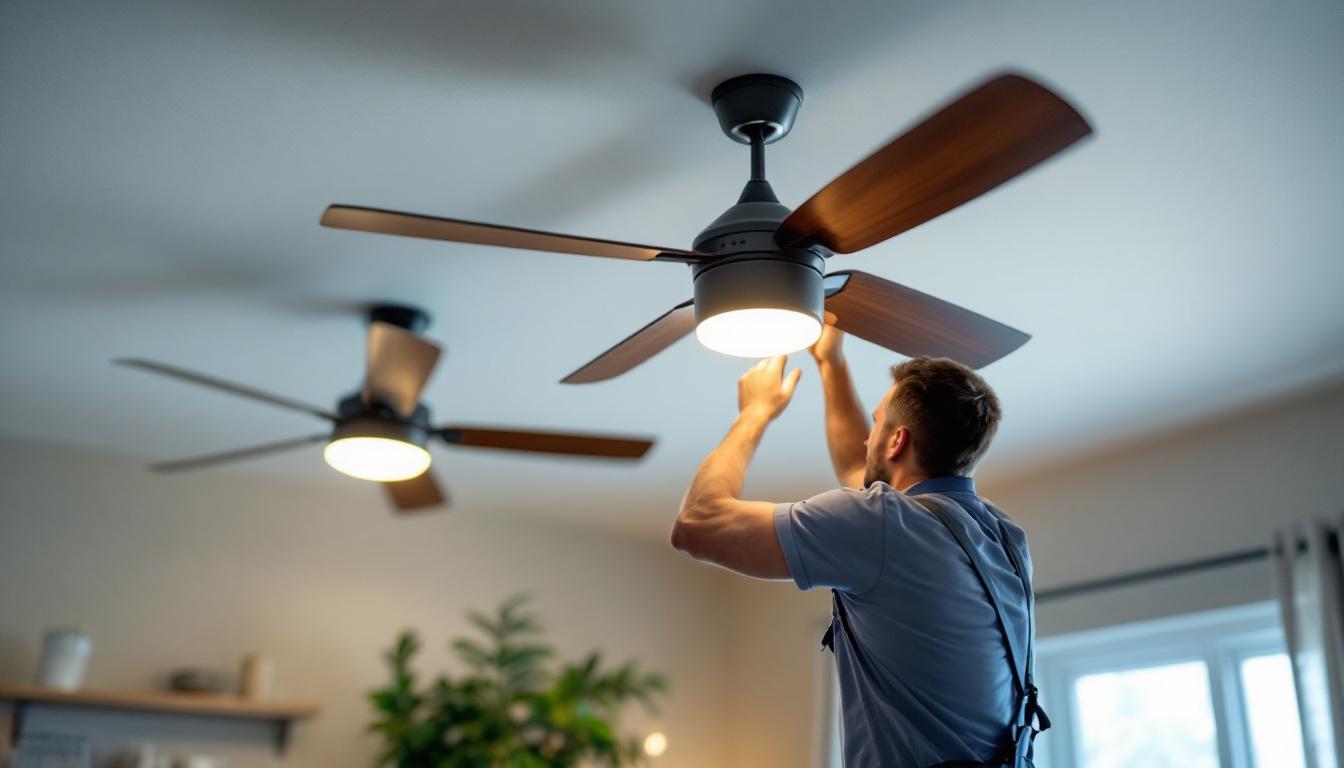
In the ever-evolving landscape of home and commercial lighting, contractors are continually seeking innovative ways to enhance their service offerings and boost profitability. One often overlooked yet highly effective solution is the integration of ceiling fans into lighting projects. This article explores how lighting contractors can leverage ceiling fans to not only improve client satisfaction but also increase their bottom line.
The Synergy of Ceiling Fans and Lighting
Ceiling fans and lighting fixtures are two essential elements in creating a comfortable and aesthetically pleasing environment. When combined effectively, they can significantly enhance the overall ambiance of a space while also providing functional benefits.
Energy Efficiency and Cost Savings
One of the primary advantages of installing ceiling fans alongside lighting fixtures is the potential for energy savings. Ceiling fans circulate air, which can help reduce the reliance on air conditioning during warmer months. This synergy allows homeowners to maintain a comfortable temperature at a lower cost, ultimately leading to reduced energy bills.
Moreover, many modern ceiling fans come equipped with energy-efficient LED lighting options. By recommending these products, contractors can provide clients with a comprehensive solution that not only looks great but also promotes sustainability and cost-effectiveness. In addition to the immediate savings on energy bills, utilizing energy-efficient fixtures can also contribute to a lower carbon footprint, making it a win-win for both the environment and the homeowner.
Enhanced Aesthetic Appeal
Ceiling fans are available in a wide range of styles, finishes, and sizes, making them a versatile addition to any lighting project. By incorporating ceiling fans into their designs, contractors can offer clients a more holistic approach to interior design. This not only enhances the aesthetic appeal of a space but also allows for greater customization based on individual client preferences.
Furthermore, the right ceiling fan can serve as a focal point in a room, drawing attention and elevating the overall design. By showcasing a selection of stylish ceiling fans alongside lighting options, contractors can create a more engaging and visually appealing proposal for their clients. The interplay of light and movement created by a ceiling fan can also add a dynamic element to the space, making it feel more lively and inviting. Additionally, the choice of materials—such as wood, metal, or glass—can complement or contrast with existing decor, creating a cohesive look that reflects the homeowner’s personal style.
Beyond aesthetics, the integration of ceiling fans with lighting can also enhance functionality. For instance, many ceiling fans now come with remote controls or smart home compatibility, allowing users to adjust both lighting and airflow with ease. This modern convenience not only improves the user experience but also allows for tailored lighting schemes that can adapt to different activities, whether it’s a cozy movie night or an energetic gathering with friends. Such versatility ensures that the space remains comfortable and inviting, regardless of the occasion.
Understanding Client Needs
Before recommending ceiling fans, it is crucial for lighting contractors to understand the specific needs and preferences of their clients. This involves asking the right questions and assessing the space in question.
Conducting a Thorough Assessment
When meeting with clients, contractors should conduct a comprehensive assessment of the space where the ceiling fan and lighting will be installed. This includes evaluating the room size, ceiling height, and existing lighting conditions. Understanding these factors will help contractors recommend the most suitable ceiling fan options that align with the client’s needs.
Additionally, discussing the intended use of the space can provide valuable insights. For instance, a ceiling fan in a bedroom may prioritize quiet operation and aesthetic appeal, while a fan in a living room may focus on airflow and style. Tailoring recommendations based on these considerations can greatly enhance client satisfaction. Furthermore, it’s important to consider the architectural style of the home; a modern fan may clash with a traditional decor, while a vintage-style fan could complement it beautifully. This attention to detail not only demonstrates professionalism but also shows clients that their preferences are being taken seriously.
Educating Clients on Benefits
Many clients may not fully understand the benefits of integrating ceiling fans with their lighting solutions. As a contractor, it is essential to educate clients on how ceiling fans can enhance comfort and energy efficiency.
Providing visual aids, such as brochures or digital presentations, can help illustrate the advantages of ceiling fans. Highlighting energy savings, improved air circulation, and the aesthetic impact can empower clients to make informed decisions. By positioning oneself as a knowledgeable resource, contractors can build trust and credibility with their clients. Additionally, discussing the various features of modern ceiling fans, such as remote controls, smart home compatibility, and reversible motor functions, can further entice clients. Many consumers are increasingly interested in technology that enhances their living spaces, and showcasing these features can make the ceiling fan an attractive option. By emphasizing how these advancements can contribute to both convenience and energy efficiency, contractors can help clients envision the added value in their homes.
Choosing the Right Ceiling Fans
With a plethora of ceiling fan options available on the market, selecting the right products for each project can be daunting. However, by considering specific factors, lighting contractors can streamline the selection process.
Size and Scale
The size of the ceiling fan is a critical factor in ensuring optimal performance and aesthetic appeal. A fan that is too small for a large room will struggle to circulate air effectively, while an oversized fan in a small space may overwhelm the design. Contractors should familiarize themselves with guidelines for fan sizing based on room dimensions to make appropriate recommendations.
For instance, a fan with a blade span of 36 inches is typically suitable for rooms up to 10 feet by 10 feet, while larger rooms may require fans with blade spans of 52 inches or more. Ensuring the right fit can enhance both functionality and visual balance.
Style and Design
Ceiling fans come in various styles, from modern and sleek to traditional and ornate. When selecting fans, contractors should consider the overall design theme of the space. A contemporary fan may complement a minimalist design, while a vintage-inspired fan can enhance a classic aesthetic.
Additionally, color and finish play a significant role in how well a fan integrates with existing decor. Offering clients a curated selection of fans that align with their style preferences can elevate the overall project and create a cohesive look.
Installation Considerations
Proper installation is crucial for the performance and longevity of ceiling fans. Lighting contractors must adhere to best practices to ensure that fans operate safely and efficiently.
Electrical Requirements
Before installation, contractors should assess the electrical requirements of the ceiling fan. Most fans require a dedicated circuit, and it is essential to ensure that the existing wiring can support the fan’s power needs. This may involve upgrading electrical components or adding new circuits to accommodate the fan.
Additionally, contractors should verify that the mounting location is secure and capable of supporting the fan’s weight. Using appropriate mounting hardware and following manufacturer guidelines will help prevent issues down the line.
Balancing and Testing
After installation, it is essential to balance the ceiling fan to prevent wobbling and ensure smooth operation. This involves adjusting the blade pitch and ensuring that all screws and fasteners are securely tightened. Testing the fan’s operation at various speeds will help identify any potential issues before completing the project.
Providing clients with a demonstration of the fan’s operation can also enhance their experience. Explaining how to use the fan’s features, such as remote controls or smart home integration, can empower clients to make the most of their new installation.
Marketing Ceiling Fans to Clients
Once contractors have integrated ceiling fans into their service offerings, effective marketing strategies are essential for promoting these products to clients. A well-thought-out marketing plan can help contractors differentiate themselves in a competitive market.
Showcasing Projects
One of the most effective ways to market ceiling fans is by showcasing completed projects that highlight the successful integration of fans and lighting. High-quality photographs and detailed descriptions can illustrate the transformative impact of these installations.
Contractors can create a portfolio on their website or social media platforms, featuring before-and-after images that demonstrate the aesthetic and functional benefits of ceiling fans. This visual storytelling can resonate with potential clients and inspire them to consider ceiling fans for their own spaces.
Client Testimonials and Reviews
Positive client testimonials and reviews can significantly influence potential customers’ decisions. Encouraging satisfied clients to share their experiences with ceiling fan installations can build credibility and trust.
Contractors can feature these testimonials on their websites, social media, and marketing materials. Additionally, creating case studies that detail specific projects can provide potential clients with insights into the value of ceiling fans and lighting integration.
Conclusion
Integrating ceiling fans into lighting projects offers lighting contractors a unique opportunity to enhance their service offerings and boost profitability. By understanding client needs, selecting the right products, ensuring proper installation, and implementing effective marketing strategies, contractors can position themselves as leaders in the industry.
As clients increasingly seek energy-efficient and aesthetically pleasing solutions for their homes and businesses, the demand for ceiling fans will continue to grow. By embracing this trend, lighting contractors can not only improve client satisfaction but also drive their own success in a competitive market.
Get Your Premium Ceiling Fans at LumenWholesale
Ready to elevate your lighting projects with high-quality ceiling fans that promise both style and efficiency? Look no further than LumenWholesale, where we provide contractors with spec-grade lighting and ceiling fan solutions at unbeatable wholesale prices. Say goodbye to local distributor markups and hello to a vast selection of reliable, high-performance products designed to meet your project’s needs. With free shipping on bulk orders, you can stock up on premium lighting and fans while enjoying the best value. Don’t compromise on quality or cost. Wholesale Lighting at the Best Value is just a click away. Experience the LumenWholesale difference today!