The lighting industry is evolving rapidly, with new technologies and trends shaping the way contractors approach their projects. As a lighting contractor, staying ahead of these trends is crucial for maintaining a competitive edge and delivering exceptional service to clients. One of the most significant advancements in recent years has been the integration of timers and smart controls into lighting systems. This article explores the latest trends in timers for lighting and how they can enhance both functionality and efficiency in various applications.
The Rise of Smart Lighting Solutions
Smart lighting solutions have gained immense popularity, driven by the demand for energy efficiency and convenience. These systems allow users to control their lighting remotely, set schedules, and even adjust brightness and color temperature according to their preferences. The ability to customize lighting not only enhances the ambiance of a space but also contributes to the overall well-being of its inhabitants, as studies have shown that lighting can affect mood and productivity.
Integration with Home Automation Systems
One of the key trends in smart lighting is its seamless integration with home automation systems. Many homeowners are looking for ways to simplify their lives, and smart lighting plays a significant role in this. By connecting lighting systems with smart home hubs, contractors can offer clients the ability to control their lights alongside other devices such as thermostats, security systems, and entertainment systems. This interconnectedness allows for a more cohesive home environment where users can create specific scenes or moods with just a voice command or a tap on their smartphone.
This integration not only enhances user experience but also opens up opportunities for contractors to provide comprehensive solutions that meet the growing demand for smart home technology. Furthermore, as the Internet of Things (IoT) continues to evolve, the potential for smart lighting to interact with other smart devices will only expand, leading to innovative applications such as automated lighting adjustments based on the time of day or occupancy sensors that respond to user behavior.
Energy Efficiency and Sustainability
Another driving force behind the adoption of smart lighting is the focus on energy efficiency and sustainability. Timers and smart controls can significantly reduce energy consumption by allowing users to schedule lighting based on their needs. For example, lights can be programmed to turn off automatically when a space is unoccupied or dimmed during daylight hours. Additionally, many smart lighting solutions utilize LED technology, which is inherently more energy-efficient than traditional incandescent bulbs, further contributing to lower energy bills and reduced environmental impact.
As energy costs continue to rise and environmental concerns become more pressing, clients are increasingly seeking solutions that help them reduce their carbon footprint. Contractors who can provide energy-efficient lighting solutions will not only meet client demands but also position themselves as responsible and forward-thinking professionals in the industry. Moreover, the integration of smart lighting with renewable energy sources, such as solar panels, presents an exciting opportunity for homeowners to maximize their energy savings while contributing to a more sustainable future. By harnessing the power of technology and eco-friendly practices, smart lighting is paving the way for a greener and more efficient home environment.
Advanced Timer Technologies
Timers have come a long way from traditional mechanical devices. Modern timer technologies offer a range of features that enhance their functionality and usability. Understanding these advancements is essential for lighting contractors looking to implement the latest solutions.
Programmable and Adaptive Timers
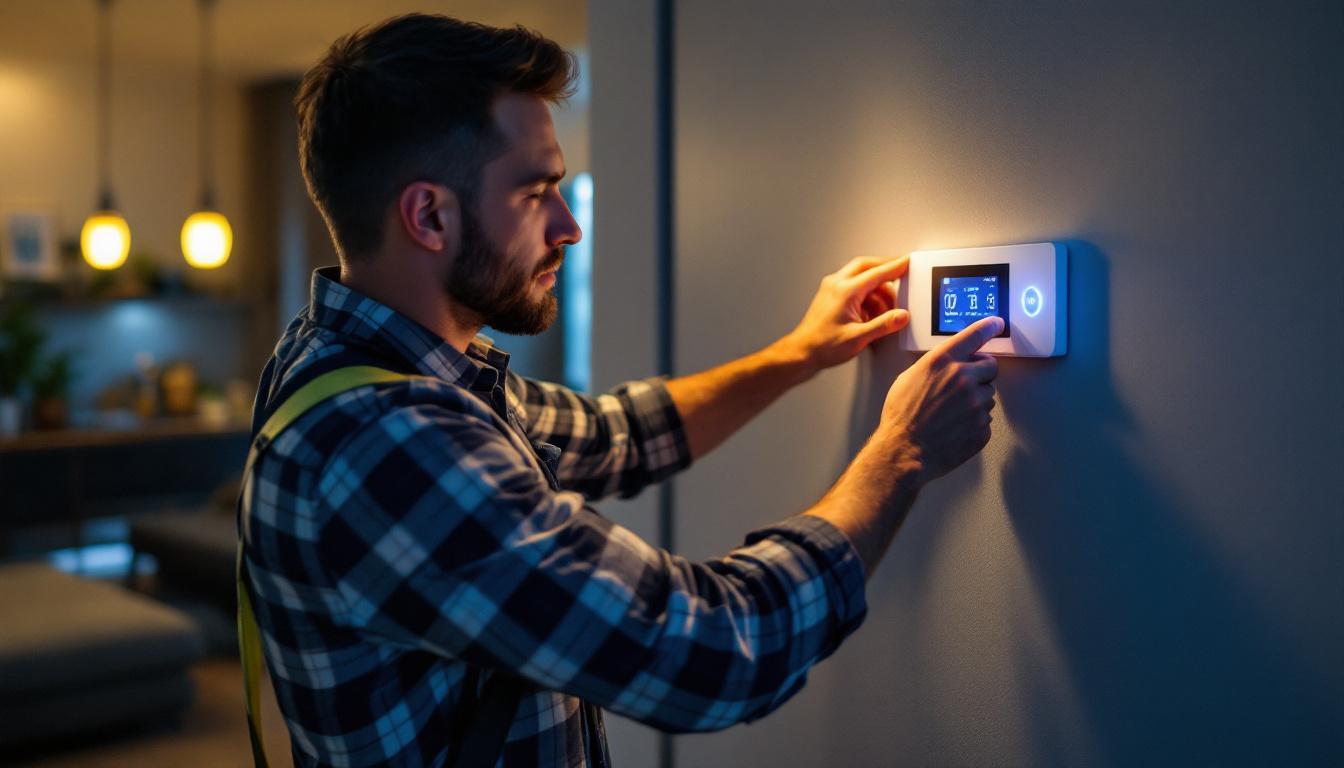
Programmable timers allow users to set specific schedules for their lighting, providing flexibility and convenience. However, adaptive timers take this a step further by learning user behavior and adjusting lighting schedules accordingly. These smart timers can analyze patterns, such as when a room is typically occupied, and automatically adjust the lighting to optimize energy usage.
For contractors, incorporating adaptive timers into lighting designs can enhance the overall user experience and provide clients with a system that requires minimal manual intervention. This trend not only improves convenience but also aligns with the growing demand for automation in residential and commercial spaces. Moreover, the integration of machine learning algorithms enables these timers to continuously improve their performance over time, making them more efficient and tailored to individual preferences. As users become accustomed to their lighting habits, adaptive timers can even suggest energy-saving adjustments, further promoting sustainability and cost-effectiveness.
Remote Access and Control
With the rise of mobile technology, remote access and control have become essential features for modern lighting systems. Timers that can be controlled via smartphone apps or web interfaces allow users to manage their lighting from anywhere. This capability is particularly appealing for clients who travel frequently or have second homes.
By offering remote control options, contractors can provide clients with peace of mind, knowing they can monitor and adjust their lighting even when they are away. This trend is also beneficial for businesses, as it allows for efficient management of lighting in commercial spaces, reducing energy costs and enhancing security. Additionally, many of these systems can integrate with other smart home devices, creating a cohesive ecosystem that can be controlled from a single platform. For instance, users can set their lighting to automatically dim when a security system is activated or sync with smart thermostats to ensure optimal energy use throughout the day. Such interconnectedness not only elevates the user experience but also fosters a more sustainable approach to energy consumption in various environments.
Trends in Commercial Lighting Applications
While residential lighting is often the focus of smart technology, commercial lighting applications are also experiencing significant advancements. Timers and smart controls are becoming integral to commercial lighting strategies, offering a range of benefits for businesses.
Enhanced Security Features
Security is a top priority for many businesses, and lighting plays a crucial role in creating a safe environment. Timers can be programmed to turn lights on and off at specific times, simulating occupancy and deterring potential intruders. This feature is particularly valuable for businesses that may be closed during certain hours.
Contractors can leverage this trend by offering clients tailored lighting solutions that enhance security while also providing energy-efficient options. By integrating timers with security systems, contractors can create comprehensive solutions that address multiple client needs.
Improved Employee Productivity
Lighting has a direct impact on employee productivity and well-being. Studies have shown that well-lit environments can enhance focus and reduce fatigue. Timers that adjust lighting based on the time of day can create a more conducive work environment, promoting employee satisfaction and efficiency.
Contractors should consider the importance of lighting in commercial spaces and offer solutions that incorporate timers to optimize lighting conditions throughout the day. This trend not only improves workplace morale but also demonstrates a commitment to creating healthier work environments.
Challenges and Considerations for Contractors
As the demand for smart lighting solutions grows, contractors must also navigate certain challenges and considerations when implementing timers and smart controls in their projects.
Client Education and Support
One of the primary challenges contractors face is educating clients about the benefits and functionalities of smart lighting systems. Many clients may be unfamiliar with the technology and its advantages, leading to hesitation in adopting these solutions.
Contractors should prioritize client education by providing clear explanations, demonstrations, and ongoing support. Offering training sessions or resources can empower clients to make informed decisions and fully utilize their lighting systems, ultimately leading to greater satisfaction and loyalty.
Compatibility with Existing Systems
Another consideration is the compatibility of new timer technologies with existing lighting systems. Contractors must assess whether the current infrastructure can support smart timers and controls. In some cases, retrofitting may be necessary, which can add complexity to the project.
To address this challenge, contractors should conduct thorough assessments of existing systems and provide clients with detailed recommendations on the best approach for integrating new technologies. This proactive approach can help prevent potential issues and ensure a smooth transition to smart lighting solutions.
The Future of Timer Technology in Lighting
The future of timer technology in lighting is promising, with continuous advancements expected to shape the industry further. As technology evolves, contractors must stay informed about emerging trends and innovations to remain competitive.
Integration with IoT and AI
The Internet of Things (IoT) and artificial intelligence (AI) are set to revolutionize the lighting industry. Timers that can communicate with other smart devices and utilize AI algorithms to optimize lighting based on real-time data will become increasingly common. This integration will enable more sophisticated lighting solutions that adapt to user preferences and environmental conditions.
Contractors who embrace these technologies will not only enhance their service offerings but also position themselves as leaders in the industry. Staying ahead of the curve will be essential for meeting the evolving demands of clients and providing innovative solutions that improve efficiency and convenience.
Focus on User Experience
As the lighting industry continues to evolve, the focus on user experience will remain a top priority. Timers and controls must be intuitive and user-friendly, allowing clients to easily navigate and customize their lighting settings. Contractors should prioritize solutions that enhance usability and provide a seamless experience for end-users.
By prioritizing user experience, contractors can foster stronger relationships with clients and ensure long-term satisfaction with their lighting systems. This focus will also contribute to the overall growth of the industry as more clients recognize the benefits of smart lighting solutions.
Conclusion
In conclusion, the integration of timers and smart controls into lighting systems is a trend that every lighting contractor should be aware of. As the demand for energy efficiency, convenience, and automation continues to rise, staying informed about the latest advancements and trends is essential for success in the industry.
By embracing smart lighting solutions, contractors can enhance their service offerings, improve client satisfaction, and position themselves as leaders in the evolving landscape of lighting technology. As the industry continues to grow and change, those who adapt and innovate will thrive in the competitive market.
Get the Best in Smart Lighting with LumenWholesale
Ready to stay ahead of the curve with the latest timer and smart control technologies for your lighting projects? LumenWholesale is here to support your success. We provide contractors with superior, spec-grade lighting products at unbeatable wholesale prices, ensuring you have access to the best value in the industry. Say goodbye to inflated markups and hello to a vast selection of reliable, high-performance lighting options that meet the highest standards. Plus, with free shipping on bulk orders, you can stock up on premium lighting without any hidden fees. Elevate your lighting game and give your clients the cutting-edge solutions they seek. Wholesale Lighting at the Best Value is just a click away—experience the LumenWholesale difference now.