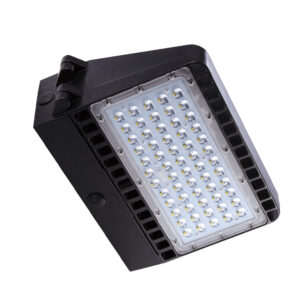
In the ever-evolving world of lighting solutions, solar lighting has emerged as a game-changer for contractors. With an increasing emphasis on sustainability and energy efficiency, understanding the intricacies of solar lighting installation can set a contractor apart from the competition. This article delves into the essential secrets that lighting contractors must master to excel in the solar lighting domain.
Understanding Solar Lighting Technology
The foundation of effective solar lighting lies in a comprehensive understanding of its technology. Solar lights operate on the principle of converting sunlight into electricity, which is then used to power LED bulbs. This section will explore the key components that make solar lighting efficient and reliable.
Components of Solar Lighting Systems
At the heart of every solar lighting system are several critical components: solar panels, batteries, LED lights, and controllers. Each plays a vital role in ensuring the system functions optimally. Solar panels capture sunlight and convert it into electrical energy, while batteries store this energy for use during nighttime. LED lights are favored for their energy efficiency and longevity, and controllers manage the operation of the system, ensuring lights turn on and off at appropriate times. Additionally, the quality of these components can significantly affect the performance of the solar lighting system. High-efficiency solar panels can capture more sunlight, while advanced battery technologies, such as lithium-ion, can provide longer-lasting energy storage and faster charging times, enhancing overall system reliability.
Types of Solar Lighting Solutions
Contractors should be familiar with the various types of solar lighting solutions available. These include solar street lights, garden lights, pathway lights, and floodlights. Each type serves a different purpose and is designed for specific applications. For instance, solar street lights are often equipped with motion sensors and can illuminate large areas, making them ideal for urban environments. Garden lights, on the other hand, are designed to enhance aesthetic appeal while providing illumination for outdoor spaces. Understanding the nuances of these solutions allows contractors to recommend the best options to their clients based on their unique needs. Furthermore, some solar lighting solutions come with smart technology features, enabling remote control and monitoring via mobile apps, which can greatly enhance user experience and convenience.
Efficiency and Performance Metrics
When evaluating solar lighting systems, efficiency and performance metrics are crucial. Factors such as lumen output, battery capacity, and solar panel efficiency play significant roles in determining the overall effectiveness of a system. Contractors should be adept at interpreting these metrics to provide clients with informed recommendations that align with their project goals. Moreover, understanding the environmental conditions in which the solar lights will operate is essential. For example, areas with frequent cloud cover or shorter daylight hours may require systems with higher battery capacity or more efficient solar panels to ensure consistent performance. Additionally, the integration of smart technology can also influence performance metrics, as systems equipped with sensors can adjust brightness based on ambient light levels, further optimizing energy use and extending battery life.
Installation Best Practices
Installing solar lighting systems requires a blend of technical knowledge and practical skills. Adhering to best practices not only ensures the longevity of the installation but also enhances client satisfaction. This section outlines key installation techniques that contractors should master.
Site Assessment and Planning
A thorough site assessment is essential before installation begins. Contractors must evaluate factors such as sunlight exposure, potential obstructions, and the specific lighting needs of the area. This assessment informs the placement of solar panels and lights, optimizing their performance. Additionally, creating a detailed installation plan can streamline the process and minimize errors. It is also beneficial to consider seasonal changes in sunlight and weather patterns, as these can affect the efficiency of solar systems throughout the year. By taking into account the unique characteristics of the installation site, contractors can tailor their approach, ensuring that the solar lighting system is not only functional but also well-integrated into the landscape.
Proper Mounting Techniques
Mounting solar lights correctly is critical for their performance. The angle and height at which solar panels are installed can significantly impact their ability to capture sunlight. Contractors should ensure that panels are positioned to receive maximum sunlight exposure throughout the day, while also considering aesthetic factors for the overall design. Moreover, utilizing durable mounting hardware is essential to withstand environmental factors such as wind and rain. Regular maintenance checks on the mounting integrity can prevent future issues, ensuring that the solar panels remain securely in place and continue to function optimally. Additionally, contractors should educate clients on the importance of keeping the area around the solar lights clear of debris and vegetation, as this can obstruct light and reduce the system’s efficiency.
Wiring and Connectivity
While many solar lighting systems are designed to be wireless, understanding the wiring and connectivity options available is still beneficial. Contractors should be familiar with how to connect batteries and controllers to ensure seamless operation. Proper wiring techniques can prevent issues such as short circuits and ensure the system operates efficiently. Furthermore, it is crucial to select high-quality, weather-resistant connectors and cables to enhance the durability of the installation. Contractors should also consider implementing a monitoring system that allows for real-time performance tracking, enabling quick identification of any issues that may arise. This proactive approach not only enhances the reliability of the solar lighting system but also provides clients with peace of mind, knowing that their investment is being carefully managed and maintained.
Maintenance and Troubleshooting
Even the best-installed solar lighting systems require maintenance and occasional troubleshooting. Contractors who are equipped with the knowledge to maintain these systems can provide added value to their clients and ensure long-term satisfaction.
Regular Maintenance Practices
Regular maintenance is essential to keep solar lighting systems functioning optimally. This includes cleaning solar panels to remove dust and debris that can obstruct sunlight, checking battery health, and ensuring that all components are securely fastened. Contractors should recommend a maintenance schedule to clients to prolong the life of their solar lighting systems.
Identifying Common Issues
Contractors should be able to identify and troubleshoot common issues that may arise with solar lighting systems. Problems such as dimming lights, inconsistent operation, or complete failure can often be traced back to battery issues, poor solar panel performance, or faulty wiring. Being proactive in addressing these issues can save clients time and money in the long run.
Regulatory Considerations and Incentives
Understanding the regulatory landscape surrounding solar lighting is crucial for contractors. Various local, state, and federal regulations may impact installation practices, and being aware of available incentives can enhance project feasibility.
Permitting and Compliance
Before commencing installation, contractors must ensure compliance with local regulations and obtain the necessary permits. This may include zoning laws, building codes, and environmental regulations. Familiarity with these requirements not only facilitates a smoother installation process but also helps avoid potential legal issues.
Incentives and Rebates
Many regions offer incentives and rebates for solar lighting installations, which can significantly reduce costs for clients. Contractors should stay informed about available programs and communicate these options to clients. This not only enhances the attractiveness of solar solutions but also positions the contractor as a knowledgeable resource.
Client Education and Engagement
Educating clients about solar lighting systems is an essential part of the contractor’s role. Engaging clients in the process fosters trust and ensures they understand the benefits and limitations of their chosen solutions.
Explaining the Benefits of Solar Lighting
Contractors should be prepared to articulate the numerous benefits of solar lighting systems, including energy savings, environmental impact, and low maintenance requirements. By effectively communicating these advantages, contractors can help clients make informed decisions that align with their values and goals.
Addressing Client Concerns
Clients may have concerns about the reliability and performance of solar lighting systems, particularly in areas with less sunlight. Contractors should be equipped to address these concerns with factual information and examples of successful installations. Providing reassurance and demonstrating expertise can help alleviate doubts and build confidence in the chosen solution.
Future Trends in Solar Lighting
The solar lighting industry is constantly evolving, with new technologies and trends emerging regularly. Staying ahead of these trends can give contractors a competitive edge and enhance their service offerings.
Smart Solar Lighting Solutions
One of the most significant trends in solar lighting is the integration of smart technology. Smart solar lights can be controlled remotely, offer motion detection, and even provide data analytics on usage patterns. Contractors who embrace these technologies can offer clients enhanced functionality and convenience, setting themselves apart in a crowded market.
Advancements in Battery Technology
Battery technology is also advancing rapidly, leading to longer-lasting and more efficient energy storage solutions. Understanding these advancements allows contractors to recommend systems that provide better performance and reliability. Staying informed about the latest developments in battery technology can significantly impact the quality of installations.
Building a Reputation in the Solar Lighting Market
Establishing a strong reputation is crucial for contractors looking to thrive in the solar lighting market. This involves not only delivering quality installations but also fostering relationships with clients and the community.
Networking and Partnerships
Building relationships with suppliers, manufacturers, and other contractors can lead to valuable partnerships and referrals. Networking within the industry can provide insights into best practices, emerging technologies, and market trends. Contractors should actively seek opportunities to connect with others in the field to enhance their knowledge and reputation.
Showcasing Successful Projects
Documenting and showcasing successful solar lighting projects can serve as powerful marketing tools. Contractors should consider creating case studies or portfolios that highlight their work, demonstrating their expertise and the benefits of their solutions. This not only attracts potential clients but also reinforces the contractor’s credibility in the market.
Conclusion
Mastering the secrets of solar lighting is essential for contractors looking to excel in this dynamic field. By understanding the technology, adhering to best practices, and staying informed about industry trends, contractors can provide exceptional service and solutions to their clients. As the demand for sustainable lighting solutions continues to grow, those who invest in their knowledge and skills will undoubtedly find success in the solar lighting market.
Illuminate Your Projects with LumenWholesale
Ready to elevate your solar lighting installations with the best products on the market? At LumenWholesale, we provide contractors like you with the highest quality, spec-grade lighting products at unbeatable wholesale prices. Say goodbye to local distributor markups and hello to superior lighting solutions that meet the highest industry standards. With our hassle-free bulk buying and free shipping, you can ensure every project shines brightly without breaking the bank. Don’t compromise on quality or value — Wholesale Lighting at the Best Value is just a click away. Partner with LumenWholesale today and light up your success!