Long pendant lights have become a popular choice in modern interior design, offering both functionality and aesthetic appeal. As a lighting contractor, understanding the nuances of these fixtures can elevate your projects and enhance client satisfaction. This article delves into the essential aspects of long pendant lights, from design considerations to installation techniques, ensuring you are well-equipped to advise your clients effectively.
Understanding Long Pendant Lights
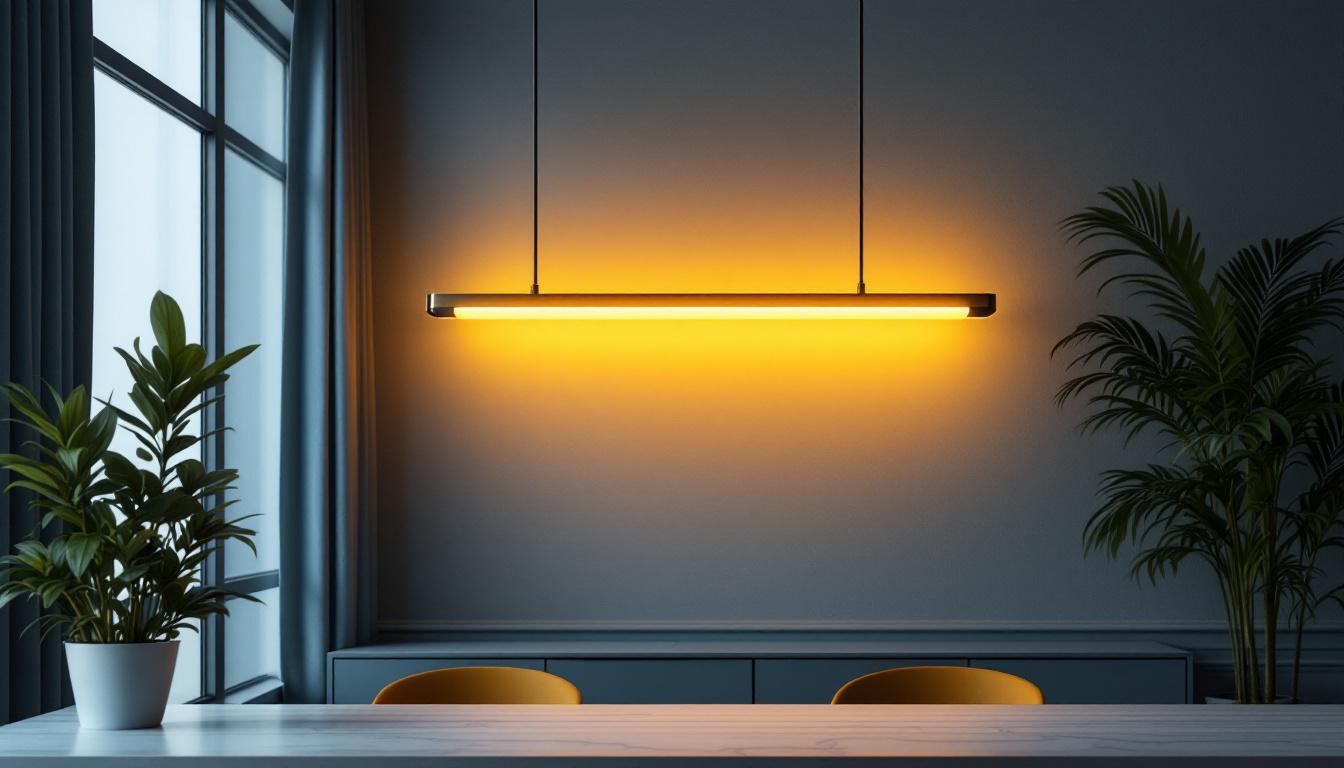
Long pendant lights are characterized by their elongated shape and are often used to illuminate dining areas, kitchen islands, and commercial spaces. Their design allows for a broader distribution of light, making them ideal for both task and ambient lighting.
Design Versatility
One of the most appealing features of long pendant lights is their versatility in design. Available in various materials, colors, and styles, they can complement any interior theme—from industrial to contemporary. Lighting contractors should be familiar with the different options available to recommend the best fit for their clients’ spaces.
For instance, metal finishes can add a sleek, modern touch, while glass or fabric shades can introduce warmth and texture. Understanding the client’s vision and the overall aesthetic of the space is crucial in selecting the right pendant light. Furthermore, the choice of color can dramatically affect the mood of the room; warm tones can create a cozy atmosphere, while cooler shades can evoke a sense of calm and tranquility. Additionally, innovative designs featuring geometric shapes or mixed materials can serve as statement pieces, drawing attention and enhancing the overall decor.
Functionality and Placement
Long pendant lights are not just decorative; they serve a functional purpose as well. When considering placement, it is essential to assess the height of the ceiling and the intended use of the space. For dining areas, the general rule is to hang the pendant light approximately 30 to 36 inches above the table to ensure adequate illumination without obstructing views.
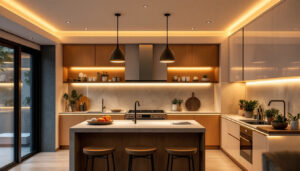
In kitchen settings, pendant lights can be strategically placed above islands or countertops to provide focused lighting for cooking and food preparation. Proper placement enhances both the functionality and aesthetics of the space, making it imperative for contractors to consider these factors during installation. Moreover, incorporating dimmable options can offer flexibility, allowing users to adjust the brightness according to the time of day or occasion. This adaptability not only enhances the user experience but also contributes to energy efficiency, making long pendant lights a practical choice for modern living spaces. Additionally, the integration of smart lighting technology can further elevate their functionality, enabling users to control lighting remotely or set schedules for automated lighting changes throughout the day.
Technical Considerations
When working with long pendant lights, several technical aspects must be taken into account to ensure optimal performance and safety. Understanding these elements will help contractors avoid common pitfalls and enhance their installation skills.
Wattage and Bulb Selection
The choice of bulbs is critical when installing long pendant lights. Contractors should be well-versed in the different types of bulbs available—incandescent, LED, and fluorescent—and their respective wattages. LED bulbs are increasingly popular due to their energy efficiency and longevity, making them a practical choice for clients looking to reduce energy costs.
It is also essential to consider the brightness level required for the space. Contractors should educate clients on lumens and how they relate to the brightness of the light. A well-lit area enhances functionality and creates a welcoming atmosphere. Furthermore, the color temperature of the bulbs can significantly influence the mood of a room. Warmer tones can create a cozy environment, while cooler tones are often preferred in workspaces for their clarity and focus-enhancing properties. This nuanced understanding of lighting can help contractors make tailored recommendations that align with the client’s vision.
Electrical Requirements
Before installation, contractors must ensure that the electrical system can support the new fixtures. This includes checking the wiring and ensuring that the circuit can handle the load of the pendant lights. It may be necessary to upgrade the electrical system if the current setup is inadequate.
Additionally, understanding local building codes and regulations is vital. Compliance with these codes ensures safety and can prevent costly rework or fines. Contractors should stay informed about any changes in regulations that may affect their projects. Moreover, it is advisable to conduct a load calculation to ascertain the total wattage of all fixtures on a circuit. This proactive approach can prevent overloads and potential hazards. By engaging in thorough planning and consultation with electrical engineers when necessary, contractors can ensure that their installations not only meet aesthetic goals but also adhere to safety standards and operational efficiency.
Installation Techniques
Proper installation of long pendant lights is crucial for both safety and functionality. A well-executed installation enhances the overall aesthetic of the space and ensures that the lighting performs as intended. Pendant lights can serve as striking focal points in a room, providing not just illumination but also a design statement that complements the surrounding decor. The right installation technique can elevate the ambiance, making it essential to approach the task with care and attention to detail.
Tools and Equipment
Having the right tools is essential for a successful installation. Common tools required include a drill, screwdriver, wire stripper, and voltage tester. Additionally, safety equipment such as gloves and goggles should always be used to protect against potential hazards. Ensuring that all tools are in good working condition before starting the project can prevent delays and enhance safety. It’s also wise to have a helper on hand, as certain installations may require an extra set of hands to hold the fixture in place while securing it.
Contractors should also consider using a ladder or lift when working with high ceilings to ensure safety and precision during installation. Taking the time to gather the necessary tools beforehand can streamline the process and improve efficiency. Furthermore, having a flashlight handy can be beneficial, especially in dimly lit areas, allowing for better visibility when working with intricate wiring or mounting hardware.
Step-by-Step Installation Process
The installation process for long pendant lights typically involves several key steps. First, it is essential to turn off the power at the circuit breaker to ensure safety. Next, the existing fixture, if any, should be removed carefully, taking note of how the wiring is configured. Documenting the wiring setup with photos can be a helpful reference when connecting the new fixture. It’s also a good practice to check for any signs of wear or damage in the existing wiring, as this could pose safety risks in the future.
Once the old fixture is removed, the new pendant light can be prepared for installation. This involves connecting the wiring according to the manufacturer’s instructions, ensuring that all connections are secure and properly insulated. It’s important to use wire nuts or electrical tape to cover any exposed wires, preventing accidental contact. Finally, the pendant light should be mounted to the ceiling, and the power can be restored to test the fixture. After installation, adjusting the height of the pendant light is key; it should hang at a level that provides optimal illumination while allowing for comfortable movement beneath it. This attention to detail not only enhances functionality but also contributes to the overall design harmony of the space.
Trends in Long Pendant Lighting
Staying updated on the latest trends in long pendant lighting can give contractors a competitive edge. Clients often seek modern solutions that reflect current design preferences, and being knowledgeable about these trends can help in making informed recommendations.
Minimalist Designs
Minimalism continues to dominate interior design, and long pendant lights are no exception. Sleek, simple designs with clean lines are favored by many homeowners and businesses. These fixtures often feature neutral colors and unobtrusive shapes, allowing them to blend seamlessly into various environments.
Contractors should be prepared to showcase minimalist options that provide effective lighting without overwhelming the space. Highlighting the benefits of such designs can resonate with clients looking for understated elegance.
Smart Lighting Solutions
With the rise of smart home technology, integrating smart lighting solutions into long pendant lights is becoming increasingly popular. These systems allow users to control their lighting remotely, adjust brightness levels, and even change colors to suit different moods or occasions.
Contractors should familiarize themselves with the various smart lighting options available and how to install them effectively. Educating clients on the benefits of smart lighting can enhance their overall experience and satisfaction with the project.
Maintenance and Care
Proper maintenance of long pendant lights is essential to ensure their longevity and continued performance. Contractors should provide clients with guidance on how to care for their fixtures, helping to prevent common issues that can arise over time.
Cleaning Techniques
Dust and grime can accumulate on pendant lights, affecting their appearance and light output. Clients should be advised to clean their fixtures regularly, using a soft cloth and mild cleaning solution to avoid damaging the finish. For glass shades, a glass cleaner can be used to maintain clarity and shine.
It is also important to remind clients to check the bulbs periodically and replace them as needed. This simple maintenance task can significantly impact the overall effectiveness of the lighting.
Addressing Common Issues
Even with proper care, issues can arise with long pendant lights. Flickering lights, for instance, may indicate a problem with the bulb or wiring. Contractors should be prepared to troubleshoot these common issues and provide clients with solutions.
Educating clients on how to identify potential problems can empower them to address issues promptly, ensuring their lighting remains functional and aesthetically pleasing.
Conclusion
Long pendant lights are a versatile and stylish choice for various spaces, making them a valuable addition to any lighting contractor’s repertoire. By understanding the design, technical, and installation considerations associated with these fixtures, contractors can enhance their service offerings and meet the evolving needs of their clients.
Staying informed about trends, maintenance, and common issues will further empower contractors to provide exceptional service. As the demand for innovative lighting solutions continues to grow, being knowledgeable about long pendant lights will ensure that contractors remain at the forefront of the industry.
Ultimately, the ability to recommend, install, and maintain long pendant lights effectively can lead to increased client satisfaction and a thriving business in the competitive world of lighting design.
Illuminate Your Projects with LumenWholesale
Ready to elevate your lighting projects with the stylish versatility of long pendant lights? At LumenWholesale, we provide lighting contractors like you with the highest quality, spec-grade lighting products at prices that can’t be beaten. Say goodbye to local distributor markups and hello to our extensive selection that meets rigorous industry standards. With free shipping on bulk orders, you can trust that you’re getting premium lighting solutions at the best value, with no hidden fees. Make your next project shine and experience the best in wholesale lighting with LumenWholesale.