Understanding the Type C Bulb 7 Watt: What Sets It Apart?
Type C bulbs, especially the 7-watt variants, have carved out a distinct niche in the lighting industry. Unlike traditional bulbs, these are designed with an external driver that controls the LED module. This separation between the driver and the bulb itself offers flexibility in installation and maintenance, which is a game-changer for lighting contractors.
For contractors, the 7-watt Type C bulb strikes a balance between energy efficiency and brightness. It’s powerful enough for many residential and commercial applications without consuming excessive power. This wattage level is particularly popular for accent lighting, under-cabinet illumination, and small-scale task lighting.
One key feature to note is the compatibility of Type C bulbs with dimmer switches and smart lighting systems. Because the driver is external, it can be designed to accommodate a variety of control protocols, including DALI, 0-10V, and even wireless controls. This adaptability makes the 7-watt Type C bulb a versatile choice for smart lighting projects.
In addition to their technical advantages, Type C bulbs are also designed with longevity in mind. Typically, they boast a lifespan of up to 25,000 hours, which significantly reduces the frequency of replacements compared to traditional incandescent bulbs. This durability not only saves money in the long run but also minimizes waste, making them an environmentally friendly option. As sustainability becomes increasingly important in both residential and commercial settings, the Type C bulb stands out as a responsible choice for conscientious consumers.
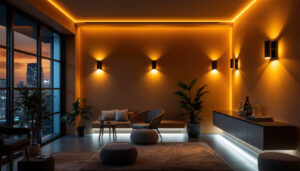
Moreover, the aesthetic appeal of Type C bulbs cannot be overlooked. Available in various color temperatures, from warm white to cool daylight, these bulbs can enhance the ambiance of any space. Whether you’re looking to create a cozy atmosphere in a living room or a bright, energizing environment in an office, the 7-watt Type C bulb offers the flexibility to meet diverse lighting needs. Additionally, their sleek design allows for seamless integration into a wide range of fixtures, further enhancing their appeal to designers and homeowners alike.
Why Lighting Contractors Should Favor Type C Bulbs
Enhanced Longevity and Maintenance Benefits
Type C bulbs tend to have longer lifespans compared to integrated LED bulbs. The external driver can be replaced independently of the bulb, which reduces waste and lowers maintenance costs. For contractors managing large installations, this modularity translates into fewer service calls and happier clients.
Additionally, the ability to swap out drivers means that if a driver fails, the entire lighting fixture doesn’t need to be replaced. This is especially valuable in commercial settings where downtime can be costly. The modular design not only simplifies repairs but also allows for easy upgrades as technology advances, ensuring that clients can keep their lighting systems current without the need for complete overhauls. This adaptability is crucial in environments such as retail spaces, where lighting trends can change rapidly to enhance product displays and customer experiences.
Energy Efficiency and Cost Savings
At 7 watts, these bulbs provide sufficient illumination while consuming a fraction of the energy used by incandescent or halogen bulbs. For contractors, recommending Type C bulbs can help clients meet energy codes and sustainability goals without sacrificing light quality.
Energy savings also mean lower operational costs for end-users. This is a strong selling point when pitching lighting upgrades or retrofits, especially in commercial buildings where lighting can account for a significant portion of electricity bills. Furthermore, the reduced energy consumption contributes to a smaller carbon footprint, aligning with the growing trend towards environmentally responsible business practices. As more organizations commit to sustainability, lighting contractors who advocate for Type C bulbs position themselves as forward-thinking partners in their clients’ green initiatives. The long-term benefits of using energy-efficient lighting not only enhance the appeal of a project but also support the broader movement towards energy conservation and environmental stewardship.
Installation Hacks for Smart Lighting Contractors
Pre-Planning Driver Locations
Since the driver is external, its placement can affect both aesthetics and functionality. Contractors should pre-plan driver locations to ensure easy access for future maintenance while keeping wiring neat and hidden. Utilizing junction boxes or dedicated driver compartments can streamline installation and troubleshooting.
In retrofit projects, consider the existing infrastructure. Sometimes, drivers can be mounted remotely in ceilings or walls, reducing clutter around the fixture and improving heat dissipation. Additionally, it’s beneficial to take into account the potential for future upgrades. By selecting locations that are not only accessible but also strategically positioned, contractors can simplify the process of adding new technology or expanding the lighting system as client needs evolve.
Optimizing Wiring for Smart Controls
When integrating Type C bulbs into smart lighting systems, wiring strategy is crucial. Ensure that wiring supports the communication protocols of the driver, whether that’s DALI, 0-10V, or wireless modules. Labeling wires clearly during installation prevents confusion during commissioning and future upgrades.
Contractors should also test compatibility between bulbs, drivers, and control systems before finalizing installations. This proactive approach avoids costly callbacks and ensures smooth operation from day one. Furthermore, implementing a color-coded wiring system can enhance clarity and speed up troubleshooting, especially in complex installations where multiple circuits are involved. This small detail can save significant time and effort when addressing issues down the line.
Utilizing Modular Components for Scalability
One advantage of Type C bulbs is their modular design. Contractors can leverage this to create scalable lighting solutions. For example, in large office spaces, grouping multiple 7-watt bulbs with centralized drivers allows for zone-based control and energy management.
This modularity also facilitates phased installations. Clients can start with basic lighting and add smart controls or additional fixtures later without rewiring the entire system. Moreover, this approach allows contractors to offer tailored solutions that can grow with the client’s needs, enhancing customer satisfaction. By presenting modular options, contractors can also highlight the cost-effectiveness of incremental upgrades, making the initial investment more appealing to clients who may be hesitant about a full-scale installation.
Common Challenges and How to Overcome Them
Driver Compatibility Issues
Not all drivers are created equal. Using incompatible drivers can cause flickering, reduced bulb lifespan, or complete failure. Contractors should always verify the driver’s specifications against the bulb’s requirements. Checking manufacturer datasheets and consulting with suppliers can prevent mismatches.
When in doubt, testing a small batch of bulbs and drivers before a full installation is a prudent step. This hands-on approach can reveal subtle issues that datasheets might not cover. Additionally, keeping abreast of the latest advancements in driver technology can provide insights into more efficient options that may enhance overall performance. It’s also beneficial to establish a good relationship with suppliers who can offer guidance and support in selecting the right components for specific projects.
Heat Management Concerns
Though LEDs generate less heat than traditional bulbs, Type C bulbs still require proper heat dissipation, especially around the driver. Overheating can shorten the lifespan of both the driver and the LED module.
Contractors should ensure adequate ventilation around driver enclosures and avoid installing drivers in confined, unventilated spaces. Using metal driver housings or heat sinks can also improve thermal management. Furthermore, incorporating thermal sensors can provide real-time monitoring of temperature levels, allowing for proactive adjustments to prevent overheating. Educating clients about the importance of heat management can also lead to better installation practices and longer-lasting lighting solutions.
Addressing Dimming Compatibility
Dimming Type C bulbs can be tricky if the driver and dimmer switch aren’t compatible. Flickering or limited dimming ranges are common complaints.
To avoid this, select drivers specifically designed for dimming and pair them with compatible dimmer switches. Testing the dimming function under real-world conditions before installation helps ensure client satisfaction. Additionally, providing clients with information on how different dimming technologies work, such as trailing-edge versus leading-edge dimmers, can empower them to make informed decisions. This knowledge not only enhances the user experience but also fosters trust in the contractor’s expertise and recommendations.
Maximizing Client Satisfaction with Smart Lighting Solutions
Educating Clients on Benefits and Usage
Clients often appreciate understanding the advantages of their lighting systems. Contractors who explain how Type C bulbs save energy, reduce maintenance, and integrate with smart controls build trust and reduce support calls.
Providing simple guides or demonstrations on using dimmers, timers, or app controls can enhance the client experience and encourage proper use.
Offering Customized Lighting Designs
Type C bulbs enable contractors to create tailored lighting schemes. Whether it’s adjusting brightness levels, color temperatures, or zoning, the flexibility of these bulbs supports a wide range of client preferences.
Using lighting design software to simulate outcomes can help clients visualize the final result and make informed decisions.
Leveraging Warranty and Support Services
Many Type C bulb manufacturers offer robust warranties and technical support. Contractors should familiarize themselves with these services to provide clients with confidence in their investment.
Promptly addressing issues covered under warranty not only protects clients but also enhances the contractor’s reputation for reliability.
Future-Proofing Lighting Installations
Smart lighting technology continues to evolve rapidly. Choosing Type C bulbs with modular drivers positions contractors and their clients to adapt to emerging standards and innovations without full system overhauls.
Investing time in understanding the latest communication protocols and driver technologies ensures that installations remain relevant and functional for years to come.
In summary, the Type C Bulb 7 Watt offers lighting contractors a versatile, efficient, and maintainable solution for modern lighting projects. By mastering installation techniques, anticipating challenges, and focusing on client education, contractors can deliver smart lighting systems that stand the test of time.
Illuminate Your Projects with LumenWholesale
Ready to elevate your lighting installations with the versatile and efficient Type C Bulb 7 Watt? Look no further than LumenWholesale, where we provide spec-grade lighting products that meet the highest industry standards. Our commitment to quality, affordability, and convenience ensures that you get the best value for your bulk purchases, with free shipping to boot. Don’t let inflated markups dim your project’s potential. Choose LumenWholesale for premium lighting solutions that shine brighter and last longer. Wholesale Lighting at the Best Value is just a click away.