Understanding Vapor Resistant Lighting: What Every Contractor Should Know
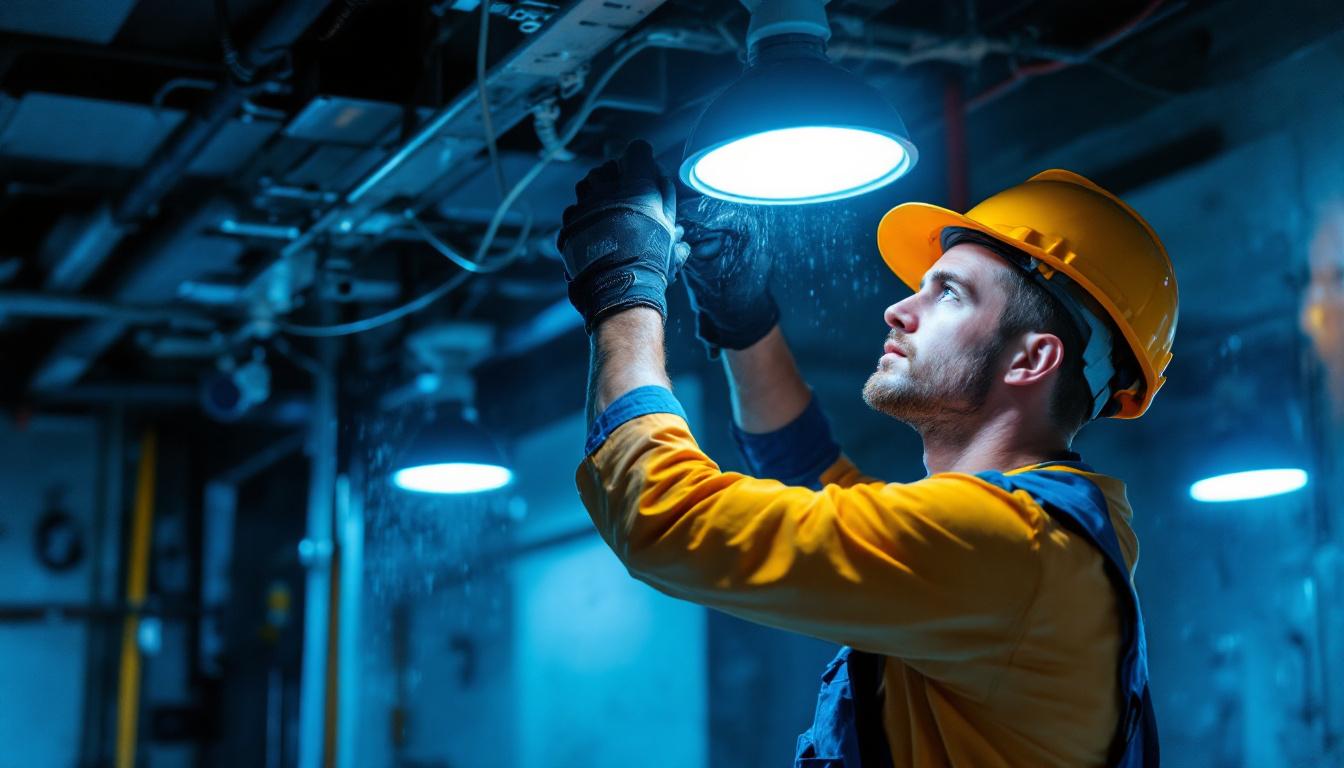
Lighting contractors frequently encounter environments where moisture and vapor pose significant challenges to lighting installations. Vapor resistant lighting fixtures are specially designed to withstand these conditions, preventing moisture ingress that can compromise electrical components and reduce fixture lifespan. For contractors, understanding the nuances of vapor resistant lighting is essential to ensure safety, compliance, and durability.
Vapor resistant fixtures are commonly used in areas such as kitchens, bathrooms, laundry rooms, and certain commercial or industrial spaces where humidity levels are elevated. Unlike standard fixtures, these units feature sealed housings and gaskets that prevent vapor from entering the fixture’s internal components. This design not only protects the fixture but also reduces the risk of electrical hazards caused by moisture accumulation.
Additionally, vapor resistant lighting plays a key role in meeting building codes and standards. The National Electrical Code (NEC) and other regulatory bodies often require vapor resistant fixtures in specific applications to maintain safety and performance. Lighting contractors must be well-versed in these requirements to avoid costly rework and ensure client satisfaction.
Moreover, the selection of appropriate vapor resistant lighting goes beyond just compliance; it also involves understanding the specific needs of the environment. For instance, in food processing facilities, fixtures must not only resist moisture but also be easy to clean and maintain to prevent contamination. This means that contractors should consider materials that are resistant to corrosion and can withstand regular sanitization processes. Furthermore, energy efficiency is another critical factor. Many modern vapor resistant fixtures utilize LED technology, which not only provides superior illumination but also significantly reduces energy consumption, making them an ideal choice for environmentally conscious clients.
In addition to the technical specifications, contractors should also be aware of the aesthetic aspects of vapor resistant lighting. While functionality is paramount, the visual appeal of fixtures can greatly influence the overall ambiance of a space. Many manufacturers now offer a variety of designs and finishes that can blend seamlessly with different interior styles, from industrial chic to contemporary elegance. By presenting clients with options that meet both their practical and aesthetic needs, contractors can enhance their service offerings and foster stronger client relationships.
The Do’s of Installing Vapor Resistant Lighting
Do Choose the Right Fixture for the Environment
Not all vapor resistant fixtures are created equal. Selecting the appropriate fixture depends on the specific conditions of the installation site. For example, a fixture rated for damp locations may not be suitable for wet locations where direct water exposure is possible. Understanding the difference between damp, wet, and dry location ratings is critical.
Fixtures rated for damp locations can handle moisture in the air but are not designed for direct water contact. Wet location fixtures, on the other hand, are sealed to prevent water ingress, making them suitable for outdoor or high-moisture environments. Contractors should always verify the fixture’s rating and ensure it matches the installation environment to avoid premature failure.
Do Follow Manufacturer Installation Guidelines Meticulously
Each vapor resistant fixture comes with manufacturer-specific installation instructions designed to maximize performance and longevity. These guidelines often include details about mounting methods, sealing techniques, and compatible accessories. Ignoring these instructions can lead to improper sealing, allowing vapor to penetrate the fixture and cause damage.
For example, some fixtures require the use of specific gaskets or sealants during installation. Using generic materials or skipping these steps can compromise the vapor barrier. Lighting contractors should also ensure that all wiring connections are secure and protected, as moisture can exacerbate electrical faults if not properly managed.
Do Perform Thorough Site Assessments Before Installation
Before installing vapor resistant lighting, contractors should conduct comprehensive site evaluations to identify potential moisture sources and environmental conditions. This assessment includes checking for leaks, condensation points, and ventilation adequacy. Addressing these factors before installation can prevent future issues and enhance fixture performance.
For instance, installing vapor resistant lighting in a bathroom without proper ventilation may still lead to moisture buildup inside the fixture. In such cases, recommending or coordinating the installation of exhaust fans or dehumidifiers can be a value-added service that improves overall system reliability.
The Don’ts of Vapor Resistant Lighting Installation
Don’t Use Non-Rated Fixtures in Moisture-Prone Areas
One of the most common mistakes contractors make is installing standard lighting fixtures in environments that demand vapor resistant models. This oversight can lead to rapid fixture deterioration, electrical hazards, and code violations. Non-rated fixtures lack the necessary seals and protective features to handle moisture, making them unsuitable for damp or wet locations.
Using non-rated fixtures not only jeopardizes safety but also risks client dissatisfaction and potential liability issues. Lighting contractors should always verify fixture ratings and educate clients on the importance of using vapor resistant products in appropriate settings.
Don’t Neglect Proper Sealing and Maintenance
Even the best vapor resistant fixtures require proper sealing during installation and ongoing maintenance to remain effective. Failing to install gaskets correctly or neglecting to inspect seals over time can allow vapor to infiltrate the fixture, leading to corrosion and electrical failures.
Maintenance routines should include periodic inspections of seals, cleaning to remove dust and debris, and testing for moisture ingress. Contractors can offer maintenance services or educate clients on the importance of regular upkeep to extend fixture life and maintain safety.
Don’t Overlook Compatibility with Other Systems
Vapor resistant lighting does not operate in isolation. It must be compatible with other building systems such as HVAC, ventilation, and electrical wiring. Overlooking these interactions can result in moisture problems that negate the benefits of vapor resistant fixtures.
For example, improper HVAC settings can cause temperature fluctuations that promote condensation inside fixtures. Coordinating with other trades and ensuring that lighting installations align with overall building system design is a best practice that lighting contractors should adopt.
Key Considerations for Lighting Contractors When Specifying Vapor Resistant Fixtures
Assessing Environmental Conditions Accurately
Accurate assessment of environmental conditions is the foundation of specifying the right vapor resistant lighting. Contractors should evaluate factors such as humidity levels, temperature variations, exposure to water spray, and potential chemical vapors. This comprehensive understanding guides the selection of fixtures with appropriate Ingress Protection (IP) ratings and material construction.
For example, stainless steel fixtures may be preferred in corrosive environments such as food processing plants, while polycarbonate lenses offer impact resistance in industrial settings. Matching fixture materials and ratings to site conditions ensures durability and compliance.
Understanding Compliance and Certification Requirements
Compliance with local codes and standards is non-negotiable. Contractors must familiarize themselves with relevant regulations, including NEC requirements, Underwriters Laboratories (UL) listings, and other certification programs that govern vapor resistant lighting. Using certified fixtures not only ensures safety but also facilitates inspections and approvals.
Moreover, some projects may require energy-efficient vapor resistant lighting solutions to meet sustainability goals or rebate programs. Staying informed about these incentives can help contractors provide cost-effective and compliant solutions to clients.
Incorporating Energy Efficiency and Technology Advancements
Modern vapor resistant lighting fixtures often integrate LED technology, which offers superior energy efficiency, longer lifespan, and reduced maintenance compared to traditional incandescent or fluorescent options. Lighting contractors should prioritize LED vapor resistant fixtures to deliver enhanced performance and client savings.
Additionally, smart lighting controls such as occupancy sensors and dimmers can be incorporated to optimize energy use in moisture-prone areas. Understanding these technologies and their compatibility with vapor resistant fixtures is essential for delivering state-of-the-art lighting solutions.
Common Challenges and How to Overcome Them
Dealing with Condensation Inside Fixtures
Condensation can form inside vapor resistant fixtures if temperature differentials exist between the interior and exterior environments. This moisture accumulation can cause corrosion and electrical shorts. To mitigate this, contractors should ensure that fixtures are properly sealed and consider installing vapor barriers or insulation where appropriate.
In some cases, using fixtures with built-in desiccants or ventilation features can help manage internal moisture. Identifying and addressing the root causes of condensation during the design and installation phases is critical for long-term reliability.
Ensuring Long-Term Seal Integrity
Seal degradation over time due to UV exposure, temperature cycling, or mechanical wear can compromise vapor resistance. Contractors should specify fixtures with durable sealing materials and design features that facilitate easy seal replacement during maintenance.
Regular inspection schedules and client education on the importance of seal integrity can prevent unexpected failures. Providing maintenance contracts or service agreements can also be a valuable offering for contractors seeking to build lasting client relationships.
Balancing Aesthetics and Functionality
In residential and commercial applications, aesthetics often influence fixture selection. However, prioritizing appearance over vapor resistance can lead to suboptimal outcomes. Contractors should guide clients toward fixtures that blend style with performance, ensuring that vapor resistant features do not compromise the overall design vision.
Many manufacturers now offer vapor resistant fixtures in a variety of styles and finishes, enabling contractors to meet both functional and aesthetic requirements. Staying current with product offerings allows contractors to provide comprehensive solutions that satisfy diverse client needs.
Conclusion: Best Practices for Lighting Contractors
Vapor resistant lighting is a critical component in ensuring safe, durable, and code-compliant lighting installations in moisture-prone environments. Lighting contractors must approach these projects with a thorough understanding of fixture ratings, environmental conditions, and installation best practices.
By selecting the right fixtures, adhering to manufacturer guidelines, conducting detailed site assessments, and maintaining ongoing care, contractors can avoid common pitfalls that compromise fixture performance. Additionally, embracing energy-efficient technologies and coordinating with other building systems enhances the overall success of vapor resistant lighting installations.
Ultimately, a proactive and informed approach not only protects the investment in lighting infrastructure but also enhances client satisfaction and reinforces the contractor’s reputation for quality workmanship.
Get Your Vapor Resistant Lighting from LumenWholesale
Ready to elevate your lighting installations with the best vapor resistant fixtures on the market? Look no further than LumenWholesale for a comprehensive selection that meets the highest industry standards. Our spec-grade lighting products come at unbeatable wholesale prices, ensuring you get the most value for your investment. With free shipping on bulk orders, you can stock up on top-quality lighting without the worry of hidden fees. Don’t compromise on quality or cost—choose LumenWholesale for reliable, high-performance lighting that makes every project shine. Wholesale Lighting at the Best Value is just a click away!