Introduction: The Rising Demand for Uplighting in Residential Spaces
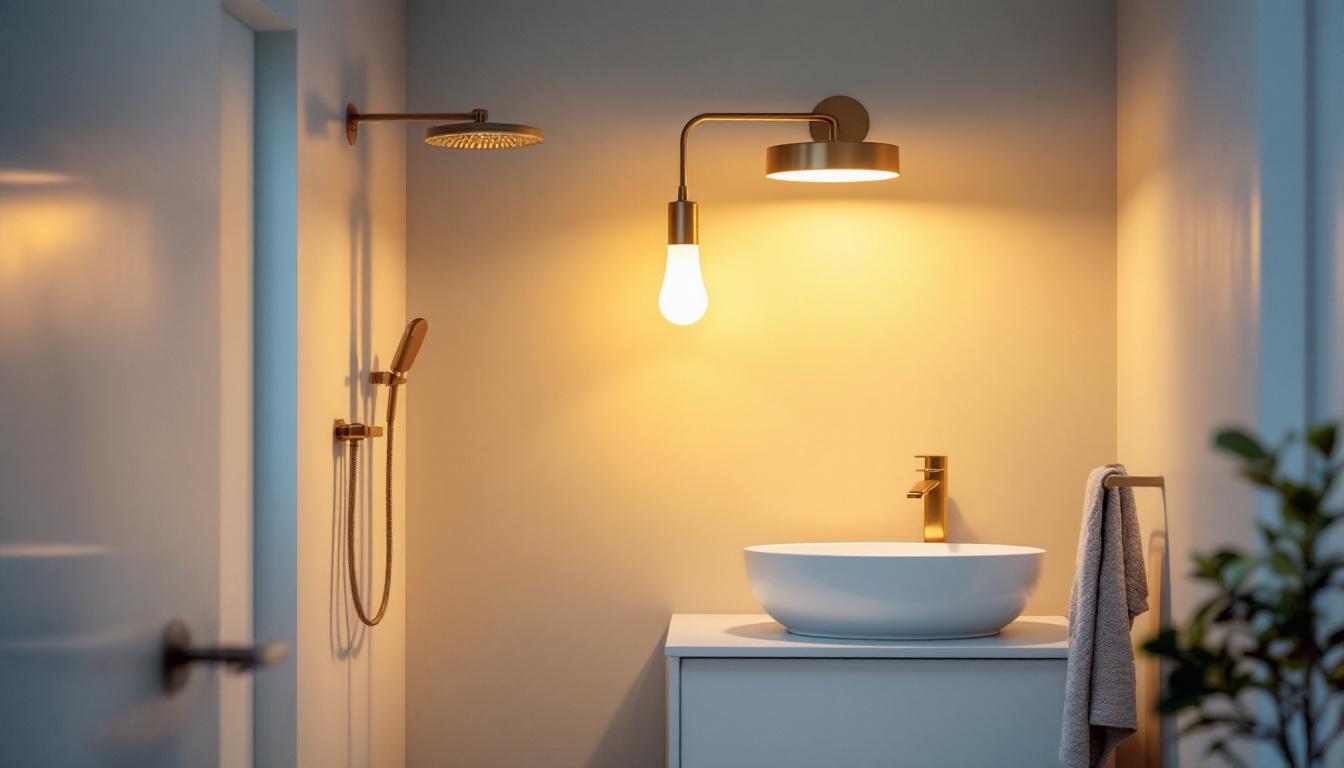
In the evolving landscape of residential lighting design, uplights have emerged as a pivotal element that lighting contractors must prioritize. Homeowners today are increasingly seeking lighting solutions that blend aesthetics, functionality, and energy efficiency. Uplights, which direct light upward to illuminate walls, ceilings, or architectural features, offer a versatile and sophisticated way to enhance living spaces.
For lighting contractors, understanding the benefits and applications of uplights is essential to meeting client expectations and staying competitive in the market. This article explores five compelling reasons why uplights should be a top priority in home lighting projects, backed by practical insights and industry trends.
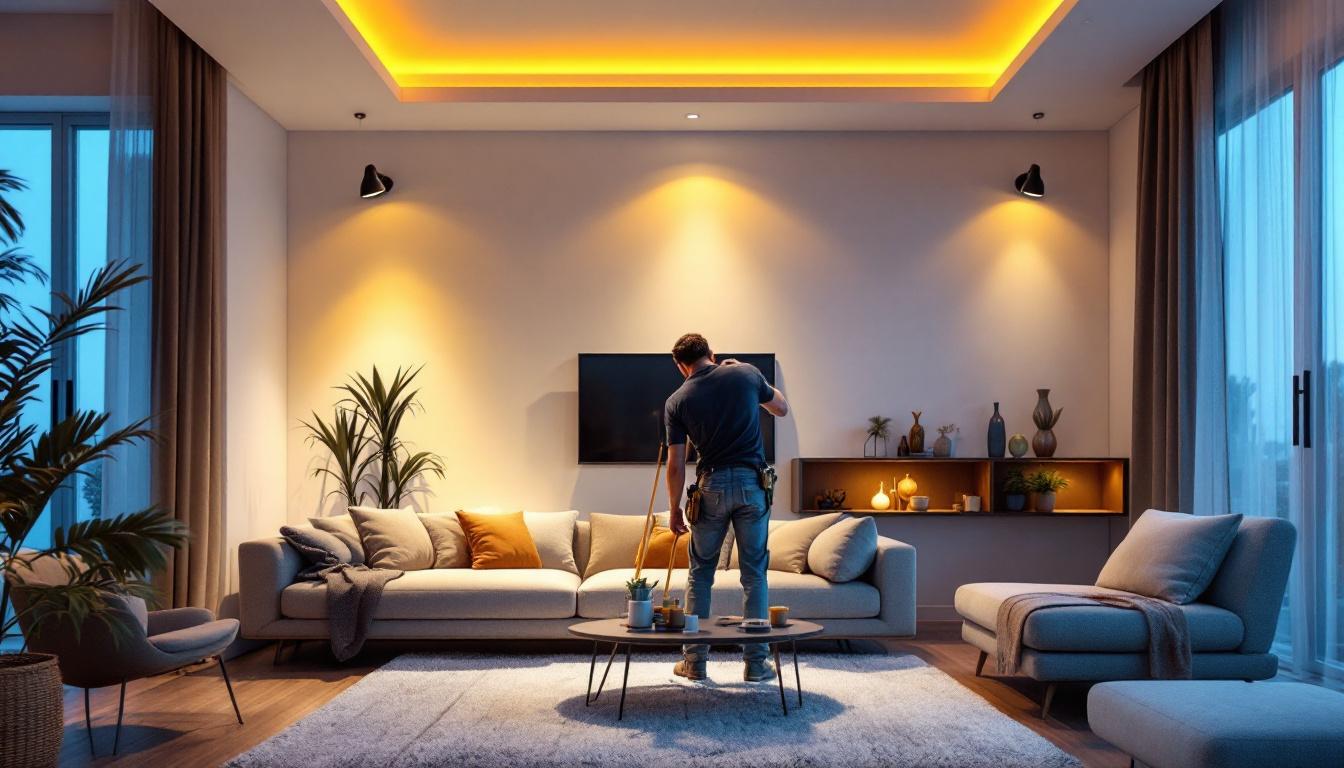
One of the most significant advantages of uplighting is its ability to create a sense of height and spaciousness in a room. By casting light upwards, uplights draw the eye toward the ceiling, making even smaller spaces feel more expansive. This effect is particularly beneficial in areas with lower ceilings or in rooms that lack natural light. Additionally, uplighting can be used strategically to highlight architectural details such as crown molding, beams, or textured walls, adding depth and character to the overall design.
Moreover, the versatility of uplights extends beyond mere aesthetics; they can also play a crucial role in setting the mood of a space. By adjusting the intensity and color of uplights, homeowners can create various atmospheres, from warm and inviting to cool and contemporary. This adaptability makes uplighting an ideal choice for multifunctional spaces, such as living rooms that serve as both entertainment areas and cozy retreats. As smart lighting technology continues to advance, the integration of uplights with programmable systems allows for even greater customization, enabling homeowners to switch between different lighting schemes with ease.
1. Enhancing Architectural Features and Interior Design
Highlighting Structural Elements
One of the primary advantages of uplights is their ability to accentuate architectural details such as textured walls, crown moldings, and ceiling beams. By casting light upward, uplights create depth and dimension, transforming flat surfaces into visually engaging focal points. This technique not only elevates the overall ambiance but also adds a layer of sophistication to a home’s interior.
Lighting contractors who skillfully integrate uplights can help homeowners showcase unique design elements that might otherwise go unnoticed. For example, uplighting a stone accent wall can bring out its natural texture, creating a warm and inviting atmosphere. Additionally, uplights can be strategically placed to highlight artwork or sculptures, drawing the eye and creating a gallery-like feel within the home. This not only enhances the aesthetic appeal but also allows for a more dynamic interaction with the space, as the shifting shadows and light create a living canvas that changes throughout the day.
Complementing Interior Decor
Uplights also work harmoniously with various interior styles, from modern minimalism to classic elegance. They provide soft, indirect illumination that reduces harsh shadows and glare, enhancing the comfort and visual appeal of living spaces. This subtle lighting approach is particularly effective in living rooms, dining areas, and bedrooms where a cozy, relaxed environment is desired.
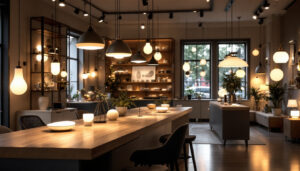
Moreover, the versatility of uplights allows them to be used in conjunction with other lighting sources, such as pendant lights or wall sconces, to create a layered lighting effect. This combination can enhance the functional aspects of a room while maintaining an inviting atmosphere. For instance, in a dining room, uplights can be used to illuminate the walls and ceiling, creating a warm glow that complements the overhead chandelier, making the space feel more intimate during dinner parties. The interplay of different light sources can also help to define areas within an open-concept layout, guiding the flow of movement and interaction throughout the home.
2. Improving Energy Efficiency and Sustainability
LED Technology Integration
Modern uplights predominantly utilize LED technology, which offers significant energy savings compared to traditional incandescent or halogen bulbs. LEDs consume less power, have longer lifespans, and produce less heat, making them an environmentally friendly option for residential lighting. This technology not only enhances the aesthetic appeal of spaces but also ensures that homes remain well-lit without the excessive energy drain associated with older lighting solutions.
Lighting contractors can leverage these benefits to design energy-efficient lighting schemes that reduce electricity bills and carbon footprints. Incorporating uplights with smart controls, such as dimmers and timers, further optimizes energy use by adjusting light output based on occupancy and natural light availability. Additionally, the ability to customize lighting settings allows homeowners to create the perfect ambiance for various occasions, from intimate gatherings to vibrant celebrations, all while maintaining a commitment to sustainability.
Meeting Green Building Standards
As sustainability becomes a priority in home construction and renovation, uplights can contribute to achieving green building certifications. Their energy efficiency aligns with standards set by organizations like LEED and ENERGY STAR, which increasingly influence homeowner choices and regulatory requirements. By integrating uplighting solutions that meet these standards, builders and designers not only enhance the marketability of their projects but also foster a healthier living environment.
Moreover, the use of uplights can extend beyond mere compliance with regulations. Many homeowners are now looking for ways to reduce their environmental impact, and incorporating energy-efficient lighting is a practical step in that direction. Uplights can also be designed to utilize sustainable materials and finishes, further enhancing their eco-friendly profile. This holistic approach to lighting design not only supports energy conservation but also promotes a lifestyle that values sustainability and responsible resource use, making it a win-win for both homeowners and the planet.
3. Enhancing Safety and Security
Illuminating Pathways and Entry Points
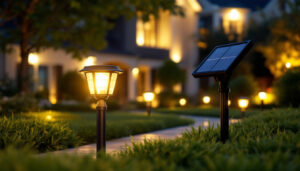
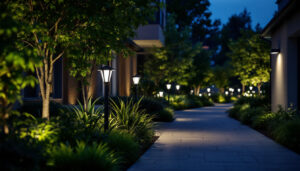
Uplights are not only decorative but also functional in enhancing home safety. When strategically placed along pathways, driveways, and entryways, uplights improve visibility and reduce the risk of accidents. Their upward beam can illuminate walls and fences, creating a well-lit perimeter that deters potential intruders. This added visibility is particularly beneficial during the darker months of the year when natural light is scarce, allowing homeowners to navigate their properties safely without the fear of tripping or falling.
For lighting contractors, recommending uplights as part of a comprehensive outdoor lighting plan addresses both aesthetic and security concerns, providing homeowners with peace of mind. Moreover, uplights can be integrated with smart home technology, allowing homeowners to control their lighting remotely. This feature not only enhances convenience but also adds an extra layer of security; homeowners can program their uplights to turn on and off at specific times, creating the illusion that someone is home even when they are away.
Reducing Glare and Light Pollution
Unlike floodlights or downward-facing fixtures that can cause glare and light trespass, uplights offer controlled illumination that minimizes light pollution. This is particularly important in residential neighborhoods where excessive lighting can disturb neighbors and wildlife. By prioritizing uplights, contractors can design lighting solutions that balance safety with environmental responsibility. The use of energy-efficient LED uplights further contributes to this balance, as they consume less power and have a longer lifespan compared to traditional lighting options.
Additionally, uplights can be used to highlight specific features of the landscape, such as trees, shrubs, or architectural elements of the home, creating a visually appealing nighttime environment while maintaining low levels of intrusive light. This thoughtful approach not only enhances the beauty of the property but also fosters a sense of community, as well-lit neighborhoods are often perceived as safer and more inviting. As homeowners become increasingly aware of their environmental footprint, the choice of uplights becomes a proactive step toward sustainable living, allowing them to enjoy their outdoor spaces without compromising on ecological integrity.
4. Versatility in Installation and Application
Indoor and Outdoor Flexibility
Uplights are remarkably versatile and can be installed in various locations both inside and outside the home. Indoors, they are commonly used in coves, under cabinets, or behind furniture to create ambient lighting. Outdoors, uplights highlight landscaping features, trees, and architectural facades.
This flexibility allows lighting contractors to tailor solutions to diverse client needs and preferences. Whether the project involves a new build or a retrofit, uplights can be seamlessly integrated to complement existing designs.
Compatibility with Smart Home Systems
Another advantage is the compatibility of uplights with modern smart home technologies. Lighting contractors can install uplights that connect to home automation systems, enabling homeowners to control lighting scenes, colors, and intensity remotely. This integration enhances user experience and adds value to residential properties.
5. Increasing Property Value and Market Appeal
Boosting Curb Appeal
Effective uplighting significantly enhances a home’s curb appeal by highlighting exterior features and landscaping after dark. This visual enhancement can make a property stand out in the real estate market, attracting potential buyers and increasing perceived value.
Lighting contractors who emphasize uplighting in exterior design contribute to creating memorable first impressions, which are critical in competitive housing markets.
Supporting Homeowner Lifestyle and Wellbeing
Beyond aesthetics and value, uplights contribute to the overall wellbeing of homeowners by creating comfortable and inviting environments. Proper lighting influences mood, productivity, and relaxation. By prioritizing uplights, contractors help clients enjoy their living spaces to the fullest, fostering satisfaction and long-term loyalty.
Conclusion: Why Lighting Contractors Should Prioritize Uplights
Uplights offer a unique combination of aesthetic appeal, energy efficiency, safety, versatility, and value enhancement that makes them indispensable in modern home lighting design. For lighting contractors, prioritizing uplights means meeting the evolving demands of homeowners who seek lighting solutions that are both beautiful and practical.
By mastering the installation and integration of uplights, contractors can differentiate their services, deliver superior results, and contribute to sustainable, safe, and stylish residential environments. As the lighting industry continues to innovate, uplights will undoubtedly remain a cornerstone of effective home lighting strategies.
Illuminate Your Projects with LumenWholesale
Ready to elevate your lighting projects with the superior aesthetic and performance of uplights? At LumenWholesale, we provide lighting contractors with the highest quality, spec-grade uplighting products at unbeatable wholesale prices. Say goodbye to middleman markups and hello to a vast selection of reliable lighting solutions that meet the most rigorous industry standards. With free shipping on bulk orders, you can stock up on premium lighting without any hidden fees. Don’t compromise on quality or value—choose LumenWholesale for a seamless blend of excellence and affordability. Wholesale Lighting at the Best Value is just a click away.