Understanding Up Lighting: What Makes It Essential Indoors
Up lighting is more than just a lighting technique; it’s a strategic tool that transforms indoor spaces by directing light upwards, creating depth, drama, and a sense of spaciousness. For lighting contractors, mastering up lighting means unlocking new possibilities for residential, commercial, and hospitality projects.
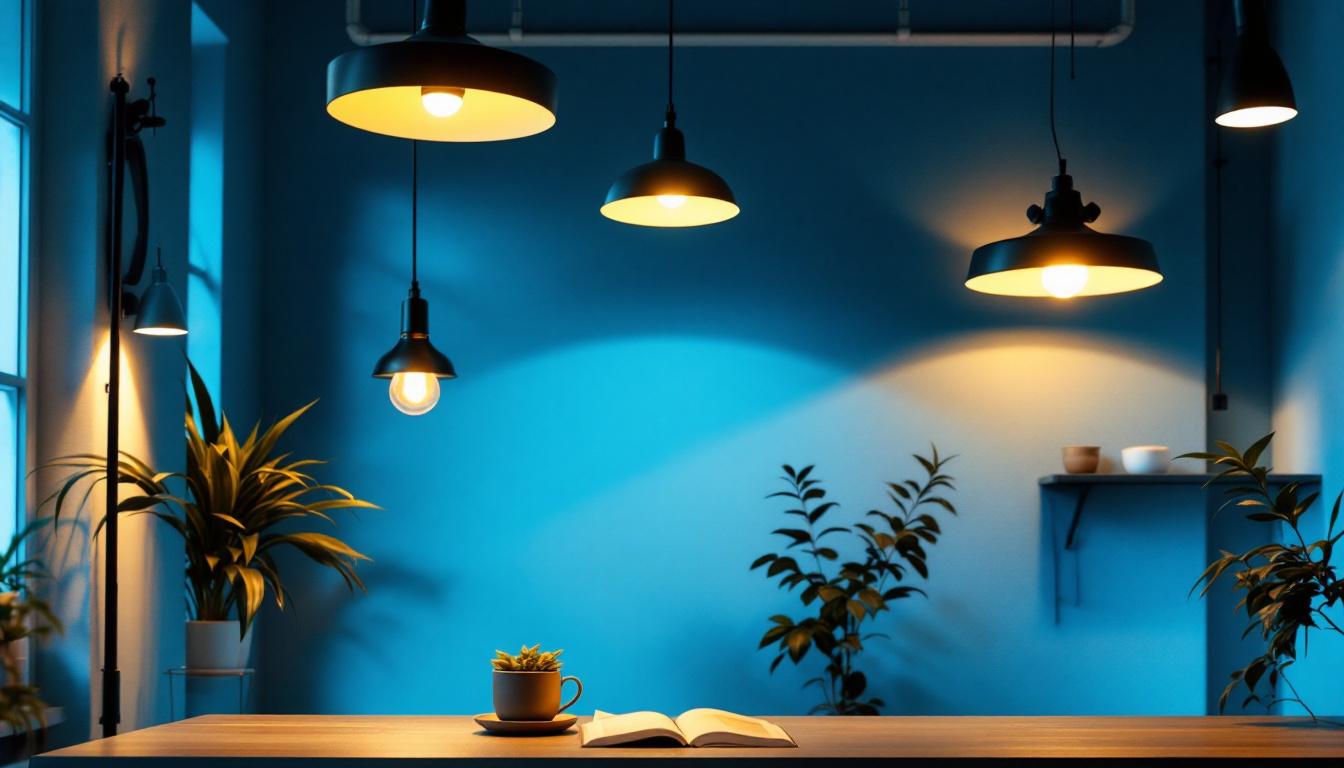
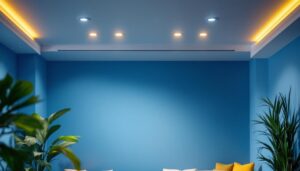
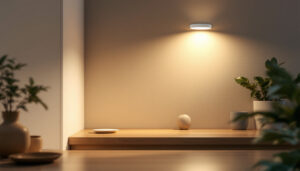
Unlike traditional downlighting, which focuses on illuminating surfaces or tasks, up lighting highlights architectural features, walls, and ceilings. This indirect lighting method softens shadows and reduces glare, making spaces feel inviting and elegant. It’s particularly effective in rooms with high ceilings or textured walls, where the upward light accentuates details that might otherwise go unnoticed. The interplay of light and shadow can create a dynamic atmosphere, enhancing the overall aesthetic of the space and drawing attention to unique design elements such as crown moldings, artwork, or decorative ceilings.
Why Up Lighting Matters for Contractors
Clients often seek lighting solutions that enhance ambiance without overwhelming the space. Up lighting offers a subtle yet impactful way to meet this demand. It’s versatile enough to complement various design styles—from modern minimalism to classic elegance—while also improving the overall lighting balance in a room. By using up lighting strategically, contractors can create zones within a space, allowing for a more tailored approach to illumination that suits the specific needs and activities of the occupants.
For contractors, understanding the nuances of up lighting can lead to better project outcomes, higher client satisfaction, and opportunities for upselling premium lighting fixtures and controls. It also positions contractors as experts who can advise on lighting strategies that go beyond basic illumination. Incorporating smart lighting technology into up lighting designs can further enhance the experience, allowing clients to adjust brightness and color temperature to suit their mood or occasion. This adaptability not only elevates the functionality of the space but also showcases the contractor’s commitment to innovative solutions that align with modern living trends.
Choosing the Right Fixtures for Indoor Up Lighting
Fixture selection is critical when planning an up lighting installation. The right fixture not only delivers the desired light effect but also fits seamlessly into the design and functional requirements of the space.
Types of Fixtures Suitable for Up Lighting
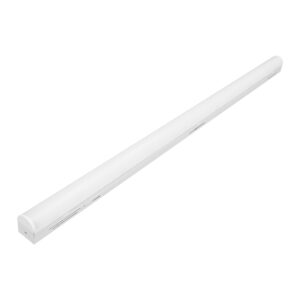
Wall washers, recessed uplights, and floor-mounted fixtures are common choices. Wall washers evenly distribute light across vertical surfaces, ideal for highlighting textured walls or artwork. Recessed uplights, often installed near baseboards or within architectural niches, provide a clean, unobtrusive look. Floor-mounted fixtures offer flexibility and can be repositioned if needed, making them popular in event spaces or adaptable environments.
LED technology dominates the market for up lighting due to its energy efficiency, longevity, and color versatility. Contractors should prioritize fixtures with adjustable beam angles and dimming capabilities to tailor the light precisely to the client’s needs. Additionally, some fixtures come with color-changing capabilities, allowing for a dynamic ambiance that can shift with the seasons or special occasions, enhancing the overall aesthetic appeal of the space.
Fixture Placement and Installation Tips
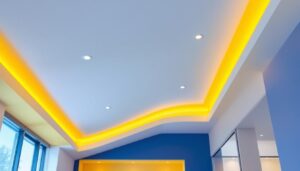
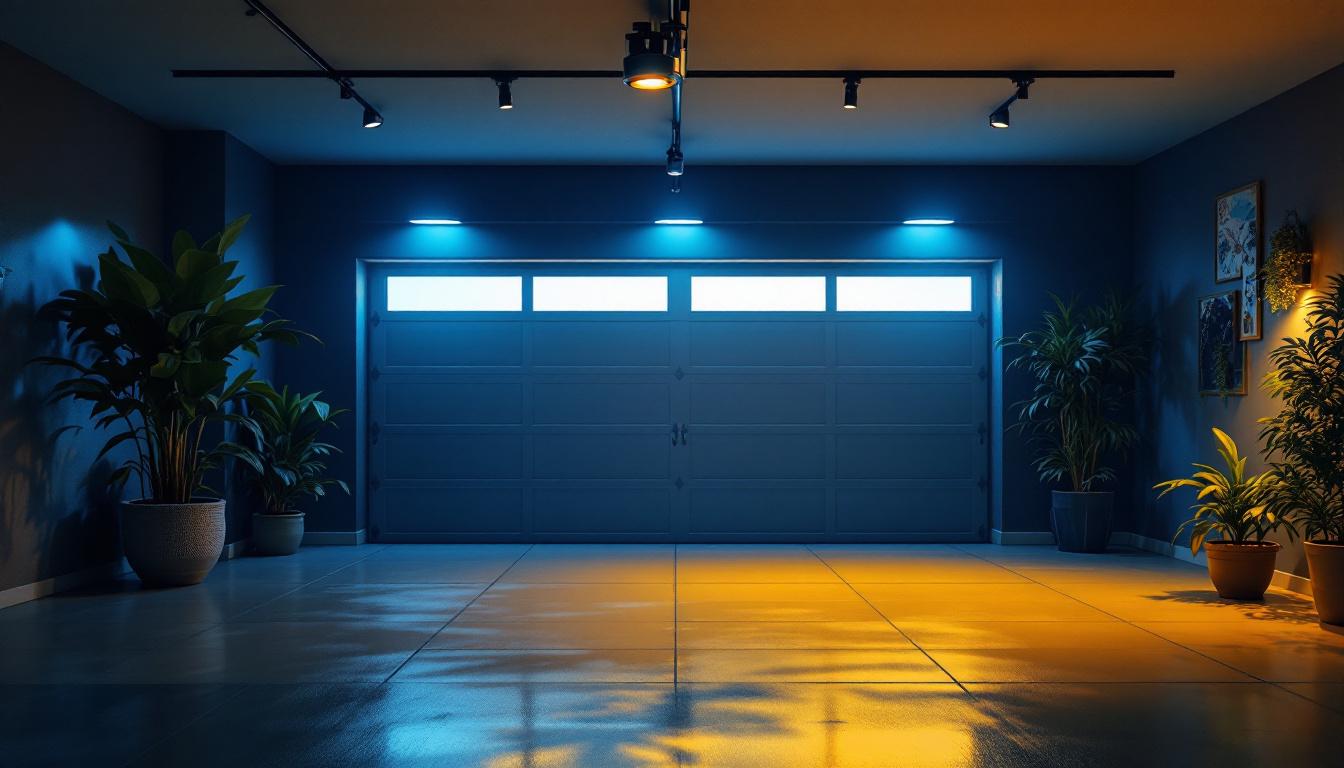
Proper placement is key to achieving a balanced and effective up lighting scheme. Fixtures should be positioned close enough to walls or architectural elements to create a smooth wash of light without harsh hotspots. For rooms with crown molding or textured ceilings, placing uplights near these features can produce dramatic shadows and highlights.
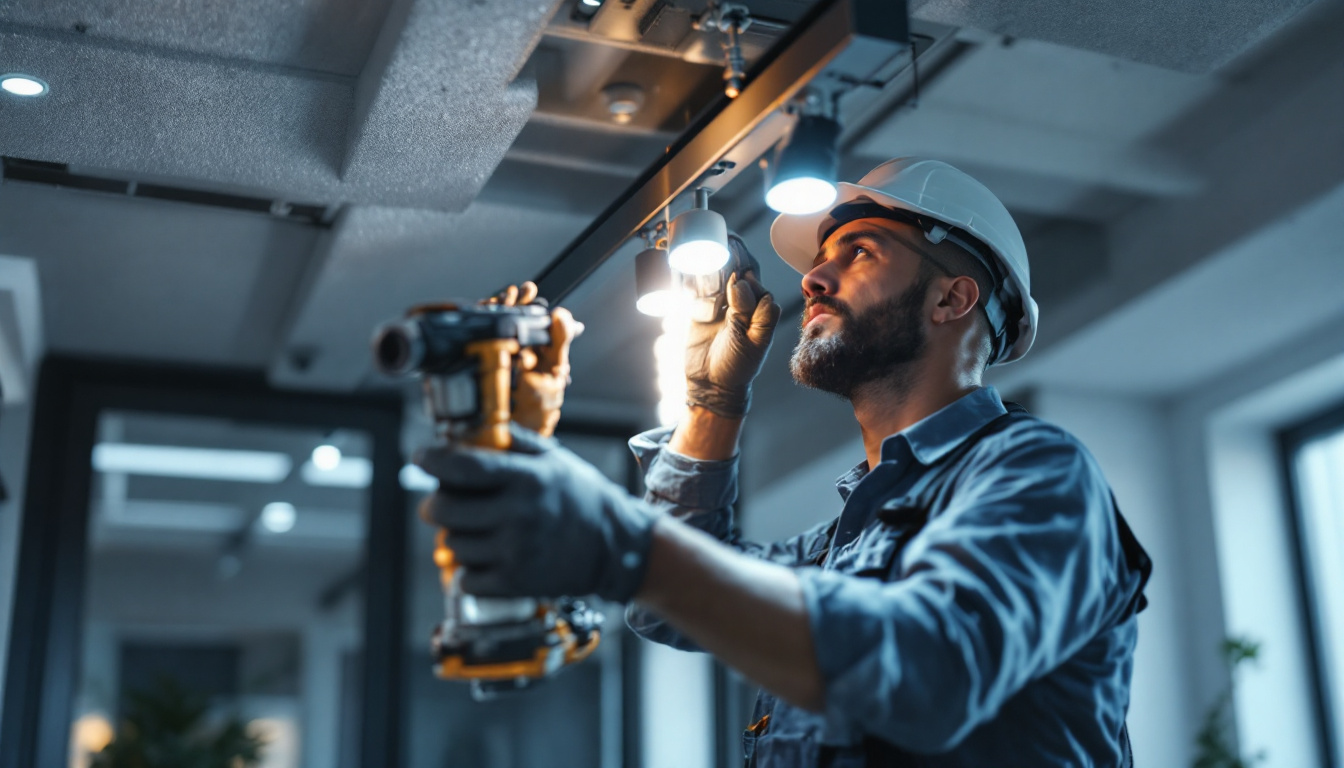
Installation must consider accessibility for maintenance and potential heat dissipation. Using low-profile fixtures can minimize visual clutter, especially in minimalist designs. Additionally, integrating fixtures with smart controls allows for dynamic lighting scenes that can be adjusted for different moods or times of day. It’s also beneficial to experiment with the positioning of fixtures during the installation process; temporarily placing them in various locations can help visualize the lighting effect before finalizing the setup. This trial-and-error approach can lead to discovering unique lighting angles that enhance the space in unexpected ways.
Furthermore, the choice of color temperature can significantly influence the atmosphere created by up lighting. Warmer tones can evoke a sense of coziness and intimacy, making them suitable for living areas or restaurants, while cooler tones can create a more modern and energetic vibe, perfect for office spaces or contemporary art galleries. Understanding the psychological effects of different lighting temperatures can help designers make informed decisions that align with the intended use of the space.
Electrical Considerations and Safety for Up Lighting
Lighting contractors must navigate electrical requirements carefully to ensure safety, code compliance, and optimal performance of up lighting installations.
Wiring and Power Supply
Up lighting fixtures generally require low-voltage wiring, especially when LED systems are used. This reduces heat output and allows for smaller gauge cables, simplifying installation in tight spaces. However, contractors should verify the power requirements of each fixture and ensure that transformers or drivers are correctly rated and installed.
It’s important to plan circuits to avoid overloading and to incorporate proper grounding and surge protection. Using dedicated circuits for lighting can prevent interference with other electrical systems and improve reliability. Additionally, contractors should consider the total wattage of all fixtures on a circuit to ensure that the load does not exceed the circuit’s capacity. This careful planning helps to mitigate the risk of tripped breakers and potential fire hazards, ensuring a safe and efficient lighting system.
Compliance with Electrical Codes and Standards
Adhering to local electrical codes is non-negotiable. This includes using fixtures and components certified by recognized testing laboratories, ensuring proper spacing from combustible materials, and following guidelines for moisture resistance in areas like bathrooms or kitchens.
Contractors should also be aware of energy codes that may dictate the use of high-efficiency lighting and controls. Incorporating dimmers, occupancy sensors, or daylight harvesting controls not only meets code requirements but also enhances energy savings and client satisfaction. Furthermore, understanding the nuances of these codes can provide contractors with a competitive edge, as clients increasingly seek sustainable and energy-efficient solutions. Staying updated with the latest revisions in electrical codes ensures that installations remain compliant and that contractors can confidently recommend the best practices for energy management, ultimately leading to long-term cost savings for clients.
Design Strategies: Creating Ambiance and Highlighting Features
Up lighting is a powerful design element that can dramatically influence the mood and perception of indoor spaces.
Layering Light for Depth and Dimension
Successful lighting design often involves layering different types of light-ambient, task, and accent. Up lighting serves as an accent layer that adds depth by illuminating vertical surfaces and architectural details. When combined with downlighting and wall sconces, it creates a balanced and dynamic environment.
For example, in a living room, up lighting can highlight a textured stone wall or a series of framed artworks, while downlighting provides general illumination. This interplay of light sources makes the space feel more inviting and visually interesting.
Color Temperature and Mood
Choosing the right color temperature is crucial. Warm white (2700K to 3000K) tends to create cozy, intimate atmospheres, ideal for residential or hospitality settings. Cooler temperatures (3500K to 4000K) work well in commercial spaces where clarity and alertness are priorities.
With LED fixtures, contractors can offer tunable white options, allowing clients to adjust color temperature throughout the day. This flexibility supports circadian rhythms and enhances occupant comfort.
Common Challenges and How to Overcome Them
While up lighting offers many benefits, contractors often encounter challenges that require careful planning and problem-solving.
Avoiding Glare and Uneven Light Distribution
Improper fixture placement or beam angle can cause glare or create harsh shadows. Using fixtures with adjustable optics and testing light angles during installation can mitigate these issues. Diffusers or frosted lenses also help soften light output.
Integrating Up Lighting with Existing Systems
Retrofitting up lighting into existing electrical and lighting setups may present compatibility issues. Contractors should conduct thorough assessments of current wiring, control systems, and fixture types to ensure seamless integration. In some cases, upgrading to a centralized lighting control system can provide better management and flexibility.
Balancing Aesthetics with Functionality
Sometimes clients prioritize aesthetics over functionality or vice versa. Contractors must communicate clearly about the trade-offs and benefits of different lighting approaches. Offering mock-ups or lighting simulations can help clients visualize the final effect and make informed decisions.
Maintenance and Longevity of Up Lighting Installations
Ensuring that up lighting systems remain effective and safe over time is part of a contractor’s responsibility.
Routine Inspection and Cleaning
Dust and debris can accumulate on fixtures, reducing light output and altering color quality. Regular cleaning schedules, especially for floor-mounted or recessed uplights, maintain optimal performance. Inspecting wiring and connections periodically helps identify potential issues before they become serious.
Replacing Components and Upgrading Technology
LED fixtures have long lifespans, but eventual replacement of drivers or bulbs may be necessary. Contractors should advise clients on expected maintenance intervals and recommend upgrades that improve energy efficiency or add new features, such as smart controls or enhanced color rendering.
Conclusion: Elevating Indoor Spaces with Expert Up Lighting
Up lighting is a versatile and impactful technique that lighting contractors can leverage to enhance indoor environments. By selecting the right fixtures, adhering to electrical standards, and applying thoughtful design strategies, contractors deliver solutions that delight clients and elevate spaces.
Mastering the challenges and maintenance of up lighting ensures installations remain beautiful and functional for years. This expertise not only builds trust but also opens doors to innovative projects and satisfied customers.
Illuminate Your Projects with LumenWholesale
Ready to take your up lighting projects to the next level? At LumenWholesale, we provide lighting contractors with the highest quality, spec-grade lighting products at prices that can’t be beaten. Say goodbye to local distributor markups and hello to our extensive selection that meets rigorous industry standards. With free shipping on bulk orders, you can trust that you’re getting premium lighting at the best value — no hidden fees, no compromises. Elevate your indoor spaces with the perfect blend of quality, affordability, and convenience. Discover the LumenWholesale difference and make your next project shine. Wholesale Lighting at the Best Value.