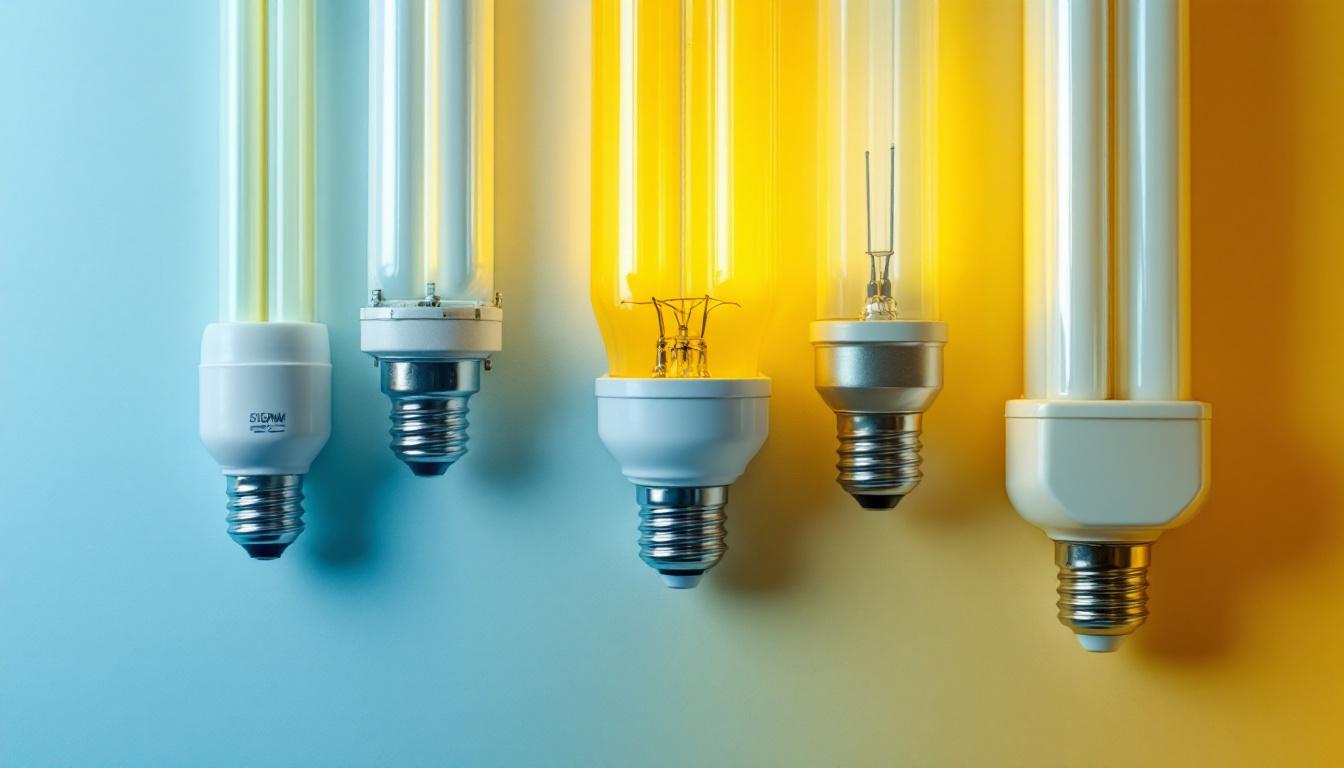
Introduction to Fluorescent Bulb Ends
Fluorescent lighting has been a cornerstone of commercial, industrial, and residential illumination for decades. Its energy efficiency, longevity, and brightness have made it a preferred choice among lighting contractors and facility managers alike. However, one aspect that often goes overlooked yet plays a crucial role in installation, maintenance, and compatibility is the type of fluorescent bulb ends.
Understanding the various types of fluorescent bulb ends is more than just a technical detail; it is a game-changer for the lighting industry. The design and configuration of these ends influence everything from fixture compatibility to ease of replacement, and even the overall lighting performance. For lighting contractors, mastering this knowledge can streamline projects, reduce errors, and improve client satisfaction.
Fluorescent bulb ends come in various configurations, including the popular bi-pin, G13, and T8 types, each designed to fit specific fixtures and applications. The bi-pin end, for example, is commonly used in T8 and T12 bulbs and features two pins that insert directly into the fixture socket. This design not only ensures a secure fit but also allows for quick and easy bulb changes, making it a favorite among maintenance teams. On the other hand, the G13 end, which is slightly longer and has a different pin spacing, is often found in larger commercial settings where high-output lighting is necessary. Understanding these distinctions helps professionals select the right bulb for their specific needs, ensuring optimal performance and energy efficiency.
Moreover, the advancements in fluorescent technology have led to the development of newer bulb ends that cater to specific applications, such as dimmable options or those designed for use in extreme temperatures. These innovations not only enhance the versatility of fluorescent lighting but also contribute to energy savings and reduced operational costs. For instance, a dimmable fluorescent bulb can adjust its brightness based on the time of day or the presence of natural light, allowing businesses to save on electricity bills while maintaining a comfortable atmosphere. As the industry continues to evolve, staying informed about these developments is essential for anyone involved in lighting design and installation.
Overview of Fluorescent Bulb End Types
Fluorescent bulbs come in different shapes and sizes, but their end types are standardized to ensure compatibility with fixtures and ballasts. The most common fluorescent bulb end types include bi-pin, single-pin, and recessed double contact (RDC). Each type has distinct characteristics that affect how the bulb fits into a fixture and how electrical connections are made.
These end types are often designated by codes such as G13, G5, or 2G11, which indicate the pin configuration and spacing. Recognizing these codes is essential for contractors to select the right bulb for a given fixture without guesswork.
Bi-Pin Ends
Bi-pin ends are the most prevalent type used in linear fluorescent tubes. They feature two pins on each end of the bulb, which insert into corresponding slots in the fixture. The spacing between the pins varies depending on the bulb size and type, with G13 being the standard for T8 and T12 tubes.
The simplicity of bi-pin ends makes them easy to install and replace, which is why they are widely used in offices, schools, and retail environments. Their design also supports a secure electrical connection, ensuring consistent performance. Additionally, bi-pin bulbs are available in various color temperatures, allowing users to choose lighting that best suits their needs, whether it’s a warm, inviting glow for a restaurant or bright, cool light for a workshop.
Single-Pin Ends
Single-pin ends are typically found in compact fluorescent lamps (CFLs) and some specialized linear tubes. Unlike bi-pin ends, these have a single pin on each end, which connects with a different type of socket. While less common in large-scale installations, single-pin ends are important in applications where space constraints or specific fixture designs exist.
These bulbs often provide unique advantages, such as a compact form factor that can fit into tighter spaces or fixtures with limited access. Furthermore, single-pin bulbs are frequently used in decorative lighting applications, where aesthetics play a crucial role. Their versatility allows for creative lighting solutions in both residential and commercial settings, making them a valuable option for designers and architects.
Recessed Double Contact (RDC) Ends
RDC ends are characterized by two recessed contacts on each end of the bulb. These are often used in compact fluorescent lamps and certain specialty tubes. The recessed design protects the contacts and provides a more secure connection, which is beneficial in environments subject to vibration or movement.
RDC bulbs are particularly popular in industrial settings, where durability and reliability are paramount. The recessed design minimizes the risk of damage to the pins, extending the lifespan of the bulb and reducing maintenance costs. Additionally, these bulbs often come in high-output versions, making them suitable for applications requiring intense illumination, such as in warehouses or large retail spaces. Their robust design ensures that they can withstand the rigors of demanding environments while still delivering efficient and effective lighting solutions.
Why Fluorescent Bulb Ends Matter to Lighting Contractors
For lighting contractors, understanding fluorescent bulb ends is not just about technical knowledge; it directly impacts project efficiency, cost-effectiveness, and safety. Selecting the wrong bulb end type can lead to installation delays, fixture damage, or even electrical hazards.
Ensuring Fixture Compatibility
Fixtures are designed to accommodate specific bulb end types. Using a bulb with incompatible ends can result in poor electrical contact or physical damage to the fixture. For example, attempting to fit a bi-pin bulb into a socket designed for single-pin ends will not only fail to light but may also damage the socket, leading to costly repairs.
By accurately identifying the required bulb end type, contractors can avoid these pitfalls, ensuring a smooth installation process and reliable lighting performance.
Streamlining Maintenance and Replacement
Maintenance is a significant part of lighting management, especially in commercial and industrial settings. Knowing the exact bulb end type simplifies inventory management and replacement procedures. Contractors can stock the correct bulbs, reducing downtime when replacements are needed.
Moreover, understanding the nuances of different end types allows for quicker troubleshooting. For instance, if a particular bulb type frequently fails due to poor contact, a contractor might recommend switching to a bulb with a more secure end design, such as an RDC.
Enhancing Electrical Safety
Incorrect bulb end selection can pose electrical risks, including short circuits or arcing. Proper end types ensure that electrical contacts are secure and insulated appropriately. This is especially critical in environments with high moisture or dust, where compromised connections could lead to hazards.
Lighting contractors who prioritize the correct bulb end types contribute to safer installations, protecting both the building occupants and the electrical infrastructure.
Impact on Lighting Performance and Energy Efficiency
The design of fluorescent bulb ends also influences lighting performance and energy consumption. While the bulb’s phosphor coating and gas fill primarily determine light quality, the electrical connection facilitated by the bulb ends affects how efficiently the bulb operates.
Optimizing Electrical Contact for Consistent Light Output
Good electrical contact reduces resistance and prevents flickering or dimming. Bi-pin ends, for example, provide a stable connection that supports consistent current flow, resulting in steady light output. Conversely, worn or incompatible ends can cause intermittent contact, leading to flickering that not only annoys occupants but also shortens bulb life.
Compatibility with Advanced Ballasts
Modern fluorescent lighting often involves electronic ballasts designed for specific bulb types and end configurations. Using the correct end type ensures compatibility with these ballasts, which can optimize energy use and extend bulb lifespan. Lighting contractors who understand these relationships can recommend solutions that maximize energy savings for their clients.
Emerging Trends and Innovations in Fluorescent Bulb Ends
While LED technology is rapidly advancing, fluorescent lighting remains relevant due to its cost-effectiveness and established infrastructure. Innovations in fluorescent bulb ends continue to enhance usability and performance, keeping the technology competitive.
Improved End Designs for Easy Installation
Manufacturers are developing bulb ends with features such as keyed pins and enhanced insulation to reduce installation errors. These improvements help contractors quickly identify the correct orientation and reduce the risk of damage during handling.
Hybrid End Types for Versatility
Some fluorescent bulbs now feature hybrid end designs that allow compatibility with multiple fixture types. This flexibility simplifies inventory and reduces the need for multiple bulb variants, benefiting contractors managing diverse projects.
Integration with Smart Lighting Systems
Advanced fluorescent bulbs with specialized ends are being designed to integrate with smart lighting controls. These ends facilitate communication between the bulb and control systems, enabling features like dimming, occupancy sensing, and energy monitoring.
Practical Tips for Lighting Contractors
To leverage the benefits of understanding fluorescent bulb ends, lighting contractors should adopt best practices that enhance their service quality and efficiency.
Maintain a Reference Guide
Keep an up-to-date reference guide of bulb end types, including their codes and compatible fixtures. This resource can expedite decision-making on-site and reduce ordering errors.
Train Installation Teams
Ensure that installation teams are familiar with the differences in bulb ends and the implications for fixture compatibility and safety. Regular training sessions can prevent costly mistakes and improve overall project outcomes.
Work Closely with Suppliers
Establish strong relationships with bulb and fixture suppliers to stay informed about new products and innovations in bulb end designs. This knowledge can provide a competitive edge and enable contractors to offer cutting-edge solutions to clients.
Conduct Site Assessments
Before ordering bulbs, conduct thorough site assessments to verify fixture types and existing bulb ends. This step minimizes the risk of mismatched components and ensures smooth installation or replacement processes.
Conclusion: The Strategic Advantage of Knowing Fluorescent Bulb Ends
For lighting contractors, the seemingly small detail of fluorescent bulb ends carries significant weight. It influences installation efficiency, maintenance ease, electrical safety, and lighting performance. By mastering the various types of bulb ends and their applications, contractors can deliver superior service, reduce costs, and enhance client satisfaction.
As the lighting industry evolves with new technologies and standards, staying informed about fluorescent bulb end types remains a strategic advantage. It empowers contractors to navigate the complexities of lighting systems confidently and adapt to emerging trends, ensuring their continued relevance and success in the field.
Illuminate Your Projects with LumenWholesale
Ready to take your lighting projects to the next level? LumenWholesale is here to light the way. Our extensive selection of spec-grade fluorescent bulbs with various end types is designed to meet the needs of any installation, ensuring you achieve optimal performance and energy efficiency. Say goodbye to inflated markups and hello to top-quality lighting at unbeatable wholesale prices. Plus, with free shipping on bulk orders, you can stock up on the best lighting solutions without worrying about hidden fees. Don’t miss out on the perfect blend of quality, affordability, and convenience. Visit LumenWholesale now for Wholesale Lighting at the Best Value, and brighten your projects today!