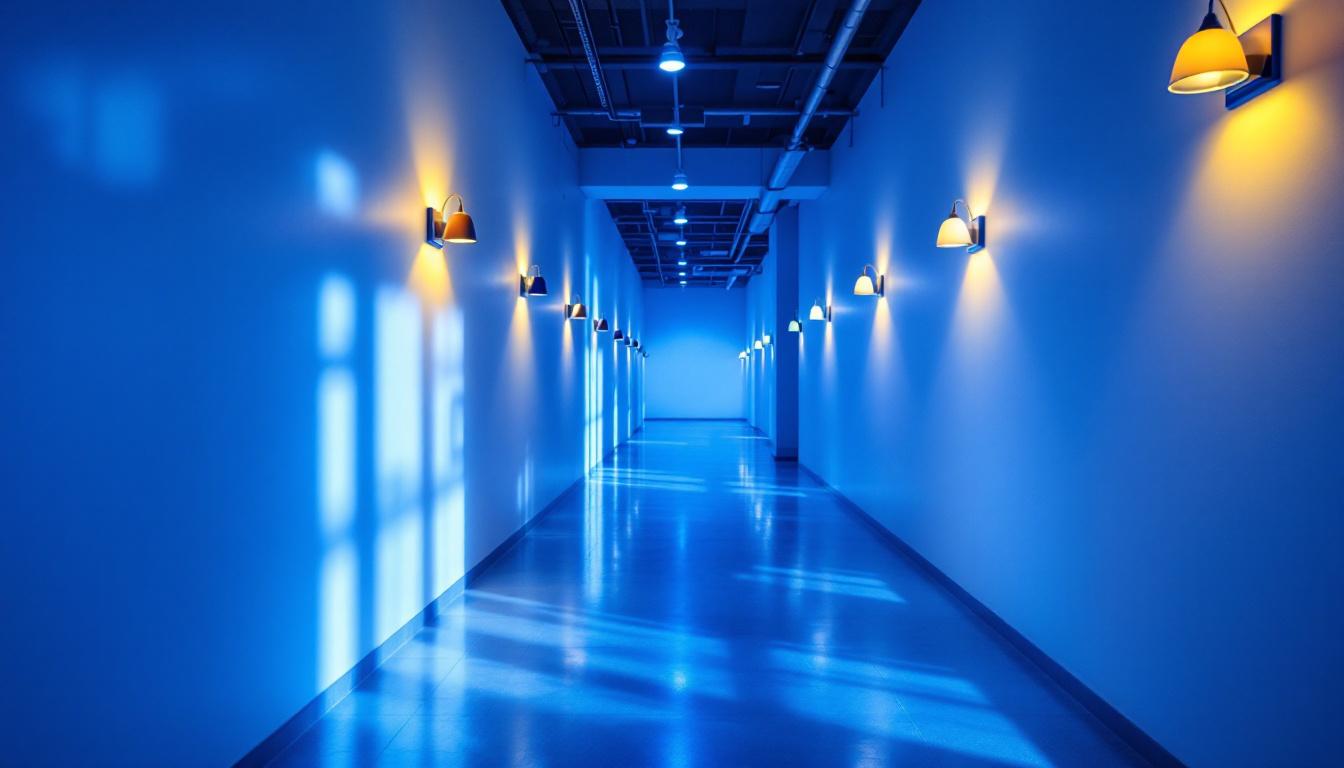
Understanding the Light Corridor Concept
In the realm of lighting design and installation, the term “light corridor” refers to the pathway or zone through which light travels from its source to the intended illuminated area. While it might seem straightforward, many lighting contractors underestimate the importance of optimizing this corridor. Proper attention to the light corridor can significantly impact the efficiency, aesthetics, and functionality of a lighting installation.
Lighting contractors typically focus on fixtures, bulbs, and controls, but overlooking the light corridor can lead to suboptimal results. This oversight can manifest as uneven lighting, glare, wasted energy, and even safety hazards. Understanding the nuances of how light moves through space is essential for delivering superior lighting solutions that satisfy client expectations and comply with industry standards.
The Physics Behind Light Corridors
Light behaves predictably according to principles of reflection, refraction, diffusion, and absorption. The corridor through which light travels is influenced by the materials and surfaces it encounters. For example, a corridor lined with reflective surfaces can amplify light intensity, while absorptive materials might diminish it. Recognizing these interactions enables contractors to design light corridors that maximize illumination where it is needed and minimize waste where it is not.
Moreover, the geometry of the space plays a crucial role in shaping the light corridor. High ceilings can create a different lighting dynamic compared to lower ceilings, where light may need to be directed more precisely to avoid dark spots. Additionally, the angle at which light is emitted from fixtures can alter its effectiveness in reaching the intended areas. By understanding these physical principles, contractors can make informed decisions about fixture placement, type, and orientation, ultimately leading to a more harmonious lighting environment.
Why Lighting Contractors Need to Prioritize Light Corridors
Failure to account for the light corridor can result in several issues:
- Energy inefficiency: Light lost due to poor corridor management means more power consumption to achieve desired brightness.
- Glare and discomfort: Improperly directed light can cause glare, leading to discomfort or even safety risks in work environments.
- Uneven illumination: Without a clear understanding of the corridor, lighting may be patchy or inconsistent, detracting from the space’s usability and appearance.
By prioritizing the light corridor, contractors can enhance the quality of their installations, reduce client callbacks, and improve overall satisfaction. Furthermore, a well-designed light corridor can contribute to the overall ambiance of a space, influencing mood and productivity. For instance, in office environments, strategically placed lighting can reduce eye strain and enhance focus, while in retail settings, it can highlight products effectively, drawing customers’ attention. As such, understanding and optimizing the light corridor is not just about technical efficiency; it’s about creating environments that resonate with the needs and desires of the people who inhabit them.
Common Oversights in Light Corridor Planning
Despite its importance, several aspects of the light corridor are frequently overlooked during planning and execution phases.
Neglecting the Impact of Architectural Features
Architectural elements such as alcoves, columns, and varying ceiling heights can dramatically alter the path of light. Contractors sometimes assume a straight, unobstructed corridor, which rarely reflects reality. These features can create shadows or redirect light away from target areas.
For example, a corridor with a series of columns may cause repetitive shadow patterns if the lighting is not carefully positioned. Ignoring these nuances can compromise both the functionality and aesthetics of the space. Additionally, the interplay between natural and artificial light sources must be considered, as windows and skylights can introduce varying levels of brightness throughout the day. A well-planned corridor takes advantage of these natural elements, ensuring that light is not only functional but also enhances the overall ambiance of the environment.
Ignoring Surface Reflectance and Material Properties
Surface colors and textures within the corridor play a crucial role in how light is distributed. Dark, matte surfaces absorb more light, reducing illumination levels, while light, glossy surfaces reflect it. Contractors often fail to assess these properties when designing lighting layouts.
In commercial settings, walls painted with dark hues or covered with heavy fabrics can necessitate higher lumen outputs or alternative fixture placements to compensate for light absorption. Without this consideration, lighting may fall short of standards or client expectations. Furthermore, the choice of flooring material can also impact light distribution; for instance, polished tiles can enhance brightness by reflecting light, while carpeted surfaces may absorb it, leading to uneven illumination. Understanding these interactions is essential for creating a cohesive lighting design that meets both aesthetic and functional requirements.
Overlooking the Role of Glare and Visual Comfort
Glare is a common complaint in poorly planned lighting schemes. It occurs when light sources are positioned such that they shine directly into occupants’ eyes or reflect off surfaces at uncomfortable angles. The light corridor’s geometry is central to managing glare.
Contractors sometimes focus solely on achieving brightness levels without considering the directionality and diffusion of light. This can lead to installations that meet technical specifications but fail in occupant comfort, potentially resulting in costly retrofits. Moreover, the integration of dimmable lighting systems and smart controls can significantly enhance visual comfort by allowing occupants to adjust light levels according to their preferences and activities. By prioritizing glare reduction and visual ergonomics, planners can create corridors that not only illuminate but also promote well-being and productivity among users.
Strategies for Optimizing Light Corridors
To address these common oversights, lighting contractors can adopt several best practices that enhance the effectiveness of light corridors.
Conduct Comprehensive Site Assessments
Before installation, a thorough site survey is indispensable. This includes measuring dimensions, noting architectural features, and evaluating surface materials. Utilizing tools such as 3D modeling software can help visualize how light will interact with the environment.
By understanding the physical context, contractors can anticipate challenges and tailor lighting solutions accordingly. This proactive approach reduces the risk of errors and improves client satisfaction. Additionally, engaging with clients during the assessment phase allows contractors to gather insights about their preferences and specific needs, which can lead to more personalized lighting solutions that resonate with the intended ambiance of the space.
Incorporate Reflectance and Absorption Data into Design
Incorporating reflectance values of surfaces into lighting calculations ensures more accurate predictions of illumination levels. Many lighting design software programs allow input of material properties, enabling contractors to simulate real-world conditions.
This data-driven approach helps optimize fixture placement and selection, ensuring that the light corridor delivers the intended brightness and uniformity without unnecessary energy expenditure. Furthermore, understanding how different materials interact with light can lead to innovative design choices, such as using textured surfaces to create interesting patterns of light and shadow that enhance the corridor’s visual appeal.
Utilize Adjustable and Directional Fixtures
Fixtures with adjustable angles or directional capabilities provide flexibility in managing the light corridor. Contractors can fine-tune beam angles and orientations to avoid glare and shadows while maximizing coverage.
For instance, using track lighting or fixtures with gimbals allows for precise control, adapting to architectural complexities and changing client needs over time. This adaptability is particularly beneficial in spaces that may undergo renovations or reconfigurations, as it allows for easy adjustments without the need for extensive rewiring or fixture replacement, thereby saving time and resources.
Implement Layered Lighting Approaches
Layered lighting—combining ambient, task, and accent lighting—can improve the overall quality of illumination within a corridor. This approach considers the corridor as a dynamic space where different lighting functions coexist.
By strategically placing fixtures to complement each other, contractors can create balanced light corridors that enhance both functionality and aesthetics. Moreover, incorporating smart lighting technology can further elevate this layered approach by allowing for dynamic adjustments based on the time of day or occupancy levels, ensuring that the corridor remains inviting and practical at all times. This integration of technology not only improves energy efficiency but also enhances user experience, making the corridor a more engaging and versatile space.
Case Studies Highlighting Light Corridor Challenges and Solutions
Examining real-world examples helps illustrate the significance of light corridor considerations.
Case Study 1: Office Space with Uneven Lighting
A mid-sized office renovation project initially featured overhead fixtures installed without accounting for ceiling height variations and reflective surfaces. Employees reported eye strain and difficulty focusing due to uneven lighting and glare.
After reassessing the light corridor, contractors repositioned fixtures, introduced diffusers, and incorporated wall-mounted task lighting. The result was a more uniform, comfortable environment that boosted productivity and reduced complaints.
Case Study 2: Retail Store with Shadow Issues
A retail client experienced persistent shadows near display areas, negatively affecting product visibility. The lighting contractor had overlooked the impact of shelving units and display cases on the light corridor.
By conducting a detailed site analysis and employing adjustable spotlights, the contractor eliminated shadows and enhanced the visual appeal of merchandise, leading to increased sales and positive customer feedback.
Emerging Technologies and Their Impact on Light Corridors
Advancements in lighting technology offer new opportunities for optimizing light corridors.
Smart Lighting Controls
Intelligent lighting systems can adjust brightness and color temperature dynamically based on occupancy, natural light availability, and time of day. These controls help maintain optimal light corridors under varying conditions, improving energy efficiency and occupant comfort.
LED Innovations
Modern LED fixtures provide enhanced beam control and color rendering capabilities. Their compact size and versatility allow for creative light corridor designs that were previously unattainable with traditional lighting.
Simulation and Modeling Software
Advanced software tools enable contractors to model light corridors with high precision before installation. This reduces guesswork and allows for data-driven decision-making, minimizing costly adjustments post-installation.
Conclusion: Elevating Lighting Projects Through Light Corridor Awareness
For lighting contractors, the light corridor is more than just a pathway for light—it is a critical factor that influences every aspect of a lighting installation’s success. By recognizing and addressing the complexities of light corridors, contractors can deliver superior results that meet client needs, enhance energy efficiency, and improve occupant well-being.
Incorporating comprehensive site assessments, understanding material properties, managing glare, and leveraging modern technologies are essential strategies. These efforts not only prevent common pitfalls but also position contractors as knowledgeable professionals capable of tackling sophisticated lighting challenges.
Ultimately, paying close attention to the light corridor transforms lighting projects from merely functional to truly exceptional, fostering long-term client relationships and business growth.
Illuminate Your Projects with LumenWholesale
Ready to elevate your lighting installations with the expertise and quality products that make a difference? At LumenWholesale, we provide lighting contractors with the spec-grade lighting solutions needed to master the intricacies of light corridors. Our commitment to quality, affordability, and convenience ensures that you have access to the best lighting products at wholesale prices, with the added benefit of free shipping on bulk orders. Don’t let common oversights dim the potential of your projects. Visit LumenWholesale today and discover how our superior lighting products can enhance your next project’s success.