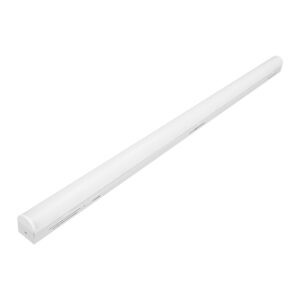
In the ever-evolving world of lighting design, staying updated with the latest trends and technologies is crucial for lighting contractors. One of the most significant advancements in recent years is the use of strip lights for ceilings. These versatile lighting solutions have transformed the way spaces are illuminated, offering both aesthetic appeal and functional benefits. This article delves into the reasons why every lighting contractor should be well-versed in the applications and advantages of ceiling strip lights.
Understanding Strip Lights
Strip lights, often referred to as LED tape lights or ribbon lights, are flexible circuit boards populated with light-emitting diodes (LEDs). They come in various lengths, colors, and brightness levels, making them an adaptable choice for various applications. The flexibility of strip lights allows for creative installations that traditional lighting fixtures may not accommodate. Their energy efficiency and long lifespan also contribute to their growing popularity, as they can significantly reduce energy costs over time while providing vibrant illumination.
Types of Strip Lights
There are several types of strip lights available on the market, each designed for specific applications. Understanding these types can help contractors recommend the best solutions for their clients. Additionally, the advancements in LED technology have led to the development of more specialized strip lights, catering to niche markets and unique lighting needs.
- Standard LED Strip Lights: These are the most common type, available in various colors and brightness levels. They are ideal for general lighting and accent lighting, making them a staple in both residential and commercial settings.
- Waterproof Strip Lights: Designed for outdoor or damp environments, waterproof strip lights are encased in a protective coating, making them suitable for patios, bathrooms, and kitchens. Their durability ensures that they can withstand exposure to moisture and varying temperatures, making them a reliable choice for exterior applications.
- Smart LED Strip Lights: These lights can be controlled via smartphone apps or voice commands, allowing users to change colors, dim lights, and set schedules. They are perfect for tech-savvy clients looking to enhance their smart home experience. Many smart strip lights also offer integration with home automation systems, allowing for synchronized lighting effects with other smart devices.
Applications of Strip Lights
Strip lights can be used in a multitude of settings, making them a versatile choice for contractors. Some common applications include:
- Accent Lighting: Strip lights can highlight architectural features, artwork, or decorative elements, adding depth and interest to a space. By strategically placing them in corners or along edges, they can create a dramatic effect that transforms the ambiance of a room.
- Task Lighting: In areas like kitchens and workspaces, strip lights provide focused illumination, improving visibility and functionality. They can be installed under cabinets or above workstations, ensuring that every task is performed with optimal lighting conditions.
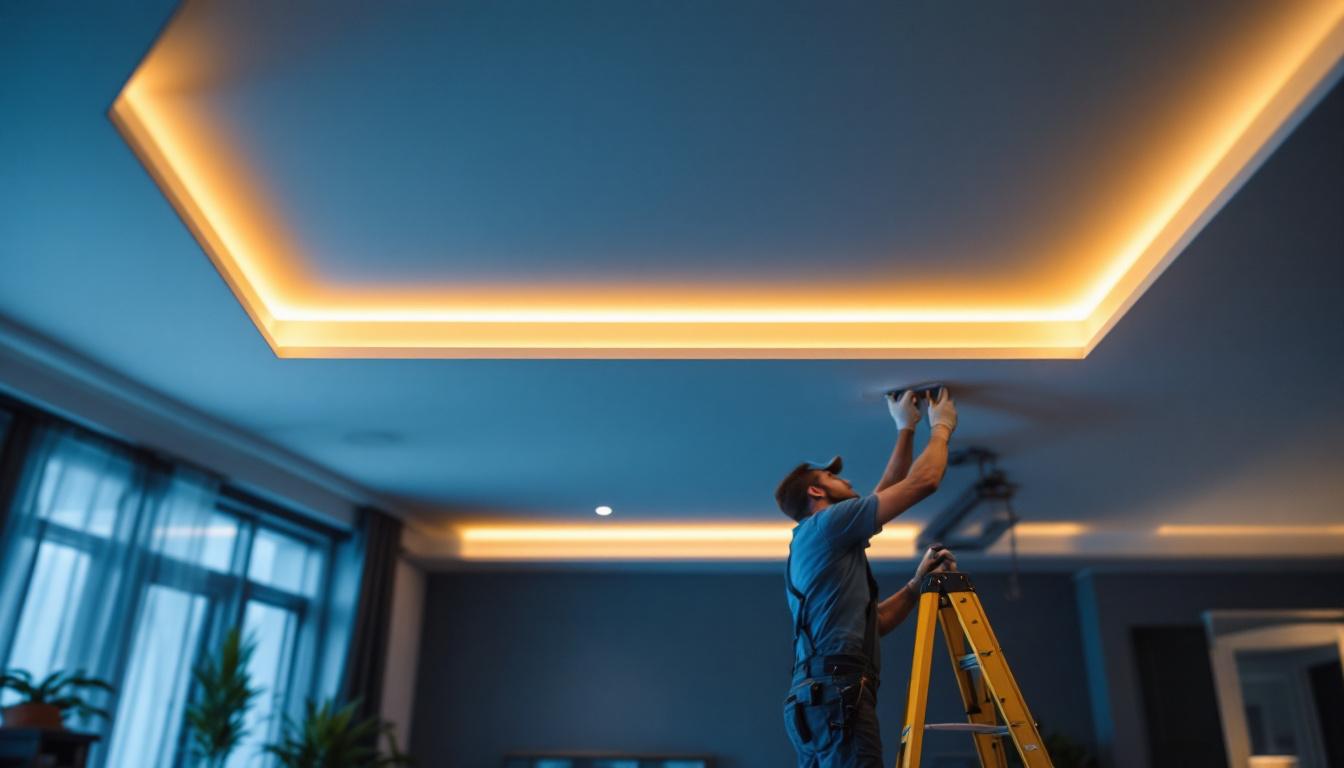
- Ambient Lighting: When installed around the perimeter of a ceiling, strip lights can create a soft, inviting glow that enhances the overall atmosphere of a room. This type of lighting can also be used to define spaces in open floor plans, providing a sense of separation without the need for physical barriers.
Moreover, strip lights can be utilized in commercial settings, such as retail stores and restaurants, to create engaging displays and enhance customer experiences. For instance, dynamic color-changing strip lights can attract attention to merchandise or highlight special promotions, while warm white lights can create a cozy dining atmosphere. The adaptability of strip lights makes them a favorite among interior designers and architects, who often incorporate them into innovative designs that push the boundaries of traditional lighting.
In addition to their aesthetic appeal, strip lights are also environmentally friendly. With advancements in LED technology, these lights consume significantly less energy compared to incandescent or fluorescent bulbs, contributing to lower carbon footprints. Many manufacturers are now focusing on sustainable practices, using recyclable materials in their products and packaging. This commitment to sustainability not only appeals to eco-conscious consumers but also aligns with the growing trend of green building practices in the construction industry.
Benefits of Using Strip Lights
The advantages of incorporating strip lights into lighting designs are numerous. For contractors, understanding these benefits can enhance client satisfaction and project outcomes.
Energy Efficiency
One of the most compelling reasons to use strip lights is their energy efficiency. LED technology consumes significantly less energy compared to traditional incandescent or fluorescent lighting. This not only reduces electricity bills for clients but also contributes to a more sustainable environment. By recommending energy-efficient solutions, contractors can position themselves as environmentally conscious professionals.
Longevity and Durability
Strip lights boast a longer lifespan than traditional lighting options, often lasting up to 50,000 hours or more. This longevity means fewer replacements and maintenance for clients, resulting in cost savings over time. Additionally, LED strip lights are more durable and resistant to shock and vibration, making them suitable for various environments, including commercial and industrial settings.
Design Flexibility
The flexibility of strip lights allows for creative installations that can enhance any space. They can be cut to length, bent around corners, and installed in tight spaces where traditional fixtures may not fit. This adaptability enables lighting contractors to design unique solutions tailored to their clients’ needs, whether it’s for residential, commercial, or hospitality projects.
Installation Considerations
While strip lights offer many benefits, proper installation is crucial to achieving the desired results. Here are some key considerations for lighting contractors to keep in mind.
Power Supply Requirements
Strip lights require a compatible power supply to function correctly. Contractors must ensure that the power supply matches the voltage and wattage requirements of the strip lights being used. Additionally, it’s essential to consider the total length of the strip lights being installed, as this will affect the power supply’s capacity.
Heat Management
Although LED strip lights generate less heat than traditional lighting, they can still become warm during operation. Proper heat management is essential to maintain performance and longevity. Contractors should consider using heat sinks or ensuring adequate airflow around the installation area to prevent overheating.
Adhesive and Mounting Options
Many strip lights come with adhesive backing for easy installation. However, for more permanent applications or in areas with high humidity, additional mounting options may be necessary. Clips, channels, or tracks can provide secure mounting solutions that enhance the overall appearance and functionality of the lighting installation.
Trends in Strip Lighting
As the lighting industry continues to evolve, new trends emerge that can influence how strip lights are used. Staying informed about these trends can help contractors remain competitive and meet client expectations.
Integration with Smart Home Systems
With the rise of smart home technology, many clients are looking for lighting solutions that can be integrated into their existing systems. Smart strip lights that can be controlled via apps or voice assistants are becoming increasingly popular. Contractors should familiarize themselves with these products to offer clients modern, tech-savvy solutions.
Color Temperature Customization
Clients are increasingly interested in customizing their lighting to suit their preferences and needs. Strip lights that allow for color temperature adjustments—ranging from warm to cool light—enable users to create the perfect ambiance for any occasion. Contractors should be prepared to discuss these options with clients to enhance their lighting experience.
Environmental Sustainability
As awareness of environmental issues grows, many clients are prioritizing sustainable lighting solutions. Strip lights, particularly those made from eco-friendly materials and designed for energy efficiency, are an attractive option for environmentally conscious consumers. Contractors who can provide sustainable solutions will likely find themselves in high demand.
Common Challenges and Solutions
While strip lights offer numerous benefits, there can be challenges associated with their use. Understanding these challenges and how to address them can enhance a contractor’s effectiveness.
Voltage Drop Issues
One common issue with long runs of strip lights is voltage drop, which can lead to uneven brightness along the length of the strip. To combat this, contractors can use shorter runs of strip lights, or install additional power supplies at intervals along the strip. This ensures consistent brightness and performance throughout the installation.
Dimmer Compatibility
Not all dimmers are compatible with LED strip lights, which can lead to flickering or reduced performance. Contractors should ensure that they are using dimmers specifically designed for LED applications. This will help to provide a smooth dimming experience and prevent issues for clients.
Installation in Complex Spaces
Installing strip lights in complex spaces, such as curved ceilings or intricate architectural features, can be challenging. However, with careful planning and the right tools, contractors can achieve seamless installations. Using flexible strip lights and pre-planning the layout can help ensure that installations are both functional and visually appealing.
Conclusion
In conclusion, strip lights for ceilings represent a significant advancement in lighting design, offering versatility, energy efficiency, and aesthetic appeal. For lighting contractors, staying updated on the latest trends, technologies, and installation techniques is essential for meeting client demands and ensuring successful project outcomes. By embracing the potential of strip lights, contractors can enhance their service offerings and position themselves as leaders in the lighting industry.
As the market continues to evolve, those who adapt and innovate will thrive. Understanding the intricacies of strip lighting not only benefits contractors but also enriches the overall experience for clients, ensuring that every space is illuminated to perfection.
Illuminate Your Projects with LumenWholesale
Ready to take your lighting projects to the next level? At LumenWholesale, we provide lighting contractors with the cutting-edge strip lights you need to stay ahead of the curve. Our spec-grade lighting products combine quality and affordability, ensuring you can deliver exceptional results without breaking the bank. Say goodbye to local distributor markups and hello to our unbeatable wholesale prices, complete with the convenience of free shipping. Elevate your lighting designs today and give your clients the brilliance they deserve. Discover our extensive selection and experience the LumenWholesale advantage by visiting Wholesale Lighting at the Best Value.