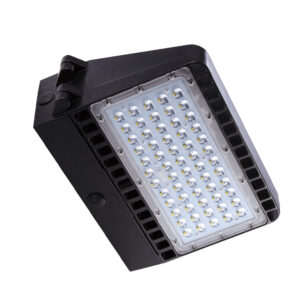
Understanding the Unique Demands of Industrial Lighting
Industrial lighting projects present a distinct set of challenges and opportunities for lighting contractors. Unlike residential or commercial lighting, industrial environments require solutions that prioritize durability, efficiency, and safety under often harsh conditions. Factories, warehouses, manufacturing plants, and large-scale workshops demand lighting that not only illuminates vast spaces but also supports productivity and compliance with regulatory standards.
Lighting contractors must grasp the nuances of these environments to design and install systems that withstand dust, moisture, extreme temperatures, and vibrations. The stakes are high: poor lighting can lead to accidents, reduced worker efficiency, and increased energy costs. Understanding these unique demands is the foundation for successful industrial lighting projects.
Moreover, the choice of lighting technology plays a crucial role in meeting these challenges. LED lighting, for instance, has gained popularity in industrial settings due to its long lifespan and energy efficiency. Unlike traditional lighting options, LEDs emit less heat and have a higher lumen output per watt, making them ideal for expansive industrial spaces where energy consumption is a significant concern. Additionally, the ability to integrate smart lighting controls can further enhance energy savings and operational efficiency, allowing for tailored lighting solutions that adapt to the specific needs of different tasks and times of day.
Another critical aspect of industrial lighting is ensuring compliance with safety regulations and standards. Many industries are governed by strict guidelines that dictate the minimum illumination levels required for various tasks, as well as the types of fixtures that can be used in hazardous environments. Lighting contractors must stay informed about these regulations and work closely with facility managers to ensure that their designs not only meet but exceed these requirements. This proactive approach not only enhances the safety of the workplace but also fosters a culture of accountability and care among employees, ultimately leading to a more productive and engaged workforce.
Choosing the Right Fixtures: Balancing Performance and Longevity
LED Technology: The Industrial Game-Changer
LED lighting has revolutionized industrial lighting. Its energy efficiency, long lifespan, and low maintenance needs make it the preferred choice for many contractors. LEDs consume up to 75% less energy than traditional incandescent bulbs and can last 25 times longer, which translates to significant cost savings over time.
Beyond energy savings, LEDs offer superior light quality with options for various color temperatures and high color rendering index (CRI), which enhances visibility and reduces eye strain for workers. This is critical in environments where precision and safety are paramount. Moreover, the ability to dim LED lights allows for further energy savings and adaptability to different tasks, ensuring that the lighting can be tailored to specific operational needs. This flexibility not only improves productivity but also contributes to a more comfortable working atmosphere, which can lead to enhanced employee satisfaction and reduced fatigue during long shifts.
High Bay and Low Bay Fixtures: Matching Height to Application
Industrial spaces often feature high ceilings, which necessitate specialized fixtures. High bay lights are designed for ceilings 20 feet or higher, delivering intense, focused illumination over large areas. Low bay fixtures, on the other hand, suit ceilings between 12 and 20 feet and provide a broader light spread.
Lighting contractors must assess ceiling height, workspace layout, and task requirements to select the appropriate fixture type. Incorrect fixture choice can lead to uneven lighting, shadows, and increased energy consumption. Additionally, the beam angle of the fixtures plays a crucial role in ensuring that light is distributed evenly across the workspace. A narrow beam might be suitable for specific tasks requiring focused light, while a wider beam can help illuminate larger areas, reducing the number of fixtures needed and optimizing energy use. Understanding these nuances can significantly enhance the effectiveness of the lighting design.
Durability and Environmental Resistance
Fixtures in industrial settings need to resist dust, moisture, chemicals, and physical impacts. Many industrial-grade lights come with IP ratings indicating their protection level against solids and liquids. For example, an IP65-rated fixture is dust-tight and protected against water jets, making it suitable for washdown areas.
Contractors should also consider materials and finishes that withstand corrosion and mechanical stress. Using fixtures with robust housings and tempered glass lenses extends the system’s lifespan and reduces maintenance frequency. Furthermore, investing in fixtures that incorporate advanced thermal management technology can prevent overheating, which is a common issue in high-output lighting environments. This not only enhances the durability of the fixtures but also ensures consistent performance over time. Additionally, some manufacturers now offer fixtures with built-in smart technology, allowing for real-time monitoring and adjustments based on environmental conditions, which can further enhance operational efficiency and safety in industrial settings.
Energy Efficiency and Cost Implications
Reducing Operational Costs Through Smart Lighting
Energy consumption is a major operational expense in industrial facilities. Lighting can account for up to 30% of a factory’s electricity use. By implementing energy-efficient lighting solutions, contractors help clients reduce utility bills and carbon footprints.
Incorporating LED technology, along with smart controls like occupancy sensors and daylight harvesting systems, optimizes energy use. Sensors ensure lights operate only when needed, while daylight harvesting adjusts artificial light based on natural light availability. These strategies can cut energy use by 40% or more.
Return on Investment and Incentives
While upgrading to industrial LED lighting involves upfront costs, the long-term savings often justify the investment. Lighting contractors can help clients understand payback periods and total cost of ownership. Many utilities and governments offer rebates and incentives for energy-efficient upgrades, which can offset installation expenses.
Providing clients with detailed cost-benefit analyses and guiding them through incentive programs strengthens contractor-client relationships and positions contractors as trusted advisors.
Safety and Compliance: Meeting Industry Standards
Illumination Levels and Worker Safety
Proper lighting is a critical safety factor in industrial environments. Insufficient or uneven lighting increases the risk of accidents and errors. Lighting contractors must ensure that illumination levels meet or exceed standards set by organizations such as the Illuminating Engineering Society (IES) and OSHA.
For example, assembly lines and inspection areas require higher lux levels than storage zones. Contractors should use lighting design software and photometric data to plan layouts that minimize shadows and glare, enhancing worker comfort and safety.
Hazardous Location Lighting
Certain industrial areas contain flammable gases, vapors, or combustible dust. Lighting in these hazardous locations must comply with strict certifications such as ATEX or UL Classifications. Fixtures must be explosion-proof or intrinsically safe to prevent ignition sources.
Lighting contractors need specialized knowledge to select and install appropriate fixtures in these environments. Missteps can lead to severe safety hazards and legal liabilities.
Innovative Industrial Lighting Ideas for Contractors
Modular Lighting Systems for Flexibility
Industrial operations often evolve, requiring adaptable lighting solutions. Modular lighting systems allow contractors to easily reconfigure or expand lighting layouts without major rewiring. This flexibility supports facility changes, equipment upgrades, and process adjustments.
Modular components can include interchangeable LED modules, adjustable mounting brackets, and plug-and-play wiring. These systems reduce downtime and labor costs during facility modifications.
Integration with IoT and Building Automation
Smart industrial lighting integrates with the Internet of Things (IoT) and building automation systems to provide real-time monitoring and control. Contractors can offer solutions that track energy consumption, detect fixture failures, and adjust lighting based on operational schedules.
This data-driven approach enhances maintenance planning and energy management. For example, predictive analytics can alert facility managers before a fixture fails, preventing unexpected outages and costly repairs.
Human-Centric Lighting for Enhanced Productivity
Emerging research highlights the benefits of human-centric lighting, which mimics natural light patterns to support circadian rhythms and worker well-being. Lighting contractors can incorporate tunable white LEDs that adjust color temperature throughout the day, boosting alertness and reducing fatigue.
Implementing human-centric lighting in industrial settings can improve worker morale, reduce errors, and lower absenteeism. This approach aligns lighting design with broader health and safety goals.
Project Management Considerations for Lighting Contractors
Site Assessment and Customized Solutions
Successful industrial lighting projects begin with thorough site assessments. Contractors should evaluate existing lighting, electrical infrastructure, and operational workflows. Understanding client goals and constraints enables tailored solutions that maximize value.
Detailed assessments help identify potential challenges such as limited access, hazardous zones, or structural limitations. This groundwork informs fixture selection, layout design, and installation planning.
Coordination with Other Trades and Stakeholders
Industrial projects often involve multiple contractors and stakeholders. Lighting contractors must coordinate with electricians, facility managers, safety officers, and engineers to ensure seamless integration. Clear communication and scheduling prevent conflicts and delays.
Early involvement in project planning allows lighting contractors to influence design decisions and anticipate logistical issues, contributing to smoother project execution.
Maintenance and After-Sales Support
Providing ongoing maintenance services and support strengthens client relationships and ensures lighting systems perform optimally over time. Contractors can offer maintenance contracts, remote monitoring, and rapid response for repairs.
Proactive maintenance reduces downtime and extends fixture lifespan, delivering long-term benefits to clients. Educating clients on proper system use and upkeep also minimizes avoidable issues.
Conclusion: Elevating Industrial Lighting Projects Through Expertise
Industrial lighting is a complex field that demands technical knowledge, practical experience, and an understanding of client needs. Lighting contractors who embrace energy-efficient technologies, prioritize safety and compliance, and adopt innovative solutions position themselves as invaluable partners in industrial projects.
By delivering lighting systems that enhance productivity, reduce costs, and improve workplace safety, contractors not only meet but exceed client expectations. Staying current with industry trends and continuously refining skills ensures contractors remain competitive and successful in this specialized market.
Get Your Industrial Lighting Supplies from LumenWholesale
Ready to take your industrial lighting projects to the next level? Choose LumenWholesale for an unbeatable combination of quality, affordability, and convenience. Our spec-grade lighting products meet the highest industry standards, ensuring you deliver exceptional results every time. Say goodbye to inflated markups and hello to hassle-free bulk buying with free shipping. Elevate your lighting game and give your clients the performance and safety they deserve. Discover the best value in wholesale lighting by visiting LumenWholesale today.